Microwave Pretreatment-Induced Significant Nutrient and Metabolite Changes in Sea Cucumber Apostichopus japonicus
Dairong Song, Fang Liu, Airong Jia, Xue Liu, Tingting Cui, Hui Zhang, Miansong Zhang

TL;DR
Microwave pretreatment better preserves nutrients and boosts small-molecule metabolites in sea cucumbers compared to traditional hot water methods.
Contribution
Microwave pretreatment significantly enhances nutrient and metabolite retention in sea cucumber body walls.
Findings
Microwave pretreatment retains higher levels of protein, crude fat, total sugar, and saponins compared to hot water pretreatment.
Microwave pretreatment increases lysine and methionine retention by 10-fold and 12-fold, respectively.
Small-molecule metabolites like spermidine, tagatose, and melatonin accumulate more under microwave pretreatment.
Abstract
The body wall of sea cucumbers is rich in nutrients and small-molecule metabolites; however, traditional hot water pretreatment often leads to nutrient loss. To optimise processing techniques, this study compared the effects of microwave pretreatment and conventional hot water pretreatment on nutrient retention and metabolite profiles. Untreated sea cucumber body wall samples served as controls. The samples were subjected to microwave pretreatment (4 W/g, 12 min) or hot water pretreatment (100 °C, 10 min). Nutrient retention rates and metabolite variations were systematically analysed. Microwave pretreatment demonstrated superior retention of protein (96%), crude fat (92%), total sugar (55%), and saponins (40%). It also promotes the accumulation of small-molecule metabolites, including spermidine, tagatose, and melatonin. Notably, the lysine and methionine retention rates were enhanced…
Genes, proteins, chemicals, diseases, species, mutations and cell lines named across the full text — each resolved to its canonical identifier and authoritative record.
Click any figure to enlarge with its caption.
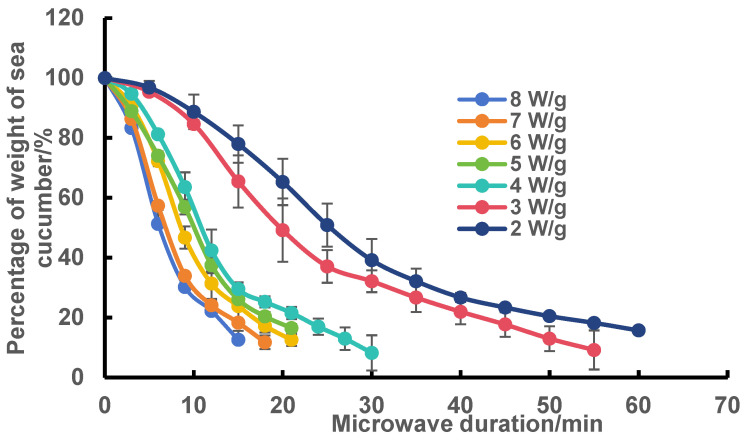 Figure 1
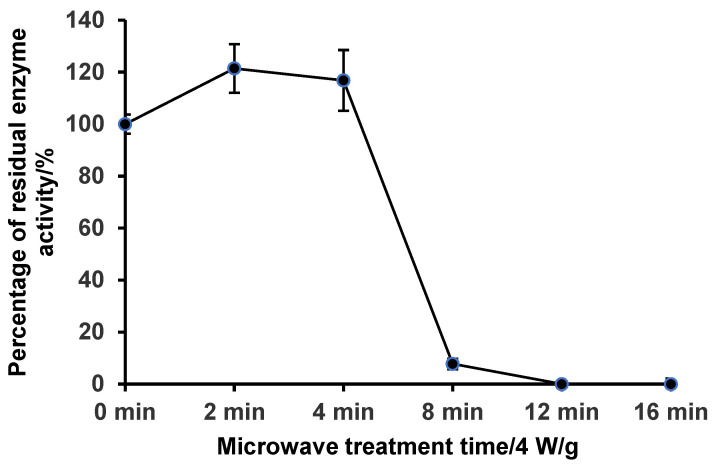 Figure 2
 Figure 3
 Figure 4
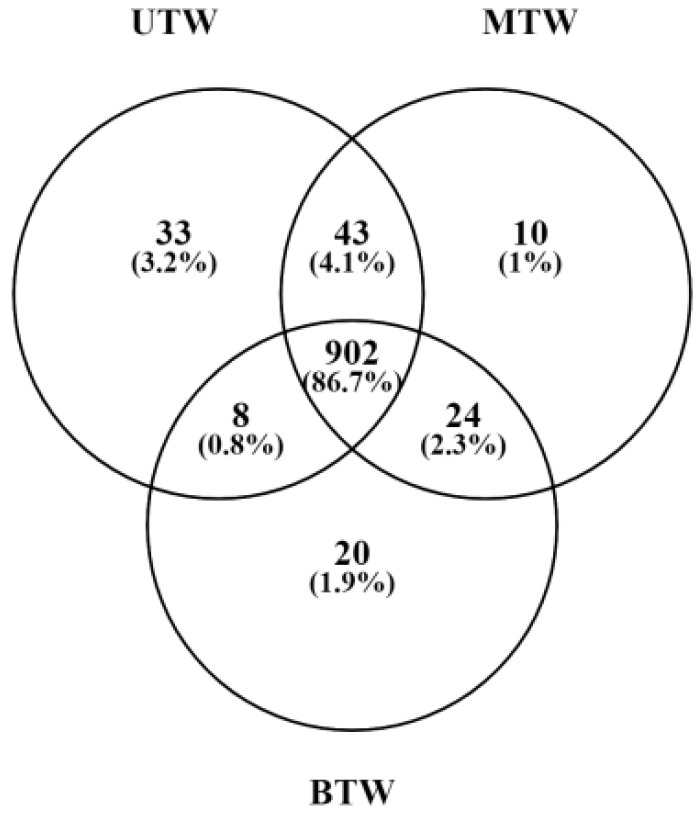 Figure 5
Peer Reviews
No public reviews on file for this paper yet. If you reviewed it on a platform where reviews are public (OpenReview, ICLR, NeurIPS, ICML), you can paste yours below so the community can read it here.
Videos
No videos yet. Explain this paper in a talk, walkthrough, or lecture? Add one.
Taxonomy
TopicsEchinoderm biology and ecology · Aquaculture Nutrition and Growth · Aquatic life and conservation