Regional Cerebral Blood Flow Increase After Transcatheter Aortic Valve Replacement Is Related to Cardiac Output but Is Not Associated with Delirium: An Observational Cohort Study Using Transcranial Indocyanine Green Dye Dilution Technique
Maximilian Oremek, Paul Nowotny, Sebastian Zimmer, Atsushi Sugiura, Leonie Weinhold, Juerg Froehlich, Martin Soehle, André Diedrich, Marcus Thudium

TL;DR
This study found that increased cerebral blood flow after heart valve replacement is linked to improved heart output but not to delirium.
Contribution
The study introduces a novel observational approach using indocyanine green dye to assess cerebral blood flow changes post-TAVR and their relation to delirium.
Findings
Cardiac output increased by 44% after TAVR, which was associated with increased cerebral blood flow.
Cerebral blood flow changes were not significantly linked to postoperative delirium.
Decreased cerebral oxygenation and increased deoxygenated hemoglobin were associated with delirium.
Abstract
Background: Despite the success of transcatheter aortic valve repair (TAVR) over the past years, its impact on global and cerebral hemodynamics remains largely unexplored. Changes in cerebral blood flow may be associated with delirium, which may occur in 26 to 29% of cases. We aimed to examine the relationships between global hemodynamic parameters and cerebral parameters in patients who underwent TAVR and their impact on postinterventional delirium. Methods: Patients scheduled for TAVR were enrolled after obtaining written informed consent. Patients received light sedation according to standard procedures. Cerebral blood flow (CBF) was measured with a noninvasive near-infrared spectroscopy-based method using intravenous indocyanine green injection. CBF measurements were taken at the beginning of the TAVR procedure and after the valve was in place. Patients were screened for delirium…
Genes, proteins, chemicals, diseases, species, mutations and cell lines named across the full text — each resolved to its canonical identifier and authoritative record.
Click any figure to enlarge with its caption.
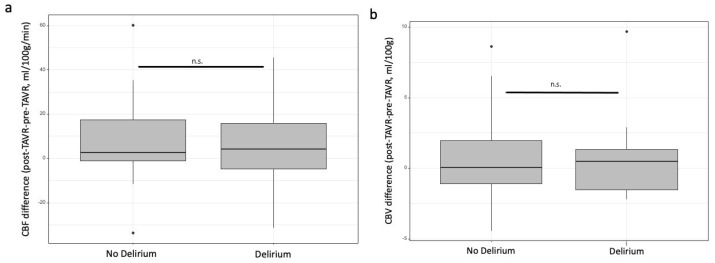 Figure 1
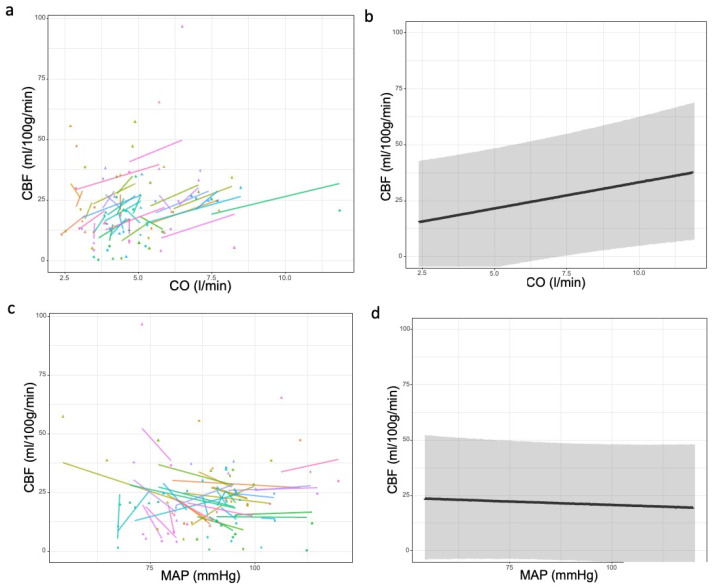 Figure 2
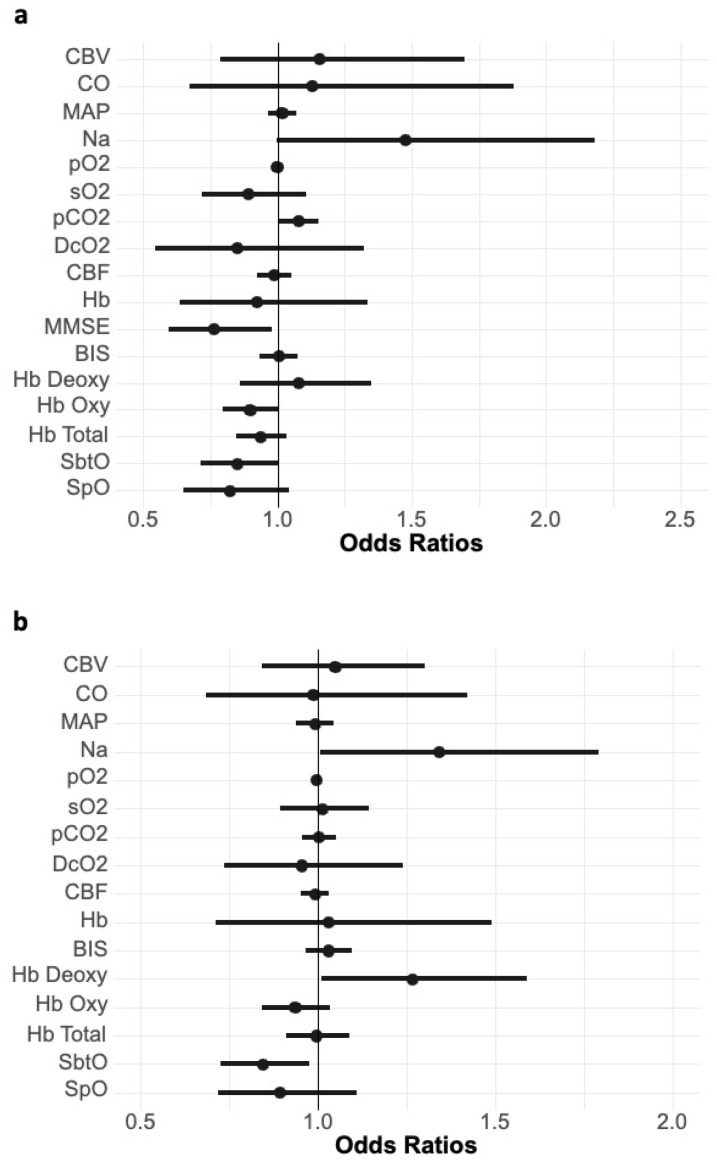 Figure 3
Peer Reviews
No public reviews on file for this paper yet. If you reviewed it on a platform where reviews are public (OpenReview, ICLR, NeurIPS, ICML), you can paste yours below so the community can read it here.
Videos
No videos yet. Explain this paper in a talk, walkthrough, or lecture? Add one.
Taxonomy
TopicsIntensive Care Unit Cognitive Disorders · Cardiac, Anesthesia and Surgical Outcomes · Anesthesia and Sedative Agents