Optimizing genomic diversity assessments for conservation of Bromus auleticus (Trinius ex Nees) using individual and pooled sequencing
Luciana Gillman, Federico Condón, Cesar Petroli, Mercedes Rivas

TL;DR
This study compares individual and pooled sequencing methods to assess genetic diversity in Bromus auleticus, a forage grass facing genetic erosion, to guide conservation efforts.
Contribution
The study provides optimized workflows for population genomic studies in Bromus auleticus using sequencing strategies tailored to sample size and depth.
Findings
Pooled sequencing (pool-seq) with 30–60 plants per accession and 4.8 million reads yielded the highest polymorphic sites and concordance with individual sequencing.
Pool-seq showed higher expected heterozygosity and lower allelic richness compared to individual sequencing across all accessions.
Population structure analysis confirmed the outcrossing nature of B. auleticus and its geographical origin, highlighting the need for conservation.
Abstract
Bromus auleticus, a valuable forage grass native to the Pampa biome, is currently undergoing genetic erosion. Therefore, it is essential to assess appropriate methodologies for developing population genomic studies that will contribute to the conservation of this genetic resource. In this study, we evaluated five accessions using two genotyping strategies: individual sequencing (ind-seq) and pooled sequencing (pool-seq). To assess methodologies effectiveness, the correlation between allele frequencies calculated using each approach was investigated, as well as genetic diversity and population structure. These comparisons explicitly accounted for the potential effects of factors such as sample size, missing data, sequencing depth, and minor allele frequencies. The highest values of frequencies concordance and percentage of SNPs in common between ind-seq and pool-seq were achieved using a…
Genes, proteins, chemicals, diseases, species, mutations and cell lines named across the full text — each resolved to its canonical identifier and authoritative record.
Click any figure to enlarge with its caption.
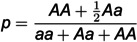 Figure 1
 Figure 2
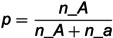 Figure 3
 Figure 4
 Figure 5
 Figure 6
 Figure 7
 Figure 8
 Figure 9
 Figure 10
 Figure 11
 Figure 12
 Figure 13
 Figure 14
 Figure 15
 Figure 16
 Figure 17
 Figure 18
 Figure 19
 Figure 20
 Figure 21
 Figure 22
 Figure 23
 Figure 24
 Figure 25
 Figure 26
 Figure 27
 Figure 28
 Figure 29
 Figure 30
 Figure 31
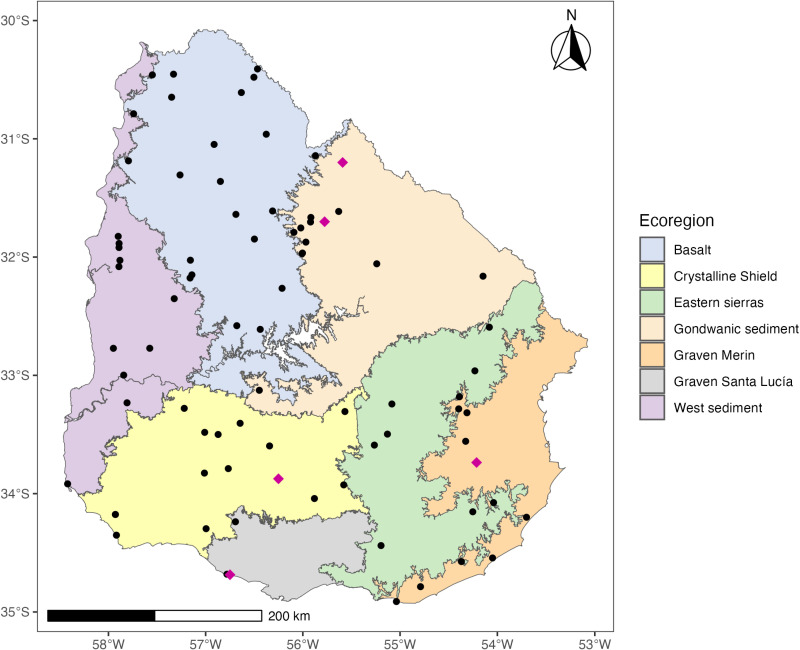 Figure 32
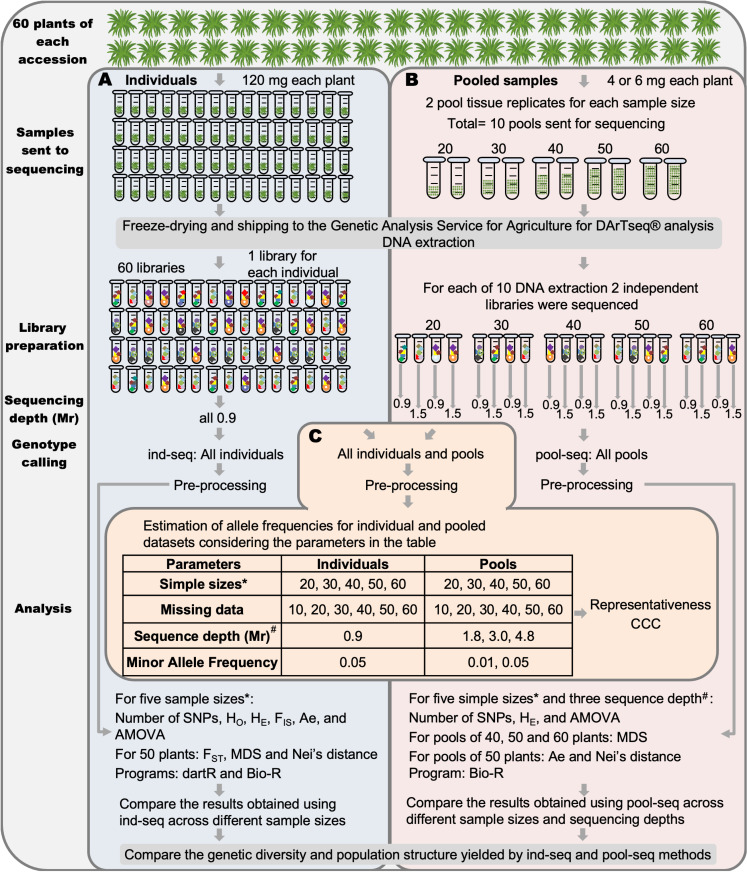 Figure 33
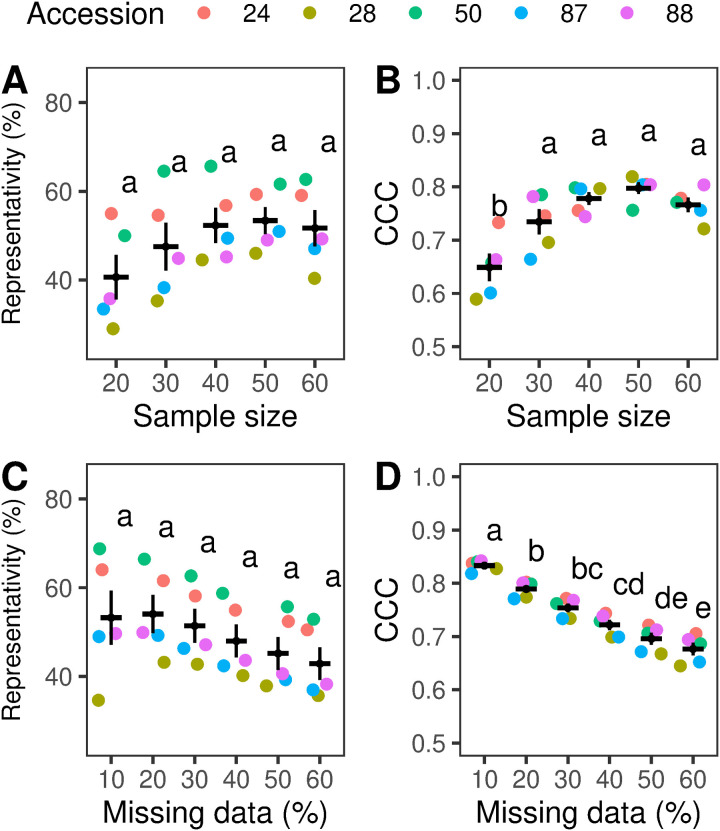 Figure 34
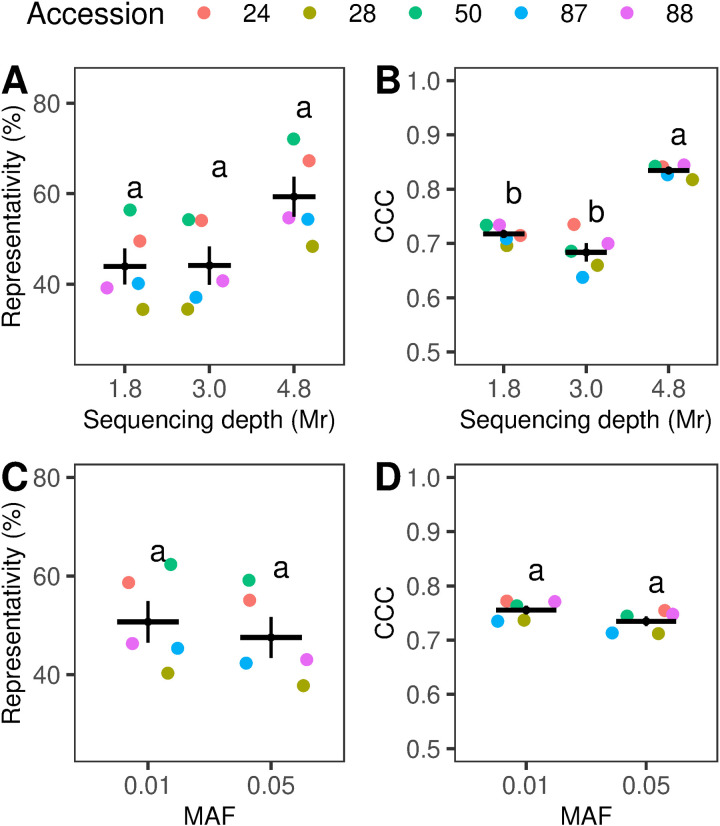 Figure 35
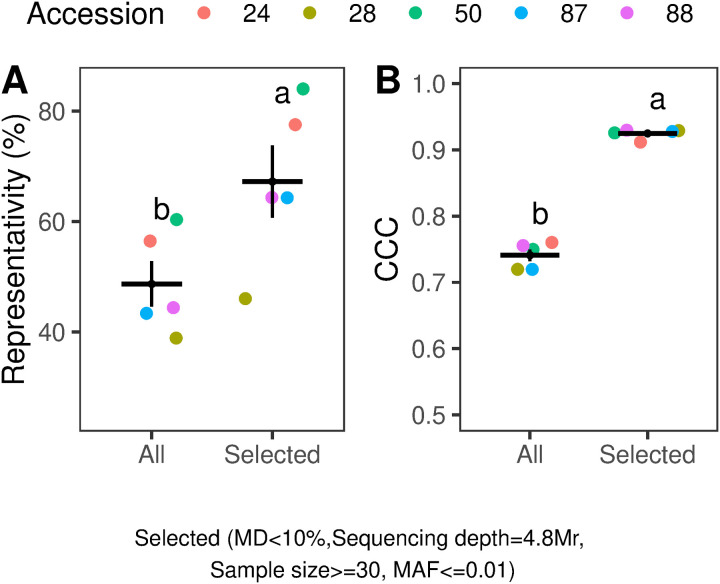 Figure 36
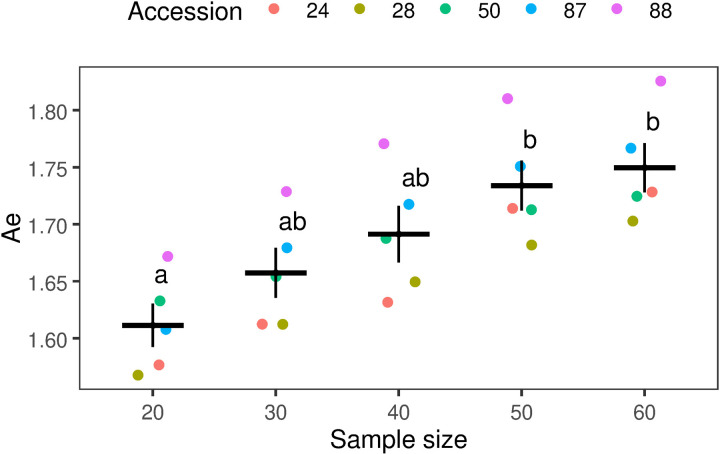 Figure 37
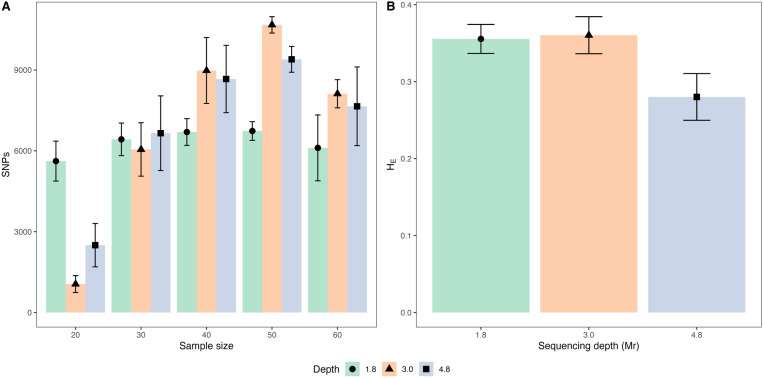 Figure 38
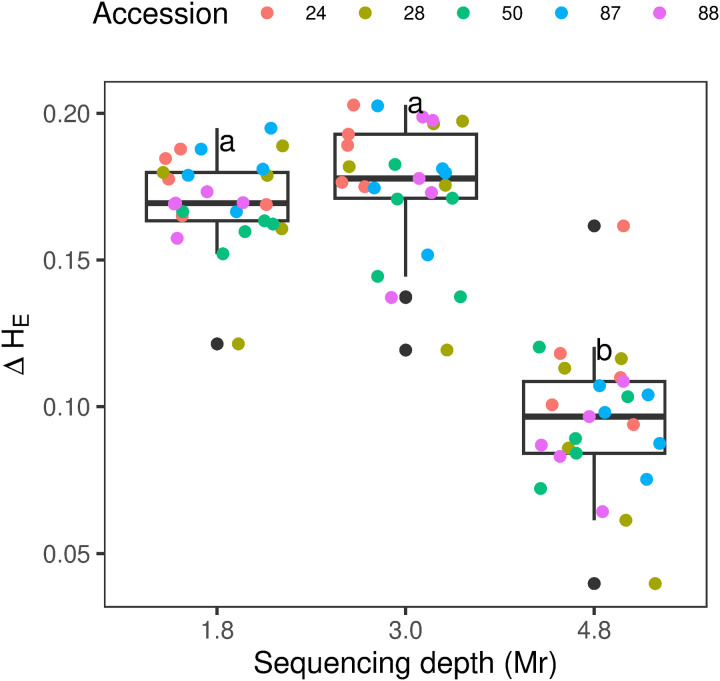 Figure 39
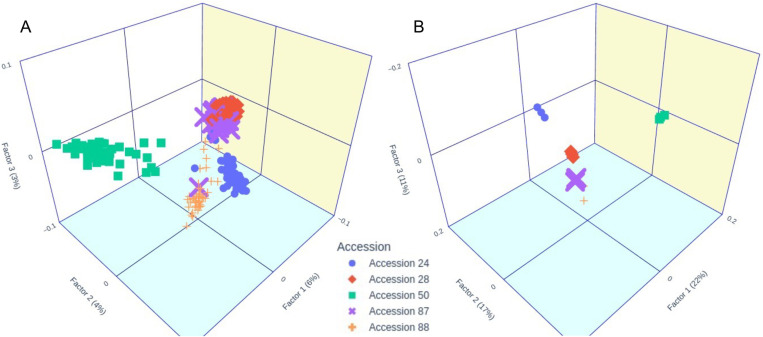 Figure 40
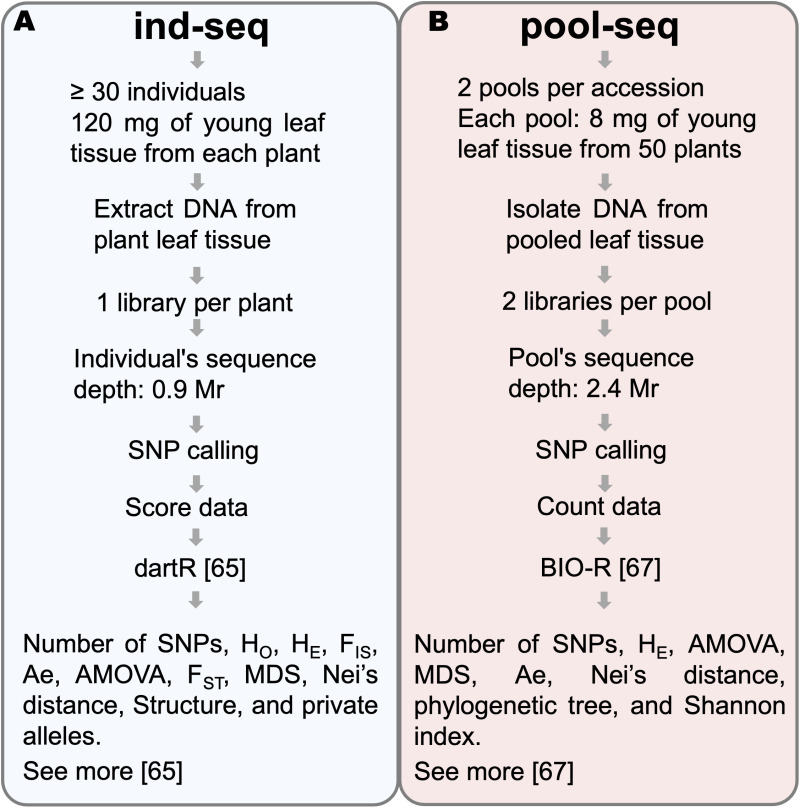 Figure 41
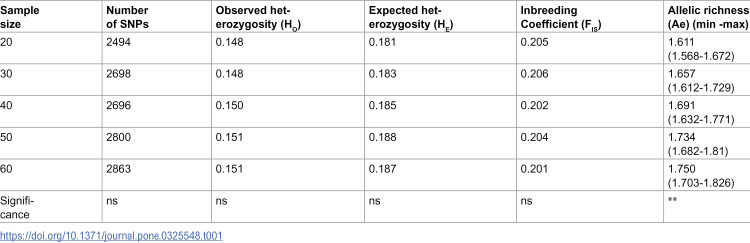 Figure 42
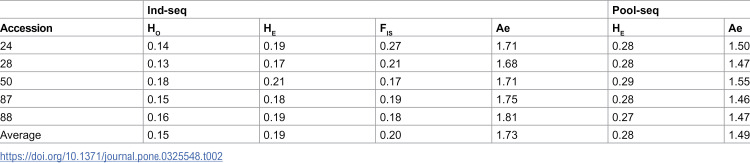 Figure 43
 Figure 44
 Figure 45
Peer Reviews
No public reviews on file for this paper yet. If you reviewed it on a platform where reviews are public (OpenReview, ICLR, NeurIPS, ICML), you can paste yours below so the community can read it here.
Videos
No videos yet. Explain this paper in a talk, walkthrough, or lecture? Add one.
Taxonomy
TopicsGenetic and phenotypic traits in livestock · Genetic diversity and population structure · Genetic Mapping and Diversity in Plants and Animals