Demographic rise of sea urchin Centrostephanus sylviae on Robinson Crusoe and Santa Clara Islands at the Juan Fernandez Archipelago: A biophysical and ecological approach
Valentina Nuñez-Espinosa, Carolina Parada, Braulio Tapia, Billy Ernst, Javier Porobic, David Véliz, Iván Hinojosa, Leonardo Yévenes-Vega

TL;DR
This paper investigates the sudden population increase of sea urchins in the Juan Fernandez Archipelago and explores its ecological and biophysical causes.
Contribution
The study combines biophysical modeling and ecological analysis to identify recruitment zones and predator-prey dynamics affecting sea urchin populations.
Findings
Larval dispersal simulations identified recruitment zones in eastern, southeastern, and southwestern areas of the islands.
An inverse correlation was found between sea urchin abundance and the size of lobsters in traps.
The study highlights the need for integrated ecological and socio-ecological approaches to address the issue.
Abstract
The large increase in the population of long-spined sea urchins (Centrostephanus sylviae) has gained significant attention in the past decade due to the rise in the number of individuals reported as bycatch in Juan Fernandez rock lobster traps (Jasus frontalis) and the risks associated with changes in the ecosystem structure due to the increase in bleaching of reefs in the Juan Fernandez Archipelago (JFA). We explored the demographic surge of the C. sylviae population on Robinson Crusoe and Santa Clara islands (RC-SC) through changes in the relative abundance of adult sea urchins during the years 2015–2022. To seek an explanation for this phenomenon, we explored the potential contributions of early life stages of sea urchins to the adult population via biophysical modeling. We performed simulations of larval dispersal patterns and connectivity between release and recruitment zones for…
Genes, proteins, chemicals, diseases, species, mutations and cell lines named across the full text — each resolved to its canonical identifier and authoritative record.
Click any figure to enlarge with its caption.
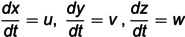 Figure 1
 Figure 2
 Figure 3
 Figure 4
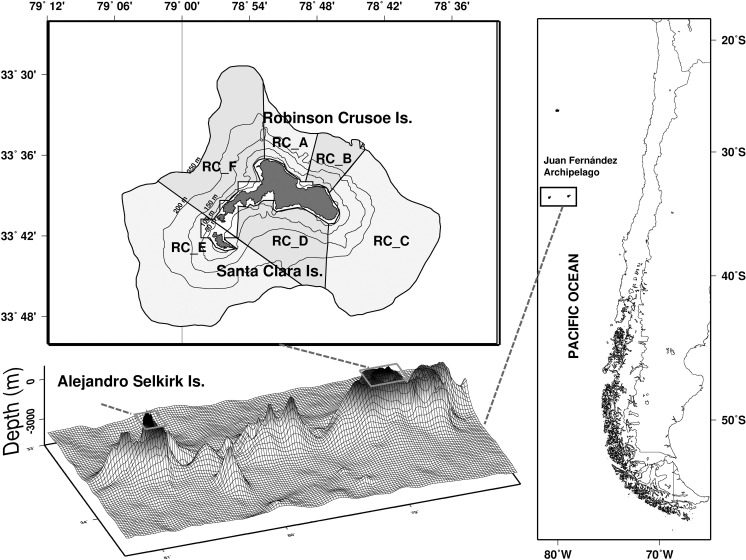 Figure 5
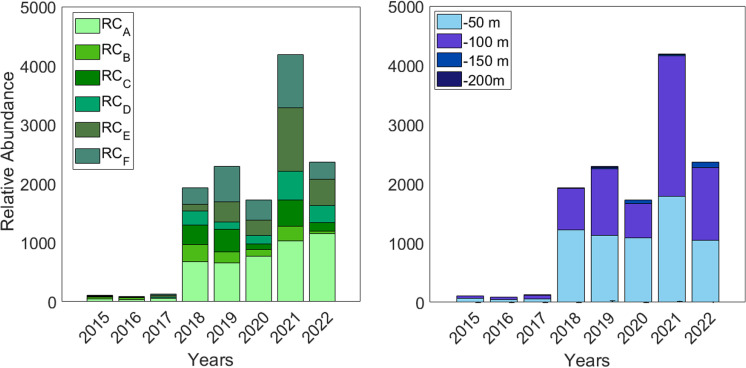 Figure 6
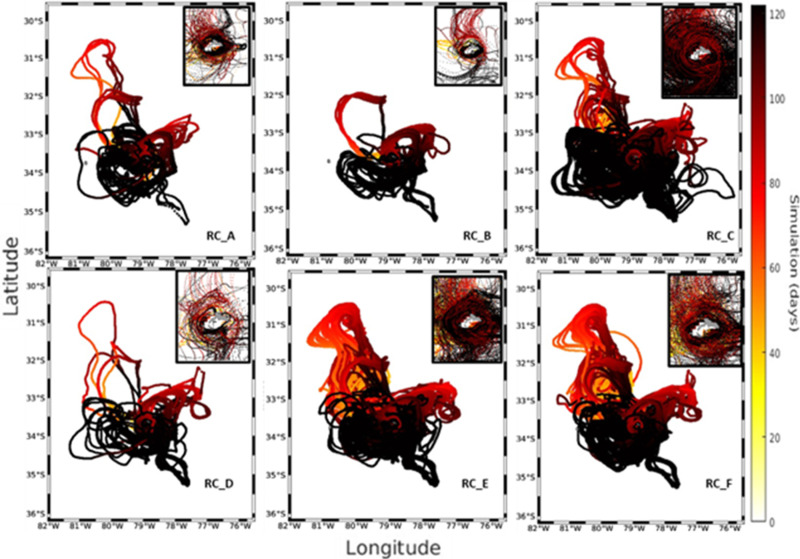 Figure 7
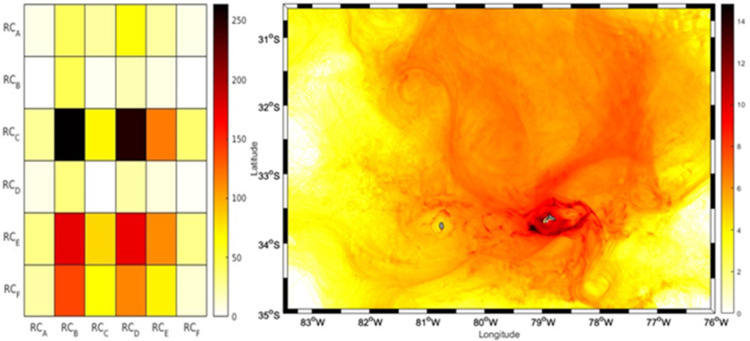 Figure 8
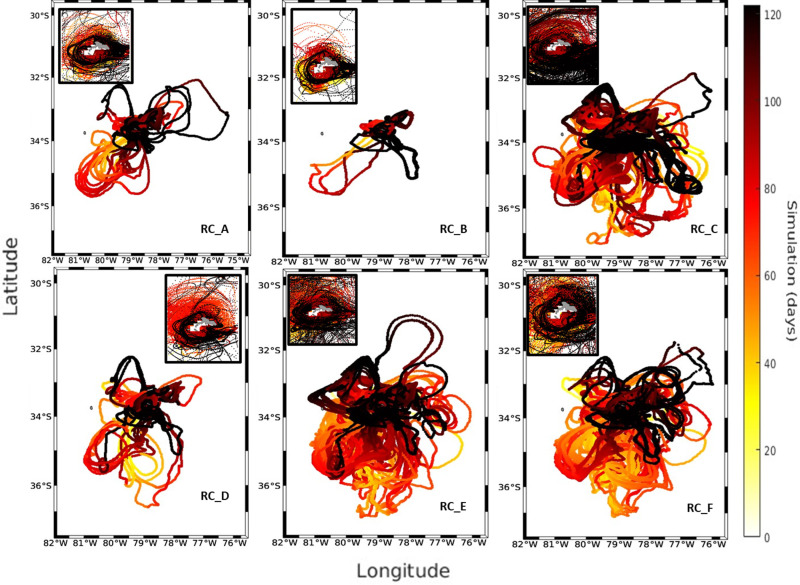 Figure 9
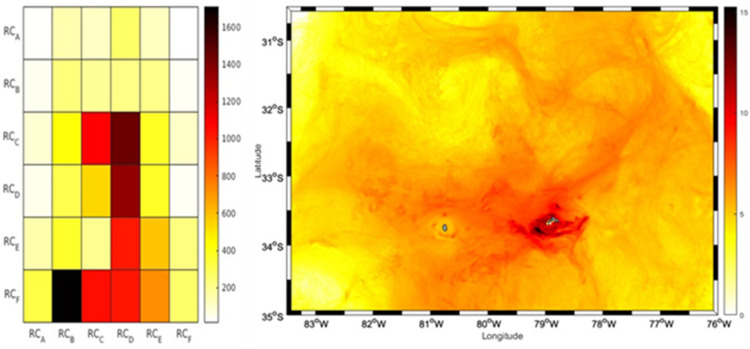 Figure 10
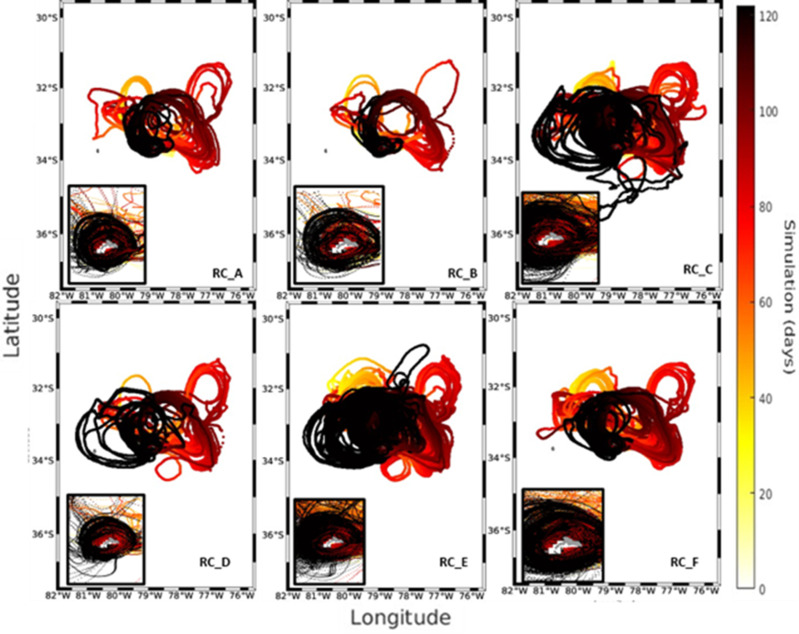 Figure 11
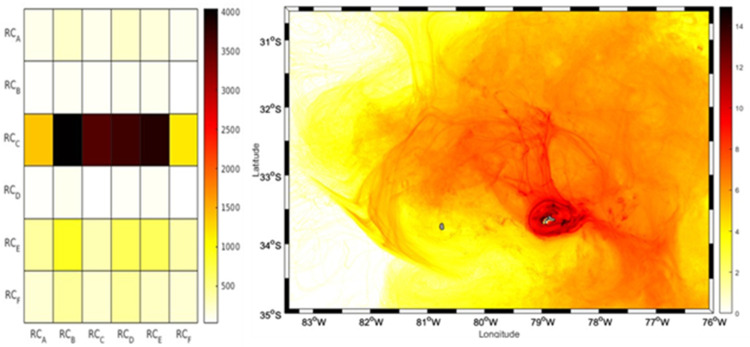 Figure 12
 Figure 13
Peer Reviews
No public reviews on file for this paper yet. If you reviewed it on a platform where reviews are public (OpenReview, ICLR, NeurIPS, ICML), you can paste yours below so the community can read it here.
Videos
No videos yet. Explain this paper in a talk, walkthrough, or lecture? Add one.
Taxonomy
TopicsMarine and coastal plant biology · Coral and Marine Ecosystems Studies · Marine and fisheries research