Association of microtubule destabilization with platelet yields in terminally differentiating hiPSC-derived megakaryocyte lines
Emiri Nakamura, Yasuo Harada, Trevor Bingham, Christian Skorik, Anjali Jha, John Atwater, Natsumi Higashi, Kosuke Fujio, Mariko Ishiguro, Haruki Okamoto, Leonard I. Zon, George Q. Daley, Andrew L. Frelinger, Koji Eto, Thorsten M. Schlaeger, Francesco Bertolini

TL;DR
This study shows that reducing microtubule stability in stem cell-derived megakaryocytes increases platelet production, offering a potential solution for platelet shortages.
Contribution
The study identifies microtubule destabilization as a novel strategy to enhance platelet yields from hiPSC-derived megakaryocytes.
Findings
Microtubule destabilizing agents like vincristine increase platelet production from imMKCLs.
Platelets produced with reduced microtubule content remain functional and effective in vivo.
Lower microtubule content in imMKCLs correlates with higher platelet yields in optimized bioreactors.
Abstract
Millions of platelet units are needed each year to manage thrombocytopenia and other conditions linked to excessive bleeding. These life-saving treatments still depend entirely on donated platelets, despite the numerous shortcomings associated with them, such as limited shelf life, supply shortages, unpredictable functionality, potential for infection, as well as immune-incompatibility issues. These challenges could be overcome with universal donor platelets generated from human induced pluripotent stem cell (hiPSC)-derived megakaryocytes (MKs). We recently developed expandable hiPSC-derived megakaryocytic cell lines (imMKCLs) as a potentially unlimited source for platelet production. imMKCL-derived platelets are functional and have already been tested in patients. In this study, we demonstrate through single-cell time-course imaging that imMKCL maturation is heterogeneous and…
Genes, proteins, chemicals, diseases, species, mutations and cell lines named across the full text — each resolved to its canonical identifier and authoritative record.
Click any figure to enlarge with its caption.
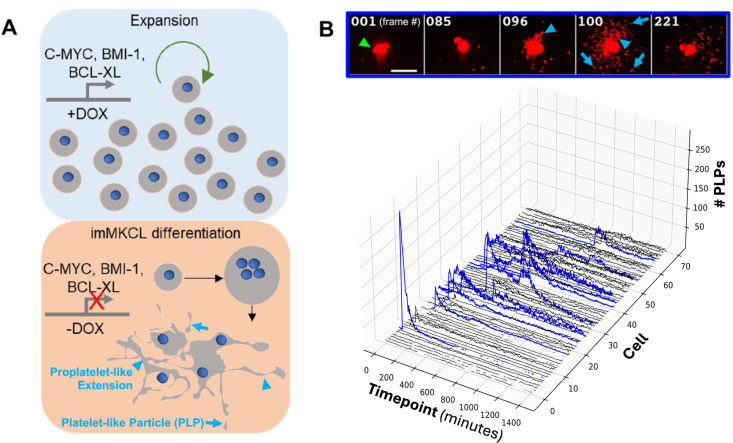 Figure 1
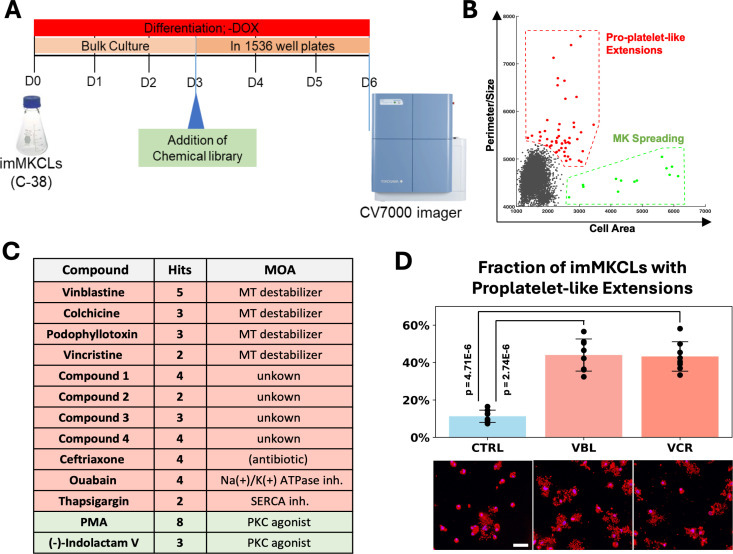 Figure 2
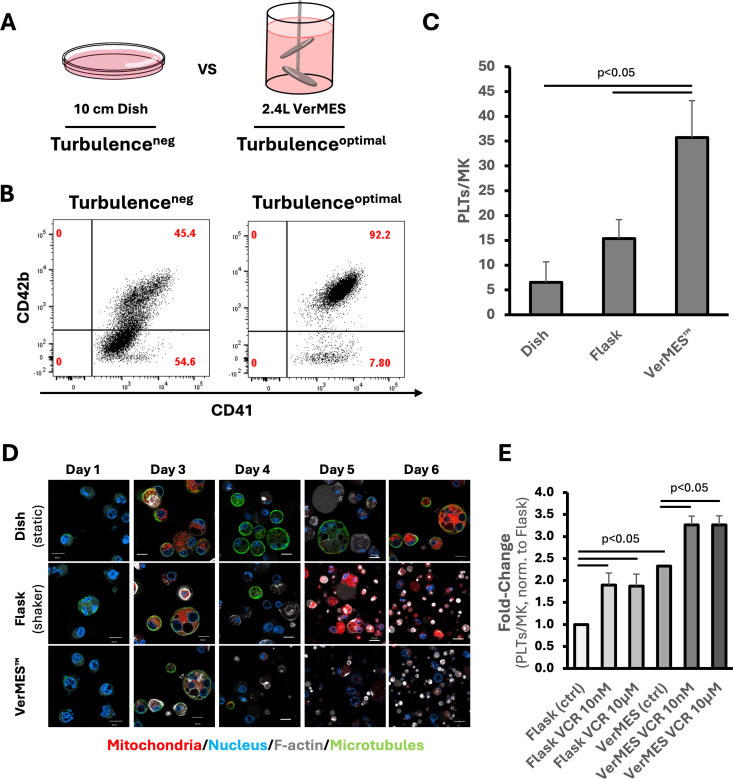 Figure 3
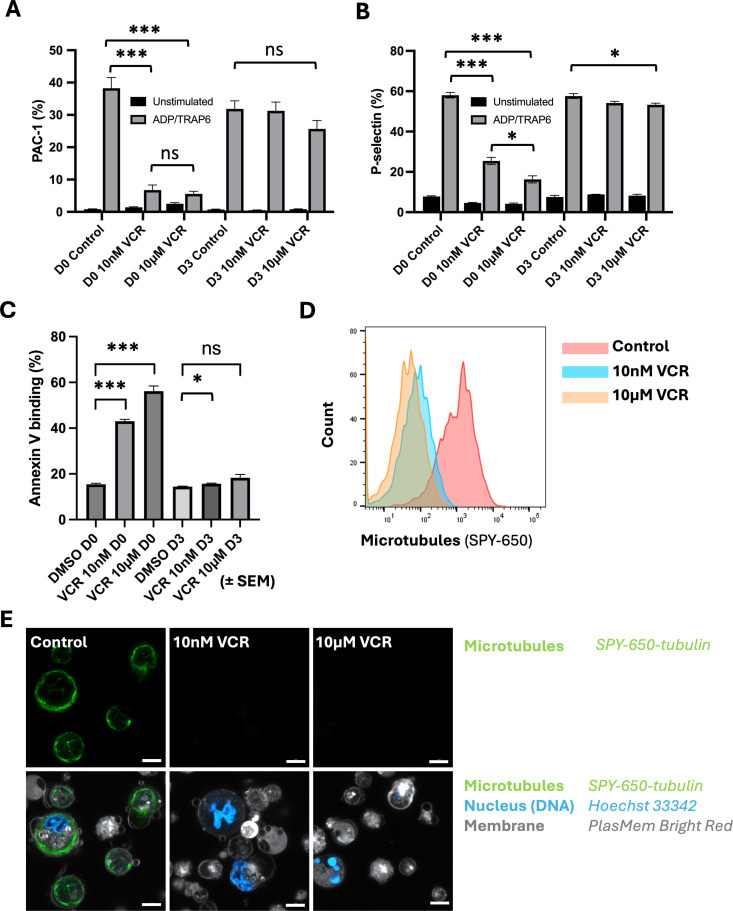 Figure 4
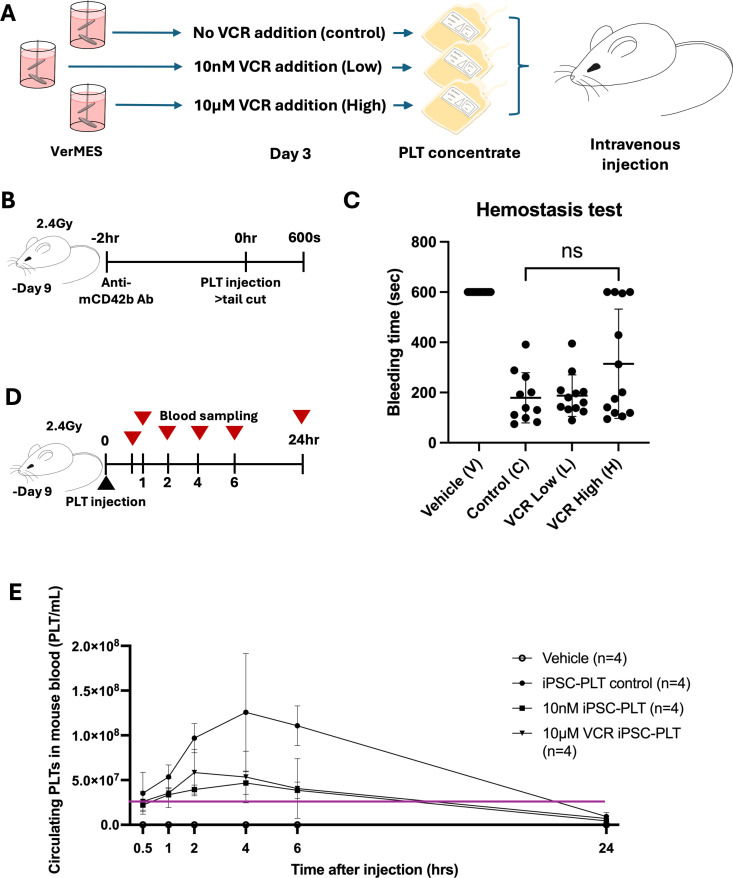 Figure 5
Peer Reviews
No public reviews on file for this paper yet. If you reviewed it on a platform where reviews are public (OpenReview, ICLR, NeurIPS, ICML), you can paste yours below so the community can read it here.
Videos
No videos yet. Explain this paper in a talk, walkthrough, or lecture? Add one.
Taxonomy
TopicsPlatelet Disorders and Treatments · Renal Diseases and Glomerulopathies · Pancreatic function and diabetes