Investigating the cardiorespiratory fitness gene COX7A2L in cardiomyocytes: Viability and mitochondrial function
Ada Nilsen Nordeidet, Gurdeep S. A. Marwarha, Øystein Røsand, Victoria Johansen, Karin Garten, Morten A. Høydal, Mette Langaas, Anja Bye

TL;DR
This study investigates the role of the COX7A2L gene in heart cells and finds no significant impact on cell viability or mitochondrial function.
Contribution
The study experimentally examines COX7A2L's role in cardiomyocytes under varying energy demands for the first time.
Findings
Altering COX7A2L expression did not significantly affect cell viability in cardiomyocytes.
Mitochondrial function remained unchanged despite COX7A2L overexpression or knockdown.
No significant differences were observed under simulated increased energy demand conditions.
Abstract
Low cardiorespiratory fitness (CRF) is a well-established risk factor for cardiovascular disease (CVD) and all-cause mortality. Since CRF is largely genetically determined, understanding the genetic influences on CRF might reveal the protective mechanisms of high CRF. One gene found to be associated with CRF is COX7A2L. COX7A2L is a mitochondrial supercomplex assembly factor, but its role in cellular metabolism remains a topic of discussion. We hypothesized that COX7A2L could play a role in cellular respiration in cardiomyocytes, affecting cardiac function and CRF. To determine the effect of COX7A2L on cardiomyocyte function, we overexpressed and knocked down COX7A2L in human AC16 cardiomyocytes and performed MTT assays and Seahorse XF Cell Mito Stress Tests to assess cell viability and mitochondrial function. For the mitochondrial function measurements, we stimulated the cells with…
Genes, proteins, chemicals, diseases, species, mutations and cell lines named across the full text — each resolved to its canonical identifier and authoritative record.
Click any figure to enlarge with its caption.
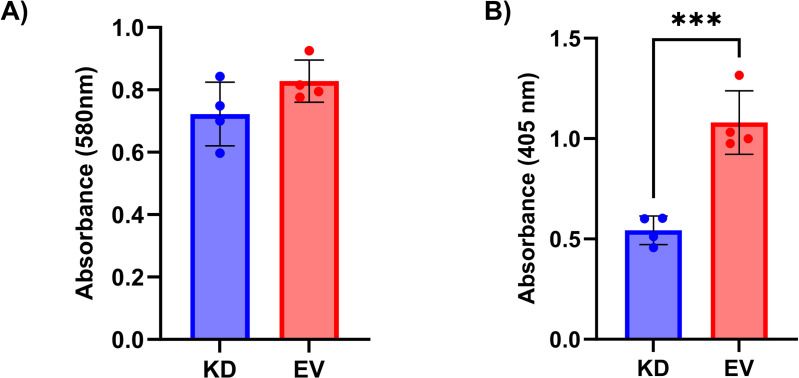 Figure 1
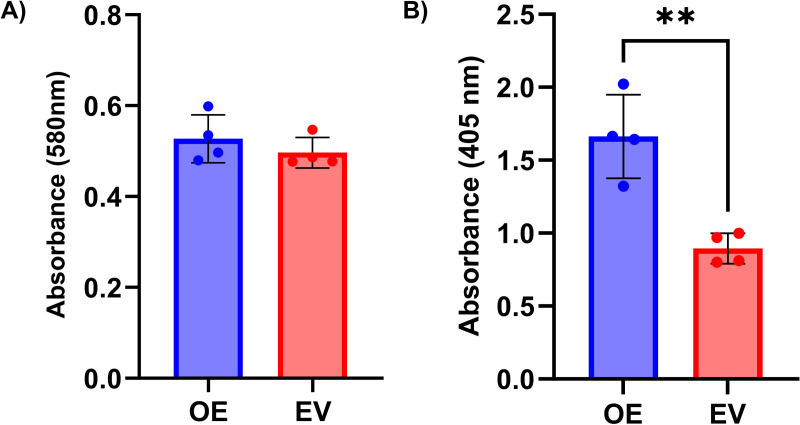 Figure 2
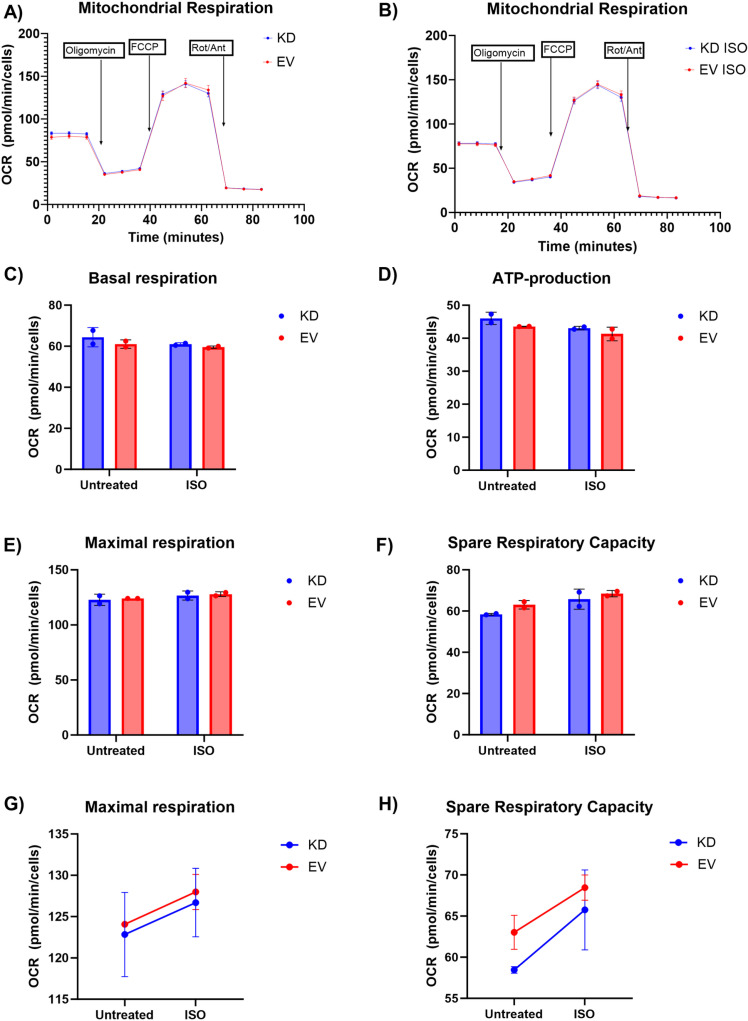 Figure 3
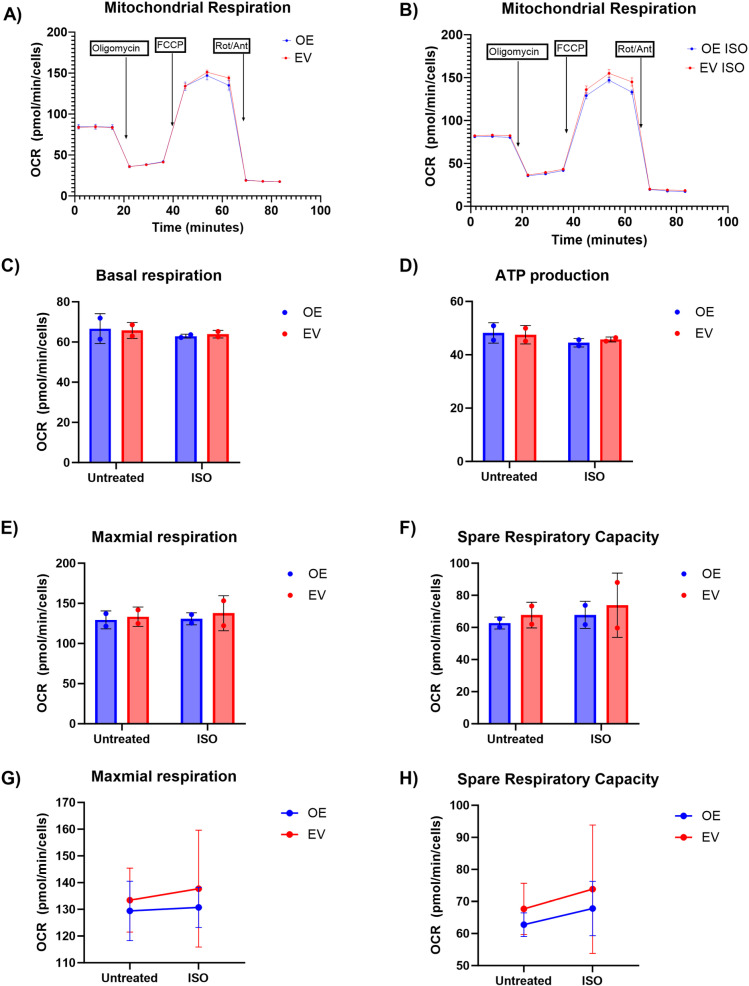 Figure 4
Peer Reviews
No public reviews on file for this paper yet. If you reviewed it on a platform where reviews are public (OpenReview, ICLR, NeurIPS, ICML), you can paste yours below so the community can read it here.
Videos
No videos yet. Explain this paper in a talk, walkthrough, or lecture? Add one.
Taxonomy
TopicsMitochondrial Function and Pathology · ATP Synthase and ATPases Research · Adipose Tissue and Metabolism