Contemporary eDNA methods complement conventional microscopy in zooplankton diet studies: Case study with American lobster postlarvae
Alexander Ascher, Peter D. Countway, Robin S. Sleith, Curtis Morris, Caitlin Haley, David M. Fields, Richard A. Wahle

TL;DR
This study compares traditional microscopy with new eDNA methods to better understand the diet of American lobster postlarvae, revealing that combining techniques gives a more complete picture.
Contribution
The first application of eDNA methods to study the diet of American lobster postlarvae, including a novel blocking primer to enhance prey DNA detection.
Findings
Environmental DNA methods identified more prey diversity than microscopy alone.
rtPCR detected significant predation on Calanus finmarchicus not seen with other methods.
Combining microscopy and eDNA methods provides a richer understanding of larval lobster diets.
Abstract
The diets of pelagic marine larvae are difficult to analyze due to their small size and even smaller prey. Furthermore, different methods may lead to alternative interpretations of trophic interactions. Conventionally, diet studies have relied primarily on visual identification of prey through dissection and microscopy. While microscopy has clear benefits, it can yield an incomplete assessment of diet since smaller and soft-bodied prey items are often difficult to identify. Here, we combined conventional microscopy and two contemporary environmental DNA (eDNA) methods: DNA metabarcode sequencing (metabarcoding) and real-time Polymerase Chain Reaction (rtPCR), comparing their advantages/disadvantages in a diet analysis of planktonic American lobster (Homarus americanus) postlarvae. This is the first application of these molecular techniques on the postlarval lobster diet. We also…
Genes, proteins, chemicals, diseases, species, mutations and cell lines named across the full text — each resolved to its canonical identifier and authoritative record.
Click any figure to enlarge with its caption.
 Figure 1
 Figure 2
 Figure 3
 Figure 4
 Figure 5
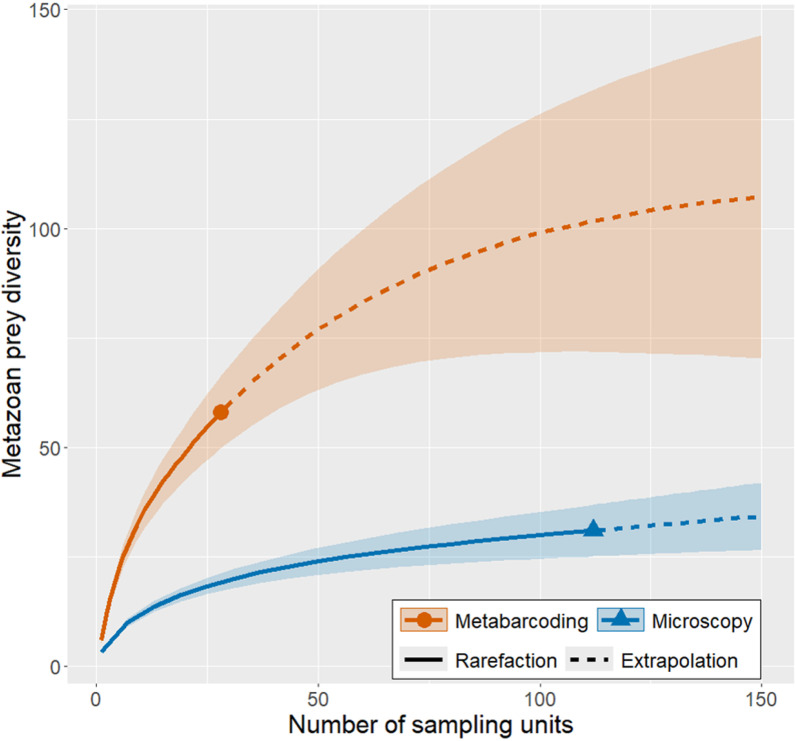 Figure 6
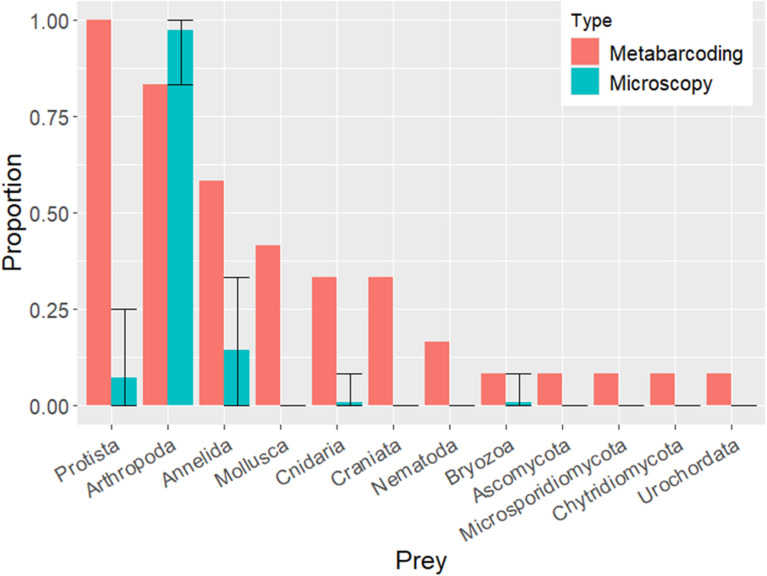 Figure 7
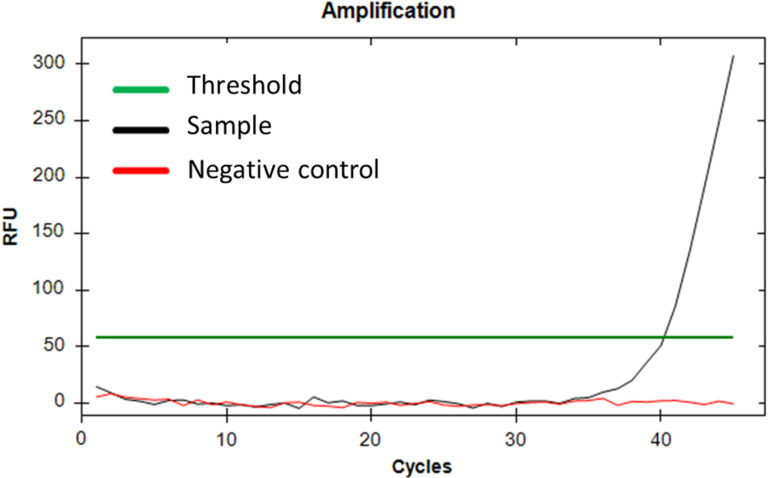 Figure 8
 Figure 9
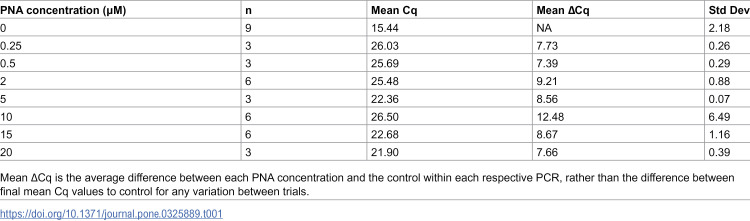 Figure 10
 Figure 11
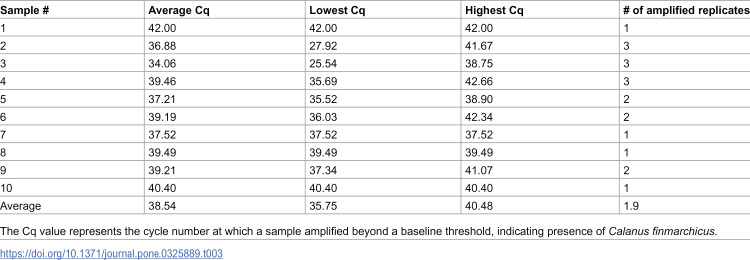 Figure 12
Peer Reviews
No public reviews on file for this paper yet. If you reviewed it on a platform where reviews are public (OpenReview, ICLR, NeurIPS, ICML), you can paste yours below so the community can read it here.
Videos
No videos yet. Explain this paper in a talk, walkthrough, or lecture? Add one.
Taxonomy
TopicsEnvironmental DNA in Biodiversity Studies · Microbial Community Ecology and Physiology · Protist diversity and phylogeny