Transcriptome and Metabolome Analyses of Short-Term Responses of Populus talassica × Populus euphratica to Leaf Damage
Mengxu Su, Zhanjiang Han, Ying Liu, Meilin Liu, Lu Guo, Jiaju Wu, Xiaofeng Wu

TL;DR
This study explores how a hybrid poplar species responds to leaf damage using transcriptome and metabolome analyses to uncover defense mechanisms.
Contribution
The study integrates transcriptomics and metabolomics to reveal defense pathways and key metabolites in a woody plant after leaf damage.
Findings
4078 differentially expressed genes and 30 differential secondary metabolites were identified after leaf damage.
Plant–pathogen interactions and the MAPK signaling pathway were key in early defense responses.
Flavonoids like sakuranetin and pinocembrin were central to the response to leaf damage.
Abstract
After being subjected to mechanical damage, plants trigger changes in primary and secondary metabolites to enhance their resistance or defenses. However, there are limited studies on the joint use of transcriptomics and metabolomics in investigating leaf damage-related defense mechanisms and their regulation in woody plants. This study investigated the leaf damage defense mechanisms of Populus talassica × Populus euphratica at the molecular level using transcriptome and secondary metabolome analyses. In total, 4078 differentially expressed genes (DEGs; 1207 up-regulated and 2871 down-regulated) and 30 differential secondary metabolites (DSMs; 21 up-regulated and nine down-regulated) were identified from a transcriptome analysis of controls (CK) and CL75-treated leaves after 24 h. Plant–pathogen interactions and the MAPK signaling pathway were important defense pathways that synergized…
Genes, proteins, chemicals, diseases, species, mutations and cell lines named across the full text — each resolved to its canonical identifier and authoritative record.
Click any figure to enlarge with its caption.
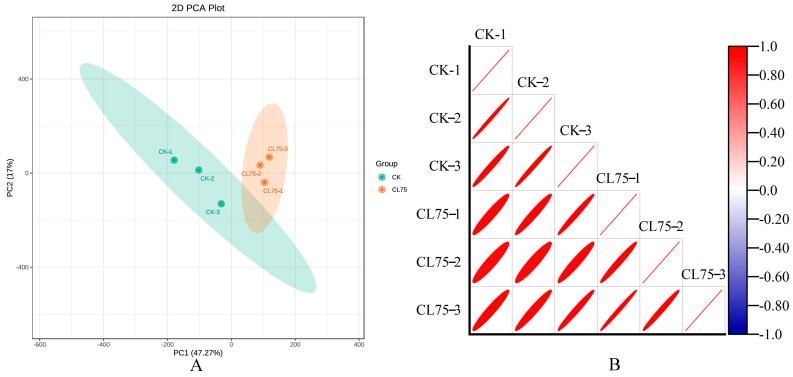 Figure 1
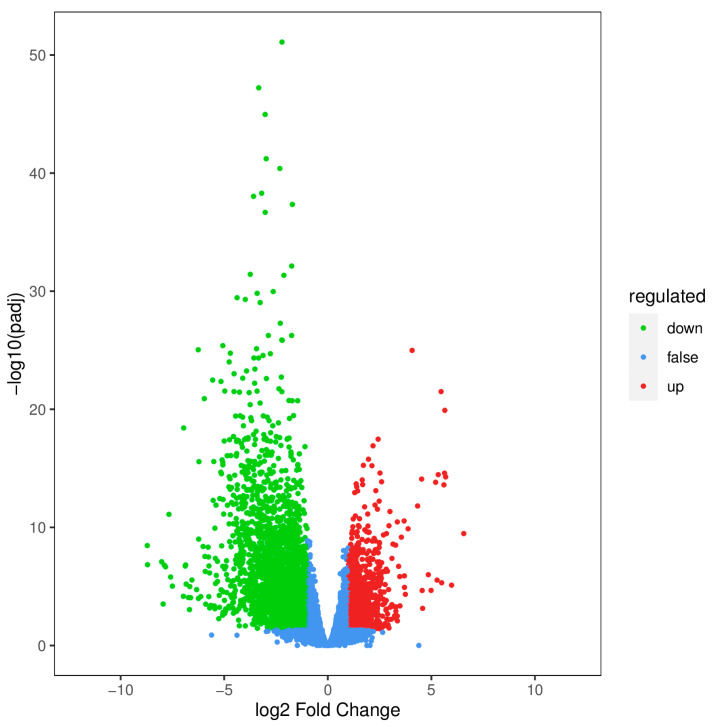 Figure 2
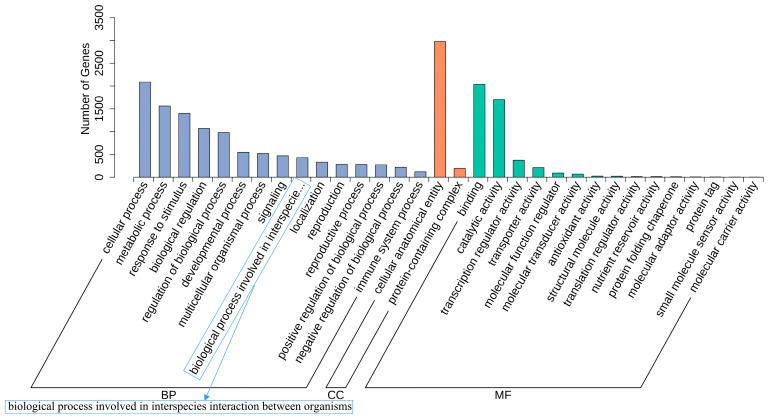 Figure 3
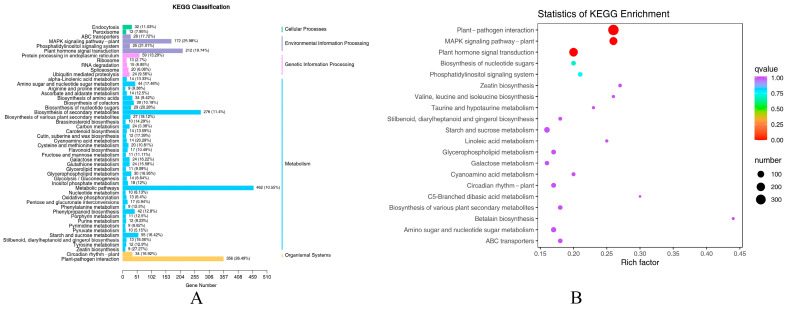 Figure 4
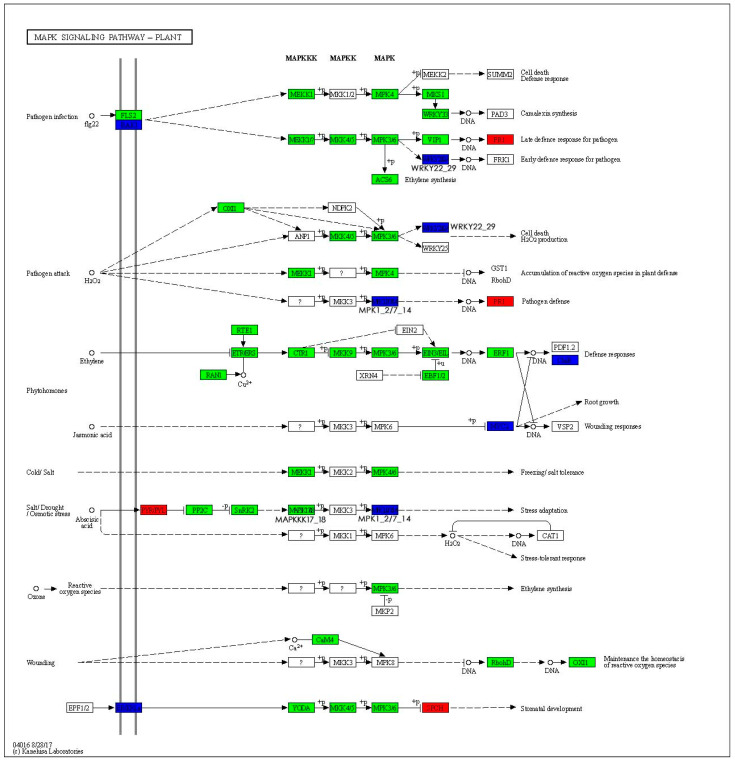 Figure 5
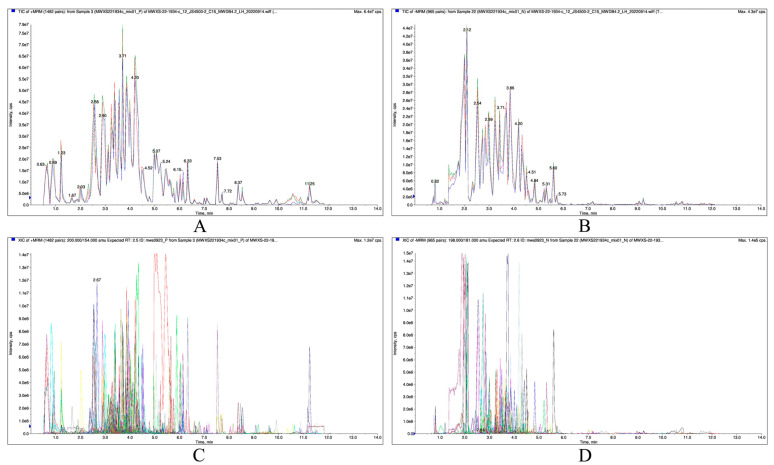 Figure 6
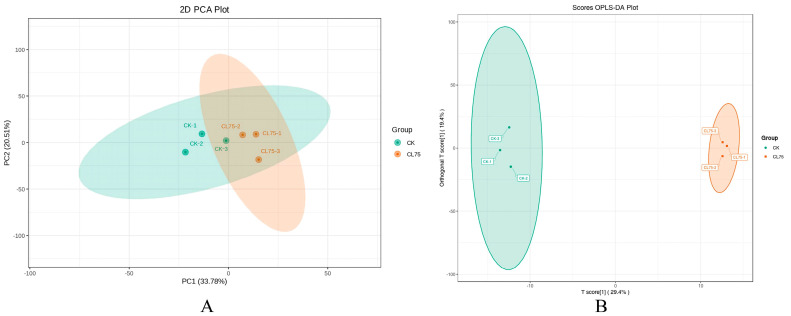 Figure 7
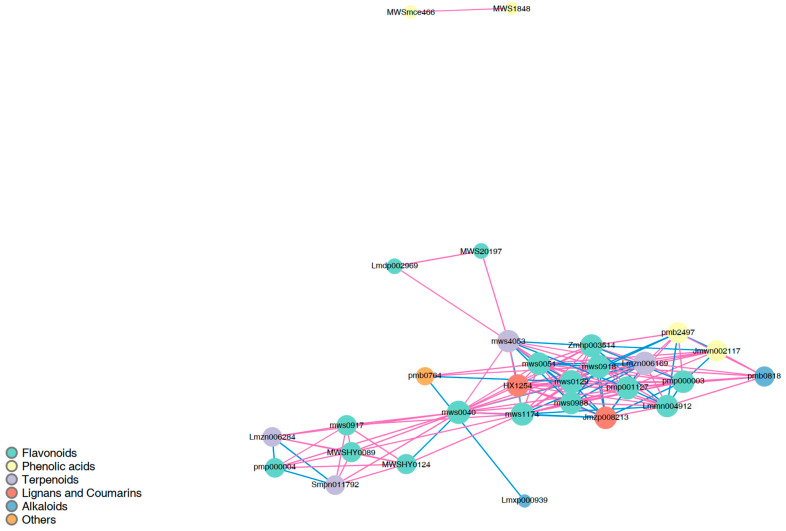 Figure 8
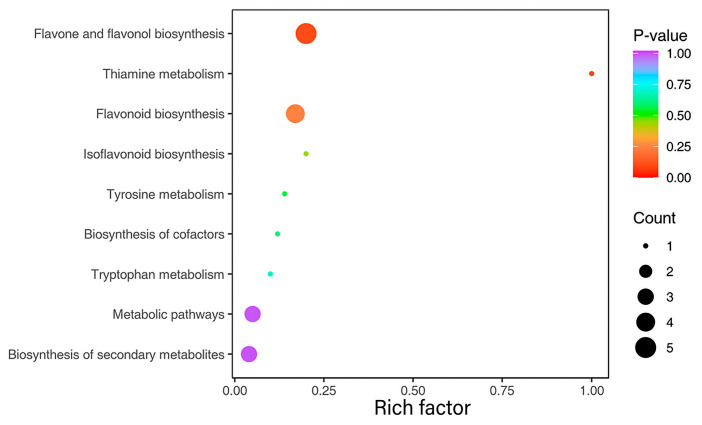 Figure 9
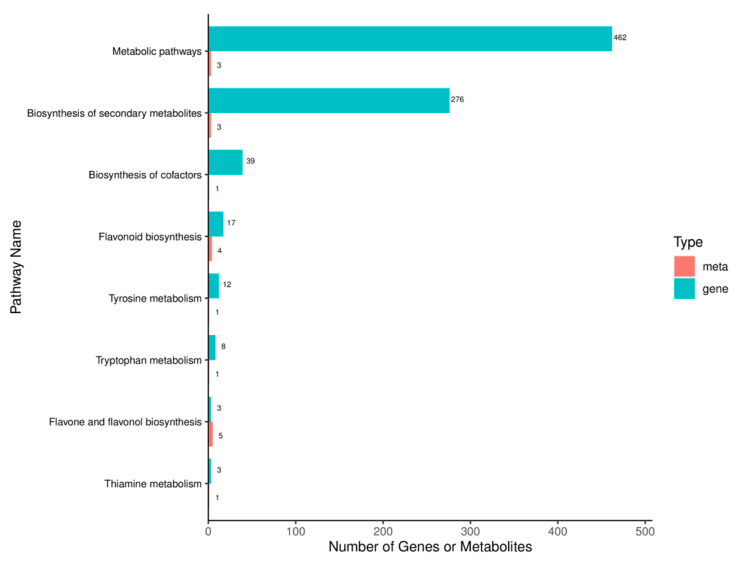 Figure 10
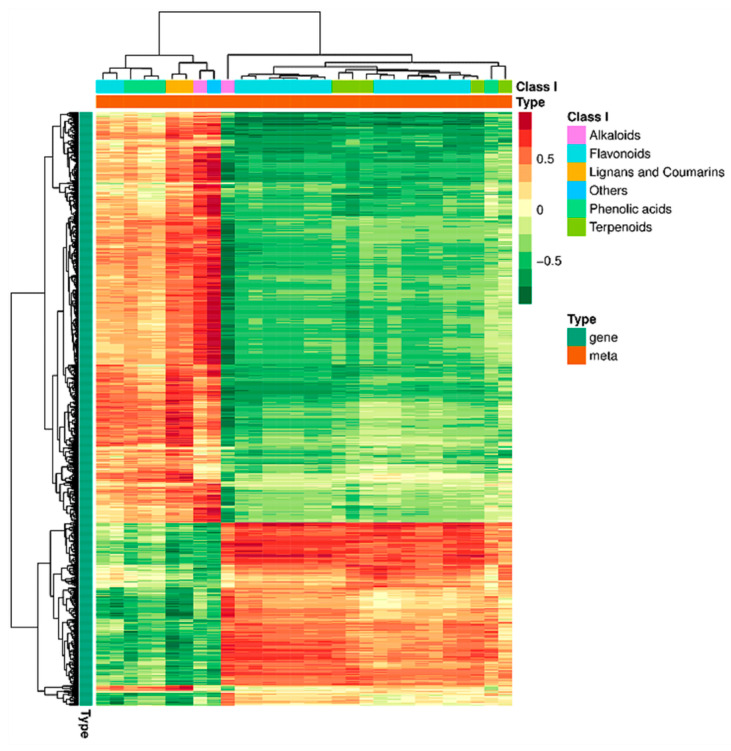 Figure 11
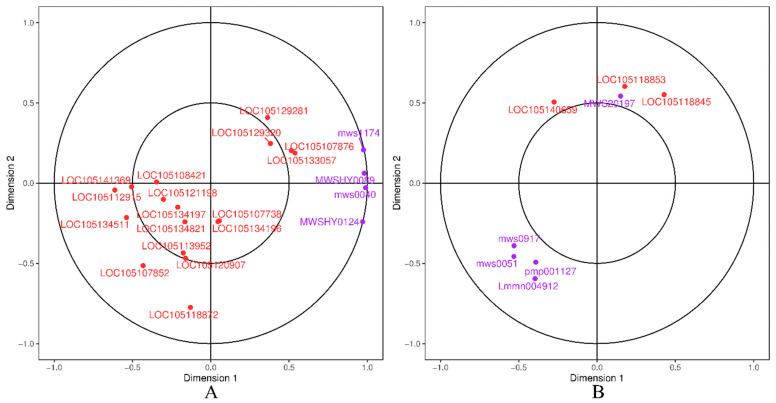 Figure 12
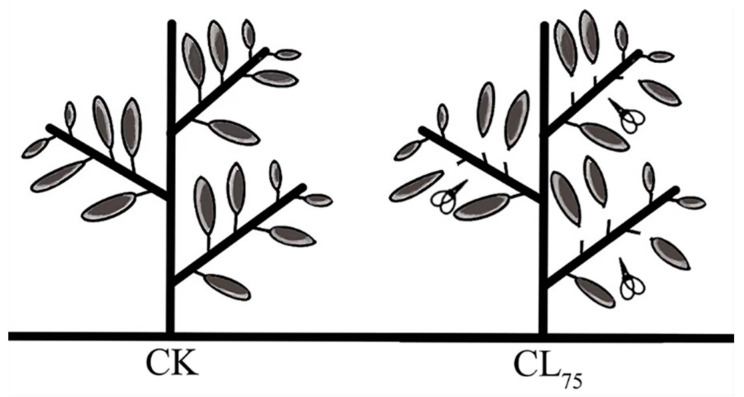 Figure 13
- —State Key Laboratory Incubation Base for Conservation and Utilization of Bio-Resource in Tarim Basin
- —Xinjiang Production and Construction Corps
Peer Reviews
No public reviews on file for this paper yet. If you reviewed it on a platform where reviews are public (OpenReview, ICLR, NeurIPS, ICML), you can paste yours below so the community can read it here.
Videos
No videos yet. Explain this paper in a talk, walkthrough, or lecture? Add one.
Taxonomy
TopicsPlant and Biological Electrophysiology Studies · Plant Gene Expression Analysis · Plant Molecular Biology Research
1. Introduction
As a new cultivar of perennial deciduous trees, Populus talassica × Populus euphratica has been popularized in Northwest China [1]. It possesses the excellent characteristics of both P. talassica (female parent) and P. euphratica (male parent) [2], such as fast growth, straight stems, and salinity–alkalinity and drought tolerance. The growing area and value of P. talassica × P. euphratica are easily reduced by Apocheima cinerarius infestations, animal damage, and human interference, as determined by a field survey of plantations, farmland, and protective forests in Xinjiang. Therefore, studying the molecular mechanisms following P. talassica × P. euphratica leaf damage is beneficial to gain insights into its growth adaptations and defense strategies.
After being subjected to external environmental changes, mechanical damage, or pest-related stress, plants trigger changes in primary and secondary metabolites to enhance their resistance or defenses [3,4]. When the leaves of Populus simonii × Populus pyramidalis ‘Opera 8277’ are damaged, H_2_O_2_ accumulates in the undamaged leaves, and the Catalase (CAT) and Superoxide Dismutase (SOD) activities significantly increase [5]. Leaf damage in Populus deltoides × Populus euramericana ‘Nanlin 895’ resulted in a significant increase in phenylalanine ammonia-lyase (PAL) activity, not only in its own leaves but also in its neighboring plants. It has been hypothesized that neighboring plants might sense volatile organic compounds released by damaged plants in order to activate their own defense mechanisms before being attacked [6]. After leaf-cutting stimulation, the content of flavonoids in Pinus tabuliformis increases, triggering the flavonoid pathway [7].
Transcriptome analysis revealed that after leaf damage to Jatropha curcas, the expression of the ribosome-inactivating protein, CURCIN2, was up-regulated in undamaged leaves, along with significant increases in the contents of jasmonic acid and its derivatives [8]. A total of 919 differentially expressed genes (DEGs) were identified in the progeny of Mimulus guttatus seedlings after leaf damage [9]. These genes were involved in processes such as cell wall and cell membrane development, stress responses, and secondary metabolic pathways. During leaf-cutting stimulations in Arabidopsis thaliana, glutamic acid, which may be a key molecule in the transmission of damage signaling, triggers an increase in calcium ion concentration through glutamate receptor-like ion channels, and this calcium ion concentration increase elicits a defense response in undamaged leaves [10]. In the metabolomics analysis of Catharanthus roseus damaged leaves, significant increases in sugar and phenolic acid metabolites were also found in undamaged leaves [11].
However, there are limited studies on the joint use of transcriptomics and metabolomics in investigating leaf damage-related defense mechanisms and their regulation in woody plants. In this study, we used the dominant tree species of ecological forest and timber forest afforestation, P. talassica × P. euphratica, and through transcriptome and secondary metabolome analyses of the leaves of P. talassica × P. euphratica after a 75% leaf damage treatment (CL_75_), the DEGs and secondary metabolites related to leaf damage were identified. We aimed to analyze the leaf damage-related response mechanisms of the relevant pathways and secondary metabolites in P. talassica × P. euphratica and to further understand its growth adaptations and defense strategies.
2. Results
2.1. Transcriptome Analysis
2.1.1. Quality Control Analysis and Transcriptome Data Annotation
The sequencing results are shown in Table A1. The raw reads of each sample ranged from 43,678,542 to 53,348,448, and after quality filtering, from 41,507,930 to 50,859,102 clean reads were generated. The total was 265,601,850, which accounted for 95.93% of the raw reads. The clean bases of each sample were distributed in the range of 6.23 to 7.63 G, with Q20 exceeding 97.77%, Q30 exceeding 93.55%, and the average GC content being 43.90%. The reads mapped were in the range of 81.08% to 82.46%. The results indicated that the quality of the transcriptome sequencing data was relatively high. A principal component analysis (PCA) is shown in Figure 1A. The three replicates within the group are close to each other, indicating good repeatability of the sample. There is a clear separation trend between groups, with PC1 determining 47.27% of the variation rate, and PC2 determining 17% of the variation rate. A Pearson correlation heatmap is shown in Figure 1B. The correlation coefficients among the three replicate samples of the same treatment were relatively high, and the groups showed certain differences. Thus, the experimental data could be used for subsequent analyses. Then, the KEGG, GO, NR, Swiss-Prot, Pfam, and KOG databases were used to annotate 20,569, 29,591, 34,366, 26,341, 29,274, and 34,034 single genes, respectively.
2.1.2. Screening and Analysis of DEGs
Using |log_2_ fold change| ≥ 1 and FDR < 0.05 as screening criteria, a DEG volcano plot was created, as shown in Figure 2. Compared with the CK treatment, 4078 DEGs were identified under the CL_75_ treatment, with 1207 up-regulated and 2871 down-regulated.
2.1.3. GO Enrichment Analysis of DEGs
The DEGs were GO-annotated and analyzed for their expression functions, as shown in Figure 3. The DEGs in the two groups, having 42 different categorized entries, were enriched in three functional categories: Biological Processes, Cellular Components, and Molecular Functions. The DEGs after the leaf damage treatment were highly concentrated in Biological Processes, which mainly included cellular processes, metabolic processes, response to stimuli, biological regulation, and regulation of biological processes. The DEGs annotated in Cellular Components were mainly categorized into cellular anatomical entities and protein-containing complexes. The DEGs annotated in Molecular Functions were mostly focused on binding, catalytic activity, transcription regulator activity, and transporter activity.
2.1.4. KEGG Enrichment Analysis of DEGs
To further analyze the functional differences in gene expression after the leaf damage treatment, a KEGG pathway classification was performed, as shown in Figure 4A. The enriched DEGs were categorized into 50 subclasses in 5 KEGG pathway branches: cellular processes, environmental information processing, genetic information processing, metabolism, and organismal systems. The metabolism pathway had the highest percentage of DEGs, at 58.51%. Among them, metabolic pathways had the highest number, at 462, followed by biosynthesis of secondary metabolites, at 276. There were also 55 and 42 DEGs in starch and sucrose metabolism and phenylpropanoid biosynthesis, respectively. The percentages of DEGs classified in environmental information processing, organismal systems, and genetic information processing were 18.10%, 16.15%, and 5.42%, respectively. Cellular processes had the smallest percentage of DEGs, at 1.82%.
In comparison with the KEGG database, 2748 DEGs involved after leaf injury to P. talassica × P. euphratica were enriched in 126 metabolic pathways. The top 20 significantly enriched pathway entries were selected to construct scatter plots, as shown in Figure 4B. The top five up-regulated and down-regulated genes in the three most significantly enriched pathways were functionally annotated using the Nr database, as shown in Table 1. The most enriched pathway was plant–pathogen interaction, with 356 DEGs: 30 up-regulated and 326 down-regulated. The second most enriched pathway was the plant hormone signal transduction pathway, with 212 DEGs: 53 up-regulated and 159 down-regulated. The MAPK signaling pathway—plant had 172 DEGs: 18 up-regulated and 154 down-regulated.
2.1.5. Analysis of the Main KEGG Metabolic Pathways
The MAPK signaling pathway—plant is shown in Figure 5. There is up-regulation of pathogenesis-related protein PR1 (LOC105111058), PR4 (LOC105135405), the transcription factor bHLH (LOC105125000), endochitinase WIN6 (LOC105140224, LOC105140204), endochitinase WIN8 (LOC105140947), etc. Serine/threonine-protein kinase OXI1 (LOC105125713), serine/threonine-protein kinase At3g47570 (LOC105124176), and mitogen-activated protein kinase MAPK3 (LOC105113062) are down-regulated. It focuses on regulating and modulating defense responses, pathogen defense, stomatal development, and maintaining the homeostasis of reactive oxygen species.
2.1.6. Transcription Factor Analysis
In this study, the identified DEGs were mainly annotated to 55 transcription factor families, such as AP2/ERF, WRKY, MYB, and NAC, as shown in Table 2. Among the transcription factors, the AP2/ERF family had the most genes, with 66, including 6 up-regulated and 60 down-regulated, followed by the WRKY gene family (5/40, up-/down-regulated), the MYB family (21/25 up-/down-regulated), the NAC family (3/35 up-/down-regulated), bud differentiation B3 (0/8, up-/down-regulated), calmodulin-binding CAMTA (0/4, up-/down-regulated), and Jumonji (0/3, up-/down-regulated). C2C2-Dof (8), mTERF (5), and SET (5) showed up-regulated expression. It is hypothesized that AP2/ERF, WRKY, MYB, and NAC family genes play important roles in the mechanical damage-related processes in P. talassica × P. euphratica.
2.2. Secondary Metabolome Analysis
2.2.1. Qualitative and Quantitative Analyses of Metabolites
The superposition of the total ion current plots on the mass spectrometry detection of the quality control samples in positive and negative ion modes is shown in Figure 6A,B, respectively. The total ion current curves under the two ion modes were basically similar, with more consistent retention times, good peak shapes, and obvious separations, indicating that the mass spectrometry was good at detecting the same samples at different times, with high signal and instrumental stability. Thus, the signal stability of the mass spectrometry for the same sample at different times was good, and the instrumental stability was strong. Figure 6C,D show the MRM metabolite detection multi-peak diagram in positive and negative ion modes, respectively. In total, 665 secondary metabolites were detected, which were categorized into six types: flavonoids (271, 40.75%), phenolic acids (211, 31.73%), alkaloids (88, 13.23%), lignans and coumarins (56, 8.42%), terpenoids (34, 5.11%), and others (5, 0.75%).
2.2.2. PCA and OPLS-DA
A PCA of the CK and CL_75_-treated samples revealed the overall metabolic differences between the groups and the degree of variability in the samples within the groups. As can be seen in Figure 7A, the contributions of the first and second principal components were 33.78% and 20.15%, respectively, and the separation of metabolites was more pronounced, indicating a high degree of consistency in the secondary metabolism data within the groups and in differences between the groups. Compared with a PCA, a PLS-DA can maximize the distinction between groups, which is conducive to finding differential secondary metabolites (DSMs). The scores of the two groups were analyzed and plotted according to the OPLS-DA model, as shown in Figure 7B, to further demonstrate the differences between groups. The horizontal coordinate revealed that the control group and the CL_75_-treated group were far apart and obviously different. The vertical coordinate revealed that the sample points within the CL_75_-treated group were closer together and more strongly clustered, indicating that there was less differentiation and more correlation, and the degree of clustering was higher than in the CK group.
2.2.3. Screening DSMs
As shown in Table 3, based on the OPLS-DA, 30 DSMs were screened. Twenty-one had up-regulated expression levels, and nine had down-regulated expression levels. They were selected using the criteria fold change ≥ 2 or ≤ 0.5 and VIP ≥ 1, and they included flavonoids, terpenoids, phenolic acids, alkaloids, lignans and coumarins, and others. Further screening (P-value < 0.05) yielded 13 significant DSMs, 11 with up-regulated and 2 with down-regulated expression levels. In the order of their multiplicity of difference, 10 flavonoids, rhamnetin, 3,5,3′,4′-tetrahydroxy-7-methoxyflavone, 3-O-methylquercetin, 3-O-acetylpinobanksin, chrysoeriol, 5,7,4′-trihydroxy-3′-methoxyflavone, nepetin (5,7,3′,4′-tetrahydroxy-6-methoxyflavone), acacetin, genkwanin (apigenin 7-methyl ether), prunetin (5,4′-dihydroxy-7-methoxyisoflavone), 6,7,8-tetrahydroxy-5-methoxyflavone, and chrysin, and one terpenoid, 3,19-dihydroxyurs-12-en-28-oic acid (pomolic acid), that were significantly increased. In total, two lignans and coumarins, trans-1,2-dihydrodehydroguaiaretic acid and dehydrodiisoeugenol, were significantly decreased.
2.2.4. Correlation Analysis of DSMs
The DSM correlation network diagram is shown in Figure 8. Among the flavonoids, MWSHY0089 (sakuranetin) and MWSHY0124 (pinocembrin) caused changes in the contents of 29 and 25 metabolites, respectively.
2.2.5. KEGG Enrichment Analysis of DSMs
The DSMs between the two groups were subjected to KEGG annotation, and they were involved in nine metabolic pathways, as shown in Figure 9. The top three pathways that were significantly enriched were ko00944 (flavone and flavonol biosynthesis), ko00730 (thiamine metabolism), and ko00941 (flavonoid biosynthesis).
2.3. Integration Analyses of Transcriptome and Secondary Metabolome
2.3.1. KEGG Enrichment Analysis
The KEGG pathways that were co-enriched in the transcriptome and the secondary metabolome were determined, as were the numbers of DEGs and DSMs shared in each pathway, as shown in Figure 10. The highest number of DEGs, 462, was enriched in the metabolic pathways, followed by biosynthesis of secondary metabolites, with 276 DEGs. Biosynthesis of cofactors was third in the ranking, with 39 DEGs. DSMs were enriched in flavone and flavonol biosynthesis, with five DSMs, flavonoid biosynthesis, with four, and metabolic pathways and biosynthesis of secondary metabolites, with three each.
2.3.2. Correlation Cluster Analysis
All the correlations between DEGs and DSMs were calculated, and a correlation clustering heatmap was constructed (Figure 11). The DEGs between the two groups showed higher negative correlations with flavonoids and terpenoids and higher positive correlations with lignans and coumarins and phenolic acids.
2.3.3. Typical Correlation Analysis
A typical correlation analysis of DEGs and DSMs in the ko00941 (flavonoid biosynthesis) and ko00944 (flavone and flavonol biosynthesis) pathways is shown in Figure 12. The flavonoids 3-O-acetylpinobanksin (mws1174) and sakuranetin (MWSHY0059), which were highly correlated with the genes LOC105107876 and LOC105133057, respectively, were up-regulated and expressed (Figure 12A). However, the flavonoids pinocembrin (MWSHY0124) and chrysin (mws0040) were weakly correlated with other genes. The flavonoid quercitrin (MWS20197), which has a higher correlation with the genes LOC105118853 and LOC105118845, was down-regulated in expression (Figure 12B).
2.3.4. Summary Table for DEGs, DSMs, and Pathways
Based on the above results, it can be concluded that the leaf damage of P. talassica × P. euphratica involves several key transcription factors, such as AP2/ERF, WRKY, MYB, and NAC, and some important genes and metabolites, as well as metabolic pathways, as shown in Table 4.
3. Discussion
3.1. Transcriptome Analysis of P. talassica × P. euphratica in Response to Leaf Damage
Compared with the CK group, 4078 DEGs were identified in the CL_75_-treated group: 1207 were up-regulated and 2871 were down-regulated. These DEGs were most significantly enriched in the plant–pathogen interaction pathway. It was speculated that after leaf damage to P. talassica × P. euphratica, damage-related signals were transmitted into the nucleus, which activated or repressed the transcription of related genes through transcription factors. These factors then up-regulated the expression levels of calcium-binding protein calmodulin-like 23 (LOC105132625) and a leucine-rich repeat receptor-like Ser/Thr-protein kinase (LOC105138044, LOC105129033), which may have induced a hypersensitive response that regulated stomatal opening and closing and cell wall strengthening, resulting in a rapid response to leaf damage. The calmodulin-like gene family is a unique calcium sensor in plants and is involved in signal transduction for growth and development, biotic and abiotic stress responses, and hormone actions in higher plants [12]. Leucine-rich repeat receptor-like kinases are the largest class of receptor-like protein kinases [13], and they act as receptors for signal recognition and participate in signal transduction. They also have important regulatory roles in plant responses to adversity, in growth and development, and in signal transduction [14]. It has been hypothesized that P. talassica × P. euphratica can synergistically resist stress by regulating binding proteins and protein kinases during leaf damage treatments [15]. As shown in Table 2, the expression levels of some calcium-binding proteins and receptor-like protein kinases were reduced after leaf damage to P. talassica × P. euphratica. The decrease in the expression of these substances, to a certain extent, may lead to the blocking of signaling and metabolic pathways in the tree, making it difficult for the tree to respond to external stimuli in a timely manner. This may negatively activate other regulatory genes that jointly help the tree resist damage-related stress.
The mitogen-activated protein kinase (MAPK) cascade pathway, which consists of the MAPKKK-MAPKK-MAPK tertiary protein kinase system, is a signaling pathway commonly existing in eukaryotes that plays a key role in responding to biotic or abiotic stresses, as well as hormonal and developmental signals [16]. Research has revealed that RAF14 and RAF79 may act as key factors in the regulation of nitrogen metabolism by MAPK [17]. It also plays an important function in the early stages of damage signaling to activate downstream defense responses [18,19]. An analysis of the MAPK signaling pathway in plants revealed that most of the key enzymes of the tertiary kinase module have down-regulated expression levels, which induces the up-regulated expression of disease process-related proteins to stimulate stomatal development and responses to pathogens. Moreover, the down-regulated expression levels of the respiratory burst oxidase and Ser/Thr protein kinase disrupt reactive oxygen species homeostasis in vivo. These two pathways were significantly enriched in P. talassica × P. euphratica in response to leaf damage. It has been hypothesized that leaf damage serves as an injury signal, activating pathways associated with resistance to pathogen invasion, which, in turn, exhibit physiological resistance to pathogen infestations that may result from wounding [20,21]. Thus, plant–pathogen interactions and the MAPK signaling pathway in plants play important roles as defense-related pathways that synergize in the early stages of leaf damage to P. talassica × P. euphratica. In addition, in the phytohormone signaling pathway, the abscisic acid receptor PLY4-like, the scarecrow-like protein related to hormone signaling transduction [22], and the transcription activator GLK1-like [23], which is associated with leaf phenotypes, showed up-regulated expression levels. This up-regulation may activate or silence related pathways, thereby regulating hormonal responses and leaf changes, which assist P. talassica × P. euphratica in responding to leaf damage.
3.2. Transcription Factor Analysis of P. talassica × P. euphratica in Response to Leaf Damage
When plants are subjected to mechanical injury, they may regulate the expression of defense-related genes and exercise their functions through a complex signaling series, thereby maximizing adaptation to the environment. In this process, transcription factors play crucial roles as transcription initiation switches. Among them, WRKY transcription factors, which regulate the expression of defense-related genes in plants, play important roles in disease defense, mechanical damage response, and senescence [24,25]. These processes are induced by external factors, which, in turn, positively or negatively regulate the expression of target genes. A screened WIZZ gene encoding a WRKY transcription factor is transiently activated and rapidly accumulates in damaged and undamaged leaves of Nicotiana tabacum [26]. The overexpression of WRKY44 from Hibiscus cannabinus in A. thaliana improves its salt tolerance by positively regulating the expression of the Na^+^/H^+^ anti-transporter protein gene SOS1 [27]. The overexpression of NtWRKY65 significantly reduces the Na^+^ content and increases the K^+^/Na^+^ ratio, which is a key regulator of salt tolerance in N. tabacum [28]. PoWRKY69 is overexpressed in Paeonia ostii, enhancing drought tolerance [29].
In this study, 44 DEGs enriched in the KEGG pathway were annotated to 21 WRKY transcription factors using the Nr database. In the plant–pathogen interaction pathway, the genes annotated as transcription factors WRKY7 (LOC105129145), WRKY65 (LOC105135969), WRKY69 (LOC105137987), and WRKY44 (LOC105110708, LOC105142478) exhibited up-regulated expression levels, which may positively regulate the induced defense-related genes involved in the response to leaf damage in P. talassica × P. euphratica. In A. thaliana, ABA-related mutants induce the down-regulated expression of AtWRKY46, which regulates ABA signaling and growth hormone homeostasis, thereby contributing to the feed-forward prevention of osmotic or salt stress-dependent lateral root inhibition [30]. Thus, the down-regulated expression of genes annotated to WRKY46 in the MAPK signaling pathway may lead to a large H_2_O_2_ accumulation in plants through negative regulation, thereby causing an early defense response, whereas osmotic stress induces the up-regulated expression of the ABA receptor. This up-regulation accelerates the senescence of the damaged parts, thereby insulating the areas from the threat of the external environment. In this manner, senescence acts as a defense. This is similar to the findings in Zoysia japonica [31] in response to leaf damage.
3.3. Secondary Metabolome Analysis of P. talassica × P. euphratica in Response to Leaf Damage
Secondary metabolites play important roles in plant defense against stress and damage. The flavonoid contents of plants significantly increase after mechanical damage, insect damage, and jasmonic acid spraying [7,32]. In this study, 665 secondary metabolites from six major classes were detected using a targeted secondary metabolome analysis. They contained 271 flavonoids and 211 phenolic acids. A total of 30 DSMs, mainly including flavonoids, flavonols, isoflavones, and dihydroflavonoids, were identified, and they were mainly enriched in the pathways of flavonoid and flavonol biosynthesis and flavonoid biosynthesis. Therefore, flavonoids play important roles in responses to leaf damage in P. talassica × P. euphratica. More DSMs showed increased expression than decreased expression, suggesting that the synthesis and accumulation of secondary metabolites were promoted in response to leaf damage in P. talassica × P. euphratica. According to the DSM correlation network diagram, sakuranetin (MWSHY0089) and pinocembrin (MWSHY0124) were associated with the most metabolites, causing changes in the contents of 29 and 25 metabolites, respectively. Thus, it was hypothesized that changes in flavonoid contents following leaf damage in P. talassica × P. euphratica initiate a complex osmoregulatory network to improve the ability of P. talassica × P. euphratica to withstand leaf damage. Flavonoids help to improve plant stress tolerance. For example, flavonoids are involved in the response to salt stress by scavenging free radicals and increasing the antioxidant capacity of Sophora alopecuroides [33]. Sakuranetin is a flavonoid phytochemical in Oryza sativa that is exclusively resistant to rice blast and is effective against pathogenic bacteria [34]. Ginkgo biloba shows a significant increase in total flavonoid content and accumulations of sakuranetin, hesperidin, and cinnamic acid under drought stress conditions, and the flavonoid biosynthesis pathway plays a crucial role in G. biloba in response to drought stress [35]. Here, the leaf damage treatment induced a rapid increase in the flavonoids in the leaves of P. talassica × P. euphratica but had no significant effects on other secondary metabolites. This was probably because the mechanical damage caused by the leaf damage treatment was more of a physical stimulus for P. talassica × P. euphratica, as opposed to a chemical stimulus, like those from diseases and insects. There was a delay in the induction of secondary metabolites, such as hormones and alkaloids.
4. Materials and Methods
4.1. Site Description
The experimental site was located in the seedling base of the 10th Regiment of the 1st Division, Alar, Xinjiang (81°18′08″ E, 40°36′13″ N, with an altitude of 1014 m), which has an extreme continental, arid desert climate in a warm temperate zone. The average annual temperature, sunshine, and precipitation are 12.1 °C, 2568.5 h, and 54.1 mm, respectively. The basic physicochemical properties of the tested soil are shown in Table A2.
4.2. Plant Material and Experimental Treatments
Well-grown, uniform, and pest-free seedlings of P. talassica × P. euphratica were selected as test materials. For leaf cutting 75% (CL_75_), starting from the plant bottom, three out of every four leaves were cut; only fully expanded leaves were cut without damaging the terminal buds (Figure 13). Undamaged healthy plants were used as controls (CKs). Fresh, undamaged leaves were collected 24 h after treatment, mixed thoroughly, and then quickly stored in an ultra-low-temperature refrigerator at −80 °C after treatment with liquid nitrogen. Each treatment had three replicates, with three seedlings per replicate. High-throughput transcriptome sequencing and secondary metabolome analyses were performed by Metware Biotechnology Co., Ltd., Wuhan, China.
4.3. Transcriptome Analysis
Using Illumina sequencing technology, clean reads were compared with the reference genome of P. euphratica (https://ftp.ncbi.nlm.nih.gov/genomes/all/GCF/000/495/115/GCF_000495115.1_PopEup_1.0/ (accessed on 26 July 2023)) using HISAT2 (Version 2.1.0) (https://daehwankimlab.github.io/hisat2/ (accessed on 8 June 2017)) to obtain their positional information on the reference genome or gene [36]. And StringTie (Version 1.3.3) (https://ccb.jhu.edu/software/stringtie/ (accessed on 15 February 2017)) was used to perform quantitative expression analysis on each sample gene [37]. A differential expression analysis between sample groups was carried out using DESeq2 [38,39], and the Benjamini–Hochberg method was used to correct for multiple hypothesis testing probabilities (P-values) to obtain the final FDR value. The criteria |log_2_ (fold change)| ≥ 1 and FDR < 0.05 were used to screen DEGs. The screened DEGs were annotated against the KEGG, GO, KOG, NR, Swiss-Prot, and Pfam databases to obtain the protein functional annotation information corresponding to the DEGs. The DEGs were then analyzed for GO functional enrichment and KEGG metabolic pathway enrichment.
4.4. Secondary Metabolome Analysis
Qualitative and quantitative analyses were conducted by leveraging the Metware database (Metware Biotechnology Co. Ltd. Wuhan, China) and the multiple reaction monitoring mode of triple-quadrupole mass spectrometry. DSMs were screened using the criteria VIP ≥ 1 and fold change ≥ 2 or fold change ≤ 0.5. The metabolites were annotated using the KEGG database [40], and pathway classification and enrichment analyses were performed using the KEGG annotations of the DSMs. Afterward, the associations of DEGs with DSMs were analyzed.
5. Conclusions
In this study, transcriptome and secondary metabolome analyses of CK and CL_75_-treated P. talassica × P. euphratica leaves were performed, and 4078 DEGs (1207 up-regulated and 2871 down-regulated) and 30 DSMs (21 up-regulated and nine down-regulated) were identified. The KEGG enrichment analysis revealed important regulatory pathways, such as the plant–pathogen interaction, MAPK signaling, and plant hormone signaling transduction, and the roles of potential WRKY transcription factors in response to leaf damage were preliminarily analyzed. There were 44 DEGs enriched in the KEGG pathways that encoded 21 WRKY transcription factors. Among them, the genes annotated as transcription factors WRKY7 (LOC105129145), WRKY65 (LOC105135969), WRKY69 (LOC105137987), and WRKY44 (LOC105110708, LOC105142478) exhibited up-regulated expression levels, which may play crucial roles in the response of P. talassica × P. euphratica to damage stress. Flavonoids were the most abundant and up-regulated among the DSMs. They were mainly enriched in the flavone and flavonol biosynthesis and flavonoid biosynthesis metabolism pathways, and sakuranetin and pinocembrin were most frequently associated with the differential metabolites, indicating that they may be the main flavonoids involved in the response to leaf damage in P. talassica × P. euphratica. This study has far-reaching theoretical and practical significance for understanding the response strategies of P. talassica × P. euphratica to leaf damage and for achieving the sustainable management and accurate predictions of artificial forests. The results provide a theoretical basis for further research on the molecular mechanisms of damage tolerance in P. talassica × P. euphratica. In the future, the functions of the relevant genes will be validated, and the regulatory mechanism of WRKY transcription factors will be explored to analyze the regulatory mechanisms of P. talassica × P. euphratica in response to leaf damage.
The reference list from the paper itself. Each links out to its DOI / PubMed record.
- 1Su M.X. Zhang M. Liu Y. Han Z.J. Abscisic acid, paclobutrazol, and salicylic acid alleviate salt stress in Populus talassica × Populus euphratica by modulating plant root architecture, photosynthesis, and the antioxidant defense system Forests 202213186410.3390/f 13111864 · doi ↗
- 2Sun Y. Liu Y. Su M.X. Han Z.J. Shi J.Y. Evaluation of salt and drought tolerances of Populus talassica × Populus euphratica seedlings using leaf anatomical structures and physiological processes Pak. J. Bot.2023551205121410.30848/PJB 2023-4(4) · doi ↗
- 3Li Y. Liu Y. Jin L. Peng R. Crosstalk between Ca 2+ and other regulators assists plants in responding to abiotic stress Plants 202211135110.3390/plants 1110135135631776 PMC 9148064 · doi ↗ · pubmed ↗
- 4Shah A.Z. Ma C. Zhang Y. Zhang Q. Xu G. Yang G. Decoyinine induced resistance in rice against small brown planthopper Laodelphax striatellus Insects 20221310410.3390/insects 1301010435055947 PMC 8781946 · doi ↗ · pubmed ↗
- 5An Y. Shen Y.B. Zhang Z.X. Effects of mechanical damage and herbivore wounding on H 2O 2 metabolism and antioxidant enzyme activities in hybrid poplar leaves J. For. Res.20092015616010.1007/s 11676-009-0027-x · doi ↗
- 6Tang F. Zhao W.L. Gao X.W. Communication between plants: Induced resistance in poplar seedlings following herbivore infestation, mechanical wounding, and volatile treatment of the neighbors Entomol. Exp. Appl.201314911011710.1111/eea.12114 · doi ↗
- 7Zhao Y. Zhou G. Sun T. Wang L. Xu Q. Liu J. Gao B. Metabolites and plant hormones related to the resistance response to feeding stimulation and leaf clipping control in Chinese Pine (Pinus tabuliformis Carr.)Curr. Issues Mol. Biol.2023451086109910.3390/cimb 4502007236826017 PMC 9955327 · doi ↗ · pubmed ↗
- 8Zhang Y. Xiao S. He W. Induction mechanism of ribosome inactivating protein CURCIN 2 under mechanical wounding in Jatropha curcas L.Chin. J. Appl. Environ. Biol.2023295256(In Chinese)