Genome-Wide Identification and Expression Profiling of Plasma Membrane-Localized SWEET Gene Family Associated with Sugar Transport During Yam Tuber Development
Na Li, Yanfang Zhang, Xiuwen Huo, Linan Xing, Mingran Ge, Ningning Suo

TL;DR
This study identifies and characterizes SWEET genes in yam, revealing their role in sugar transport and tuber development.
Contribution
The first genome-wide analysis of SWEET genes in yam, linking their function to sucrose transport and tuber growth.
Findings
Nineteen SWEET genes were identified and predicted to localize to the plasma membrane in yam.
DrSWEET6 and DrSWEET12 transport both hexose and sucrose, with high expression in tubers.
SWEET gene expression increases during tuber development, supporting roles in sucrose unloading and biomass accumulation.
Abstract
This study provides the first comprehensive genome-wide identification and characterization of the SWEET gene family in yam (Dioscorea rotundata), integrating structural bioinformatics, gene expression profiling, and functional validation to explore its roles in sucrose transport and tuber development. A total of 19 SWEET genes were identified and predicted to localize to the plasma membrane, and they showed high phylogenetic conservation with Arabidopsis thaliana, suggesting conserved functions in sugar distribution. Yeast substrate assays revealed that DrSWEET6 and DrSWEET12 are capable of transporting both hexose and sucrose across the plasma membrane, with their expression predominantly observed in the tuber, implicating their involvement in sucrose unloading. Expression profiling indicated high expression levels of the SWEET genes at the tuber apex, which progressively increased…
Genes, proteins, chemicals, diseases, species, mutations and cell lines named across the full text — each resolved to its canonical identifier and authoritative record.
Click any figure to enlarge with its caption.
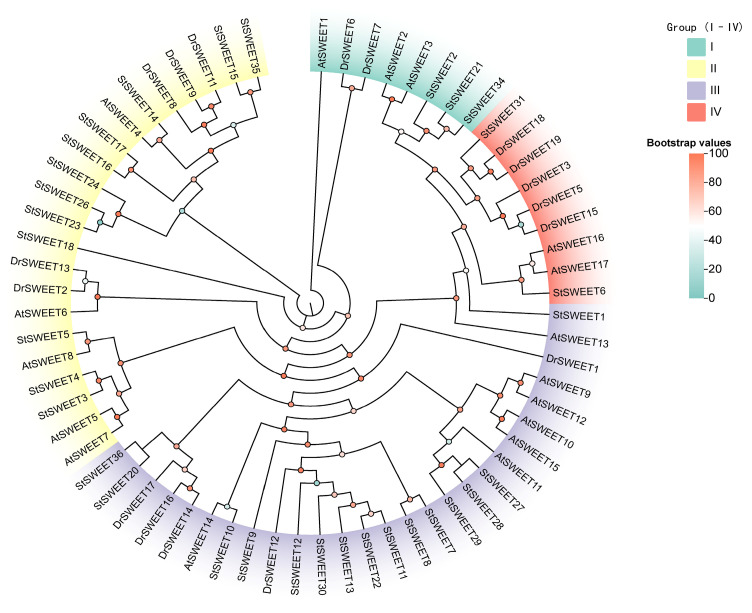 Figure 1
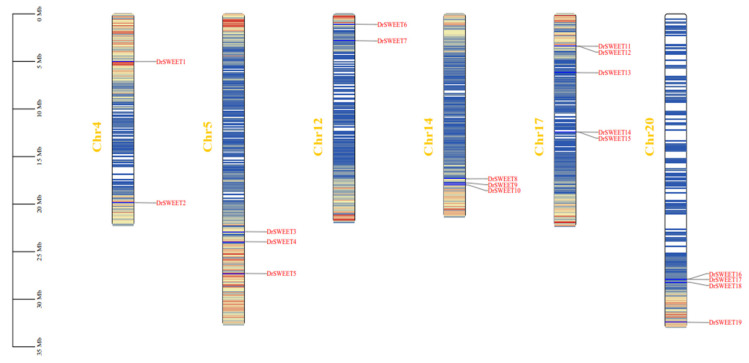 Figure 2
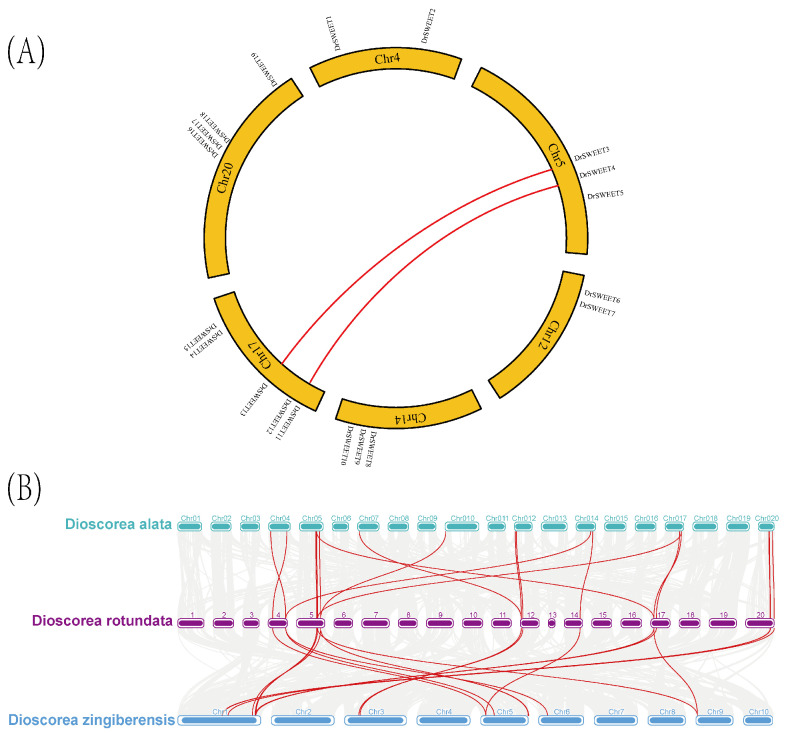 Figure 3
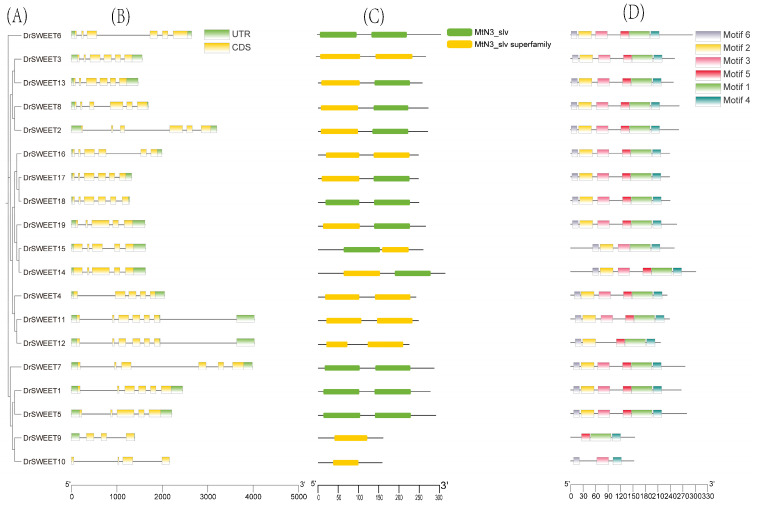 Figure 4
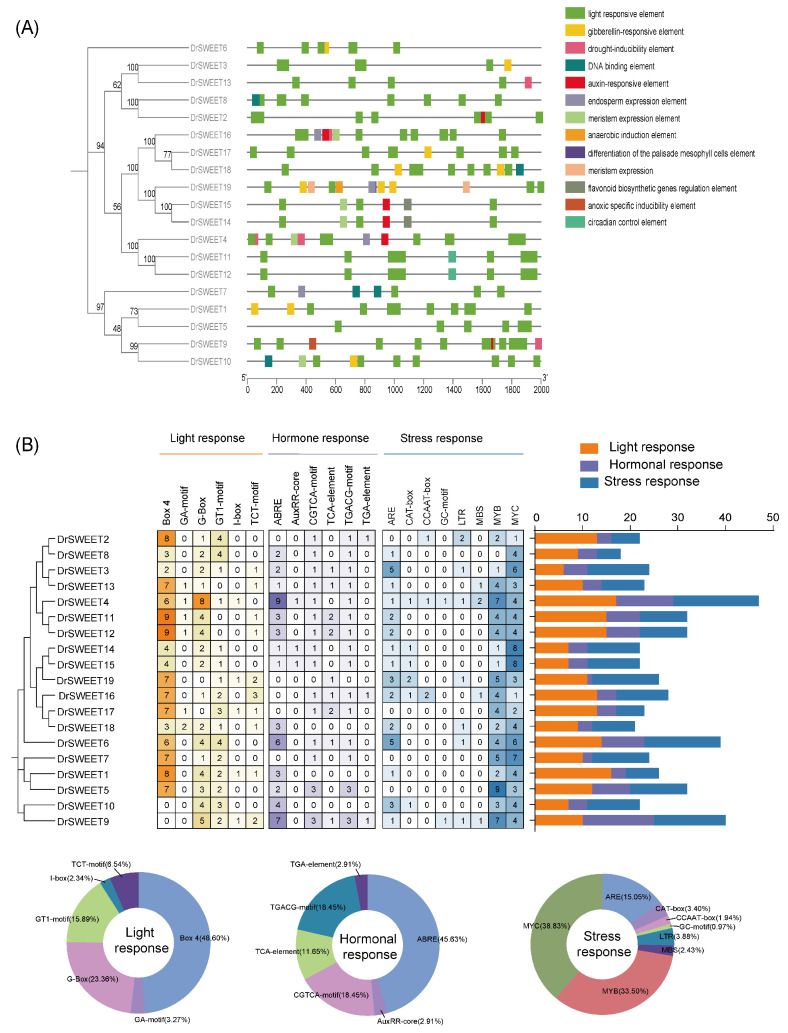 Figure 5
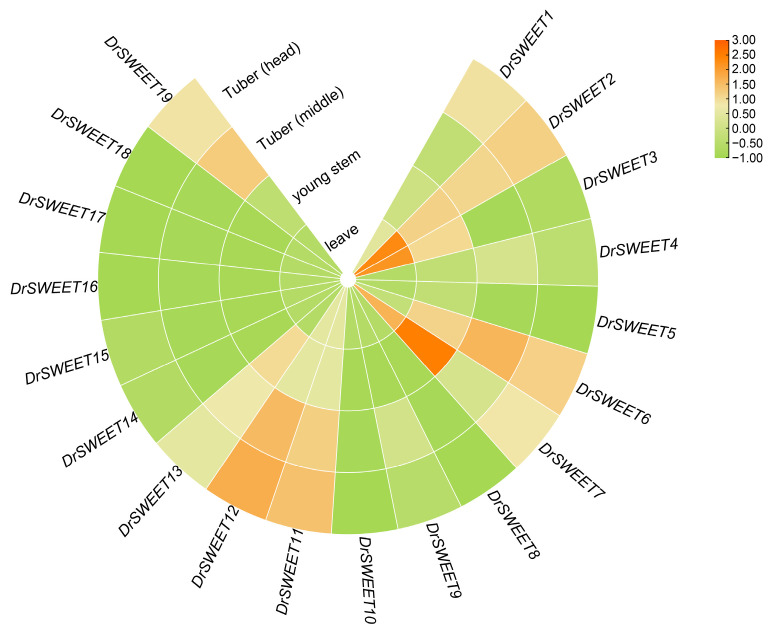 Figure 6
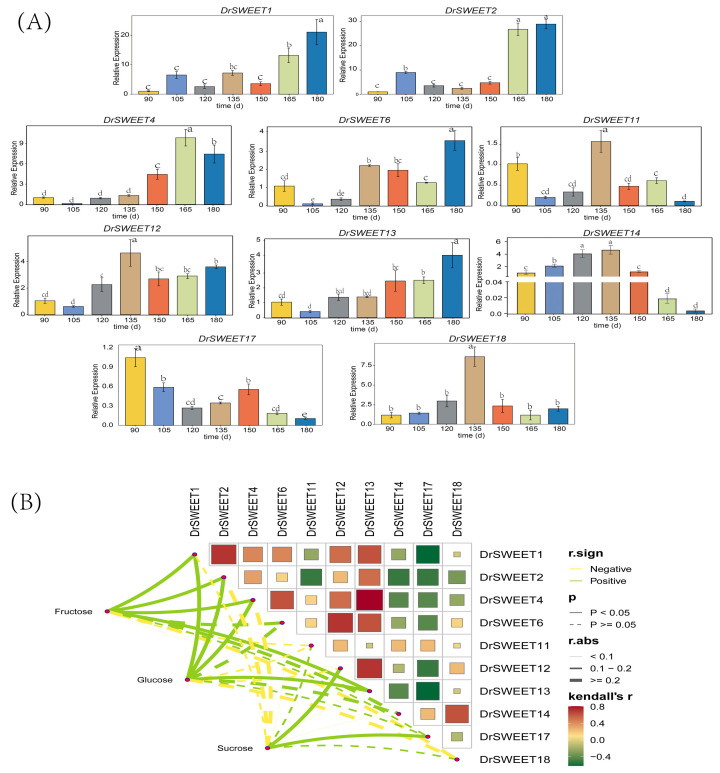 Figure 7
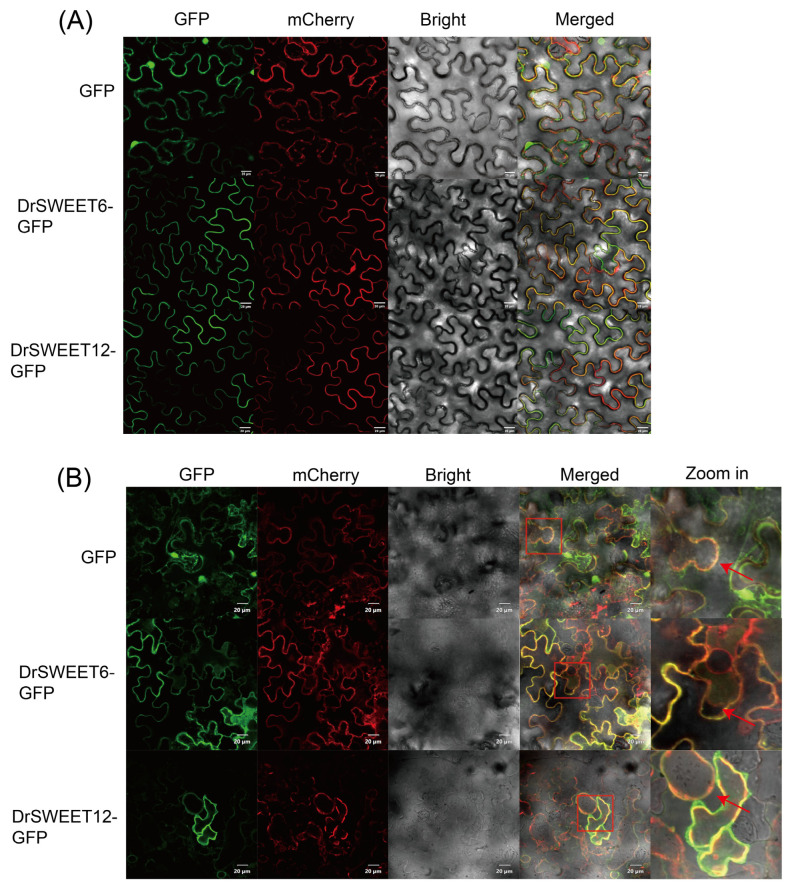 Figure 8
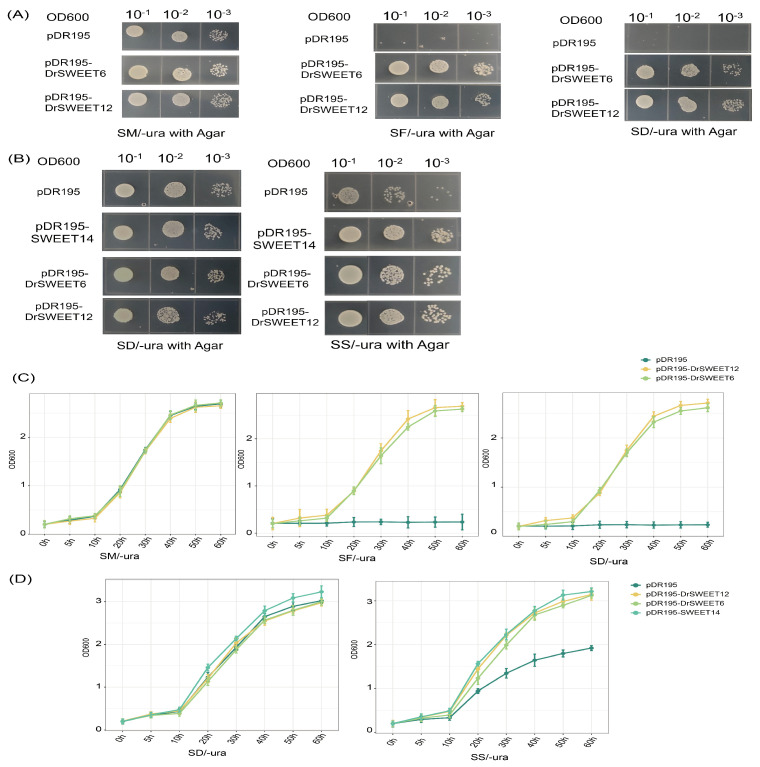 Figure 9
Peer Reviews
No public reviews on file for this paper yet. If you reviewed it on a platform where reviews are public (OpenReview, ICLR, NeurIPS, ICML), you can paste yours below so the community can read it here.
Videos
No videos yet. Explain this paper in a talk, walkthrough, or lecture? Add one.
Taxonomy
TopicsPlant nutrient uptake and metabolism · Potato Plant Research · Polysaccharides and Plant Cell Walls
1. Introduction
Sucrose is synthesized in the leaves of plants and transported through the phloem to vascular tissue for long-distance distribution. SWEET is the final export transporter responsible for effluxing sugars from the plant cell, and it facilitates sugar loading into the phloem through sugar transporters (SUTs) [1,2]. Sugars are then transferred from the phloem to sink tissues, including fruits, tubers, roots, and seeds, where they are stored or utilized [3,4]. In particular, sucrose and other soluble sugars play essential roles in starch granule formation in storage roots [5]. Consequently, changes in how sugars are distributed within the plant can significantly influence starch accumulation.
SWEET (Sugars Will Eventually be Exported Transporters) proteins represent a newly identified class of sugar transporters that are widely distributed across the plant kingdom. These proteins play a critical role not only in the metabolism and transport of sugars within plants but also in their responses to environmental stressors. The SWEET family encompasses a distinctive group of sugar transport proteins that facilitate the bidirectional transport of sucrose and hexoses in both plants and animals [6]. Plant SWEET proteins typically consist of seven transmembrane domains, characterized by two MtN3/saliva (PF03083) motifs located within the cell membrane [7,8].SWEET family members of various evolutionary branches exhibit preferences for transporting different types of sugars. These preferences include hexoses (branches I and II), sucrose (branch III), and fructose (branch IV) [9,10,11]. For example, class III includes the Arabidopsis SWEET genes AtSWEET9-15, which are involved in sucrose transport and play a critical role in starch accumulation [12]. Sugar transporters are central to sugar translocation, regulated by various mechanisms, including transcription factor modulation and post-translational modifications. They are crucial for numerous physiological processes, such as plant defense, long-distance sucrose transport, nutritional and reproductive growth, senescence, and stress responses [13,14,15]. Research on SWEET proteins in different plant species has provided valuable insights into their diverse functions. In tomato fruits, SlSWEET7a and SlSWEET14 negatively regulate sugar transport and storage, while in apples, MdSWEET9b promotes sugar accumulation, shedding light on hormone–sugar metabolic interactions [16]. In soybeans, GmSWEET15 mediates sucrose export from the endosperm to developing embryos, illustrating the protein’s role in seed development. Additionally, in tea plants, CsSWEET17 enhances cold tolerance by interacting with CsLHY [17].In pineapple, SWEET10 has been identified as a potential glucose transporter that could improve fruit yield and quality by modulating the transport activity of AcSWEET10 [18].
Yam, a nutrient-rich tuber, is widely cultivated in Asia, Africa, and the Americas, serving as a major carbohydrate source [19]. Despite its nutritional and agricultural importance, molecular studies on yam are limited, with most focusing on nutritional composition analysis. In particular, the mechanisms of carbohydrate transport during tuber development, especially those involving sucrose translocation, remain poorly understood. While previous studies in other crops have largely focused on gene identification and expression profiling, our study integrates bioinformatics analysis and functional assays to uncover conserved substrate-binding features in yam SWEET proteins, offering novel insights into transporter engineering. Given the key role of sucrose transporters in biomass accumulation and sink organ development, we performed a genome-wide analysis of the SWEET gene family in yam, including phylogenetic relationships, gene structures, and expression profiles across developmental stages. Furthermore, we identified two SWEET proteins, DrSWEET6 and DrSWEET12, with expression patterns linked to key stages of tuber development and validated their substrate specificity through yeast uptake assays. Growth assays in yeast mutant strains further demonstrated that these transporters affect sucrose-dependent growth, confirming their physiological relevance. Together, our results bridge genomic, bioinformatics, and functional analyses to provide new insights into SWEET-mediated carbohydrate transport in yam. This work not only enhances the current understanding of tuber sink strength and sugar allocation but also lays the groundwork for molecular breeding strategies to improve yield and quality in yam and other tuber crops.
2. Results
2.1. Identification of Members of the SWEET Gene Family
The DrSWEET gene family was identified in the Dioscorea genome using HMM (hidden Markov model) searches. Initially, 13 DrSWEET genes were obtained, and further analysis using the SMART database was conducted to filter out incomplete sequences. As a result, a total of 19 DrSWEET genes were identified and designated as DrSWEET1 to DrSWEET19 (Table 1). The DrSWEET protein sequences exhibited varying lengths, ranging from 151 amino acids (DrSWEET10) to 300 amino acids (DrSWEET14), with an average length of 322 amino acids. Their molecular weights (MWs) ranged from 16.77 kDa (DrSWEET10) to 33.68 kDa (DrSWEET14). The isoelectric point (pI) values varied between 5.58 (DrSWEET10) and 9.63 (DrSWEET6), with an average of 8.8. The instability index ranged from 27.54 to 49.59, suggesting varying degrees of protein stability. None of the DrSWEET proteins contained signal peptides, and all were classified as hydrophobic proteins, except for DrSWEET2 and DrSWEET6 (Supplementary Table S3). Secondary structure predictions revealed that the DrSWEET proteins were predominantly composed of random coils (29.77–54.55%), followed by α-helices (24.65–42.82%), extended strands (14.32–20.05%), and β-turns (4.88–8.15%) (Supplementary Table S1). Furthermore, all 19 DrSWEET proteins were predicted to be localized in the cell membrane, suggesting that the SWEET gene family primarily functions in membrane-associated regulatory processes.
2.2. Phylogenetic Analysis and Classification of DrSWEET Proteins
A phylogenetic tree was constructed based on 36 identified DrSWEET proteins and their homologs in the model plant Arabidopsis thaliana and the tuber crop Solanum tuberosum. These proteins were classified into four subfamilies (I–IV) according to sequence similarity (Figure 1). Subfamily I comprised DrSWEET6 and DrSWEET7, clustering together with AtSWEET1, AtSWEET2, AtSWEET3, and StSWEET2.Subfamily II comprised a smaller number of members, including DrSWEET18 and DrSWEET19, which clustered with AtSWEET5 and AtSWEET7, indicating a distinct lineage. Subfamily III contained DrSWEET12, DrSWEET14, DrSWEET16, and DrSWEET17, as well as several potato SWEET proteins (e.g., StSWEET9 and StSWEET10), which were closely related to the Arabidopsis clade III members AtSWEET10–15 and multiple StSWEET homologs, suggesting a relatively conserved evolutionary trajectory. Subfamily IV included DrSWEET3, DrSWEET5, and DrSWEET15, along with AtSWEET16 and AtSWEET17. It is noteworthy that the functions of the SWEET proteins in Arabidopsis have been well characterized, with established roles in sugar transport, plant development, and stress responses. Thus, Arabidopsis SWEETs serve as valuable references for functional inference. In addition, the inclusion of the SWEET homologs in potato, a representative tuber crop, facilitates comparative analyses and highlights the evolutionary conservation and diversification of the SWEET gene family across different plant types. These findings provide a theoretical basis for future functional characterization and potential applications in crop improvement.
2.3. Chromosome Distribution, Duplication Events, and Collinear Analysis of DrSWEET Genes
A chromosomal localization analysis showed that the 19 DrSWEET genes mapped to six chromosomes, with gene numbers ranging from 2 to 5 per chromosome (Figure 2). Chromosome 17 contained the highest number of DrSWEET genes (five; DrSWEET11–DrSWEET15), accounting for 26.32% of the total. Chromosome 20 harbored four genes (DrSWEET16–DrSWEET19), representing 21.05% of the family. The fewest genes were found on chromosomes 4 and 12, each containing two genes (DrSWEET1–DrSWEET2 and DrSWEET6–DrSWEET7, respectively), representing 10.53% of the total. Additionally, the clustering of DrSWEET genes on chromosomes 5 and 14 might result from gene duplication events, which could contribute to the expansion of the gene family and functional diversification.
2.4. Evolutionary Analysis of DrSWEET Genes and Their Expansion in Several Different Species
Gene duplication is a major factor influencing the formation, expansion, and functional diversification of gene families. To better understand the gene duplication events among DrSWEET family members, we analyzed duplication events among the 19 DrSWEET genes in the Dioscorea genome. A total of two pairs of collinear genes, comprising four duplicated genes (21.05%), were identified and mapped across six chromosomes. Specifically, duplicated genes were located on chromosomes 5 (two clusters) and 17 (two clusters). These two pairs of duplicated genes exhibited high sequence homology (Figure 3A), and all were classified as segmental duplications, indicating that the DrSWEET gene family likely expanded through gene duplication events. The presence of segmentally duplicated genes suggests that segmental duplication played a crucial role in the expansion of the DrSWEET gene family and was a major driver of DrSWEET gene evolution. Notably, although multiple segmental duplications were detected during the expansion of the DrSWEET gene family, no tandem duplications were observed. This suggests that the DrSWEET genes expanded independently of closely linked neighboring genes, with limited gene interference in adjacent regions. A comparative synteny analysis revealed that eight DrSWEET genes exhibited synteny with Dioscorea rotundata, followed by Dioscorea zingiberensis and Dioscorea alata. A homology analysis further confirmed that the DrSWEET genes shared 13 syntenic genes with Dioscorea zingiberensis and 16 syntenic genes with Dioscorea alata, indicating a high degree of conservation and evolutionary relevance among these Dioscorea species. The evolutionary relationships and collinearity of the DrSWEET genes in Dioscorea rotundata with those in Dioscorea alata and Dioscorea zingiberensis were analyzed. According to the results shown in the figure, a number of collinear gene pairs were identified among the three Dioscorea species, as indicated by the red lines. Among them, Dioscorea rotundata showed the highest number of collinear pairs with D. alata, indicating a closer genetic relationship between these two species; this suggests that these genes may have played significant roles in plant evolution and may be functionally conserved across diverse plant lineages. These findings highlight the evolutionary conservation and functional importance of DrSWEET genes, providing insights into their potential regulatory roles in Dioscorea and related plant species (Figure 3B).
2.5. Gene Structure and Motif Composition of the DrSWEET Genes
To further explore the structural diversity of the DrSWEET gene family, exon–intron organization was visualized based on genome annotation data. Most DrSWEET genes contained 3–6 exons and 2–5 introns, with the exception of DrSWEET10, which exhibited a markedly reduced structure—comprising only 4 exons and 3 introns—due to an extensive loss of conserved domains. Notably, DrSWEET10 lacked untranslated regions (UTRs), whereas DrSWEET16, DrSWEET17, and DrSWEET18 harbored relatively short 5’ UTRs. Approximately 63.16% of the DrSWEET genes contained six exons and five introns, suggesting a high degree of structural conservation. Despite variation in exon and intron lengths, the overall exon–intron arrangement within each subfamily was largely conserved (Figure 4A,B). To further characterize the structural features and potential functions of DrSWEET genes, their conserved motif compositions were analyzed alongside their gene structures. Six conserved motifs (motifs 1–6) were identified, with each protein containing at least three motifs and up to six, primarily located in the N-terminal region. Proteins with similar motif patterns tended to cluster together phylogenetically, suggesting potential functional similarity within subgroups. With the exception of DrSWEET9 and DrSWEET10, most members contained three or more conserved motifs. Motifs 2, 3, and 6 were frequently observed; they are considered functionally critical, as they often contain MtN3_slv repeat domains, which enhance internal sequence conservation (Figure 4C,D). Motif 1 was present in all DrSWEET proteins, except for DrSWEET10, while motif 5 was absent in DrSWEET10 and DrSWEET15, and motif 3 was missing in DrSWEET9 and DrSWEET12. Notably, DrSWEET14 and DrSWEET15 exhibited motif distributions distinct to those of other members, highlighting structural divergence across subfamilies. Overall, DrSWEET genes within the same subfamily generally displayed similar motif compositions, supporting the hypothesis of conserved functional roles.
2.6. Cis-Regulatory Elements in the Promoters
To investigate the regulatory mechanisms of DrSWEET genes, we performed a cis-regulatory element prediction analysis. Among the DrSWEET genes, DrSWEET19 contained the highest number of binding sites associated with gibberellin biosynthesis regulation. DrSWEET14 and DrSWEET15 had binding sites involved in flavonoid biosynthesis regulation, while only DrSWEET19 contained an HD-Zip 1 element, which is associated with mesophyll cell differentiation. Notably, cis-acting elements related to circadian rhythm regulation were found exclusively in DrSWEET11 and DrSWEET12. We analyzed the cis-regulatory elements within the 2000 bp upstream regions of the DrSWEET genes (Figure 5A). The number of cis-elements varied significantly among genes, with DrSWEET4 containing the highest number (47 elements) and DrSWEET8 containing the lowest number (18 elements). A high frequency of light-responsive elements was observed in the promoter regions of many DrSWEET genes, suggesting their regulation by light signaling pathways. In addition, hormone-responsive elements were widely present, including the CGTCA motif (18.45%) and TCA element (11.65%), which are associated with hormonal signaling. Elements related to light responses included Box 4 (48.60%) and G-Box (23.36%). Stress-related cis-elements were also abundant in DrSWEET promoters, including ABRE (45.63%) for stress responses, ARE (15.05%) for anaerobic induction, MYC (38.83%) and MYB (33.50%) for drought responses, LTR (3.88%) for cold stress, and CAT-box (3.40%) for meristem regulation. To further explore the functional regulation of DrSWEET genes, we visualized key hormone-responsive, growth-related, and stress-related elements (Figure 5B). The results revealed that the majority of DrSWEET promoters contained hormone-related elements, including MeJA (n = 38), ABA (n = 47), SA (n = 12), and IAA (n = 6). Additionally, stress-related cis-elements involved in anaerobic induction (n = 31), drought responses (n = 58), and cold stress responses (n = 8) were identified. Moreover, elements related to plant growth and development regulation, such as light responsiveness (n = 214) and meristem expression (n = 7), were detected. These findings suggest that DrSWEET genes are likely regulated by multiple cis-elements, influencing both growth and stress responses. The presence of multiple cis-regulatory elements in most DrSWEET promoters implies their involvement in diverse stress response networks, suggesting distinct and complex regulatory mechanisms. Furthermore, within the same SWEET gene group, the variation in the type and number of stress- and hormone-responsive elements indicates gene-specific and context-dependent expression patterns (Figure 5B).
2.7. Expression Patterns of DrSWEET Genes in Different Tissues
It illustrates the expression profiles of 19 DrSWEET genes across five tissues in Dioscorea rotundata, based on log_2_-transformed FPKM values. Genes with log_2_(FPKM) > 1.5 were considered to have elevated expression. Several members, including DrSWEET1, DrSWEET2, DrSWEET6, DrSWEET7, DrSWEET11, and DrSWEET12, showed relatively high transcript abundance in leaves and young stems, suggesting roles in early-stage sugar transport. Among these, DrSWEET1 and DrSWEET2 maintained consistently high expression across all tissues.DrSWEET4 was highly expressed in leaves, possibly involved in sugar efflux. DrSWEET13 and DrSWEET14 were predominantly active in young stems and tubers, implying tissue-specific functions in sink organs. In contrast, several genes, including DrSWEET9, DrSWEET10, and DrSWEET19, displayed uniformly low expression, suggesting restricted or condition-dependent activity. These patterns indicate functional divergence within the DrSWEET family, with certain genes exhibiting tissue-specific roles in sugar allocation during plant development (Figure 6).
2.8. Expression Patterns of DrSWEET Genes in Tubers at Different Development Stages
The expression of DrSWEET11, DrSWEET12, DrSWEET14, and DrSWEET18 during tuber development shows an initial increase followed by a decline, indicating the roles of these genes in both the initiation and decline phases. DrSWEET12 and DrSWEET14 peak in early to mid-development, suggesting regulatory functions in sugar translocation for tuber formation. The expression of DrSWEET13 steadily increases, supporting continuous growth, while that of DrSWEET17 decreases, implying an early-stage role. The remaining nine SWEET family members show no expression in tubers, reflecting tissue-specific patterns, likely functioning in other tissues, such as leaves, roots, and reproductive organs, for sugar transport or other processes (Figure 7A). To investigate the potential regulatory relationships between soluble carbohydrates and the SWEET gene family, a Kendall’s correlation analysis was performed between the concentrations of fructose, glucose, and sucrose and the expression levels of DrSWEET genes across different sampling stages (Figure 7B). The analysis revealed that DrSWEET1, DrSWEET2, and DrSWEET4 exhibited significant positive correlations with both fructose and glucose levels (p < 0.05), suggesting their involvement in monosaccharide transport or associated regulatory pathways. Notably, DrSWEET12 displayed a strong and significant positive correlation with sucrose (|r| > 0.2, p < 0.05) and a moderate positive trend with fructose, implying a pivotal role in sucrose translocation and possibly broader carbohydrate metabolism. DrSWEET17 also showed a significant positive correlation with sucrose, further supporting its potential function in sucrose partitioning. In contrast, DrSWEET6 was significantly negatively correlated with both fructose and glucose, particularly with glucose (p < 0.05), indicating a potential repressive role in sugar accumulation or transport. This suggests that DrSWEET6 and DrSWEET12 may exert opposing regulatory effects in carbohydrate dynamics. Additionally, DrSWEET13 was negatively correlated with both fructose and glucose with relatively high coefficients, highlighting its potential role in negative regulation. While DrSWEET14 and DrSWEET18 demonstrated generally positive correlations with all three sugars, most did not reach statistical significance, warranting further functional validation. Collectively, these results reveal a complex and differential association between DrSWEET gene expression and sugar levels, emphasizing the potential central roles of DrSWEET6 and DrSWEET12 in the regulation of carbohydrate metabolism in Dioscorea rotundata.
2.9. Subcellular Localization of DrSWEET Proteins
To determine the subcellular localization of DrSWEET proteins, two representative genes, DrSWEET12 and DrSWEET6, were selected to construct GFP fusion proteins (DrSWEET12-GFP and DrSWEET6-GFP), which were cloned into the pCAMBIA1302-GFP vector and expressed under the control of the CaMV 35S promoter. The selection of these genes was based on the following criteria: both exhibit the highest and most stable expression levels across all tuber bulking stages (90–180 DAP) in the RNA-seq data; they belong to two evolutionarily distinct clades (clades I and III), thus representing structural diversity; and they share high sequence similarity with known sucrose transporters, such as AtSWEET9–AtSWEET15, making them strong candidates for functional validation. The fusion constructs were transiently expressed in Nicotiana benthamiana epidermal cells and co-expressed with the plasma membrane marker pCAMBIA1300-35S-PM-mCherry (Figure 8A). To further verify membrane localization, after treating the tobacco leaf samples with 30% sucrose solution for 5 min to induce plasmolysis, we performed confocal microscopy to examine the subcellular localization of the GFP fusion proteins. The GFP fluorescence signal remained tightly associated with the plasma membrane marker (pCAMBIA1300-35S-PM-mCherry) even after plasmolysis, showing strong co-localization without any noticeable displacement into the cytoplasm. Notably, in the magnified regions highlighted by red boxes (Zoom in), the GFP and mCherry signals precisely overlap along the plasma membrane contour. These results provide further evidence that the target proteins are localized to the plasma membrane and effectively exclude the possibility of cytosolic or organellar localization (Figure 8B).
2.10. Transport Substrate Specificity of DrSWEET6 and DrSWEET12 in Yeast
In this study, the ability of two DrSWEET proteins to transport hexoses and sucrose was investigated through heterologous expression of their cDNAs in the hexose transporter-deficient yeast strain EBY.VW4000 and the sucrose uptake-deficient strain SUSY7/ura3. The latter lacks extracellular invertase and thus cannot utilize external sucrose as the sole carbon source, but exhibits sucrose synthase activity that enables metabolism of sucrose transported by exogenous transporters (Figure 9A). The open reading frames of DrSWEET6 and DrSWEET12 were cloned into the yeast expression vector pDR195 to generate pDR195-DrSWEET6 and pDR195-DrSWEET12. Expression of these constructs restored the growth of EBY.VW4000 in media supplemented with glucose or fructose (Figure 9B). Similarly, SUSY7/ura3 cells expressing DrSWEET6, DrSWEET12, or the positive control AtSWEET14 grew faster than control cells in sucrose-only medium, indicating their ability to mediate sucrose uptake. To further characterize substrate specificity, growth curve analyses were performed. In glucose (SM-ura), fructose (SF-ura), and maltose (SD-ura) media EBY.VW4000 cells expressing DrSWEET6 or DrSWEET12 showed markedly enhanced growth compared to the empty vector control, confirming their hexose transport capability (Figure 9C). In sucrose-supplemented media (SS-ura), SUSY7/ura3 cells expressing DrSWEET6, DrSWEET12, or AtSWEET14 also exhibited significantly increased growth relative to the control (Figure 9D), with growth kinetics comparable to the positive control, indicating efficient sucrose transport. These quantitative growth analyses, together with complementation assays, demonstrate that DrSWEET6 and DrSWEET12 can transport both mono- and disaccharides, highlighting their dual substrate specificity and reinforcing the functional conservation of SWEET transporters across different clades.
3. Discussion
Carbohydrates are exported by the SWEET transporter family, a novel class of sugar transporters that mediate transmembrane movement and facilitate long-distance translocation from source to sink tissues. Sugars play pivotal roles in regulating diverse physiological processes by modulating apoplastic and symplastic sugar concentrations. A phylogenetic analysis of Dioscorea rotundata SWEET (DrSWEET) genes revealed four major clades (I–IV), consistent with the classification established in Arabidopsis thaliana. SWEET genes have been identified across a range of plant species, including 21 in rice (Oryza sativa) [20], 105 in wheat (Triticum aestivum L.) [21], 23 in sorghum (Sorghum bicolor) [22], and 52 in soybean (Glycine max) [23]. The expansion of SWEET gene family members across plant lineages suggests functional diversification to accommodate species-specific physiological needs. A subcellular localization analysis indicated that most DrSWEET proteins are localized to the plasma membrane and that all members possess the conserved MtN3/saliva domain, underscoring the evolutionary conservation of this gene family [24].Based on phylogenetic analyses, the SWEET proteins in plants are generally classified into four clades [25]. In Arabidopsis, clades I and II primarily mediate hexose transport. For instance, OsSWEET5 and AtSWEET1 are responsible for transporting galactose and glucose across the plasma membrane, respectively [6,26]. Clade III members are predominantly sucrose transporters, facilitating sucrose efflux from phloem parenchyma cells into the apoplast, enabling phloem loading and long-distance transport [1]. DrSWEET6 and DrSWEET12, two plasma membrane-localized SWEET transporters identified in yam, have been shown to mediate the transport of both hexoses and sucrose. SWEET proteins are recognized as bidirectional transporters that facilitate both the cellular uptake and efflux of sugars [6]; however, substrate specificity varies among SWEET family members [14].A phylogenetic analysis revealed that DrSWEET6 and DrSWEET12 belong to clades I and IV, respectively. Our results demonstrate that both transporters localize to the plasma membrane and are capable of transporting glucose, fructose, and sucrose. Similar observations have been made in other species; for example, AcSWEET10 in clade II in pineapple functions as a glucose transporter [18], while VvSWEET10 in clade III in grapevine has been characterized as a hexose-preferring transporter [27]. These findings suggest that the substrate specificity of SWEET proteins may be species-dependent and influenced by evolutionary divergence across different clades.
Gene duplication has played a fundamental role in the evolutionary diversification of the SWEET gene family. A comparative evolutionary analysis of Cucumis sativus showed that 96% of SWEET gene pairs have Ka/Ks ratios below 1, indicative of strong purifying selection [28]. This trend has also been observed in species such as Juglans, Capsicum annuum, and Helianthus annuus [29,30,31]. Similarly, DrSWEET genes appear to be under strong evolutionary constraint, suggesting the conservation of essential functions in sucrose transport. Notably, DrSWEET3 exhibited a slightly elevated Ka/Ks ratio (Supplementary Table S2), which may reflect potential neofunctionalization or subfunctionalization, possibly related to enhanced sucrose unloading in tuber tissues under specific developmental or environmental signals. Further biochemical and transport assays are required to validate this hypothesis. The functional specificity of DrSWEET genes is closely linked to their transcriptional regulation, particularly in response to environmental stresses. A cis-element analysis of promoter regions revealed the presence of complex regulatory motifs associated with plant development and stress adaptation. For instance, DrSWEET19 contained the highest number of gibberellin-responsive elements and an HD-Zip 1 element, implying a role in growth regulation [32]. DrSWEET14 and DrSWEET15 carried elements involved in flavonoid biosynthesis, while light- and hormone-responsive elements were broadly distributed, suggesting regulation by multiple signaling pathways [31,33]. Stress-related motifs, including MYC and MYB for drought, as well as LTR for cold responses, further support the involvement of DrSWEET genes in abiotic stress tolerance [8,34]. Collectively, these regulatory features indicate that DrSWEET genes are subject to multifaceted control by both environmental and endogenous signals [35]. Expression profiling across various tissues revealed complex regulatory dynamics during tuber development in Dioscorea rotundata. A cluster analysis of expression patterns suggested both coordinated regulation and functional divergence among DrSWEET members. DrSWEET2, DrSWEET7, DrSWEET1, DrSWEET6, DrSWEET11, and DrSWEET12 were highly expressed in multiple tissues, particularly in leaves, indicating potential involvement in phloem loading and long-distance sugar transport from source to sink tissues. This observation aligns with previous findings in Arabidopsis showing that AtSWEET11 and AtSWEET12 facilitate sucrose efflux from source tissues [36]. Notably, DrSWEET2 maintained consistently high expression across all tissues, suggesting a central role in maintaining sugar homeostasis. DrSWEET11 and DrSWEET12 showed elevated expression in tubers, supporting a role in sucrose unloading during starch accumulation and cell expansion—critical processes in tuber swelling. In contrast, DrSWEET13 and DrSWEET4 exhibited tissue-specific expression in young stems and tubers but were weakly expressed in leaves, indicating specialized roles in sink tissue sugar allocation. DrSWEET3 was preferentially expressed in leaves and young stems, similar to SlSWEET4 in tomato [37] and OsSWEET1 in rice [38], suggesting functional conservation in sugar transport at the source end. Meanwhile, the low expression of some DrSWEET genes in storage organs may point to regulatory or signaling roles rather than direct sugar transport. Given that tubers serve as the primary sink organs in Dioscorea rotundata, the spatial and temporal expression dynamics of DrSWEET genes underscore their importance in coordinating sugar distribution and developmental progression. These results lay the groundwork for future functional analyses of individual SWEET transporters in yam, especially regarding their roles in carbohydrate metabolism and environmental adaptation [39]. Furthermore, the elevated expression of several DrSWEET genes during mid-tuber development likely corresponds to the peak phase of tuber expansion. This stage is characterized by intense cell division and enlargement, necessitating enhanced sugar transport and carbohydrate accumulation. The upregulation of DrSWEET12, DrSWEET13, and DrSWEET14 highlights their involvement in meeting energy demands and supporting biomass accumulation and structural development during this critical period [40]. These dynamic expression patterns emphasize the stage-specific and functionally diverse roles of DrSWEET genes in tuber development.
4. Materials and Methods
4.1. Plant Materials
An experiment was conducted with yam, cultivated in sandy loam soil at the experimental site of Inner Mongolia Agricultural University during a recent growing season. A complete block design was used for planting, with each row containing 80–90 plants and a spacing of 80 cm between rows. To investigate the developmental progression of yam, samples were collected from various plant tissues, including the head and middle sections of tubers, stems, and leaves, at several growth stages: 90 days (early tuber initiation), 105 days (early tuber bulking), 120 days (mid tuber bulking), 135 days (peak tuber bulking), 150 days (late tuber bulking), 165 days (end of tuber bulking), and 180 days (maturity) after planting. For each sampling time point, three biological replicates were chosen for RNA extraction. The tuber samples collected at 90 days were immediately flash-frozen in liquid nitrogen and stored at −80 °C for subsequent analysis.
4.2. Identification of the SWEET Genes in Yams
We downloaded the whole-genome and proteome data of “Dioscorea zingiberensis“, “Dioscorea alata”, and “Dioscorea rotundata” from the Yam Omics database (https://biotec.njau.edu.cn/yamdb/, accessed on 18 December 2024) [19]. The SWEET protein sequences of Dioscorea rotundata were obtained from NCBI (https://www.ncbi.nlm.nih.gov/datasets/genome/GCF_009730915.1/, accessed on 18 December 2024), and the AtSWEET protein sequences were obtained from the Arabidopsis Information Resource (TAIR, version 10, http://www.arabidopsis.org, accessed on 18 December 2024) [41]. A local protein database was created, and BLASTP (E-value < 1 × 10^−5^) was used to identify potential SWEET family members by aligning the sequences. In addition, the HMM file for the SWEET domain (PF13347) was retrieved from the Pfam database (http://pfam-legacy.xfam.org/, accessed on 18 December 2024) [42], and HMMER v3.3.2 software was applied to detect possible SWEET proteins [43]. Candidate sequences were further verified by submitting them to SMART (http://smart.embl-heidelberg.de/, accessed on 18 December 2024) [44], and to ensure the integrity of the SWEET domain, we compared the identified SWEET family members using tools from the NCBI CDD (https://www.ncbi.nlm.nih.gov/cdd, accessed on 18 December 2024) [45]. To predict the molecular characteristics of the SWEET proteins, including length, molecular weight, theoretical isoelectric point, instability coefficient, hydrophobicity, and average hydrophilicity, we used the ProtParam tool (https://web.expasy.org/protparam/, accessed on 18 December 2024) [46]. Additionally, the transmembrane structure, subcellular localization, and secondary structure of the SWEET family members in Dioscorea rotundata were predicted using TMHMM2.0 [47] (https://services.healthtech.dtu.dk/services/TMHMM-2.0/, accessed on 18 December 2024) Cell-PLoc (http://www.csbio.sjtu.edu.cn/bioinf/Cell-PLoc-2/, accessed on 18 December 2024) and SOPMA (https://npsa-prabi.ibcp.fr/cgi-bin/npsa_automat.pl?page=npsa_sopma.html, accessed on 18 December 2024).
4.3. Multiple Sequence Alignment and Phylogenetic Analysis of SWEET Genes
To investigate the phylogenetic relationships of SWEET genes, the SWEET protein sequences of Arabidopsis thaliana and Dioscorea rotundata were retrieved from the UniProt database (https://www.uniprot.org, accessed on 18 December 2024) for the construction of a neighbor-joining (NJ) phylogenetic tree. The SWEET protein sequences of all plant species were aligned using ClustalX 1.81. A phylogenetic tree, including multiple plant species (Arabidopsis thaliana and Dioscorea rotundata), was constructed by using Mega11.0 with the NJ method, selecting the Poisson model, and performing 1000 bootstrap replications for validation. Prior to tree construction, we aligned the amino acid sequences of the DrSWEET and AtSWEET genes using ClustalX 1.81.(Supplementary Table S3). The DNA and cDNA sequences of the DrSWEET gene were used to predict intron structures via the online Gene Structure Display Server (GSDS) 2.0 (http://gsds.gao-lab.org/, accessed on 18 December 2024). The conserved motifs of the SWEET proteins in various plant species were identified using MEME software (http://meme.nbcr.net/meme/intro.html, accessed on 18 December 2024) [48].
4.4. Chromosomal Mapping, Gene Replication, and Syntenic Analysis with Other Plant Species
The physical locations of the DrSWEET genes were obtained from the genome annotation file downloaded from the Yam Genomics Database and visualized with Tbtools. The collinear relationships of the DrSWEET genes were analyzed using Dual Synteny Plotter software (https://github.com/CJ-Chen/TBtools-II, accessed on 18 December 2024). The tandem replication and segmental replication events in the DrSWEET genes were analyzed using multiple collinear scanning toolkits (MCScanX). All DrSWEET genes were found to be located on the 8 chromosomes of Dioscorea rotundata. The SWEET collinearity pairs between “Dioscorea zingiberensis”, “Dioscorea alata”, and “Dioscorea rotundata” were extracted in Tbtools and used for collinearity mapping [49].
4.5. Identification of Cis-Regulatory Elements in the Promoter Regions of Pear SWEET Genes
To allow for the identification of cis-regulatory elements in the promoter regions of SWEET genes, TBtools was used to extract the DNA sequence 2000 bp upstream of the SWEET promoter region in the yam genome. These genes were submitted to the PlantCARE database (http://bioinformatics.psb.ugent.be/webtools/plantcare/html/, accessed on 28 April 2024) [50]. Cis-acting elements were identified, and stress response, plant growth and development, and hormone response elements were screened.
4.6. Expression of DrSWEET Genes According to Quantitative Real-Time Polymerase Chain Reaction (qRT-PCR)
The qRT-PCR primers for the DrSWEET genes were designed using Primer 5 (https://www.premierbiosoft.com/index.html, accessed on 28 April 2024), and the specific primer information is provided in (Supplementary Table S4),. In this experiment, the internal reference gene used was UBQ [36]. The primers used in our experiments were synthesized by Sangon Biotech (Shanghai) Co., Ltd. (Shanghai, China) The company’s website is:https://www.sangon.com. qRT-PCR analysis was conducted using SYBR® Premix ExTaq™ II (Tli RNaseH Plus, RR820A; TaKaRa Biotechnology, Dalian, China) on an FTC-3000P system (Funglyn Biotech, Toronto, ON, Canada), according to the manufacturer’s Gene expression data were calculated using the 2^−ΔΔCT^ method. The experiments were conducted with three biological replicates, and three technical replicates were performed for each biological replicate [51].
4.7. Transcriptome Data Analysis
A transcriptome data analysis was conducted based on publicly available databases. Transcriptome datasets of yam (Dioscorea rotundata) corresponding to different tissue types—including the young stem, mature stem, middle tuber, and tuber apex—were retrieved from the NCBI Sequence Read Archive under project PRJDB3383 (https://www.ncbi.nlm.nih.gov/sra/?term=DRR063126). The aim was to investigate gene expression patterns in distinct yam tissues. The OmicStudio platform (Maiwei Cloud) was employed to generate heatmaps for the visualization of differential gene expression levels. The quantification of sucrose, glucose, and fructose in yam tubers was carried out according to established physiological methods described in previous studies [52].
4.8. Yeast Complementation Assay
A yeast complementation assay was carried out using the hexose transport-deficient yeast strain EBY.VW4000 and the mutant strain SUSY7/ura3, both purchased from PyPoint (https://www.pytbio.com/). To perform the complementation experiments in Saccharomyces cerevisiae cells, the orfs of two SWEET genes, each containing XhoI and BamHI restriction sites, were cloned into the yeast expression vector pDR195. The recombinant plasmids pDR195-DrSWEET6 and pDR195-DrSWEET12, the empty vector pDR195, and the positive control vector pDR195-SWEET14 were transformed into competent cells of EBY.VW4000 and SUSY7/ura3. The transformation products of EBY.VW4000 were plated on SM/-Ura agar plates, while those of SUSY7/ura3 were plated on SD/-Ura agar plates. Positive clones obtained from the EBY.VW4000 competent cells were resuspended in sterile saline and adjusted to an OD600 of 0.2. These cells were then serially diluted by factors of 100 and 1000, and 2.5 µL of each dilution was spotted onto SM/-Ura agar plates (supplemented with maltose), SF/-Ura agar plates (supplemented with fructose), and SD/-Ura agar plates (supplemented with glucose), followed by incubation at 30 °C for 3–5 days. Positive clones obtained from SUSY7/ura3 competent cells were similarly resuspended in sterile saline, adjusted to an OD600 of 0.2, and 2.5 µL of each dilution was spotted onto SD/-Ura agar plates (supplemented with glucose) and SS/-Ura agar plates (supplemented with sucrose), with incubation at 30 °C for 3–5 days.
5. Conclusions
Despite its nutritional and agricultural importance, molecular studies on yam are limited, with most focusing on nutritional composition analysis. In particular, the mechanisms of carbohydrate transport during tuber development, especially those involving sucrose translocation, remain poorly understood. While previous studies in other crops have largely focused on gene identification and expression profiling, our study integrates bioinformatics analysis and functional assays to uncover conserved substrate-binding features in yam SWEET proteins, offering novel insights into transporter engineering. Given the key role of sucrose transporters in biomass accumulation and sink organ development, we performed a genome-wide analysis of the SWEET gene family in yam, including phylogenetic relationships, gene structures, and expression profiles across developmental stages. Furthermore, we identified two SWEET proteins, DrSWEET6 and DrSWEET12, with expression patterns linked to key stages of tuber development, and validated their substrate specificity through yeast uptake assays. Growth assays in yeast mutant strains further demonstrated that these transporters affect sucrose-dependent growth, confirming their physiological relevance. Together, our results bridge genomic, bioinformatics, and functional analyses to provide new insights into SWEET-mediated carbohydrate transport in yam. This work not only enhances the current understanding of tuber sink strength and sugar allocation but also lays the groundwork for molecular breeding strategies to improve yield and quality in yam and other tuber crops.
The reference list from the paper itself. Each links out to its DOI / PubMed record.
- 1Chen L.-Q. Qu X.-Q. Hou B.-H. Sosso D. Osorio S. Fernie A.R. Frommer W.B. Sucrose efflux mediated by SWEET proteins as a key step for phloem transport Science 201233520721110.1126/science.121335122157085 · doi ↗ · pubmed ↗
- 2Comtet J. Turgeon R. Stroock A.D. Phloem Loading through Plasmodesmata: A Biophysical Analysis Plant Physiol.201717590491510.1104/pp.16.0104128794259 PMC 5619879 · doi ↗ · pubmed ↗
- 3Liu W. Jiang H. Zeng F. The sugar transporter proteins in plants: An elaborate and widespread regulation network—A review Int. J. Biol. Macromol.202529413925210.1016/j.ijbiomac.2024.13925239755309 · doi ↗ · pubmed ↗
- 4Wang Z. Wei X. Yang J. Li H. Ma B. Zhang K. Zhang Y. Cheng L. Ma F. Li M. Heterologous expression of the apple hexose transporter Md HT 2.2 altered sugar concentration with increasing cell wall invertase activity in tomato fruit Plant Biotechnol. J.20201854055210.1111/pbi.1322231350935 PMC 6953210 · doi ↗ · pubmed ↗
- 5Gibson S.I. Control of plant development and gene expression by sugar signaling Curr. Opin. Plant Biol.200589310210.1016/j.pbi.2004.11.00315653406 · doi ↗ · pubmed ↗
- 6Chen L.-Q. Hou B.-H. Lalonde S. Takanaga H. Hartung M.L. Qu X.-Q. Guo W.-J. Kim J.-G. Underwood W. Chaudhuri B. Sugar transporters for intercellular exchange and nutrition of pathogens Nature 201046852753210.1038/nature 0960621107422 PMC 3000469 · doi ↗ · pubmed ↗
- 7Yuan M. Wang S. Rice Mt N 3/Saliva/SWEET Family Genes and Their Homologs in Cellular Organisms Mol. Plant 2013666567410.1093/mp/sst 03523430047 · doi ↗ · pubmed ↗
- 8Gautam T. Dutta M. Jaiswal V. Zinta G. Gahlaut V. Kumar S. Emerging Roles of SWEET Sugar Transporters in Plant Development and Abiotic Stress Responses Cells 202211130310.3390/cells 1108130335455982 PMC 9031177 · doi ↗ · pubmed ↗