Development and In Vitro Characterization of [3H]GMC-058 as Radioligand for Imaging Parkinsonian-Related Proteinopathies
Andrea Varrone, Vasco C. Sousa, Manolo Mugnaini, Sandra Biesinger, Gunnar Nordvall, Lee Kingston, Ileana Guzzetti, Charles S. Elmore, Dan Sunnemark, Dinahlee Saturnino Guarino, Sjoerd J. Finnema, Magnus Schou

TL;DR
Researchers developed and tested a new radioligand, [3H]GMC-058, that can detect abnormal protein deposits linked to Parkinson's disease and related disorders in laboratory experiments.
Contribution
The study introduces [3H]GMC-058 as a novel radioligand with potential for imaging α-synuclein and tau pathologies in neurodegenerative diseases.
Findings
[3H]GMC-058 showed specific binding to α-synuclein inclusions in Parkinson’s disease and multiple-system atrophy.
The radioligand also co-localized with tau pathology in progressive supranuclear palsy and corticobasal degeneration.
In vitro KD values indicated highest binding affinity in Alzheimer’s disease followed by tauopathies.
Abstract
The molecular imaging of α-synuclein (α-syn) pathology in Parkinson’s disease (PD) and related movement disorders is a clinically unmet need. The aim of this study was to discover and characterize in vitro a radioligand for imaging α-syn pathology. A library of 78 small molecules was developed and screened using recombinant α-syn fibrils and brain homogenates from Alzheimer’s disease (AD) donors. The selection criteria were as follows: Kiα-syn < 30 nM, Kitau and KiA-β > 200 nM. Three compounds, GMC-073 (Kiα-syn: 8 nM), GMC-098 (Kiα-syn: 9.7 nM), and GMC-058 (Kiα-syn: 22.5 nM), fulfilled the criteria and were radiolabeled with 3H. [3H]GMC-058 was the only compound with negligible binding in controls, and was further evaluated using tissue microarrays, autoradiography on fresh-frozen brain slices, and in vitro saturation binding assay on brain homogenates. [3H]GMC-058 binding co-localized…
Genes, proteins, chemicals, diseases, species, mutations and cell lines named across the full text — each resolved to its canonical identifier and authoritative record.
Click any figure to enlarge with its caption.
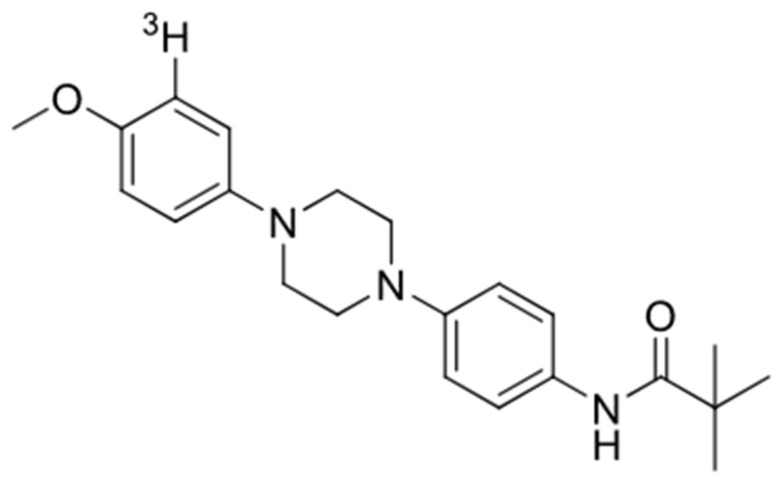 Figure 1
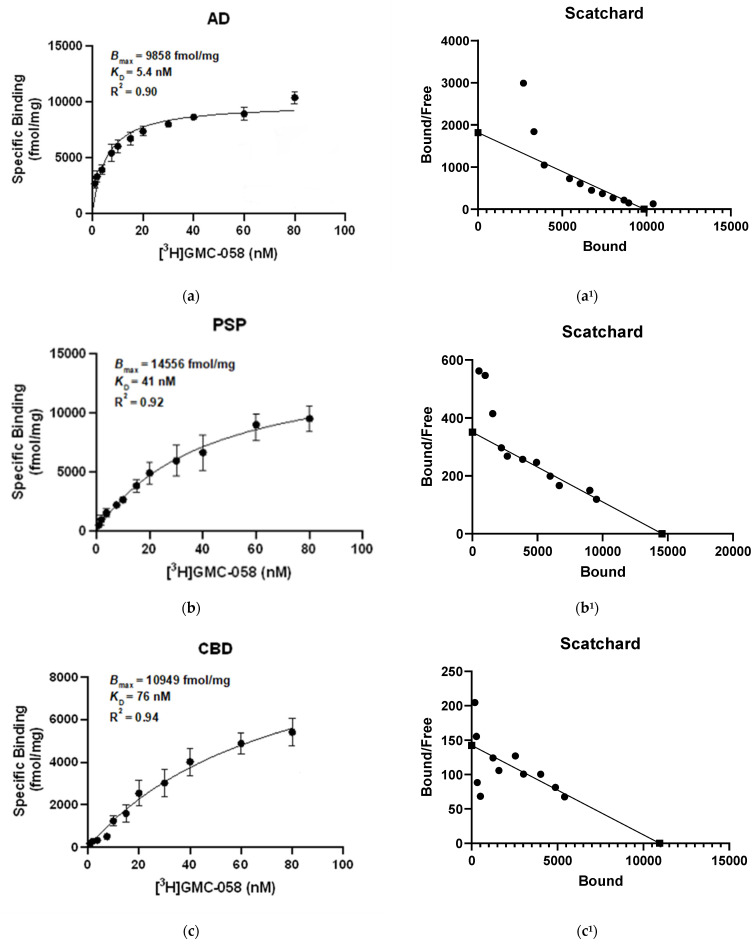 Figure 2
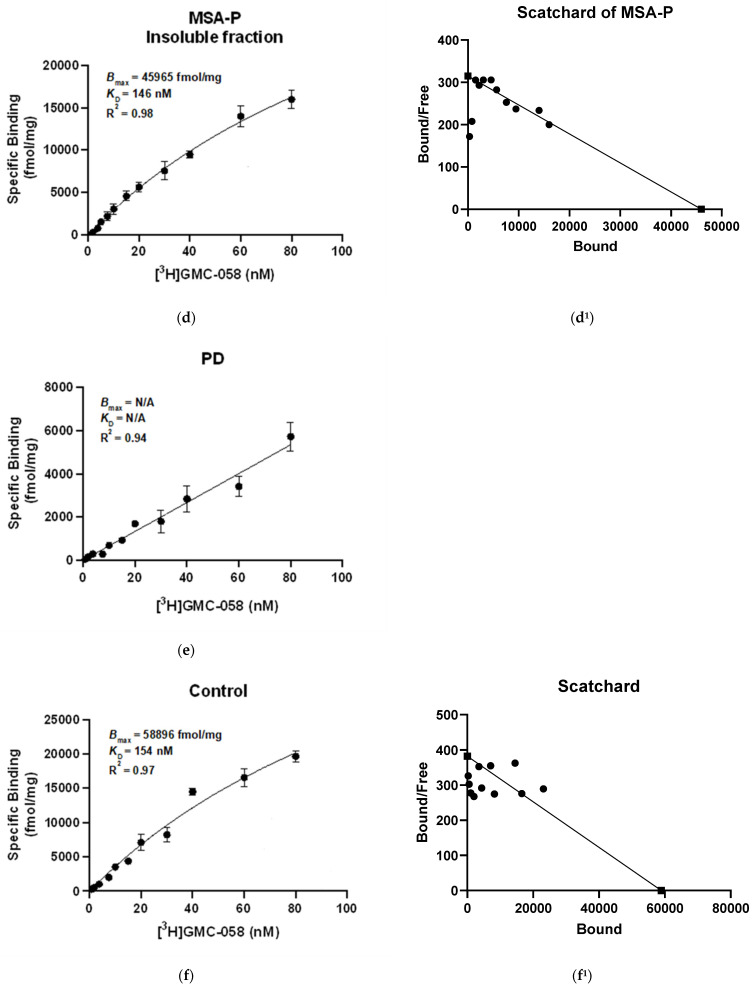 Figure 3
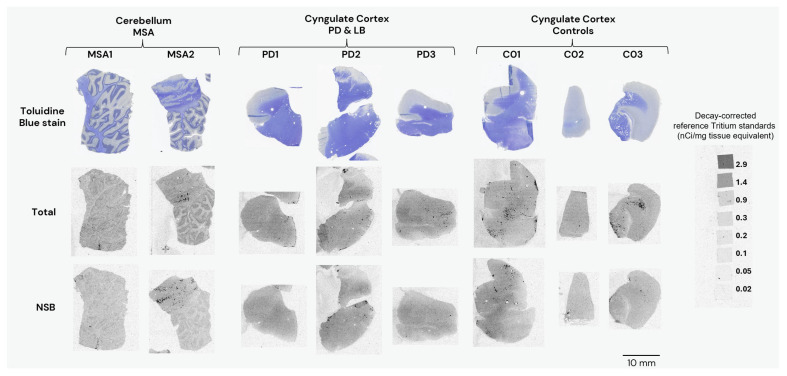 Figure 4
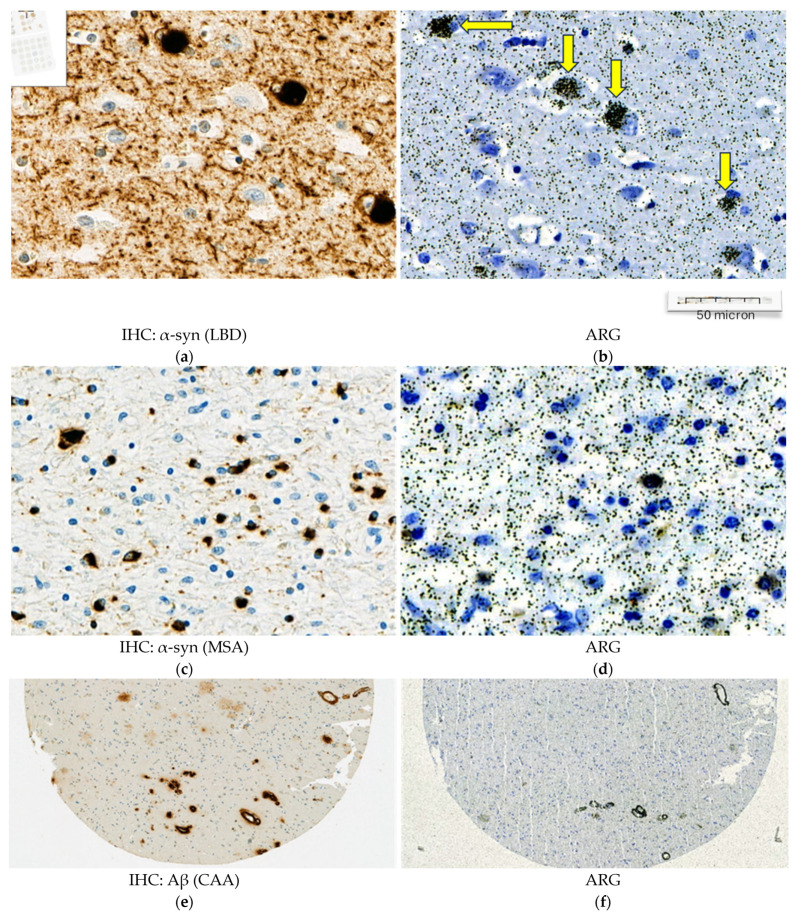 Figure 5
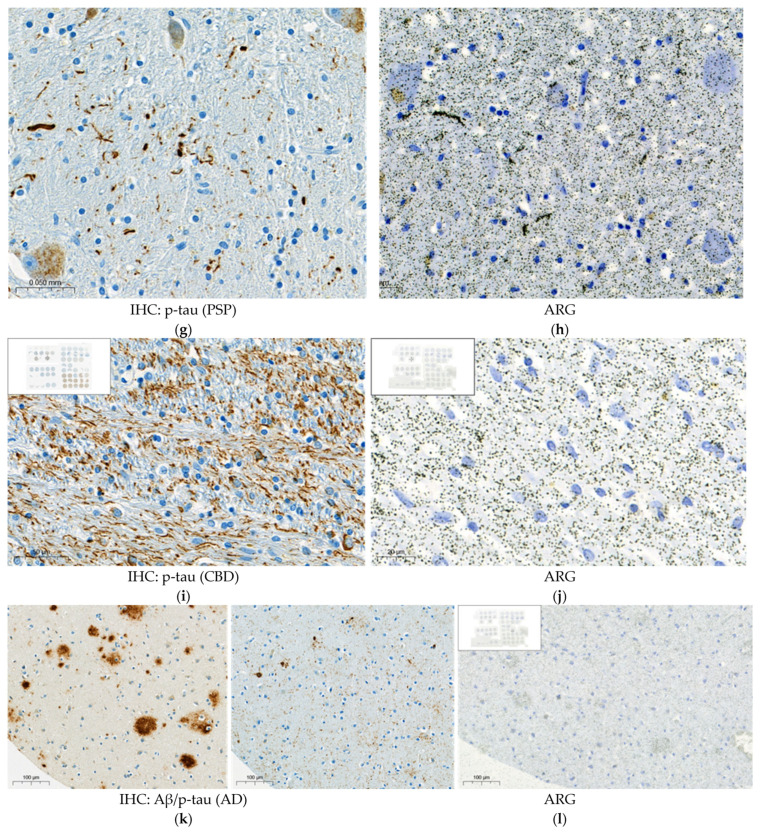 Figure 6
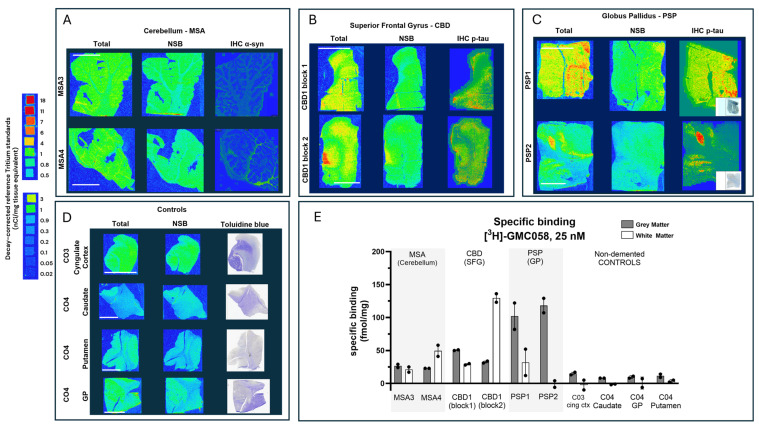 Figure 7
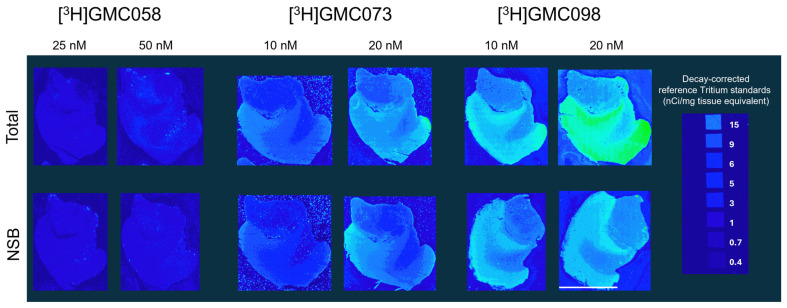 Figure 8
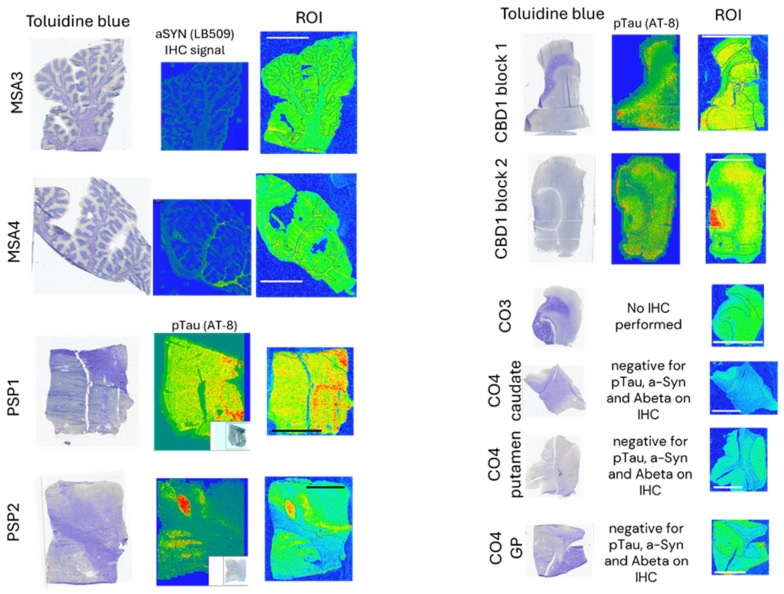 Figure 9
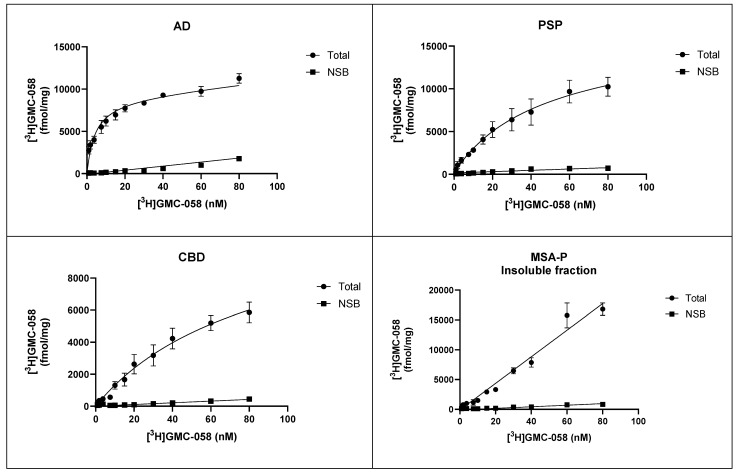 Figure 10
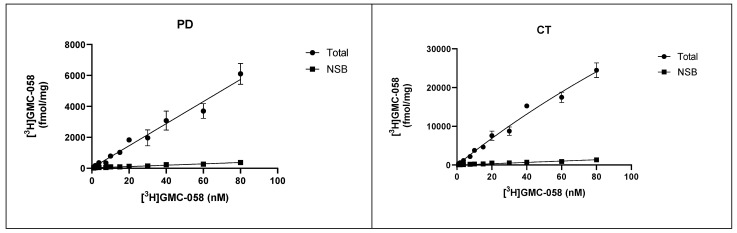 Figure 11
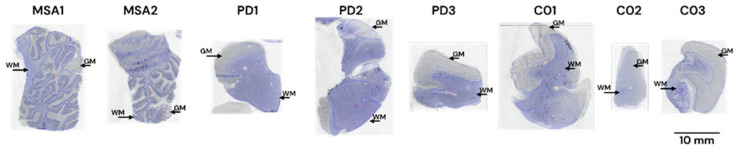 Figure 12
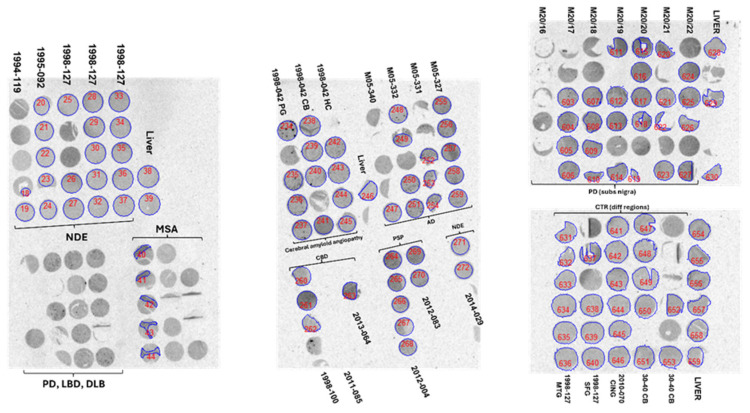 Figure 13
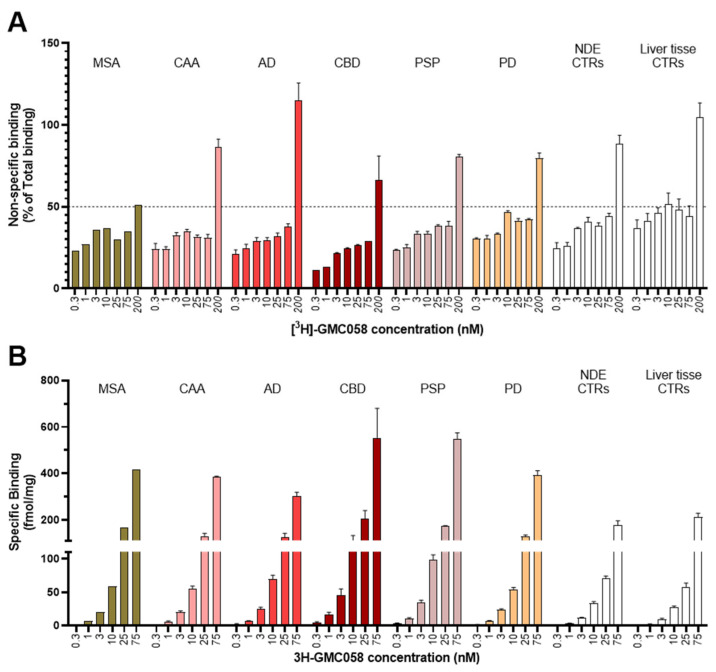 Figure 14
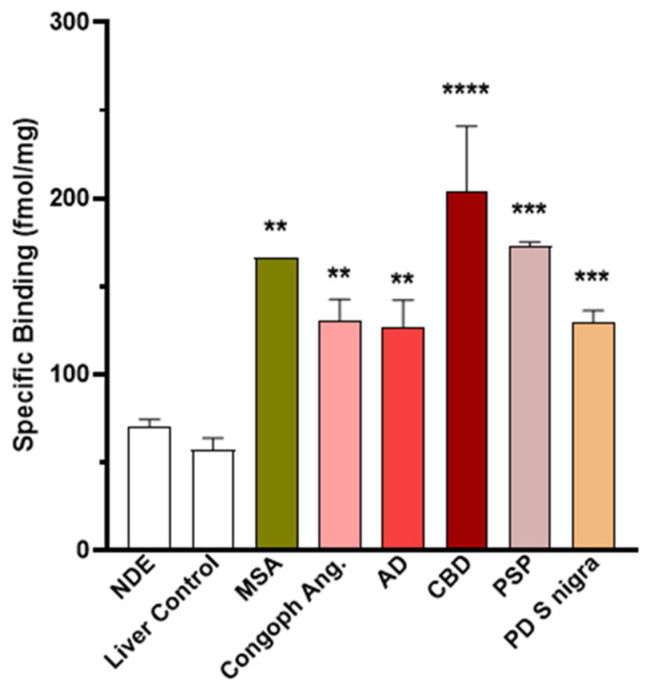 Figure 15
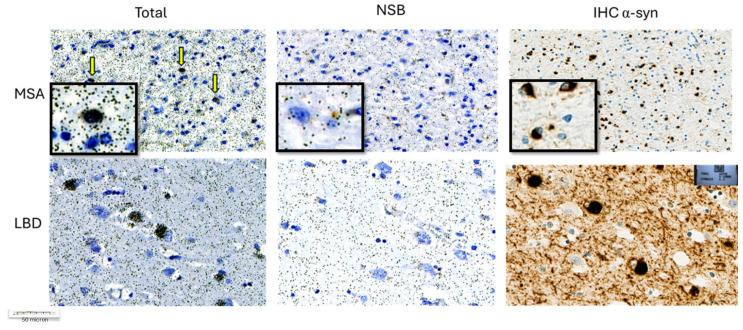 Figure 16
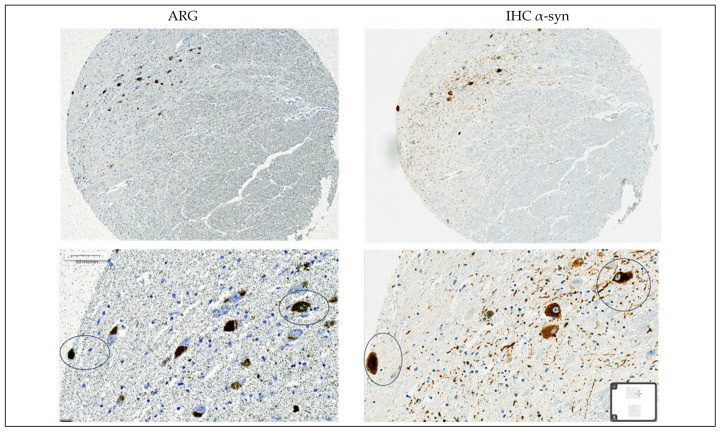 Figure 17
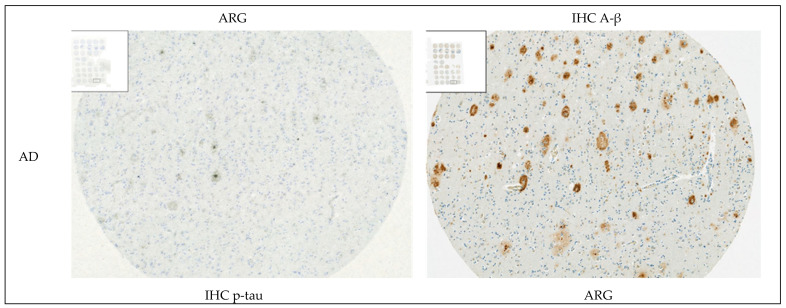 Figure 18
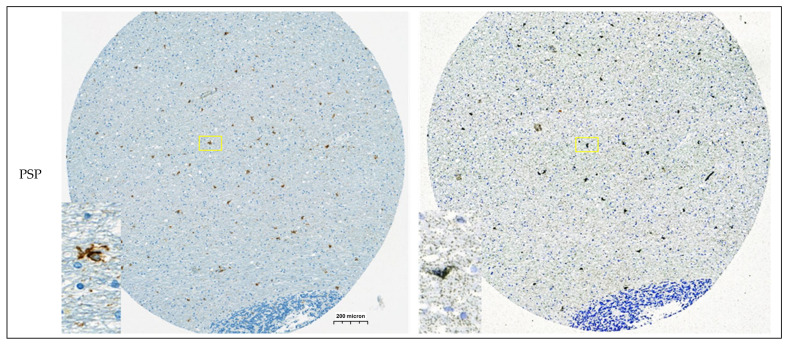 Figure 19
 Figure 20
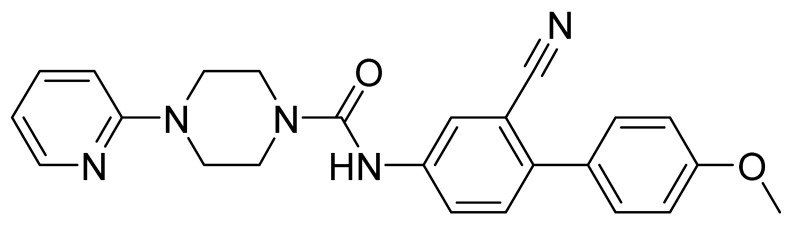 Figure 21
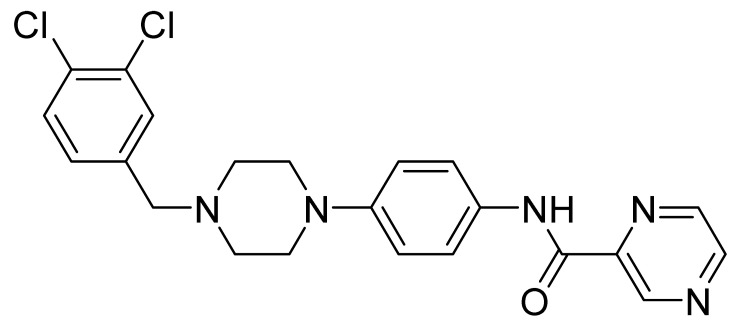 Figure 22
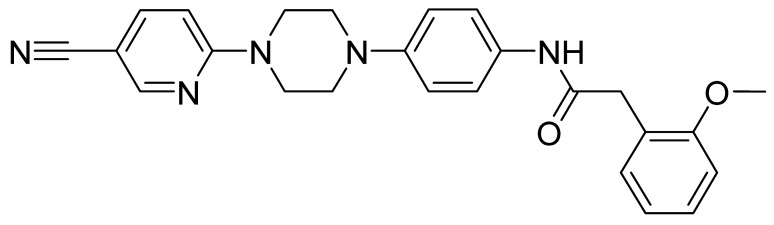 Figure 23
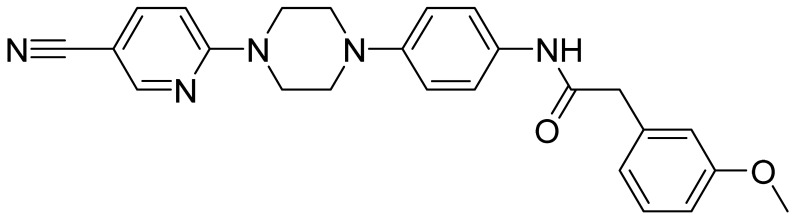 Figure 24
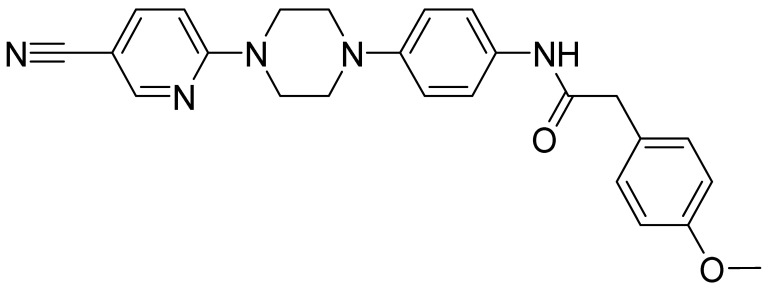 Figure 25
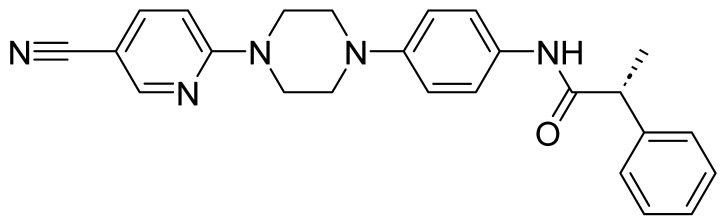 Figure 26
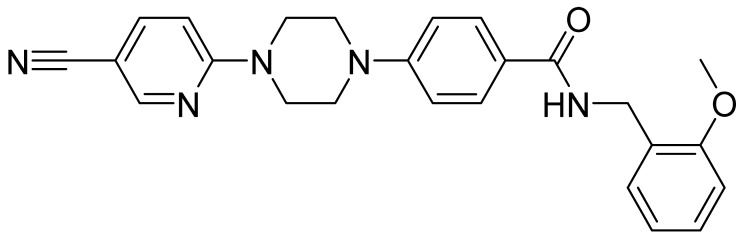 Figure 27
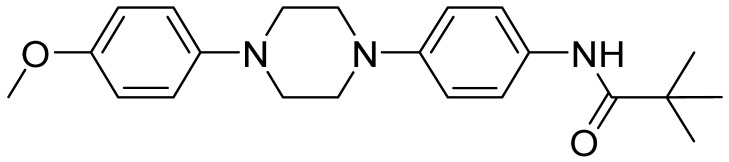 Figure 28
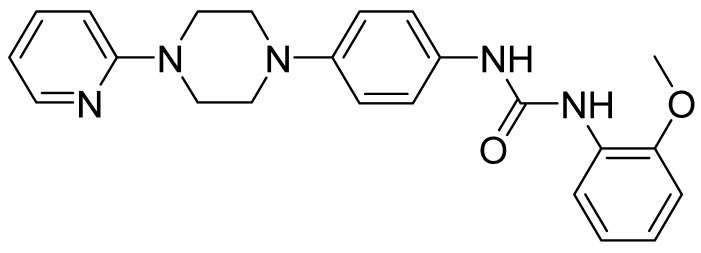 Figure 29
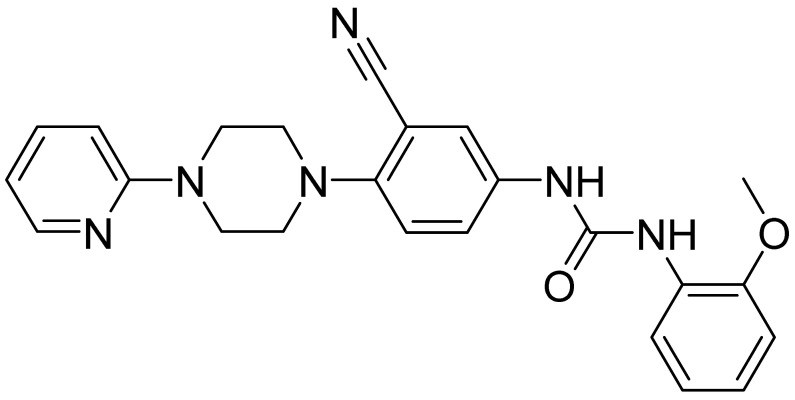 Figure 30
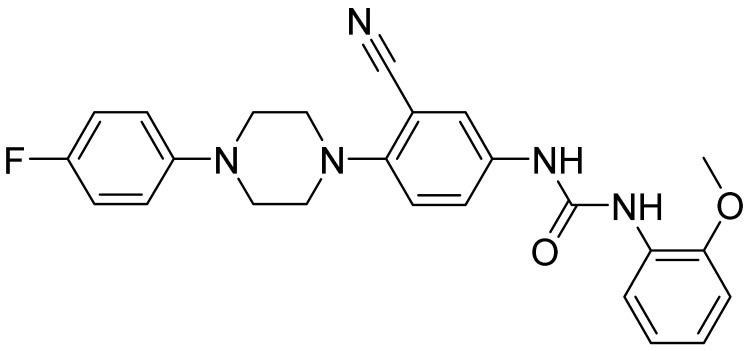 Figure 31
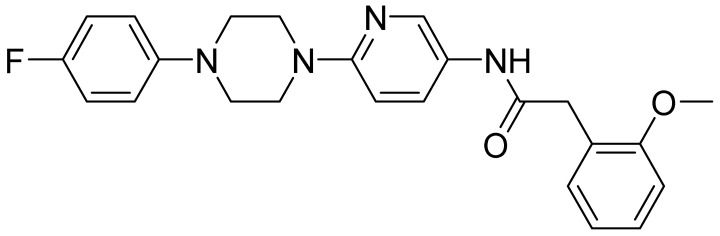 Figure 32
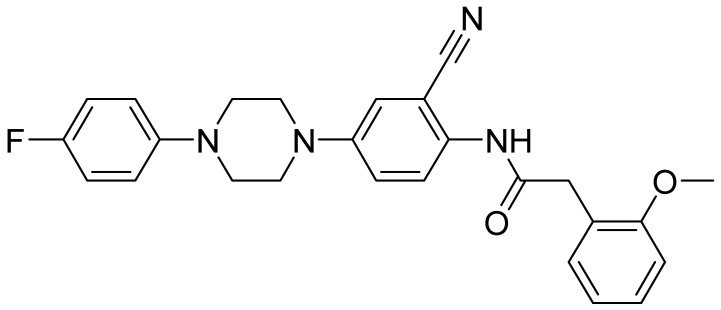 Figure 33
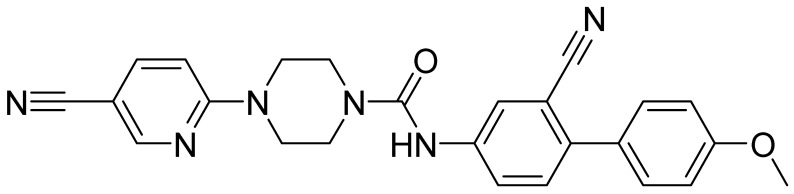 Figure 34
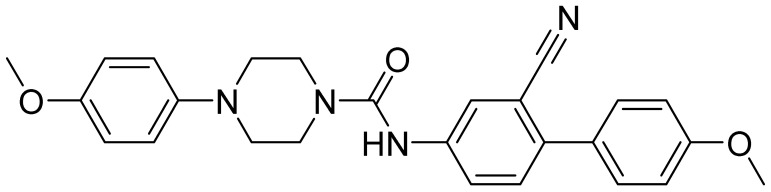 Figure 35
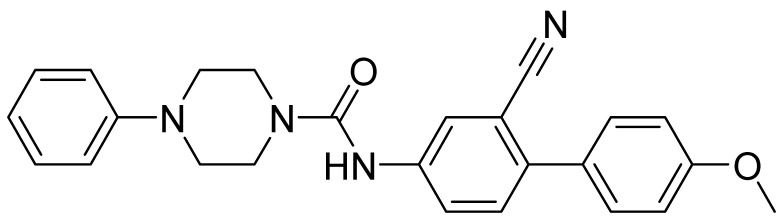 Figure 36
Peer Reviews
No public reviews on file for this paper yet. If you reviewed it on a platform where reviews are public (OpenReview, ICLR, NeurIPS, ICML), you can paste yours below so the community can read it here.
Videos
No videos yet. Explain this paper in a talk, walkthrough, or lecture? Add one.
Taxonomy
TopicsNeurological disorders and treatments · Parkinson's Disease Mechanisms and Treatments · Nuclear Receptors and Signaling