Safety, Feasibility, and Tolerability of Ten Days of At-Home, Remotely Supervised tDCS During Gamified Attention Training in Children with Acquired Brain Injury: An Open-Label, Dose-Controlled Pilot Trial
Athena Stein, Justin Riddle, Kevin A. Caulfield, Paul E. Dux, Maximilian A. Friehs, Philipp A. Schroeder, Michael P. Craven, Madeleine J. Groom, Kartik K. Iyer, Karen M. Barlow

TL;DR
This study shows that at-home tDCS, supervised remotely, is safe and feasible for children with brain injuries to improve attention.
Contribution
The study introduces a safe, remotely supervised at-home tDCS protocol for pediatric ABI patients.
Findings
All families successfully completed tDCS sessions with no serious adverse events.
Participants in the 2 mA group reported more tingling and discomfort than those in the 1 mA group.
Tolerability challenges were resolved with gradual stimulation increases and additional support.
Abstract
Background/Objectives: Chronic attention problems occur in approximately 25% of children after acquired brain injury (ABI). When delivered daily, transcranial direct current stimulation (tDCS) may improve attention; however, access to daily in-clinic tDCS treatment can be limited by other commitments, including concurrent therapy, school commitments, and caregiver schedules. Treatment access can be improved through home-based interventions, though these require several practical and safety considerations in a pediatric ABI population. This study evaluated the safety, feasibility, and tolerability of remotely monitored at-home tDCS during online gamified attention training in pediatric ABI. Methods: We conducted a randomized, single-blind, dose-controlled clinical trial of at home tDCS in Brisbane, Australia (10 tDCS sessions; 20 min; 1 mA or 2 mA; bilateral dorsolateral prefrontal…
Genes, proteins, chemicals, diseases, species, mutations and cell lines named across the full text — each resolved to its canonical identifier and authoritative record.
Click any figure to enlarge with its caption.
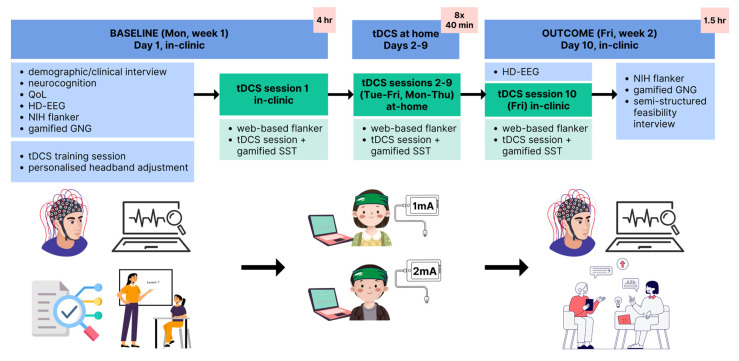 Figure 1
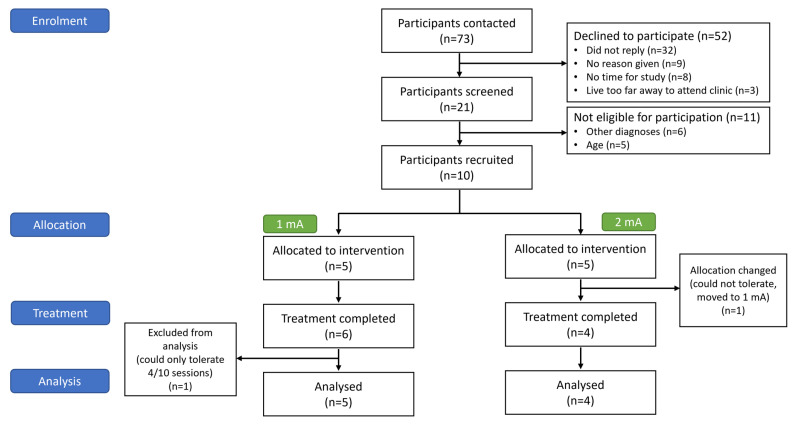 Figure 2
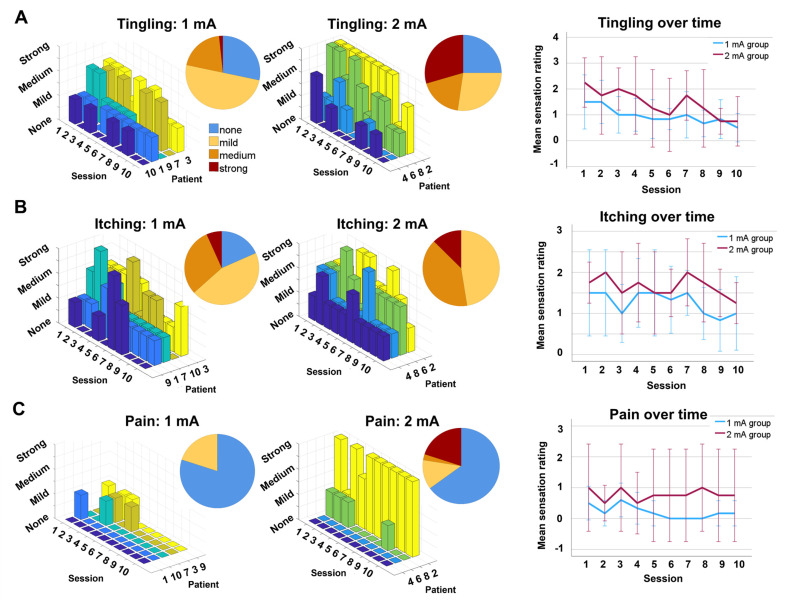 Figure 3
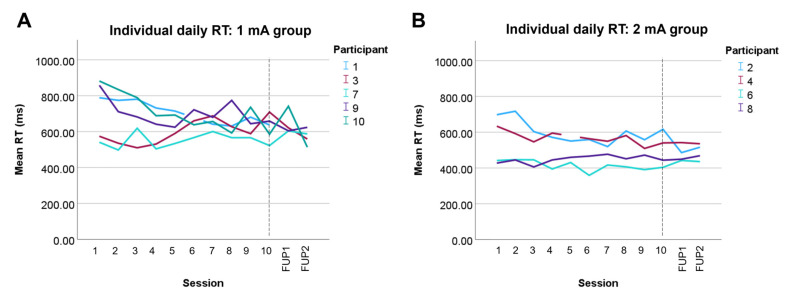 Figure 4
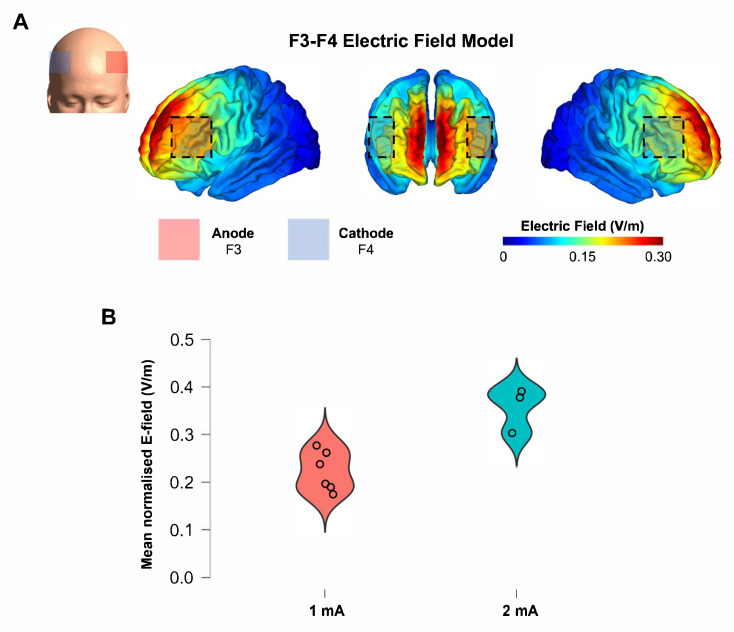 Figure 5
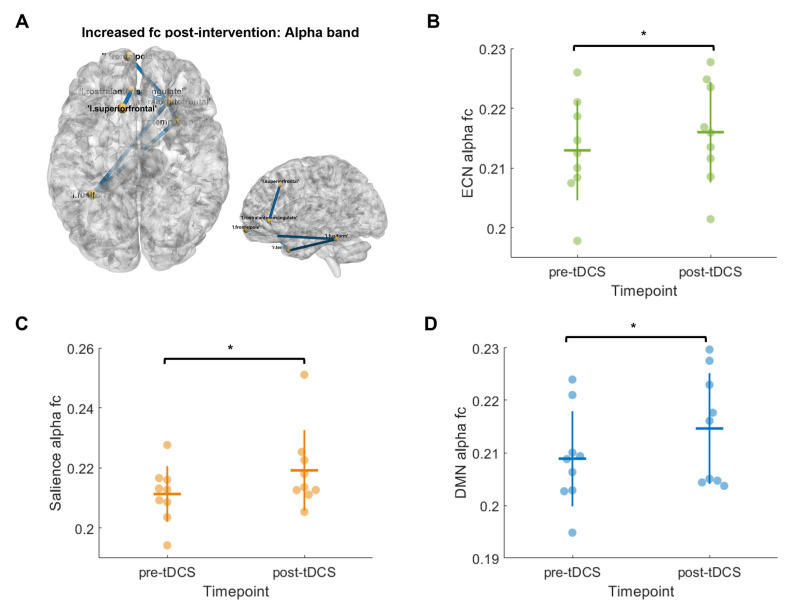 Figure 6
Peer Reviews
No public reviews on file for this paper yet. If you reviewed it on a platform where reviews are public (OpenReview, ICLR, NeurIPS, ICML), you can paste yours below so the community can read it here.
Videos
No videos yet. Explain this paper in a talk, walkthrough, or lecture? Add one.
Taxonomy
TopicsEEG and Brain-Computer Interfaces · Transcranial Magnetic Stimulation Studies · Attention Deficit Hyperactivity Disorder