Domain-Separated Quantum Neural Network for Truss Structural Analysis with Mechanics-Informed Constraints
Hyeonju Ha, Sudeok Shon, Seungjae Lee

TL;DR
This paper introduces a quantum neural network for analyzing truss structures, using mechanics-informed constraints to improve accuracy and reduce parameters.
Contribution
The novel approach uses an index-based quantum neural network with domain separation and mechanics-informed constraints for structural analysis.
Findings
The QNN reduces parameters by 64% compared to conventional neural networks while achieving higher accuracy.
The separate-domain approach within the QNN reduces parameters by 6.25% compared to single-domain models.
The model shows practical applicability for structural analysis and potential for broader engineering use.
Abstract
This study proposes an index-based quantum neural network (QNN) model, built upon a variational quantum circuit (VQC), as a surrogate framework for the static analysis of truss structures. Unlike coordinate-based models, the proposed QNN uses discrete member and node indices as inputs, and it adopts a separate-domain strategy that partitions the structure for parallel training. This architecture reflects the way nature organizes and optimizes complex systems, thereby enhancing both flexibility and scalability. Independent quantum circuits are assigned to each separate domain, and a mechanics-informed loss function based on the force method is formulated within a Lagrangian dual framework to embed physical constraints directly into the training process. As a result, the model achieves high prediction accuracy and fast convergence, even under complex structural conditions with relatively…
Genes, proteins, chemicals, diseases, species, mutations and cell lines named across the full text — each resolved to its canonical identifier and authoritative record.
Click any figure to enlarge with its caption.
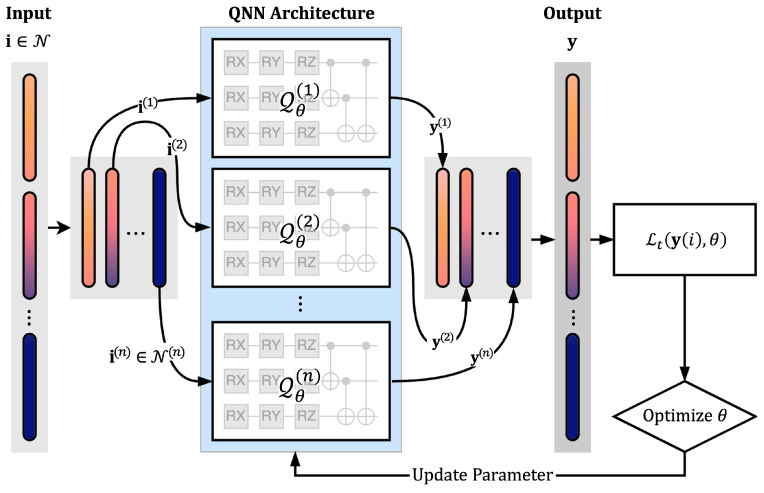 Figure 1
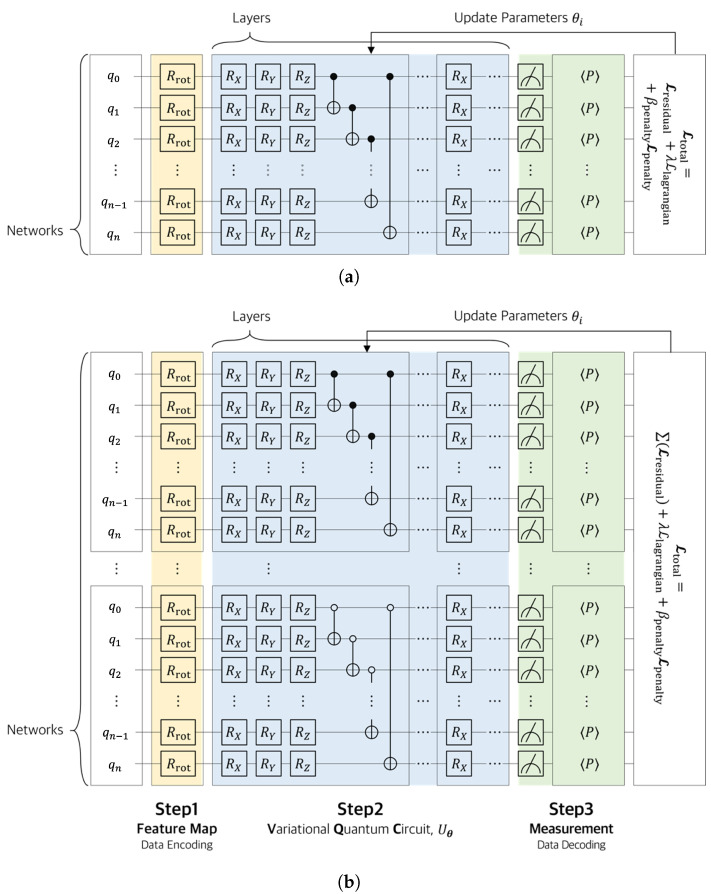 Figure 2
 Figure 3
 Figure 4
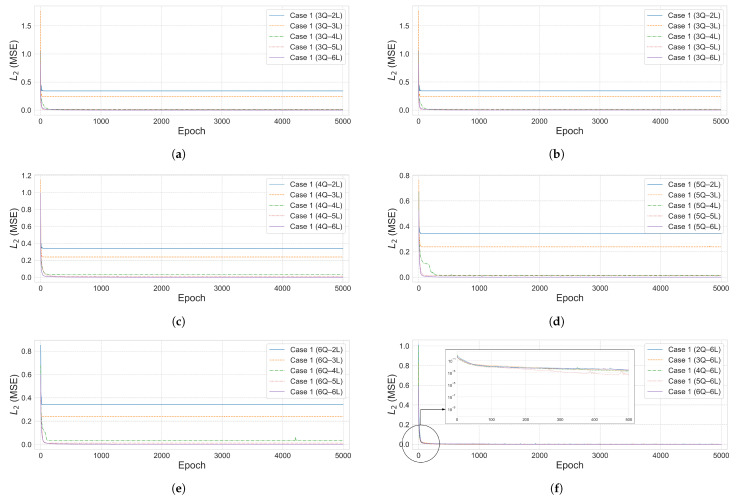 Figure 5
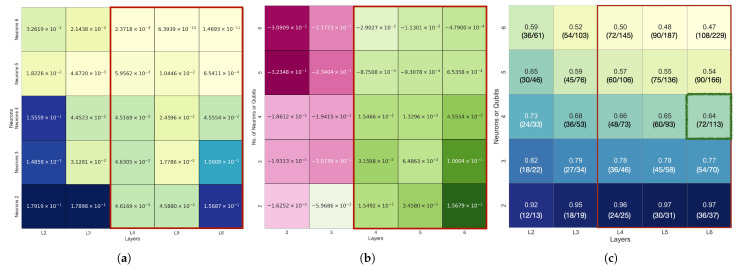 Figure 6
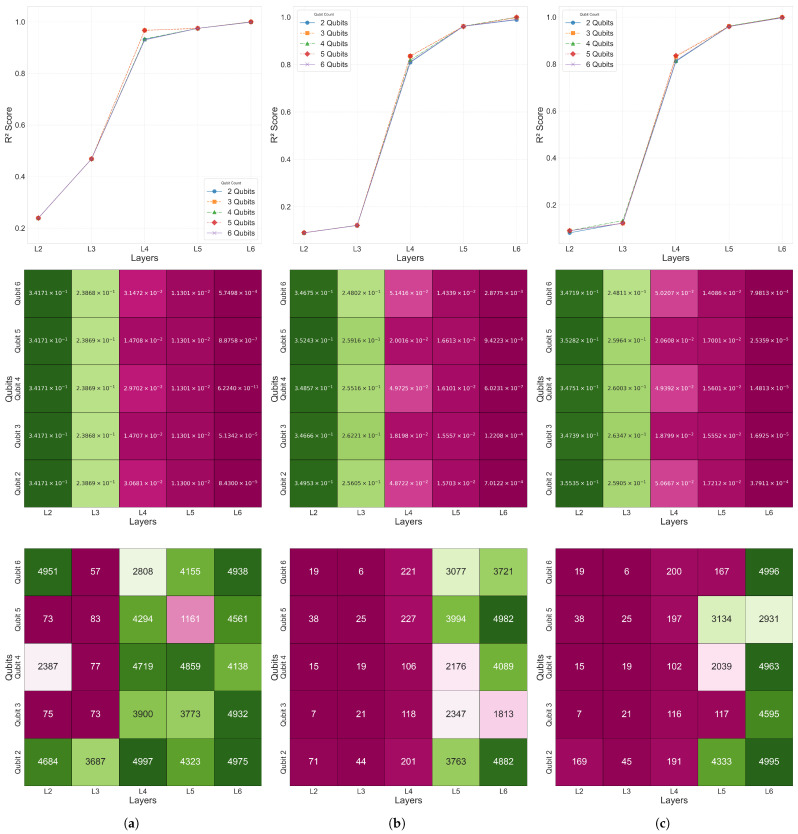 Figure 7
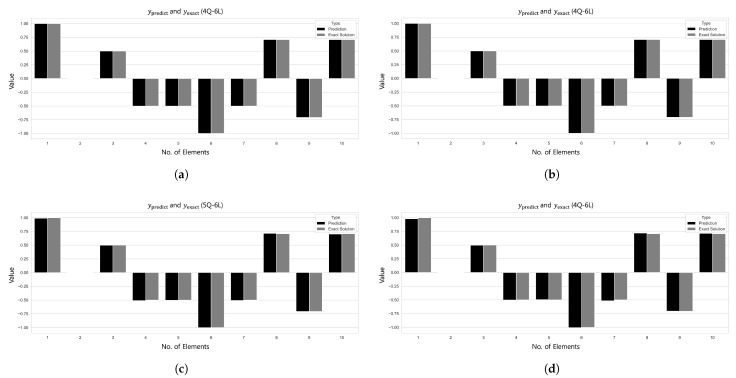 Figure 8
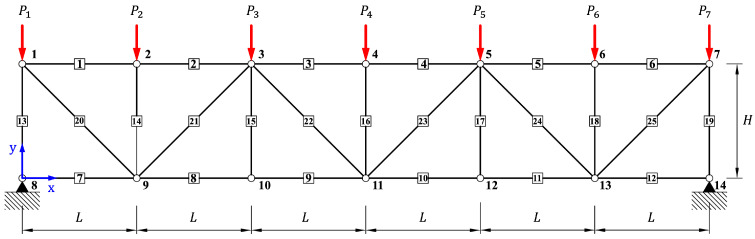 Figure 9
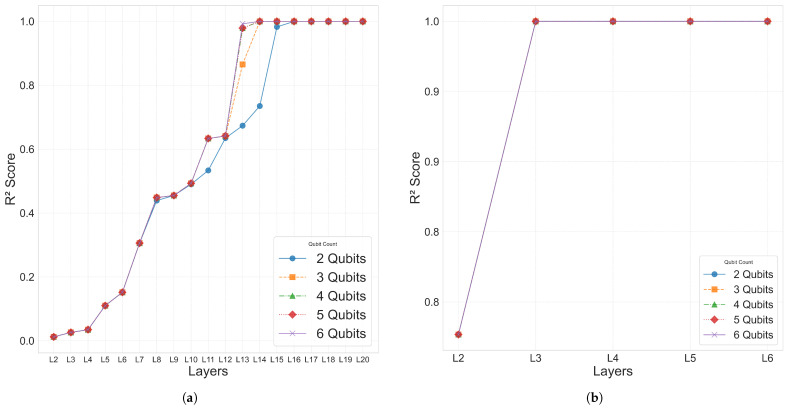 Figure 10
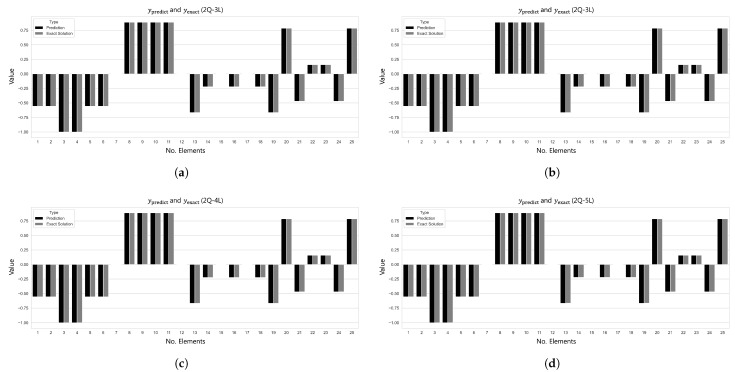 Figure 11
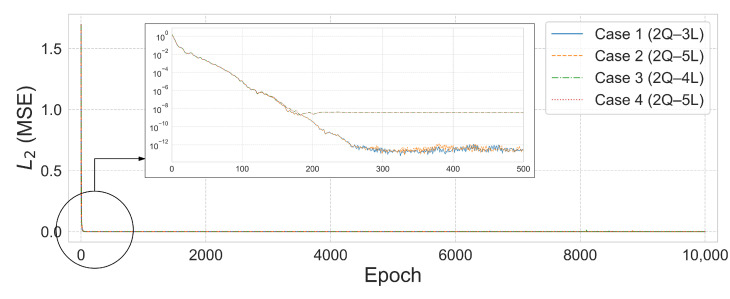 Figure 12
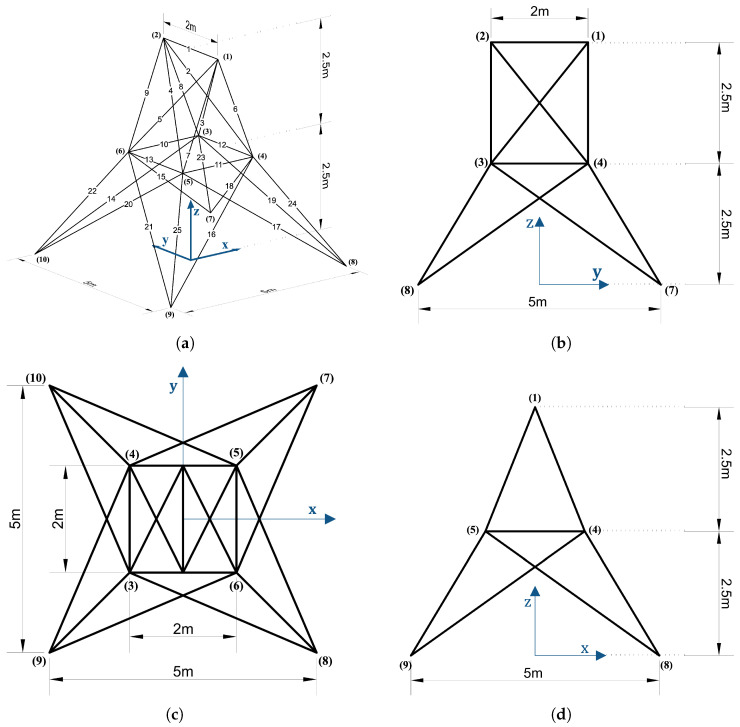 Figure 13
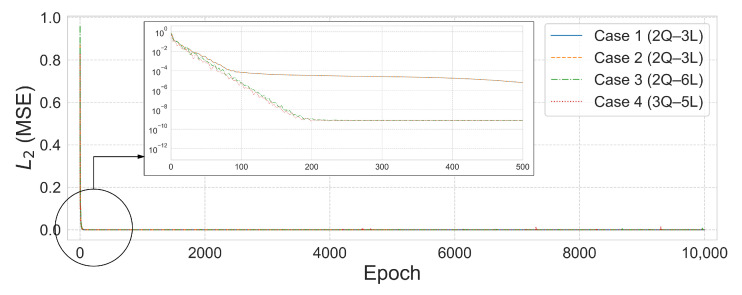 Figure 14
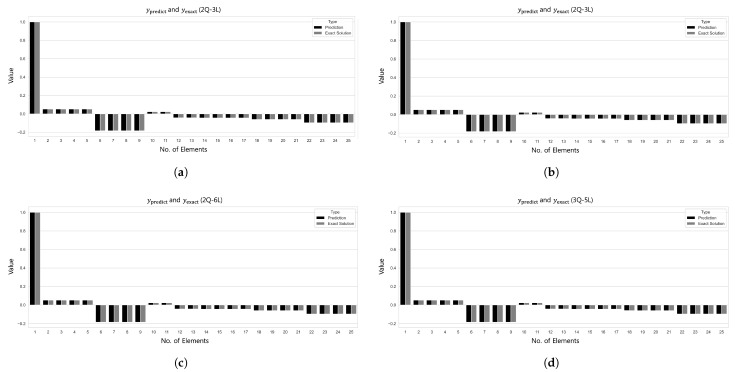 Figure 15
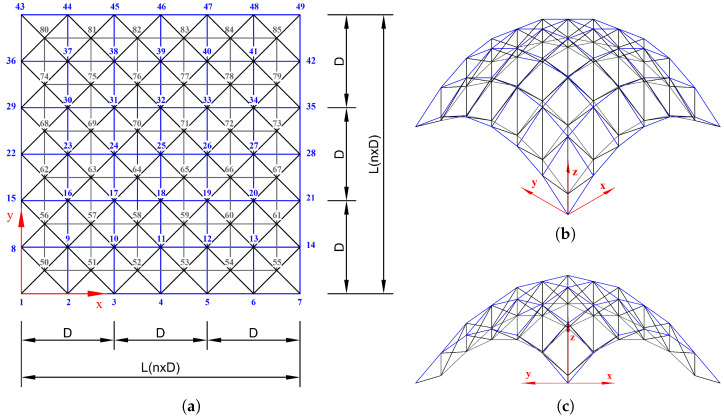 Figure 16
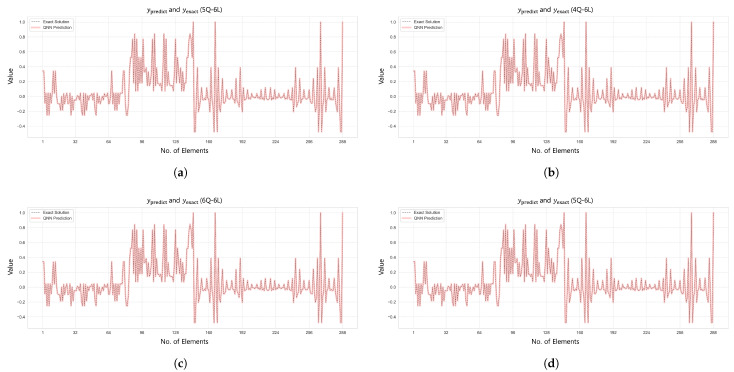 Figure 17
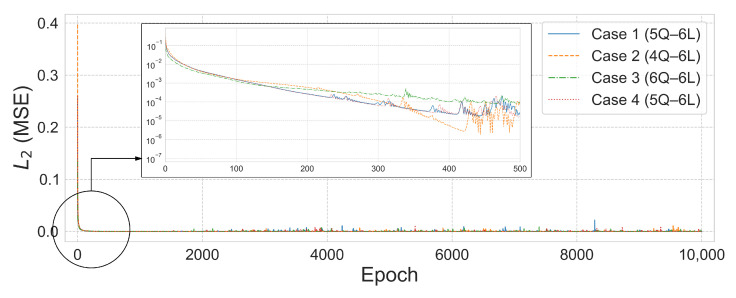 Figure 18
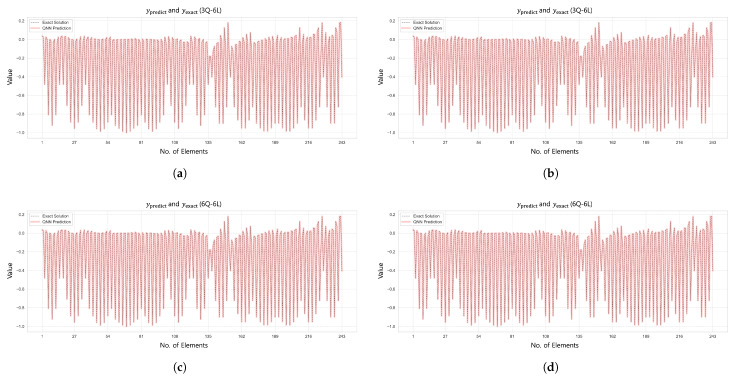 Figure 19
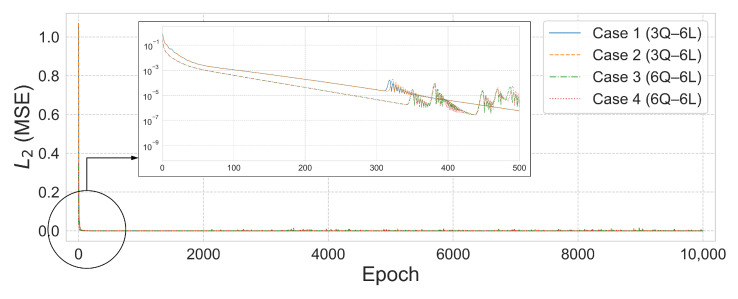 Figure 20
Peer Reviews
No public reviews on file for this paper yet. If you reviewed it on a platform where reviews are public (OpenReview, ICLR, NeurIPS, ICML), you can paste yours below so the community can read it here.
Videos
No videos yet. Explain this paper in a talk, walkthrough, or lecture? Add one.
Taxonomy
TopicsModel Reduction and Neural Networks · Neural Networks and Reservoir Computing · Advancements in Semiconductor Devices and Circuit Design