Topology-Dependent Antifreeze Properties of Biomimetic Linear and Star-Shaped Peptoids
Lei Feng, Liugen Xu, Junhao Wen, Minghai Zhao, Amjad Ali, Naushad Ahmad, Jianwei Lu, Li Guo

TL;DR
Researchers designed peptoids inspired by antifreeze proteins and found that star-shaped versions are more effective and less toxic for cryopreservation.
Contribution
The study introduces star-shaped peptoids as a novel, non-toxic alternative to traditional cryoprotectants.
Findings
Star-shaped peptoids showed better ice recrystallization inhibition than linear ones.
S-(A6)3 peptoid exhibited strong antifreeze activity and low cytotoxicity.
Chain length and topology significantly influence antifreeze properties of peptoids.
Abstract
Developing safe and efficient cryoprotectants is critical for effective cryopreservation in biomedical applications. Inspired by natural antifreeze proteins (AFPs), a series of linear and star-shaped peptoids featuring isopropanol side chains to mimic the amphiphilic characteristics of threonine were prepared. The effects of chain length and molecular topology on antifreeze properties were systematically investigated. Both ice recrystallization inhibition (IRI) and ice crystal growth suppression improved with increasing chain length, and star-shaped peptoids exhibited superior performance. Notably, the star-shaped peptoid S-(A6)3 demonstrated excellent antifreeze activity and low cytotoxicity, highlighting its promise as a novel, non-toxic alternative to conventional cryoprotectants like DMSO. These findings provide valuable insight into the structure-property relationship of peptoids…
Genes, proteins, chemicals, diseases, species, mutations and cell lines named across the full text — each resolved to its canonical identifier and authoritative record.
Click any figure to enlarge with its caption.
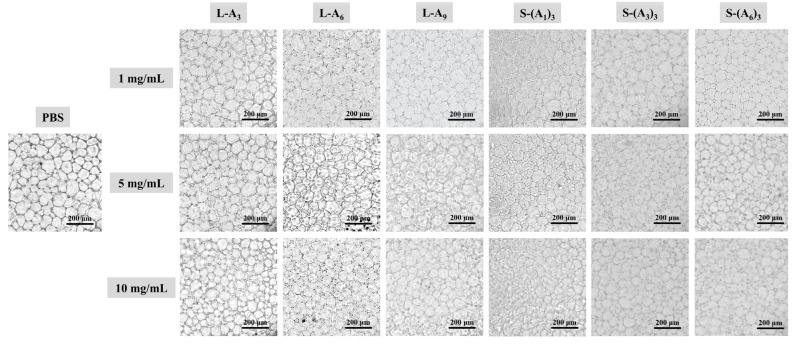 Figure 1
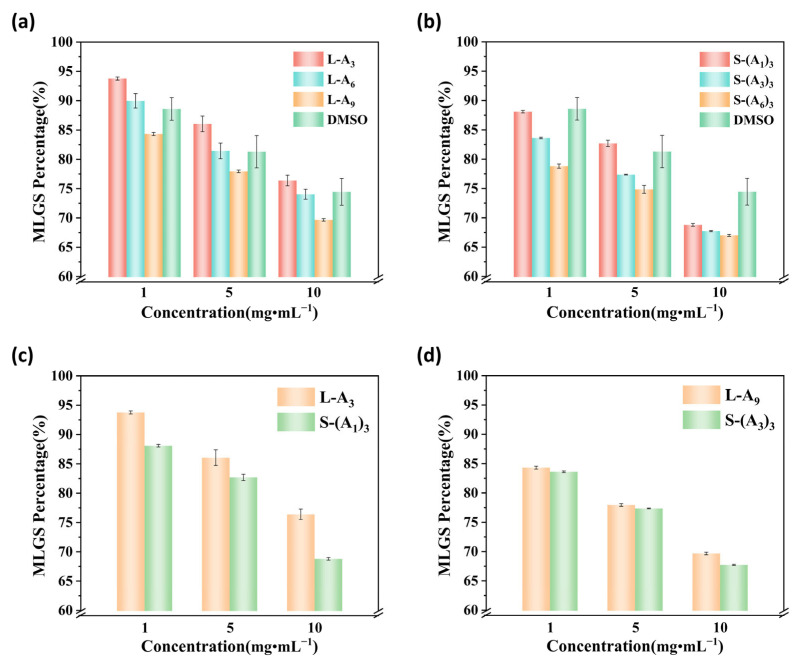 Figure 2
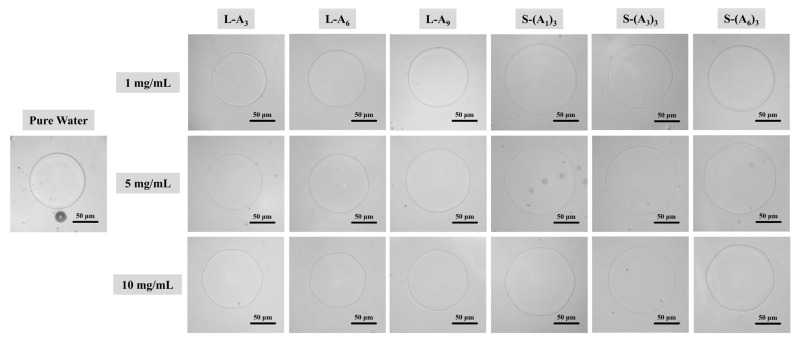 Figure 3
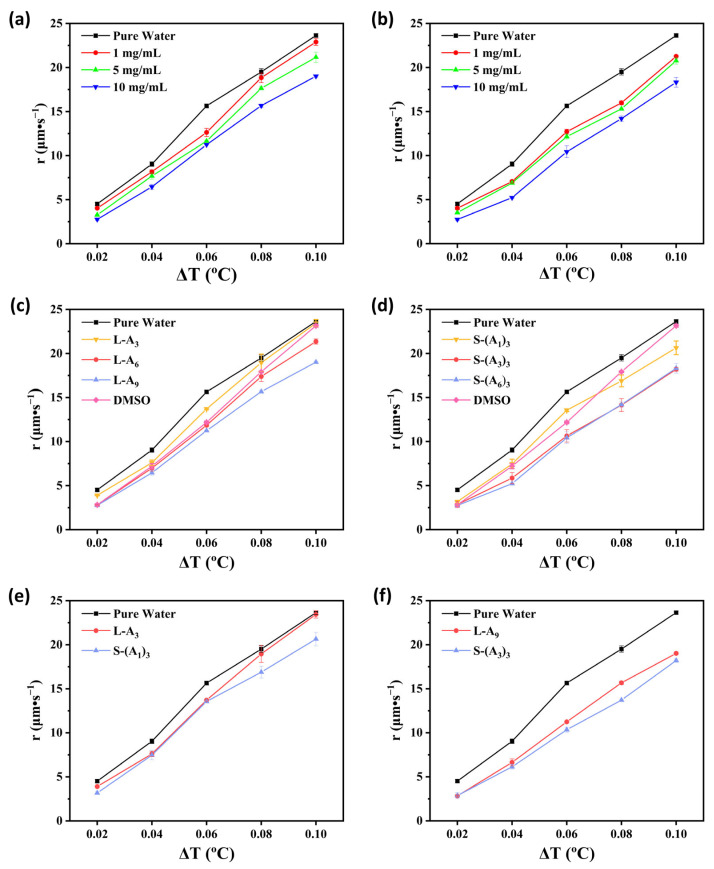 Figure 4
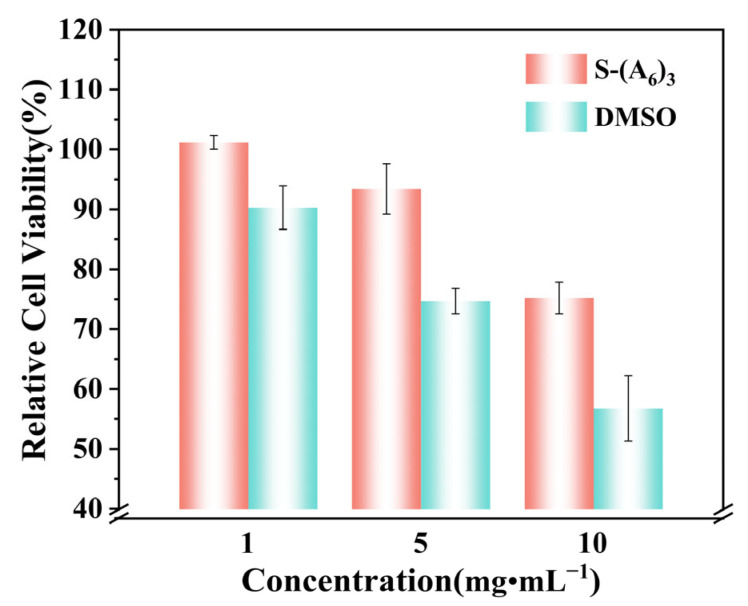 Figure 5
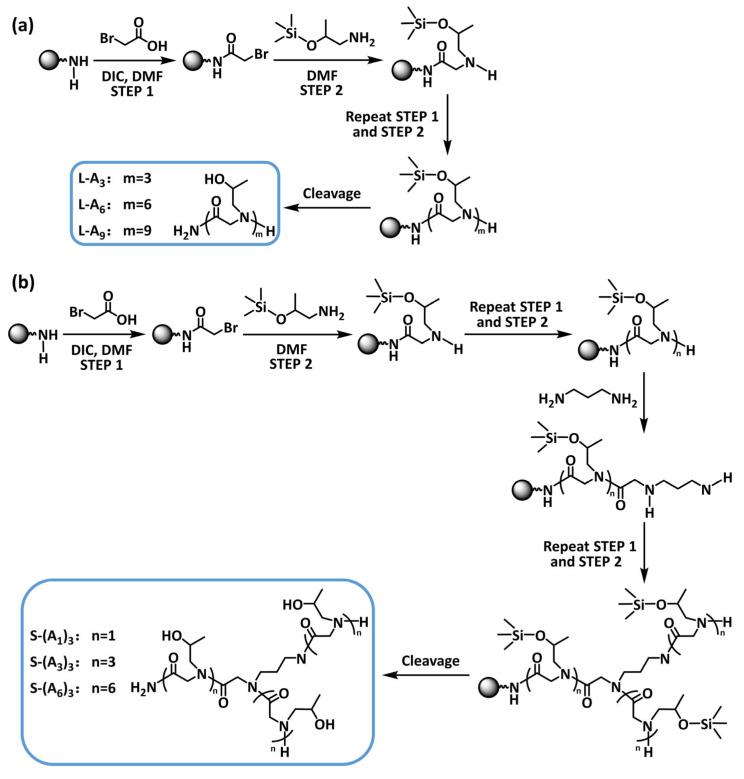 Figure 6
Peer Reviews
No public reviews on file for this paper yet. If you reviewed it on a platform where reviews are public (OpenReview, ICLR, NeurIPS, ICML), you can paste yours below so the community can read it here.
Videos
No videos yet. Explain this paper in a talk, walkthrough, or lecture? Add one.
Taxonomy
TopicsInsect and Arachnid Ecology and Behavior · nanoparticles nucleation surface interactions · Physiological and biochemical adaptations