Truncated DAPK Variants Restore Tumor Suppressor Activity and Synergize with Standard Therapies in High-Grade Serous Ovarian Cancer
Monika Raab, Khayal Gasimli, Balázs Győrffy, Samuel Peña-Llopis, Sven Becker, Mourad Sanhaji, Klaus Strebhardt

TL;DR
Restoring DAPK1 activity in ovarian cancer cells can reverse drug resistance and boost the effectiveness of standard treatments.
Contribution
Truncated DAPK1 variants show strong tumor suppression and chemosensitization potential in high-grade serous ovarian cancer.
Findings
DAPK1 restoration induces apoptosis and sensitizes cancer cells to platinum and taxane therapies.
Truncated DAPK1 variants maintain potent apoptotic activity despite structural modifications.
DAPK1 reactivation works through both p53-dependent and p53-independent pathways.
Abstract
Chemoresistance remains a major therapeutic challenge in high-grade serous ovarian cancer (HGSOC). Our study demonstrates that the functional restoration of death-associated protein kinase 1 (DAPK1), a novel tumor suppressor in HGSOC, induces potent tumor-specific cytotoxicity and inverts chemoresistance. Using molecular and preclinical analyses, we showed that full-length and truncated DAPK1 variants efficiently restore apoptotic signaling pathways and significantly enhance platinum-based and taxane treatment sensitivity. Therapeutic efficacy was validated across different model systems, including ovarian cancer cell lines and patient-derived organoids. Remarkably, the truncated DAPK1 constructs maintain strong apoptotic activity despite structural modifications, highlighting clinical potential. These findings suggest DAPK1 reactivation as a viable strategy to overcome treatment…
Genes, proteins, chemicals, diseases, species, mutations and cell lines named across the full text — each resolved to its canonical identifier and authoritative record.
Click any figure to enlarge with its caption.
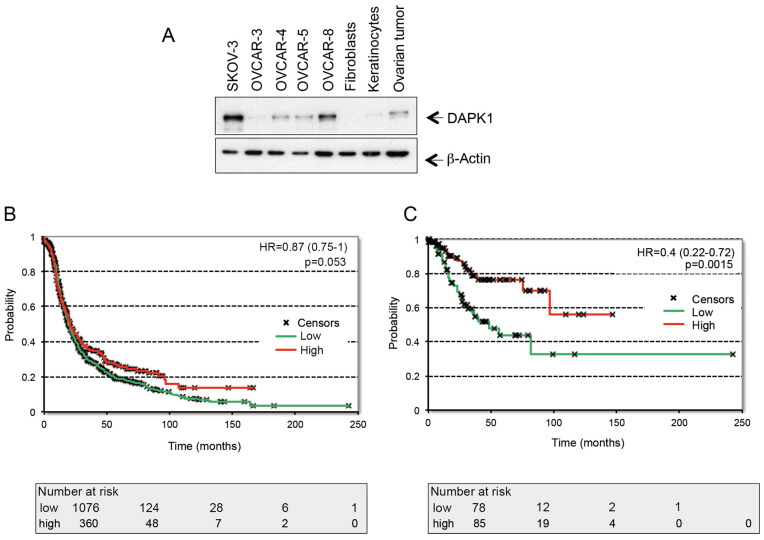 Figure 1
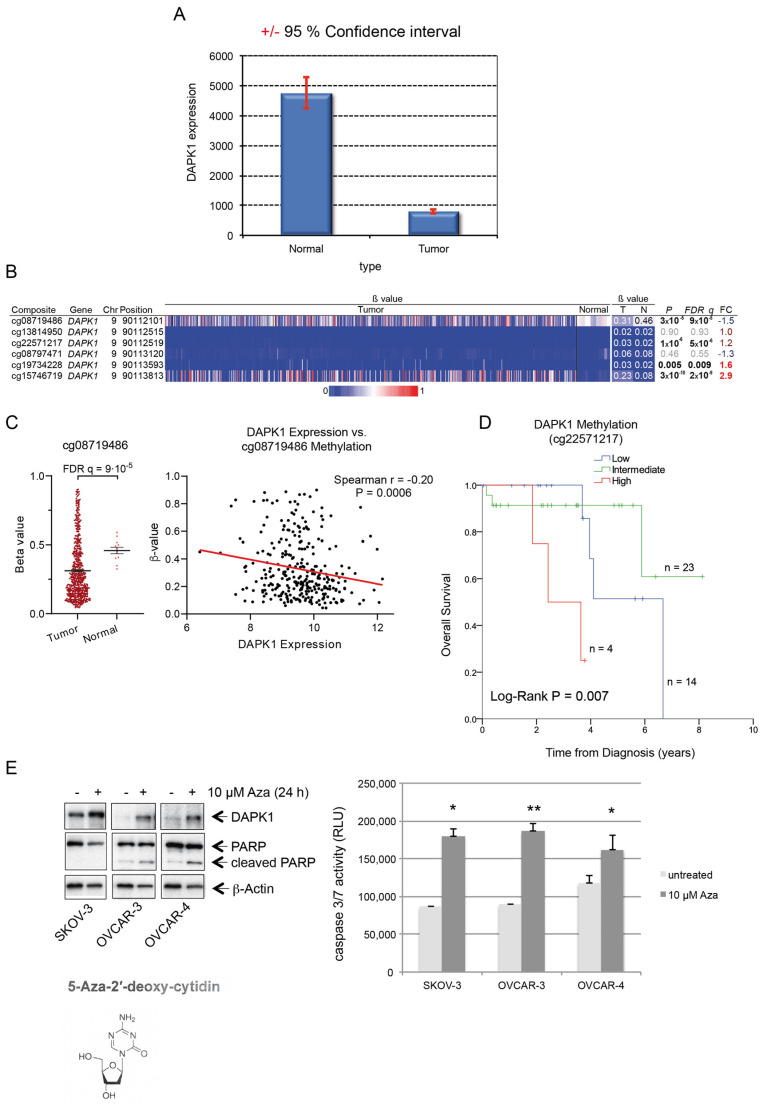 Figure 2
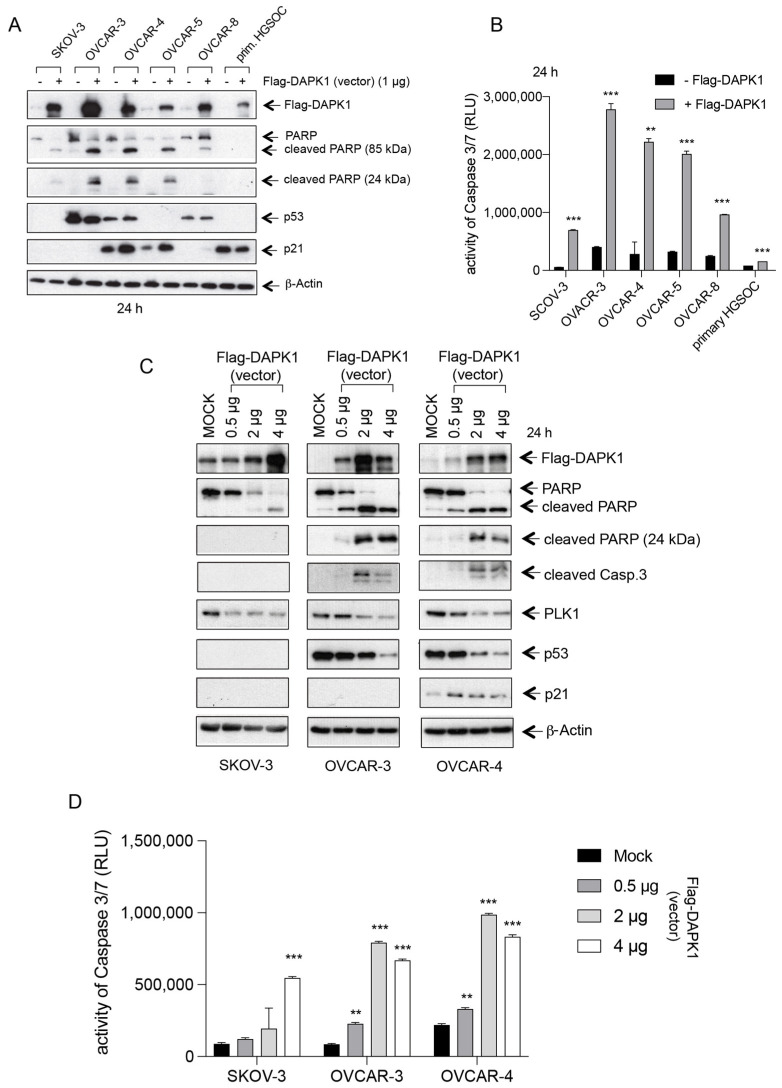 Figure 3
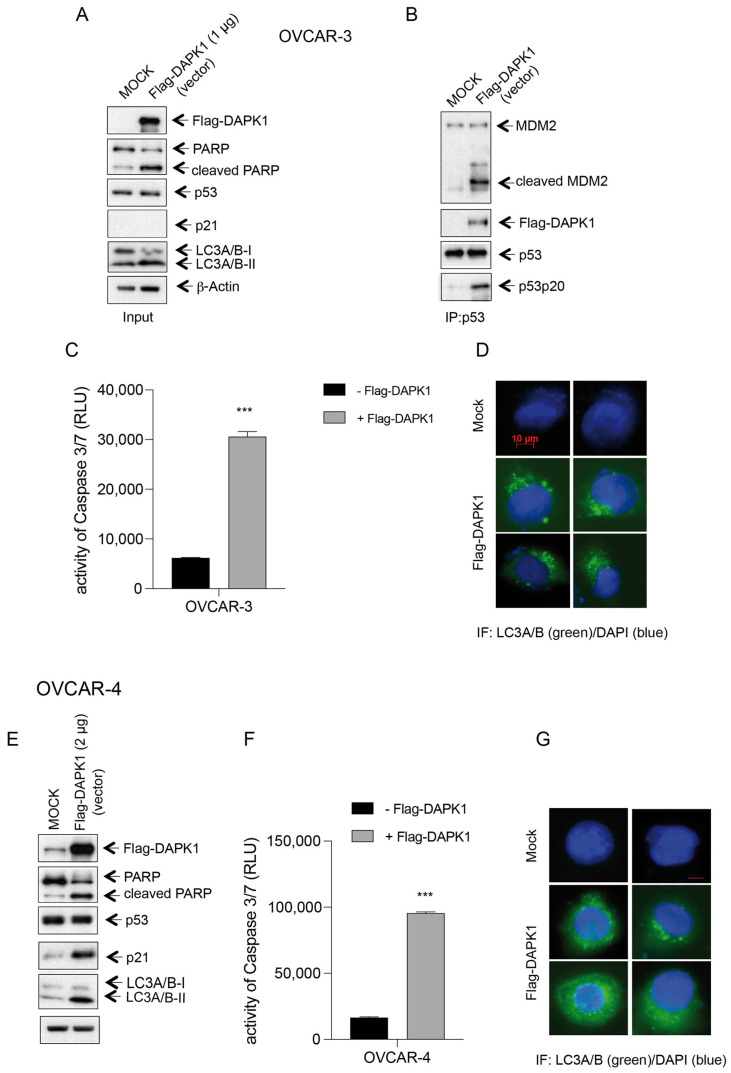 Figure 4
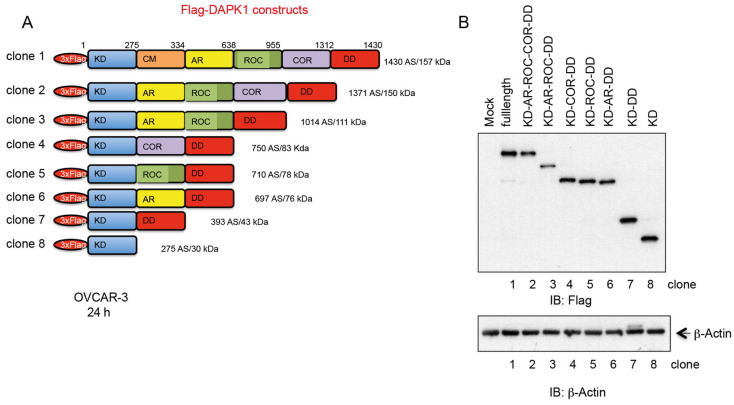 Figure 5
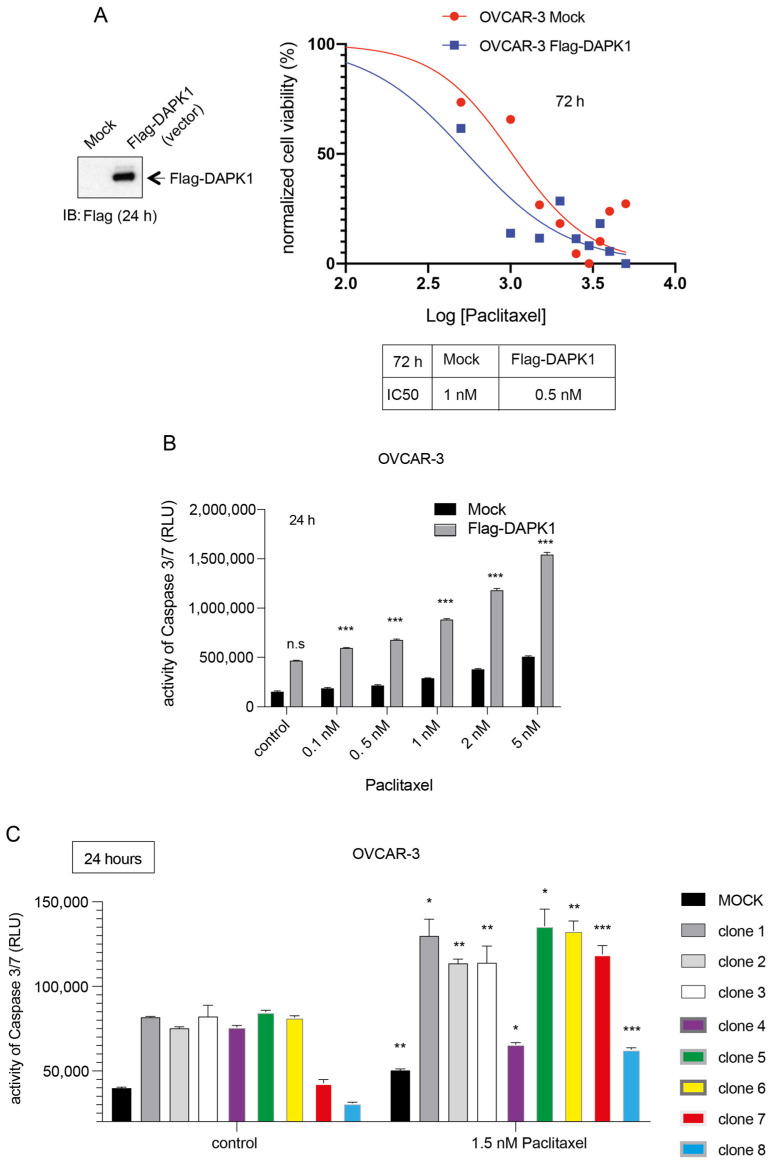 Figure 6
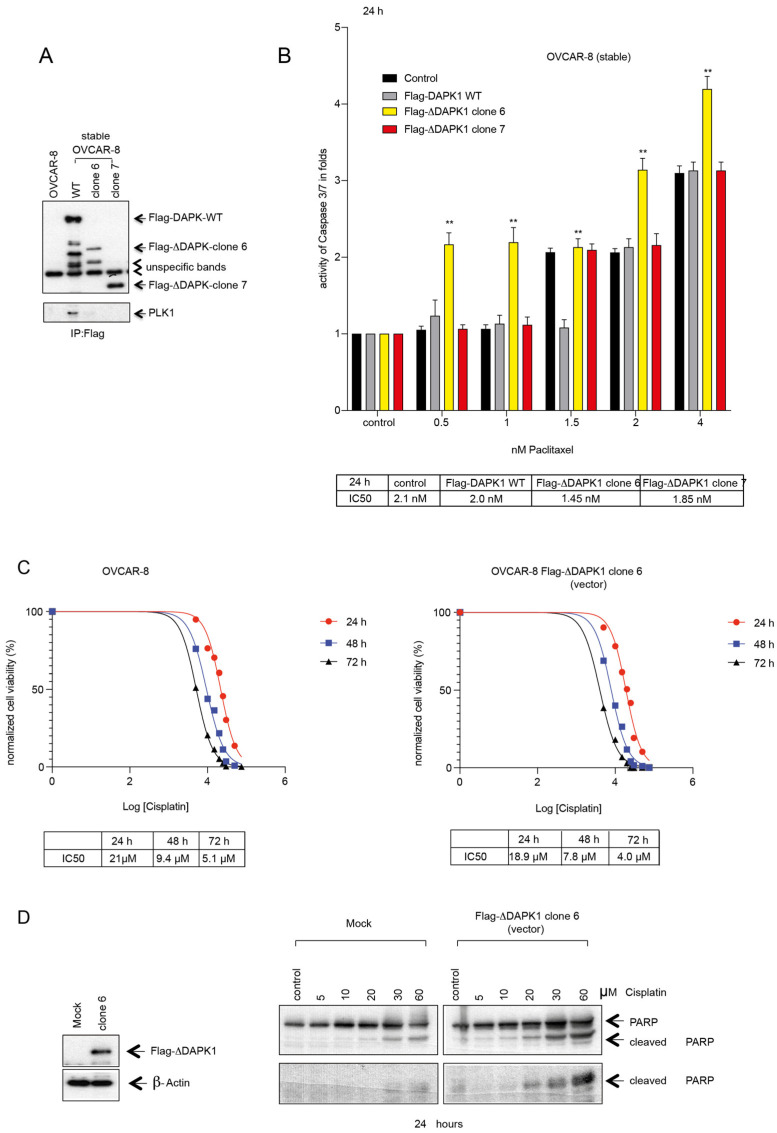 Figure 7
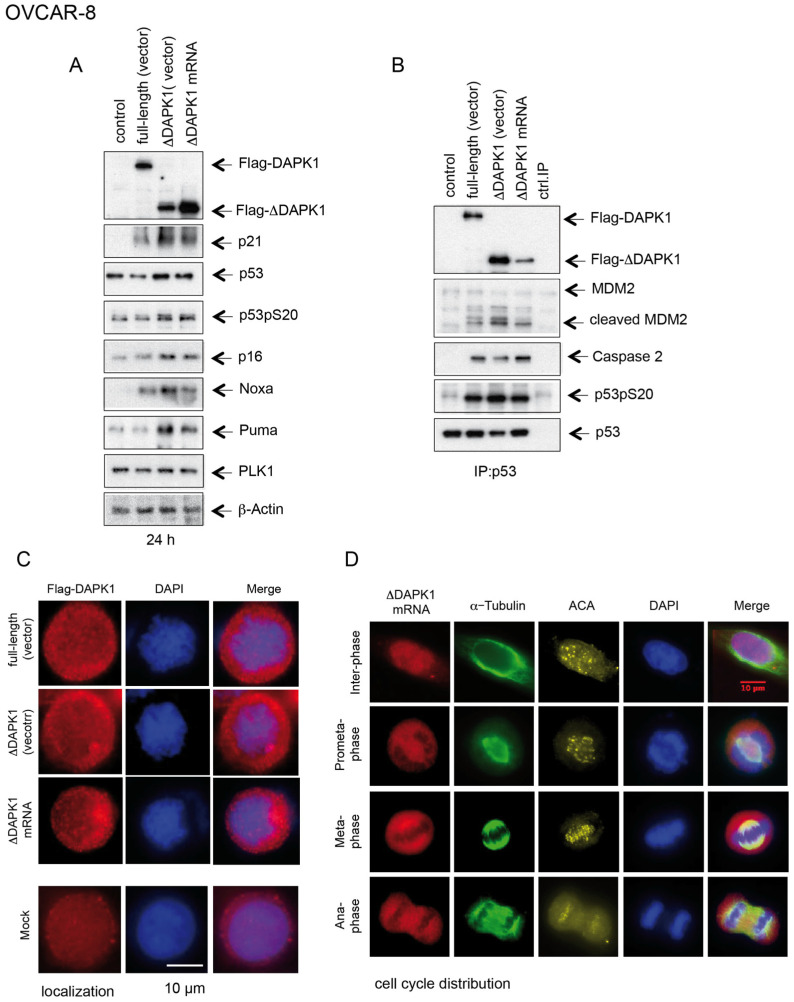 Figure 8
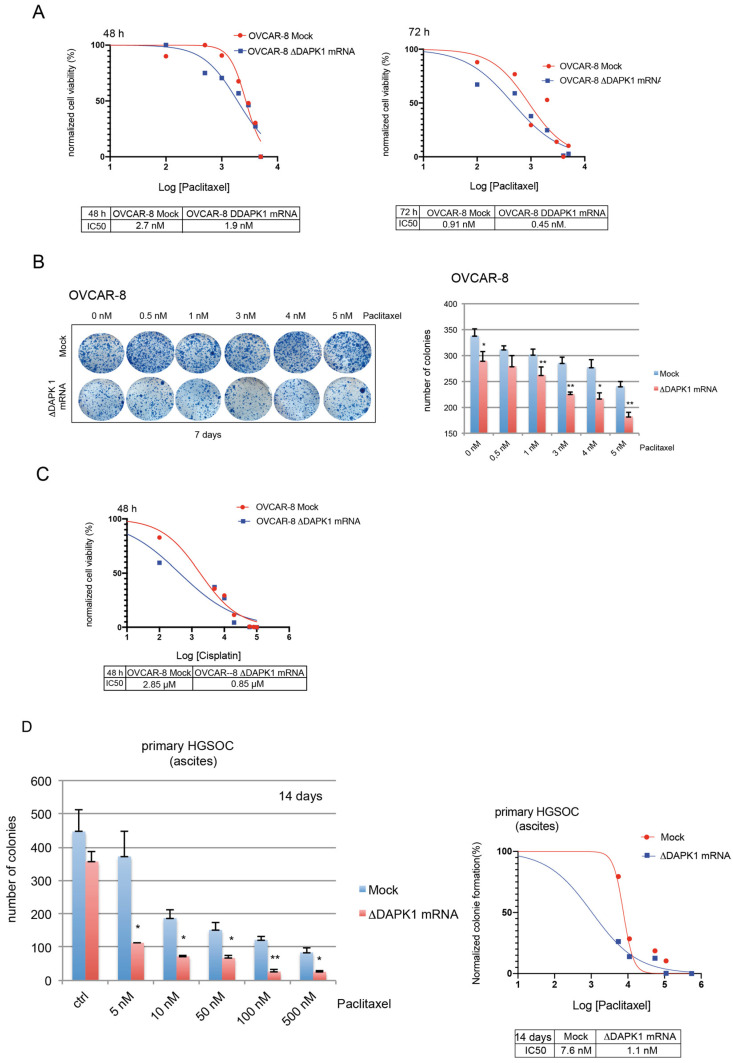 Figure 9
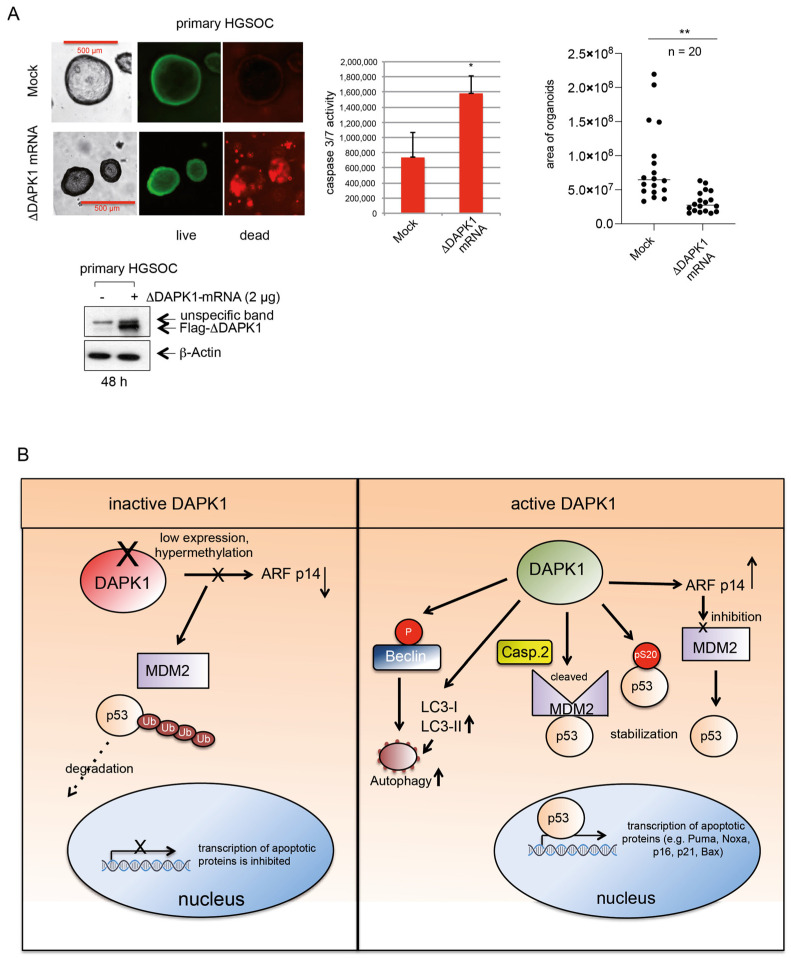 Figure 10
Peer Reviews
No public reviews on file for this paper yet. If you reviewed it on a platform where reviews are public (OpenReview, ICLR, NeurIPS, ICML), you can paste yours below so the community can read it here.
Videos
No videos yet. Explain this paper in a talk, walkthrough, or lecture? Add one.
Taxonomy
TopicsCancer-related Molecular Pathways · Epigenetics and DNA Methylation · PARP inhibition in cancer therapy