Molecular Insights into Outer Dynein Arm Defects in Primary Ciliary Dyskinesia: Involvement of ZMYND10 and GRP78
İlker Levent Erdem, Zeynep Bengisu Kaya, Pergin Atilla, Nagehan Emiralioğlu, Cemil Can Eylem, Emirhan Nemutlu, Uğur Özçelik, Halime Nayır Büyükşahin, Ayşenur Daniş, Elif Karakoç

TL;DR
This study explores how mutations in DNAH5 and ZMYND10, along with changes in GRP78, contribute to ciliary dysfunction in primary ciliary dyskinesia, linking it to cellular stress.
Contribution
The study reveals a novel connection between outer dynein arm defects and cellular stress pathways in primary ciliary dyskinesia.
Findings
CTCF levels of DNAH5, ZMYND10, and GRP78 were significantly different in PCD individuals compared to controls.
Metabolomic analysis showed altered amino acid and lipid metabolism, indicating mitochondrial and ER stress in PCD.
Abstract
Background: Primary ciliary dyskinesia (PCD) is a rare genetic disorder characterized by recurrent sinopulmonary infections due to motile cilia defects. The disease is genetically heterogeneous, with abnormalities in structural ciliary proteins. Zinc finger MYND-type containing 10 (ZMYND10) is essential for the assembly of outer dynein arms (ODA), with chaperones like Glucose-regulated protein 78 (GRP78) facilitating protein folding. This study investigates ZMYND10 and Dynein axonemal heavy chain 5 (DNAH5) mutations in individuals with PCD. Methods: Eight individuals aged 14–22 with clinical PCD symptoms and confirmed DNAH5 mutations were included. We analyzed the correlation between DNAH5 abnormalities and preassembly/chaperone proteins using immunofluorescence labeling. Nasal swabs were double-labeled (DNAH5–β-tubulin, β-tubulin–ZMYND10, β-tubulin–GRP78) and examined via fluorescence…
Genes, proteins, chemicals, diseases, species, mutations and cell lines named across the full text — each resolved to its canonical identifier and authoritative record.
Click any figure to enlarge with its caption.
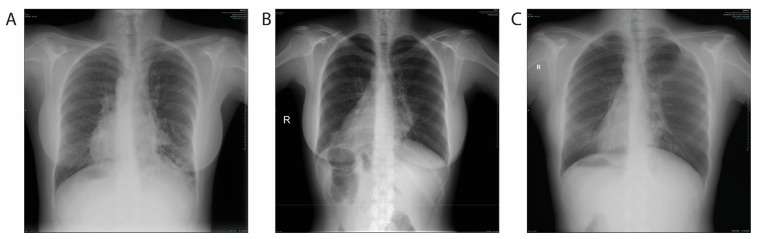 Figure 1
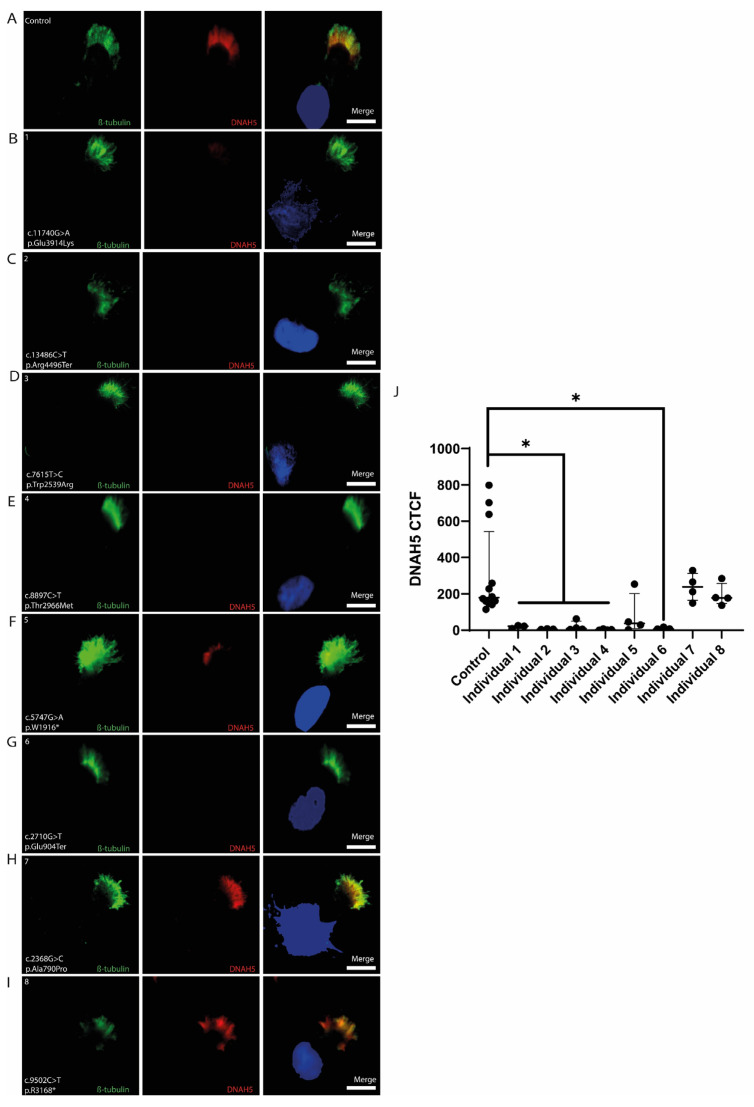 Figure 2
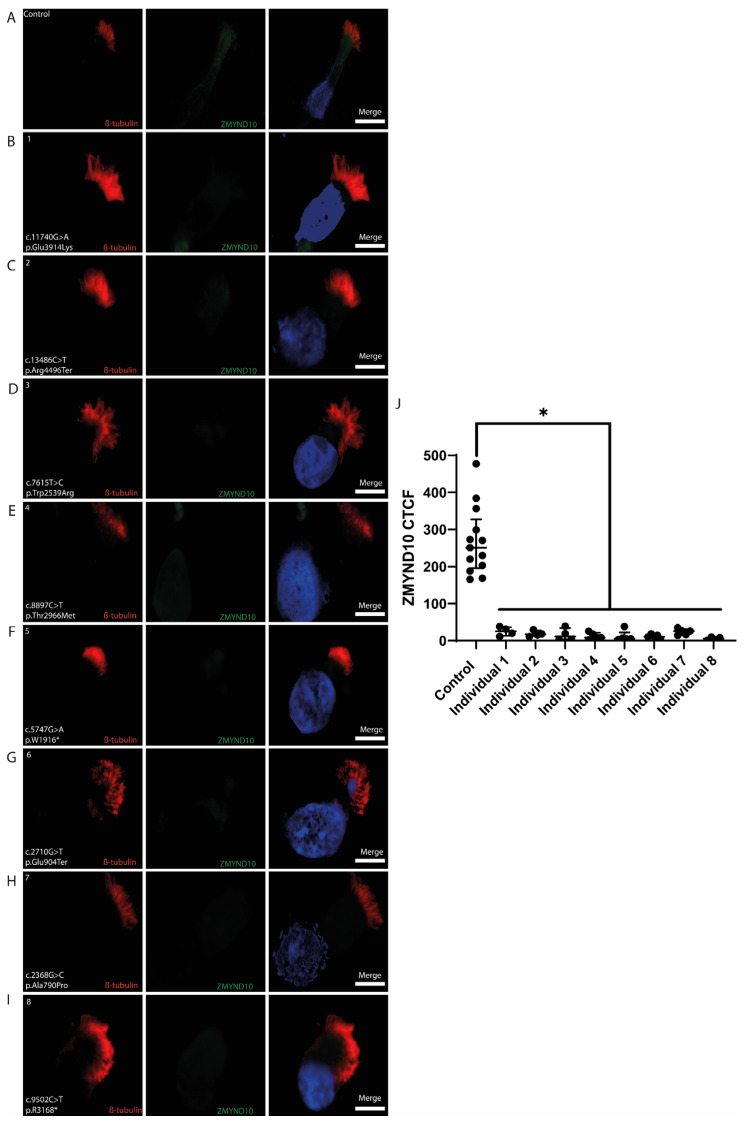 Figure 3
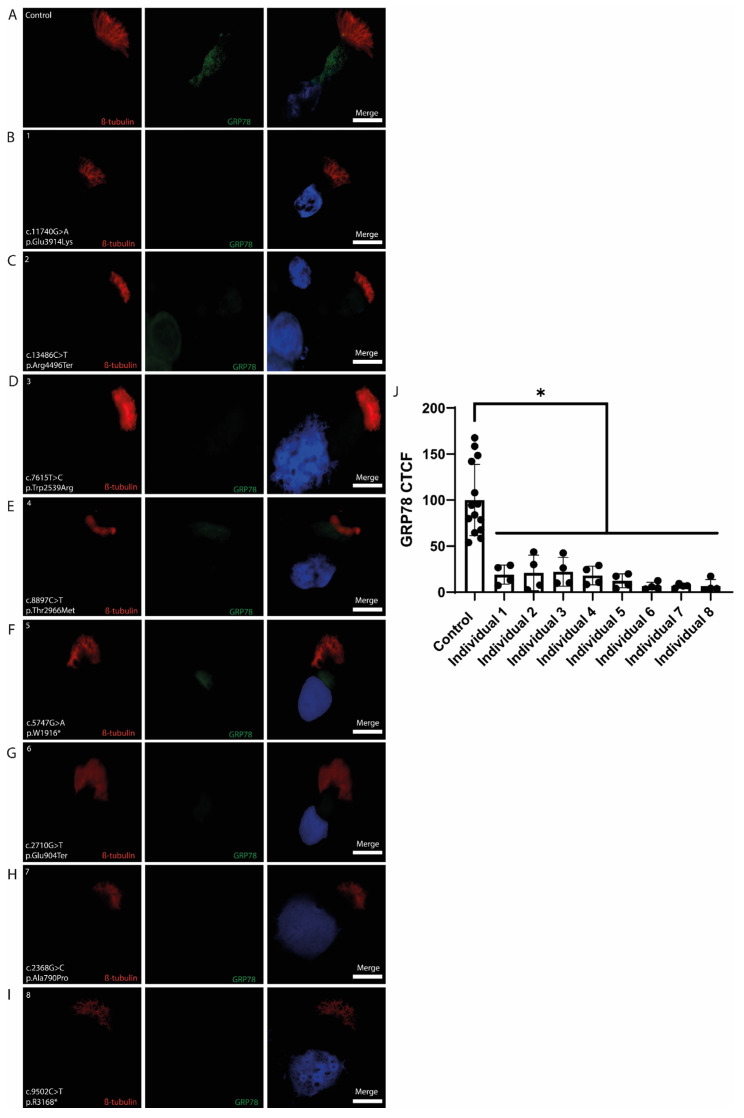 Figure 4
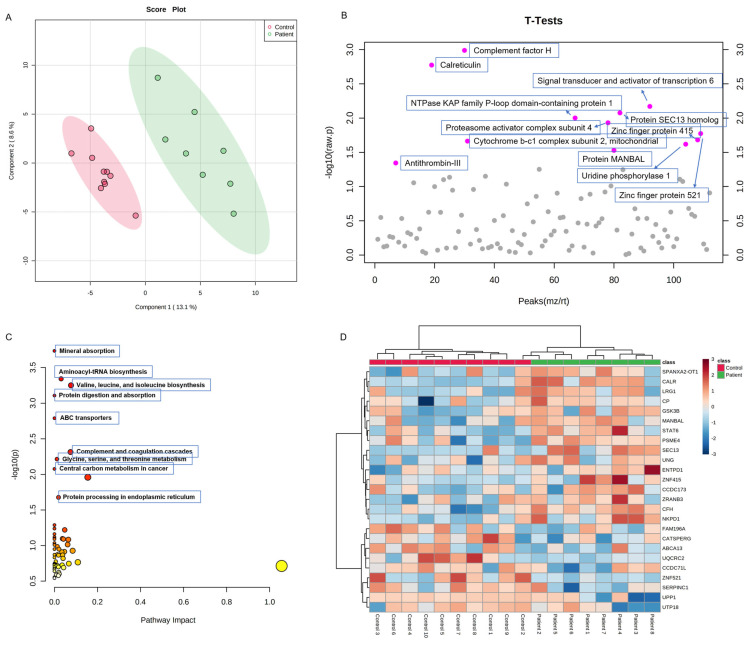 Figure 5
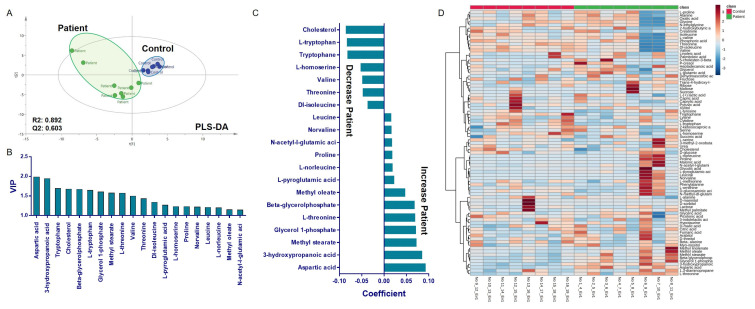 Figure 6
Peer Reviews
No public reviews on file for this paper yet. If you reviewed it on a platform where reviews are public (OpenReview, ICLR, NeurIPS, ICML), you can paste yours below so the community can read it here.
Videos
No videos yet. Explain this paper in a talk, walkthrough, or lecture? Add one.
Taxonomy
TopicsCystic Fibrosis Research Advances · Tissue Engineering and Regenerative Medicine · Genetic and Kidney Cyst Diseases