Anticancer drug synergy prediction based on CatBoost
Changheng Li, Nana Guan, Hongyi Zhang

TL;DR
This paper introduces a machine learning model using CatBoost to predict effective anticancer drug combinations, achieving strong performance and identifying key genes involved in drug synergy.
Contribution
A novel CatBoost-based model for predicting anticancer drug synergy with improved performance and biological insights via SHAP analysis.
Findings
The model achieved a ROC AUC of 0.9217 and outperformed three other advanced models in predicting drug synergy.
Drug features were more influential than cell line features in predicting synergy, according to SHAP analysis.
Genes like PTK2, CCND1, and GNA11 were identified as important in drug synergy prediction.
Abstract
The research of cancer treatments has always been a hot topic in the medical field. Multi-targeted combination drugs have been considered as an ideal option for cancer treatment. Since it is not feasible to use clinical experience or high-throughput screening to identify the complete combinatorial space, methods such as machine learning models offer the possibility to explore the combinatorial space effectively. In this work, we proposed a machine learning method based on CatBoost to predict the synergy scores of anticancer drug combinations on cancer cell lines, which utilized oblivious trees and ordered boosting technique to avoid overfitting and bias. The model was trained and tested using the data screened from NCI-ALMANAC dataset. The drugs were characterized with morgan fingerprints, drug target information, monotherapy information, and the cell lines were described with gene…
Genes, proteins, chemicals, diseases, species, mutations and cell lines named across the full text — each resolved to its canonical identifier and authoritative record.
Click any figure to enlarge with its caption.
 Figure 1
 Figure 2
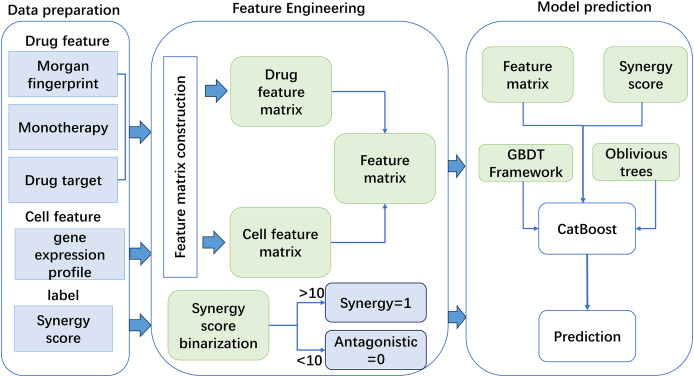 Figure 3
 Figure 4
 Figure 5
 Figure 6
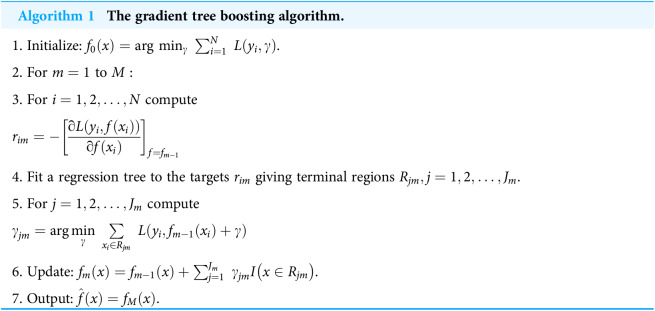 Figure 7
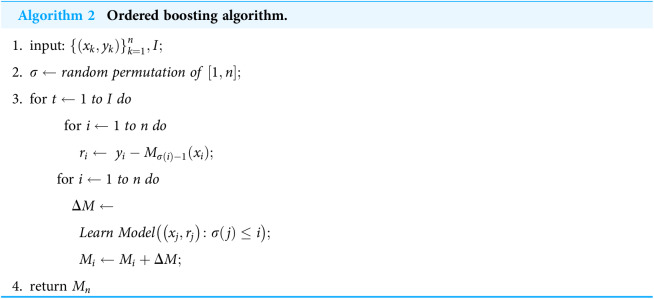 Figure 8
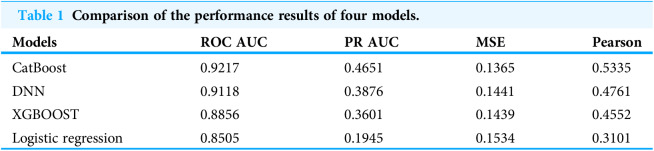 Figure 9
 Figure 10
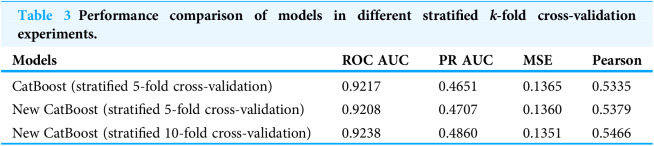 Figure 11
 Figure 12
 Figure 13
 Figure 14
 Figure 15
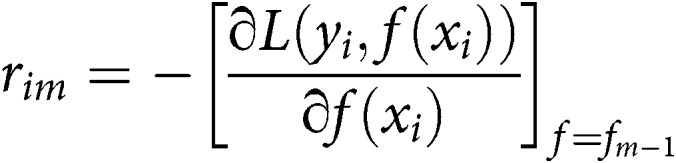 Figure 16
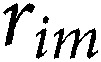 Figure 17
 Figure 18
 Figure 19
 Figure 20
 Figure 21
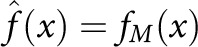 Figure 22
 Figure 23
 Figure 24
 Figure 25
 Figure 26
 Figure 27
 Figure 28
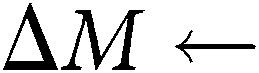 Figure 29
 Figure 30
 Figure 31
 Figure 32
 Figure 33
 Figure 34
 Figure 35
 Figure 36
 Figure 37
 Figure 38
Peer Reviews
No public reviews on file for this paper yet. If you reviewed it on a platform where reviews are public (OpenReview, ICLR, NeurIPS, ICML), you can paste yours below so the community can read it here.
Videos
No videos yet. Explain this paper in a talk, walkthrough, or lecture? Add one.
Taxonomy
TopicsComputational Drug Discovery Methods · Bioinformatics and Genomic Networks · Microbial Natural Products and Biosynthesis