Development of a Passive Back-Support Exoskeleton Mimicking Human Spine Motion for Multi-Posture Assistance in Occupational Tasks
Jiyuan Wu, Zhiquan Chen, Yinglong Zhang, Qi Zhang, Xingsong Wang, Mengqian Tian

TL;DR
A new passive back-support exoskeleton was developed to reduce muscle fatigue during prolonged static bending tasks like assembly work.
Contribution
The novel exoskeleton mimics human spine motion using a five-bar linkage and vertebrae-like units for multi-posture assistance.
Findings
The exoskeleton reduced erector spinae muscle activity by 10.1% (IEMG) and 9.78% (RMS) during a 30-minute bending task.
Metabolic rate decreased by 11.1% when using the exoskeleton, indicating reduced physical strain.
The design offers rigid support at various flexion angles while allowing dynamic movement.
Abstract
Passive back-support exoskeletons commonly employ elastic components to assist users during dynamic tasks. However, these designs are ineffective in providing sustained assistance for prolonged static bending postures, such as those required in surgery, assembly, and farming, where users experience continuous lumbar flexion. To address this limitation, a novel passive back-support exoskeleton inspired by the human spine is proposed in this work. The exoskeleton integrates a five-bar linkage mechanism with vertebrae-mimicking units, allowing for both dynamic flexion–extension movements and rigid support at various flexion angles. During the experiments, subjects are instructed to perform a 30-min forward-bending assembly task under two conditions: with and without wearing the exoskeleton. Compared to the free condition, the electromyography results indicate a 10.1% reduction in…
Genes, proteins, chemicals, diseases, species, mutations and cell lines named across the full text — each resolved to its canonical identifier and authoritative record.
Click any figure to enlarge with its caption.
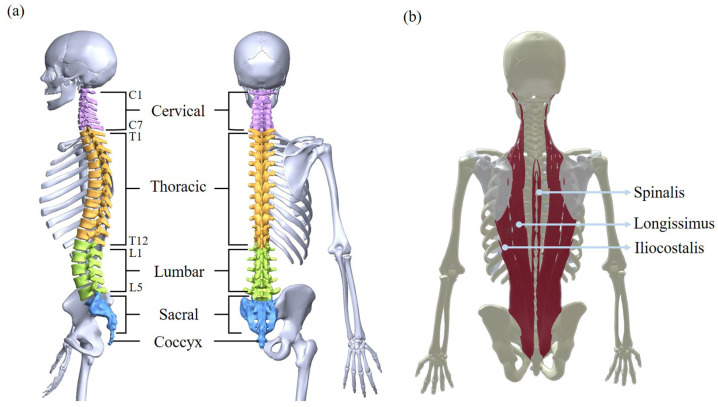 Figure 1
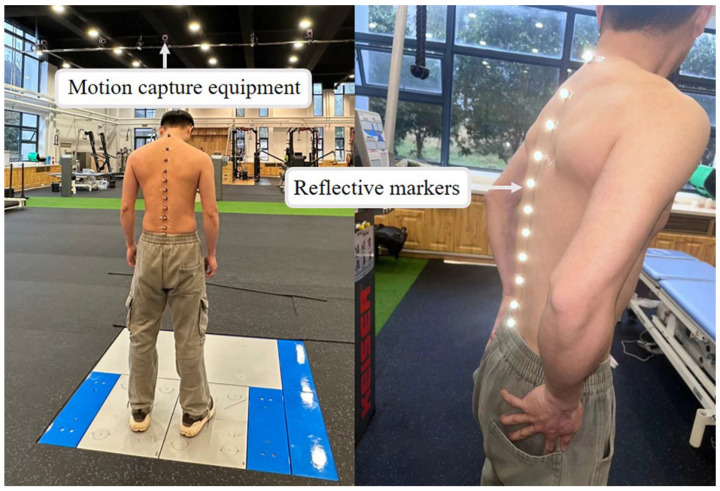 Figure 2
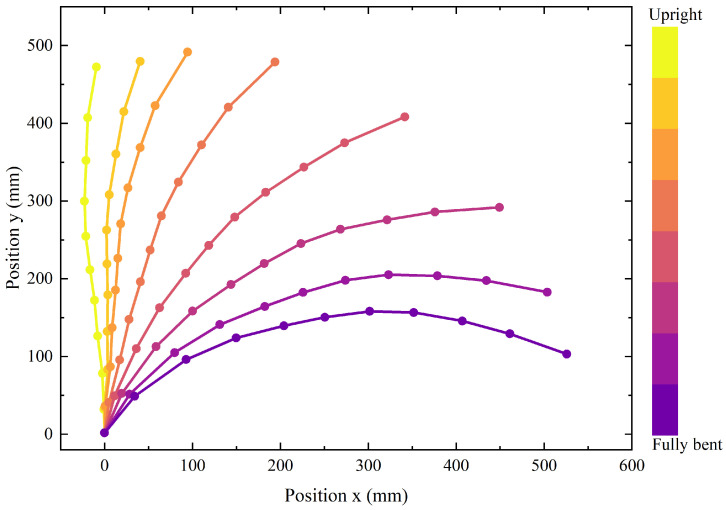 Figure 3
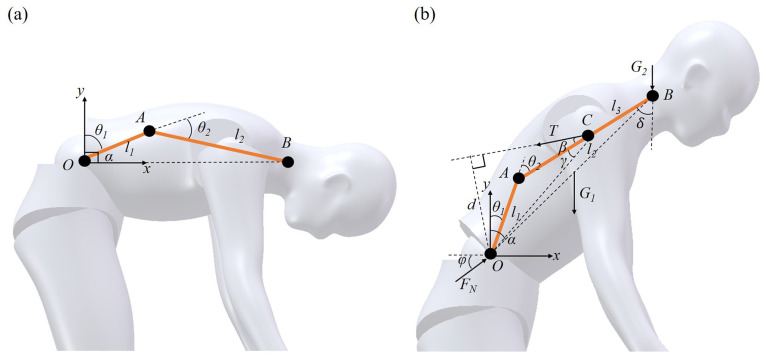 Figure 4
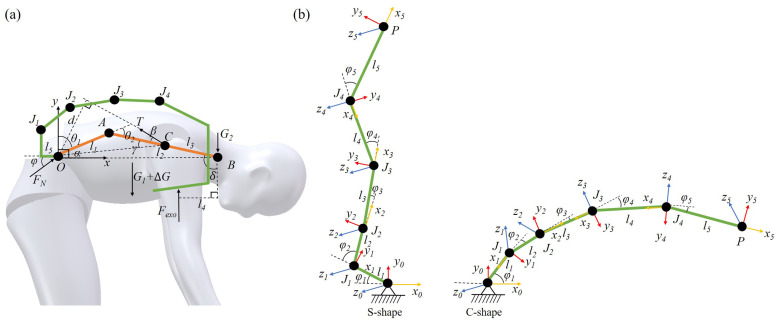 Figure 5
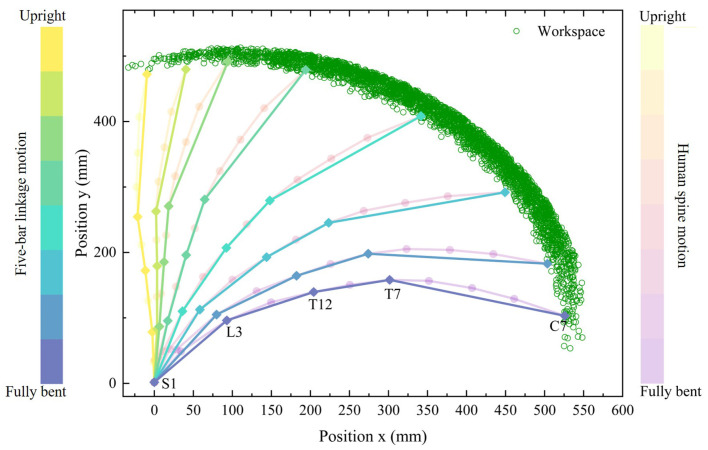 Figure 6
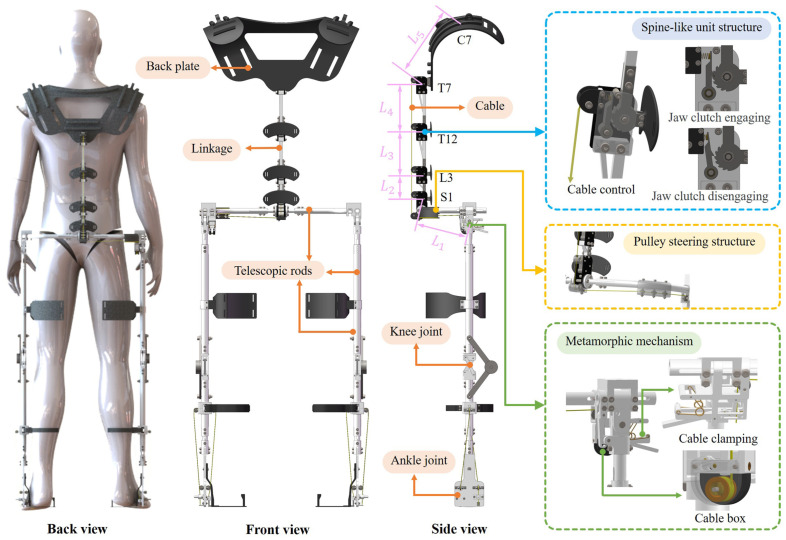 Figure 7
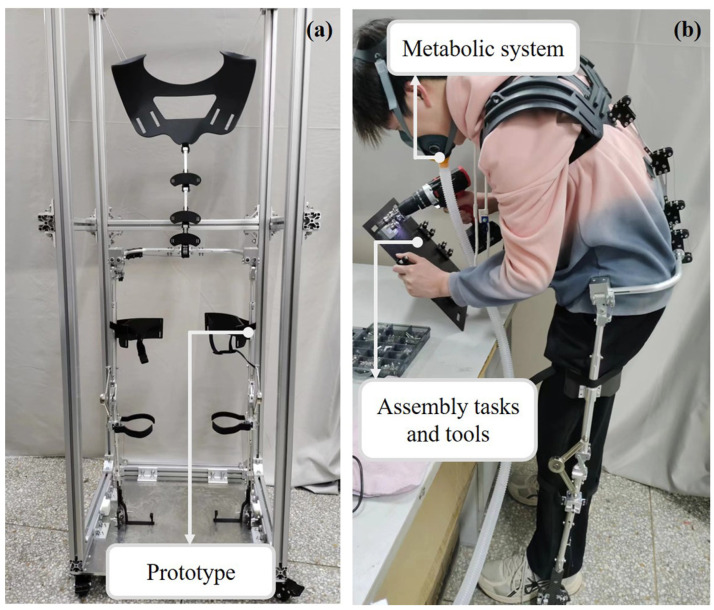 Figure 8
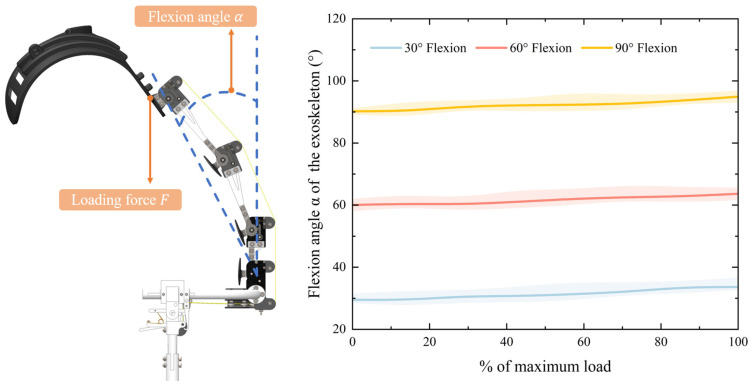 Figure 9
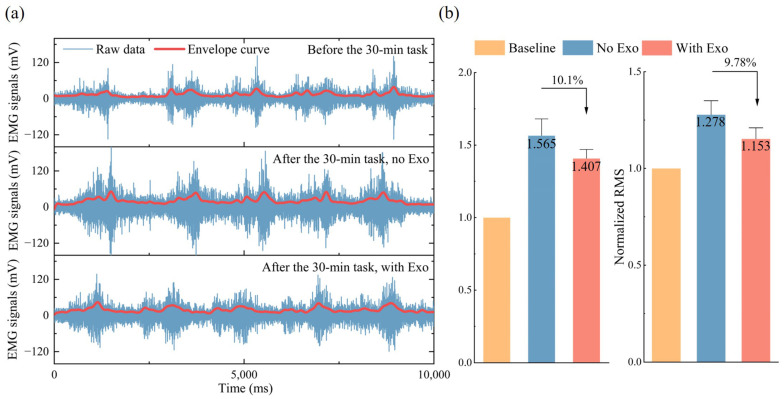 Figure 10
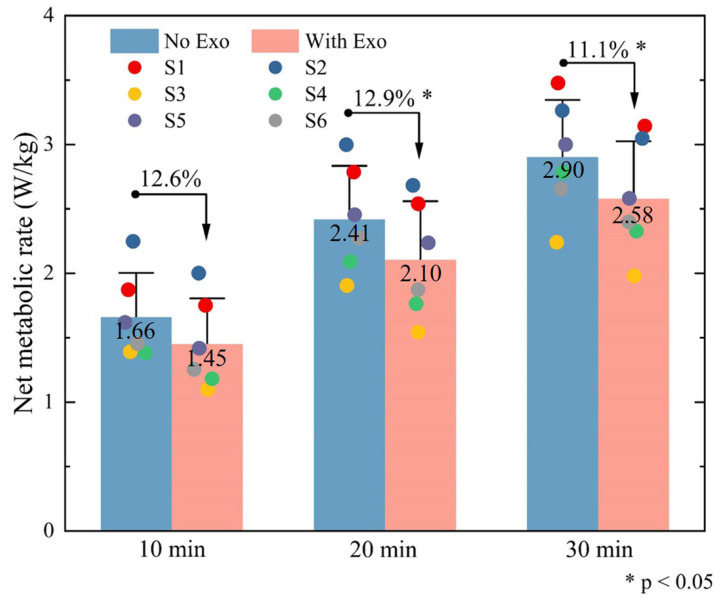 Figure 11
Peer Reviews
No public reviews on file for this paper yet. If you reviewed it on a platform where reviews are public (OpenReview, ICLR, NeurIPS, ICML), you can paste yours below so the community can read it here.
Videos
No videos yet. Explain this paper in a talk, walkthrough, or lecture? Add one.
Taxonomy
TopicsMusculoskeletal pain and rehabilitation · Ergonomics and Musculoskeletal Disorders · Stroke Rehabilitation and Recovery