JGURD: joint gradient update relational direction-enhanced method for knowledge graph completion
Lianhong Ding, Mengxiao Li, Shengchang Gao, Juntao Li, Ruiping Yuan, Jianye Yu

TL;DR
JGURD is a new method for completing knowledge graphs that better uses relationship directions and improves performance over existing techniques.
Contribution
JGURD introduces a joint gradient update mechanism with relational direction information and a relation correlation graph for enhanced knowledge graph completion.
Findings
JGURD outperforms HHAN-KGC in knowledge graph completion tasks.
Hits@3 and MRR metrics improved by 6.8% and 8.9% on the FB15k dataset.
A relation correlation graph captures local and global structures effectively.
Abstract
Relational direction plays an important role in multi-relational knowledge graphs (KGs). Current knowledge graph completion (KGC) methods suffer from insufficient utilization of relation correlation information. To address this issue, this article proposes a novel KGC framework, namely JGURD, which uses the encoder-decoder structure to achieve Joint Gradient Update with Relational Direction information. It combines graph convolutional networks (GCNs) with KG embedding methods, defining a update mechanism for entities and relationships to joint gradient updates. To incorporate entity information into the update of relationships, the forward propagation gradients of the triple score function are recorded, and entity gradient information is fused into relationship updates. To fully utilize relational direction information, a relation correlation graph (RCG) is constructed based on the…
Genes, proteins, chemicals, diseases, species, mutations and cell lines named across the full text — each resolved to its canonical identifier and authoritative record.
Click any figure to enlarge with its caption.
 Figure 1
 Figure 2
 Figure 3
 Figure 4
 Figure 5
 Figure 6
 Figure 7
 Figure 8
 Figure 9
 Figure 10
 Figure 11
 Figure 12
 Figure 13
 Figure 14
 Figure 15
 Figure 16
 Figure 17
 Figure 18
 Figure 19
 Figure 20
 Figure 21
 Figure 22
 Figure 23
 Figure 24
 Figure 25
 Figure 26
 Figure 27
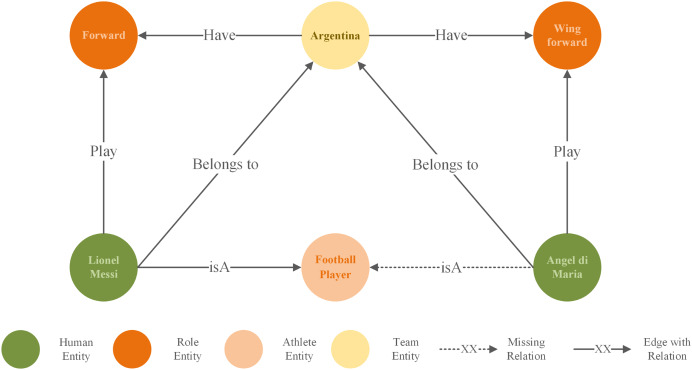 Figure 28
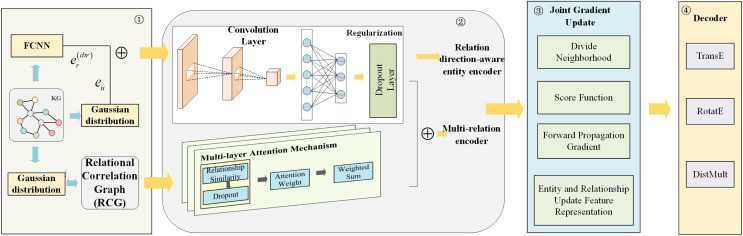 Figure 29
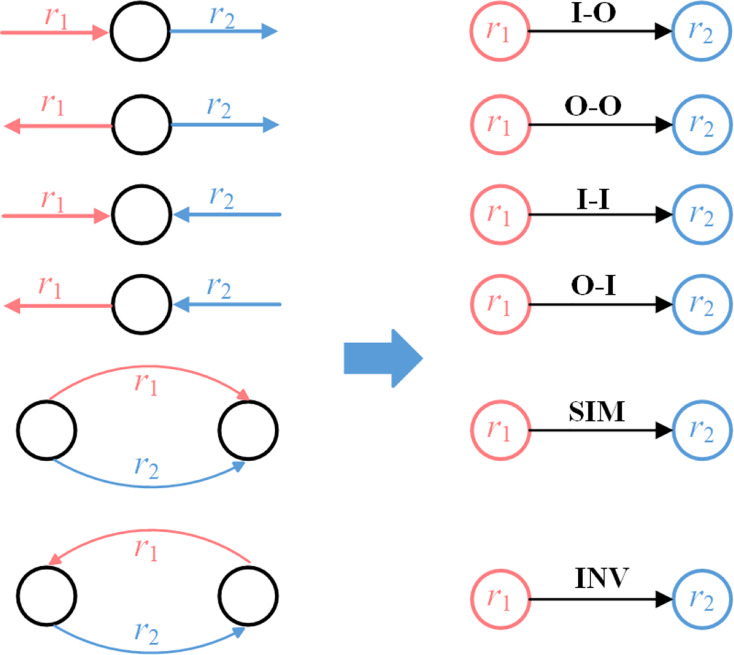 Figure 30
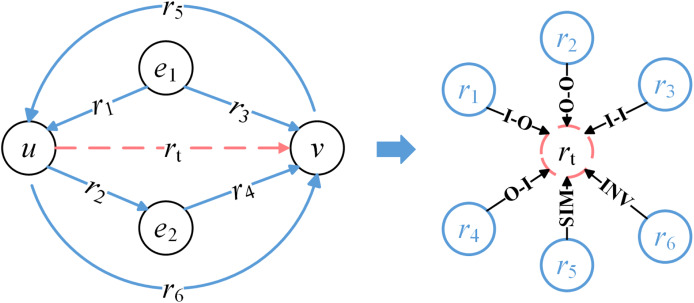 Figure 31
 Figure 32
 Figure 33
 Figure 34
 Figure 35
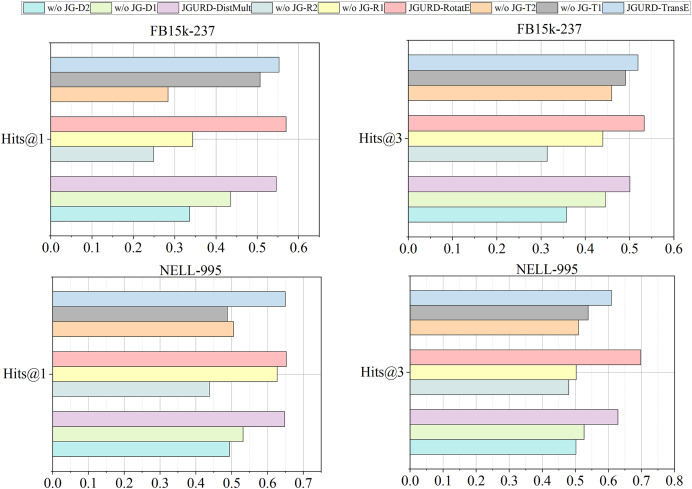 Figure 36
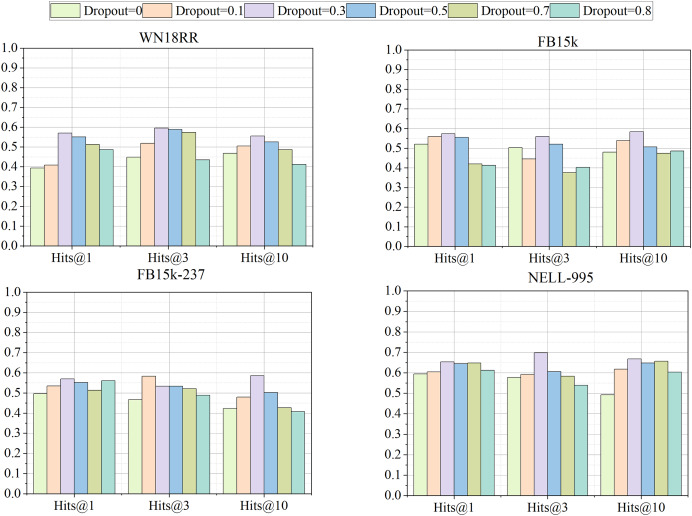 Figure 37
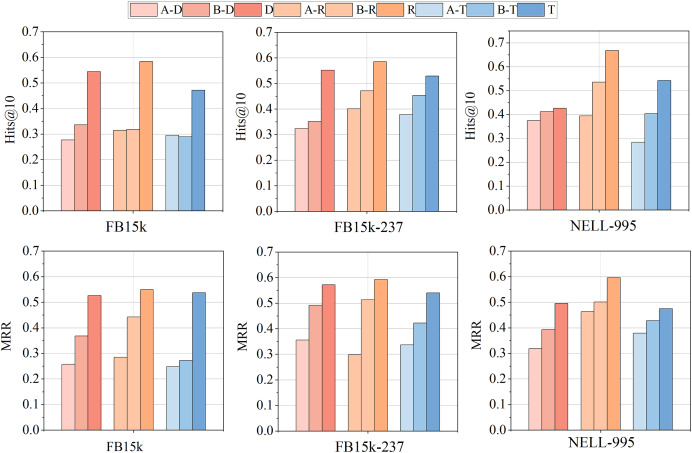 Figure 38
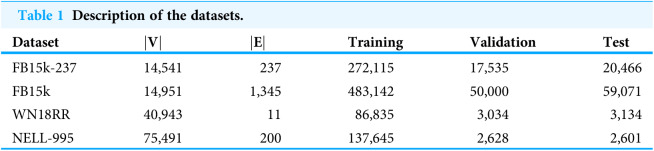 Figure 39
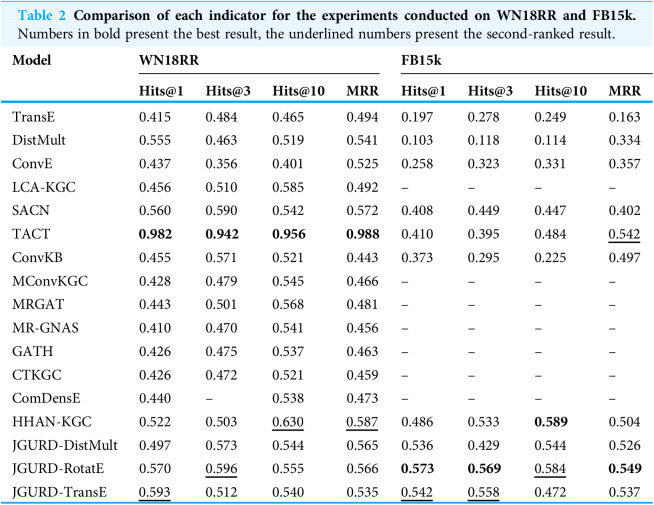 Figure 40
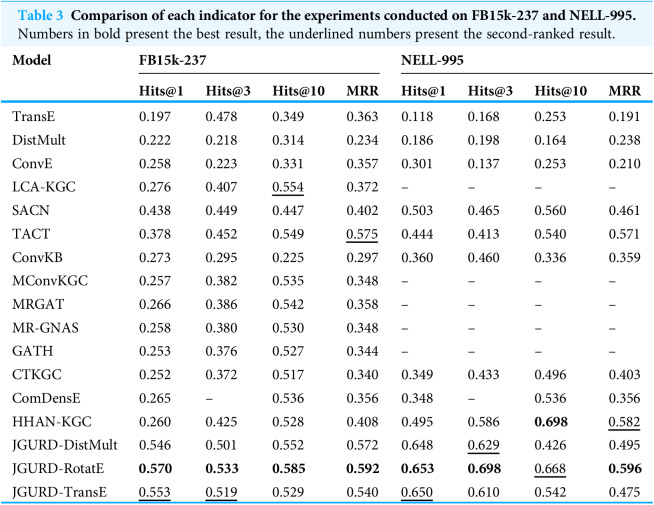 Figure 41
 Figure 42
 Figure 43
 Figure 44
 Figure 45
 Figure 46
 Figure 47
 Figure 48
 Figure 49
 Figure 50
Peer Reviews
No public reviews on file for this paper yet. If you reviewed it on a platform where reviews are public (OpenReview, ICLR, NeurIPS, ICML), you can paste yours below so the community can read it here.
Videos
No videos yet. Explain this paper in a talk, walkthrough, or lecture? Add one.
Taxonomy
TopicsAdvanced Graph Neural Networks · Multimodal Machine Learning Applications · Text and Document Classification Technologies