Research on the Hydrodynamic Performance of Manta Rays Using a 2D CFD Model
Wenxian Li, Kai Ni, Cunjun Li, Chaoqiang Nan, Shijie Su

TL;DR
This study uses a 2D CFD model to explore how manta rays' swimming motion affects their hydrodynamic performance and identifies optimal parameters for efficient propulsion.
Contribution
The research introduces a 2D CFD model to analyze the effects of wave number, amplitude, and frequency on manta ray hydrodynamics.
Findings
Low-amplitude, high-frequency propulsion with an optimal wave number improves energy utilization in manta rays.
Maximum thrust of 8.55 N is achieved at 1 Hz frequency, 0.3 c amplitude, and 0.4 wave number.
Quasi-propulsive efficiency peaks at 82.4% with 0.8 Hz frequency, 0.3 c amplitude, and 0.4 wave number.
Abstract
Currently, the most commonly used method to study the hydrodynamic performance of manta rays is computational fluid dynamics (CFD) simulation. In this research, we investigated the effects of kinematic parameters—specifically wave number, amplitude, and frequency—on the hydrodynamic performance of manta rays during the swimming process by constructing a 2D CFD model. First, we verified the reasonableness of the 2D simulation. Subsequently, a 2D simulation was used to study the hydrodynamic performance of manta ray pectoral fins, and it was concluded that using low-amplitude, high-frequency propulsion with an optimal wave number has better energy utilization. Finally, we conducted orthogonal experiments, which revealed that the thrust reaches a maximum value of 8.55 N at a frequency of 1 Hz, amplitude of 0.3 c, and wave number of 0.4, and the quasi-propulsive efficiency reaches a maximum…
Genes, proteins, chemicals, diseases, species, mutations and cell lines named across the full text — each resolved to its canonical identifier and authoritative record.
Click any figure to enlarge with its caption.
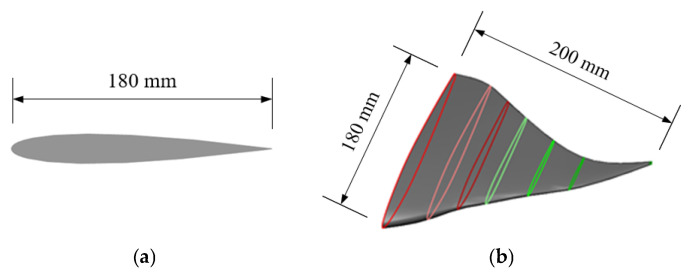 Figure 1
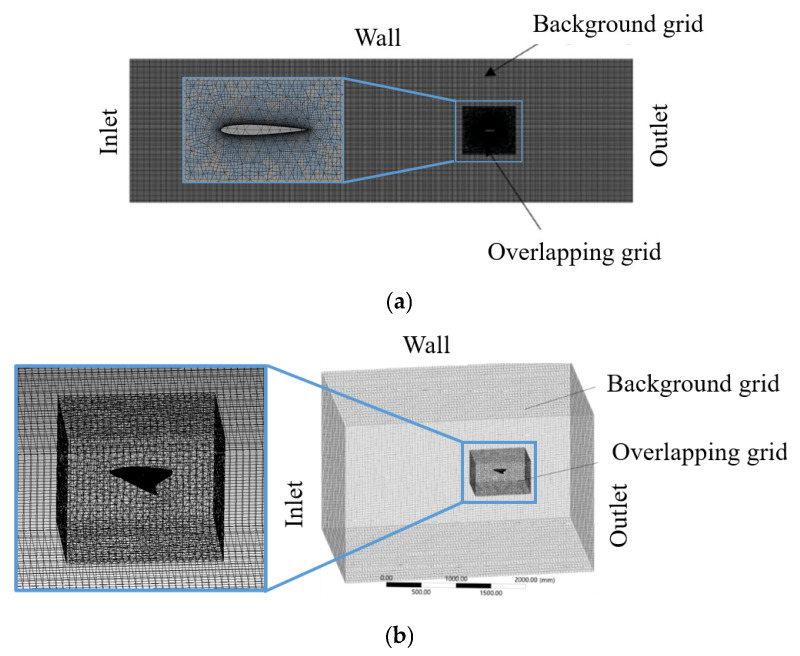 Figure 2
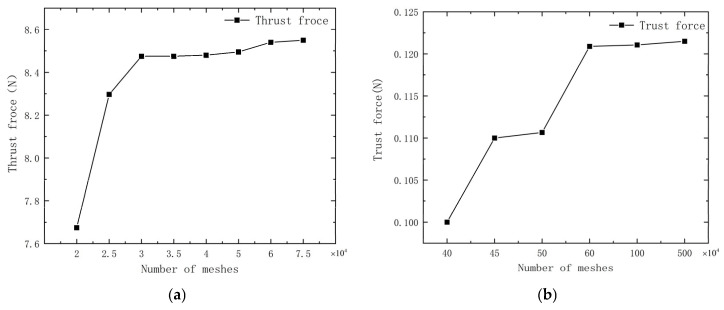 Figure 3
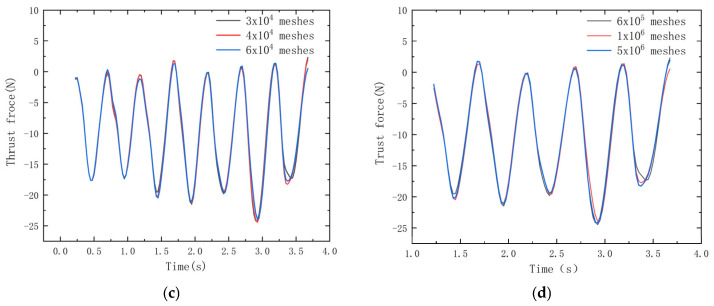 Figure 4
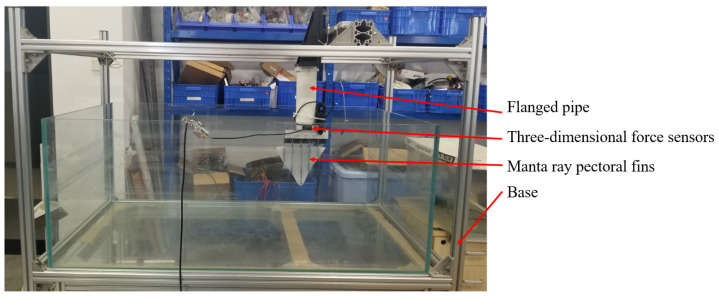 Figure 5
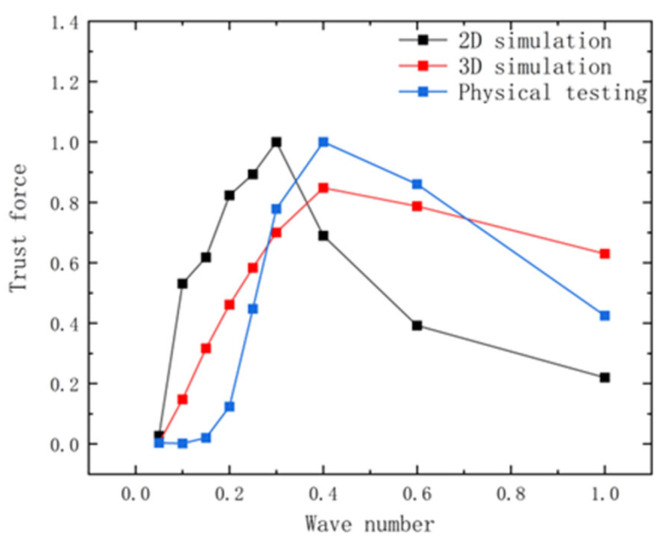 Figure 6
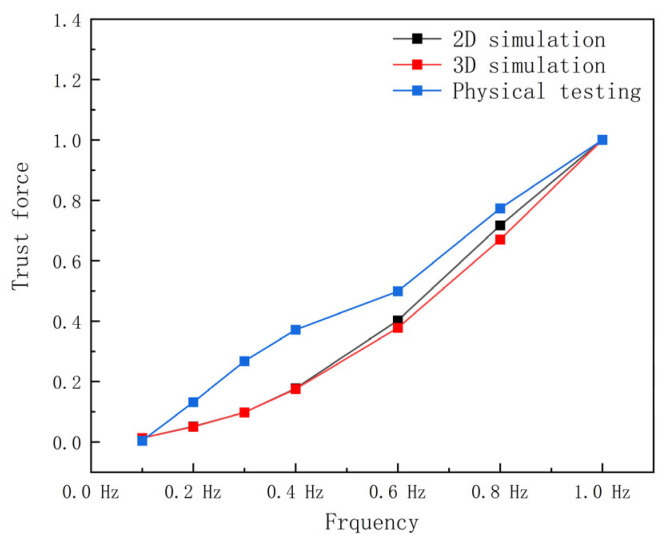 Figure 7
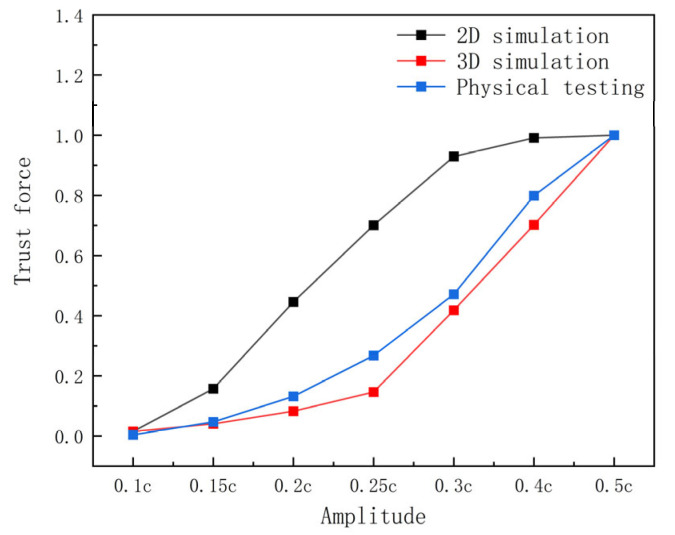 Figure 8
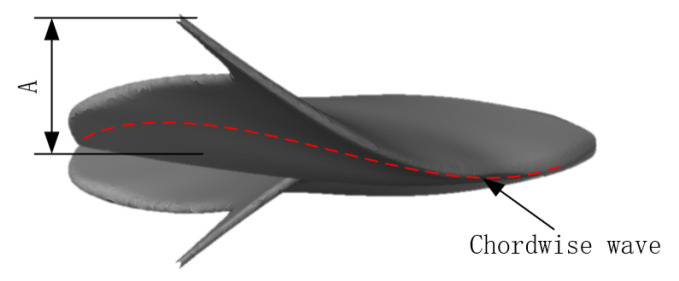 Figure 9
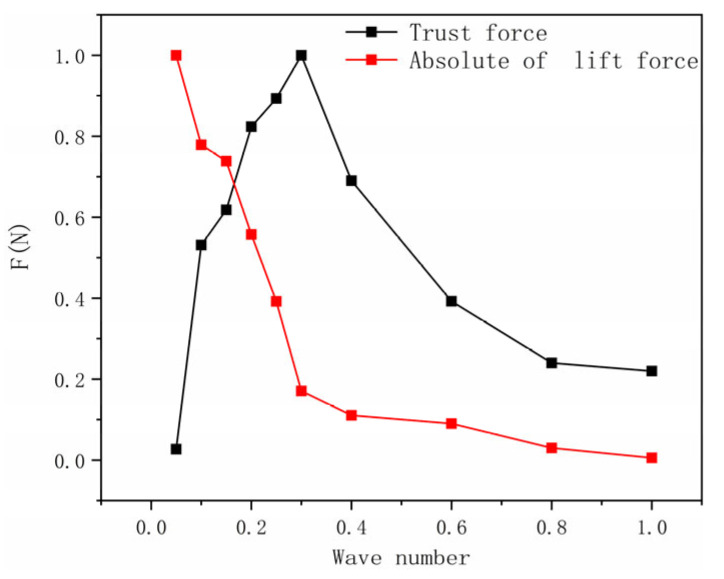 Figure 10
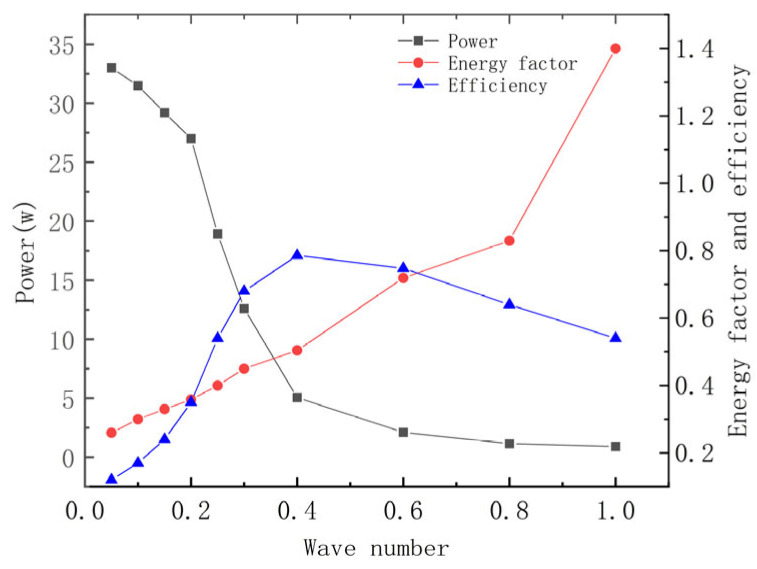 Figure 11
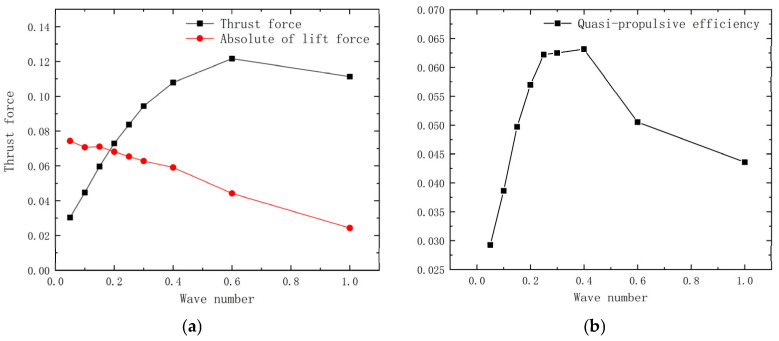 Figure 12
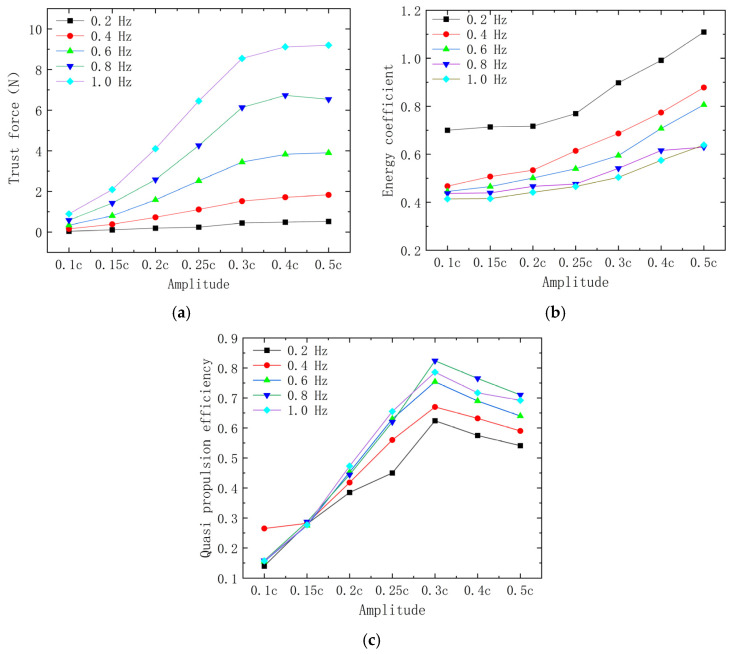 Figure 13
 Figure 14
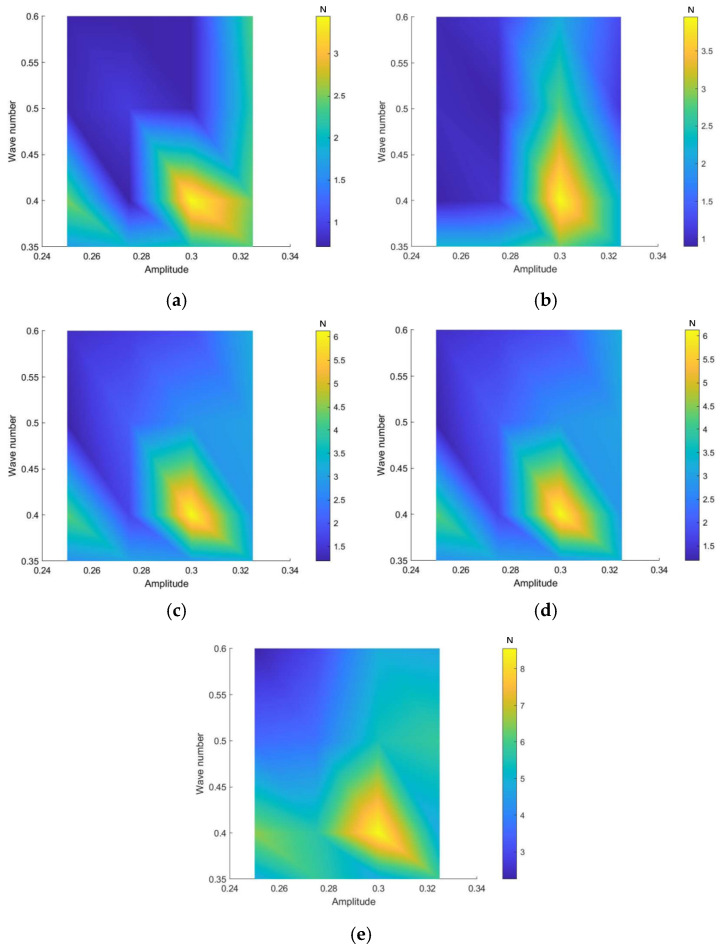 Figure 15
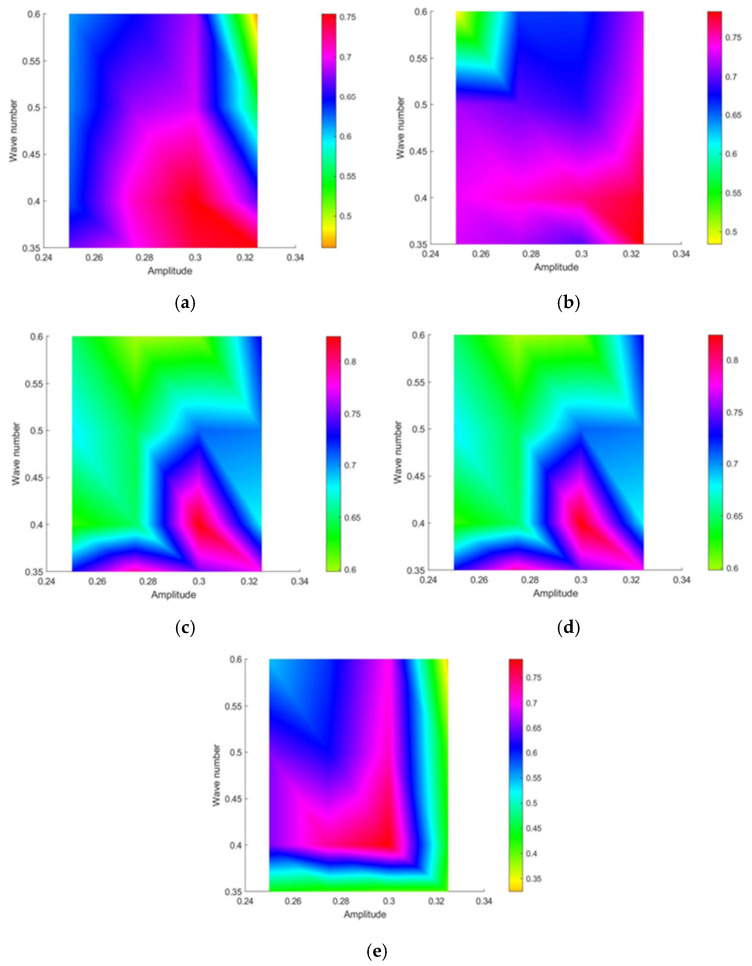 Figure 16
Peer Reviews
No public reviews on file for this paper yet. If you reviewed it on a platform where reviews are public (OpenReview, ICLR, NeurIPS, ICML), you can paste yours below so the community can read it here.
Videos
No videos yet. Explain this paper in a talk, walkthrough, or lecture? Add one.
Taxonomy
TopicsBiomimetic flight and propulsion mechanisms · Icing and De-icing Technologies · Aerospace Engineering and Energy Systems