Unbiased machine learning-assisted approach for conditional discretization of human performances
Thepparit Banditwattanawong, Masawee Masdisornchote

TL;DR
This paper introduces new machine learning methods to fairly categorize human performance rankings under specific conditions.
Contribution
Proposes four novel methods for conditional performance discretization using machine learning and a heuristic approach.
Findings
Machine-learning-based methods outperformed the heuristic approach in most datasets.
The heuristic method showed strong performance on a specific dataset with high conditional unbiasedness.
The multi-modal approach effectively combines methods for better conditional discretization.
Abstract
Performance discretization maps numerical performance values to ordinal categories or performance ranking labels. Norm-referenced performance discretization is extensively applied in human performance evaluation such as grading academic achievements and determining salary increases for employees. These tasks stipulate a common condition that certain performance ranking labels might have no associated performance values and are referred to as conditional discretization. Currently, the only statistical method available for norm-referenced performance discretization is Z score, which merely addresses partial conditions. To achieve a fully conditionally norm-referenced performance discretization, this article proposes four novel approaches enlisting a multi-modal technique that incorporates unsupervised machine-learning algorithms and a heuristic method as well as a novel decision function…
Genes, proteins, chemicals, diseases, species, mutations and cell lines named across the full text — each resolved to its canonical identifier and authoritative record.
Click any figure to enlarge with its caption.
 Figure 1
 Figure 2
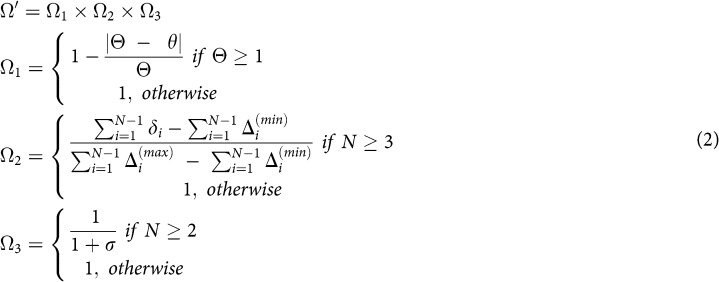 Figure 3
 Figure 4
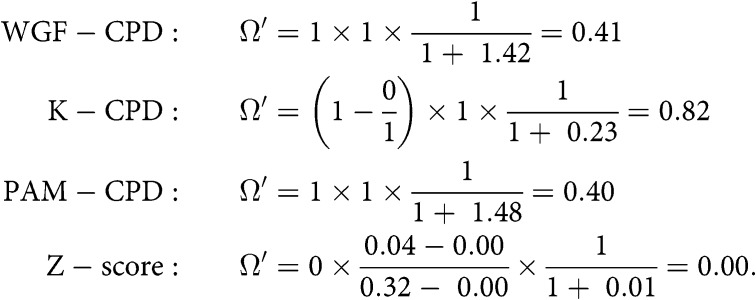 Figure 5
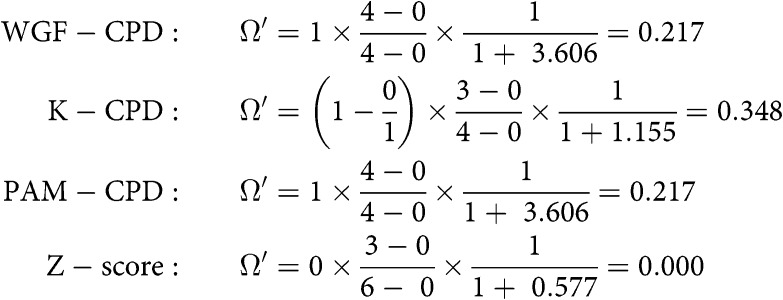 Figure 6
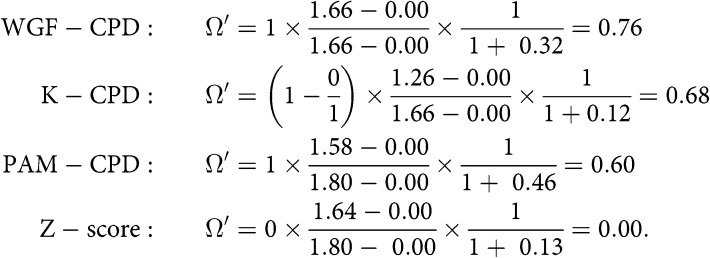 Figure 7
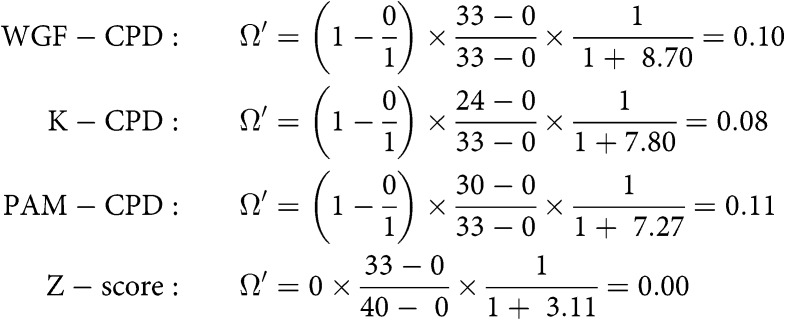 Figure 8
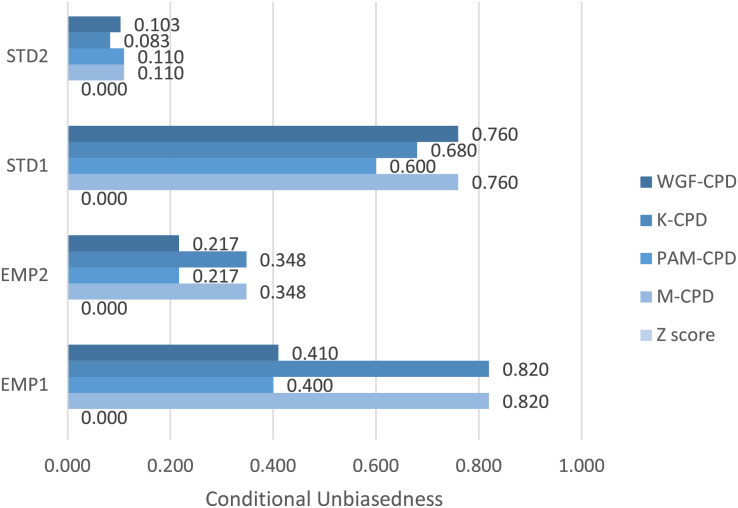 Figure 9
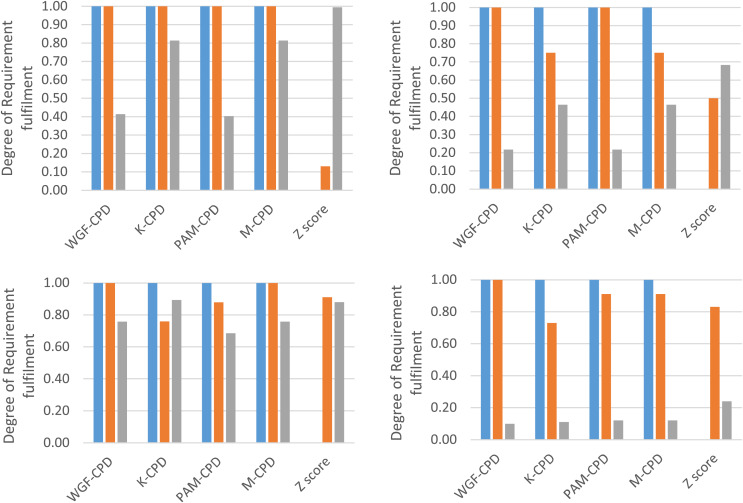 Figure 10
 Figure 11
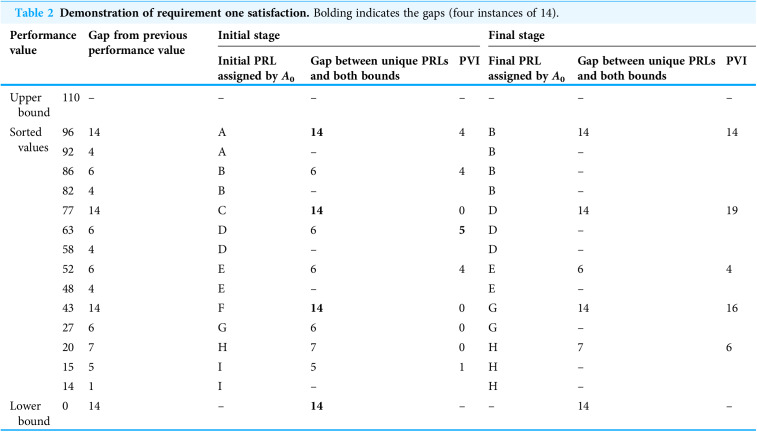 Figure 12
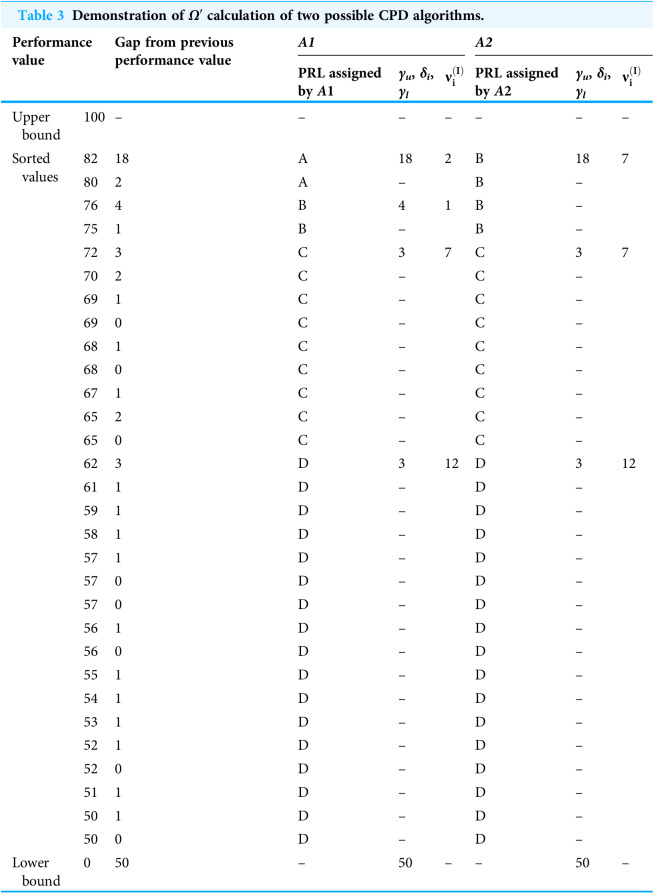 Figure 13
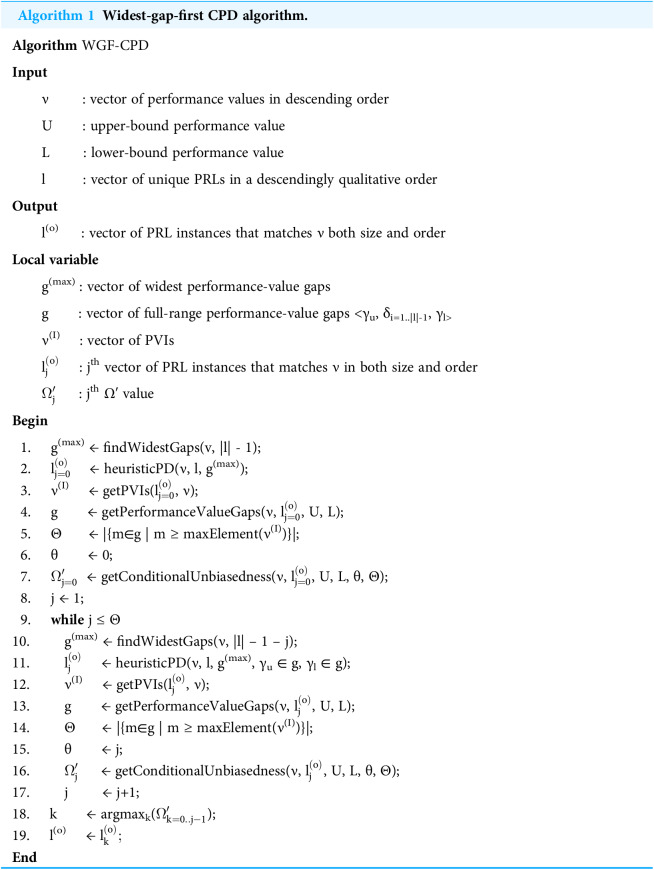 Figure 14
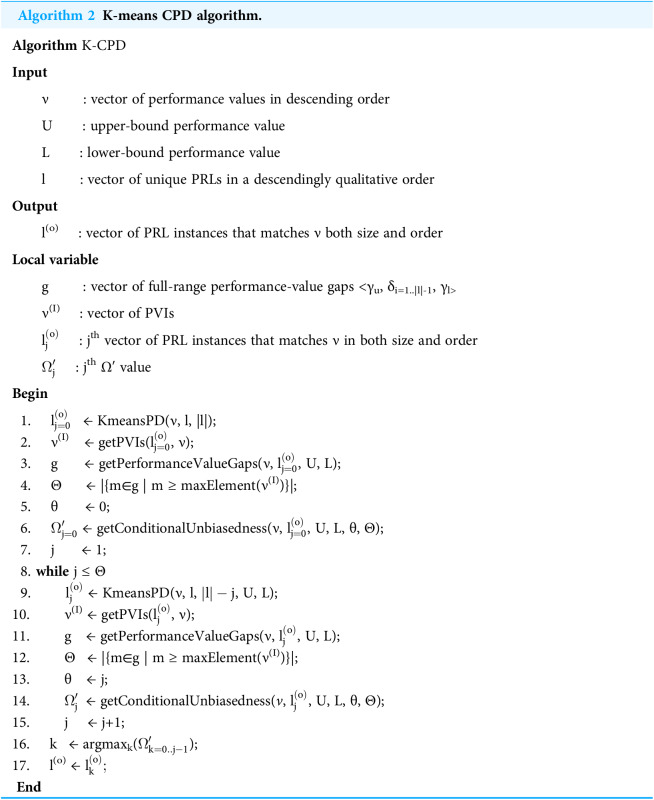 Figure 15
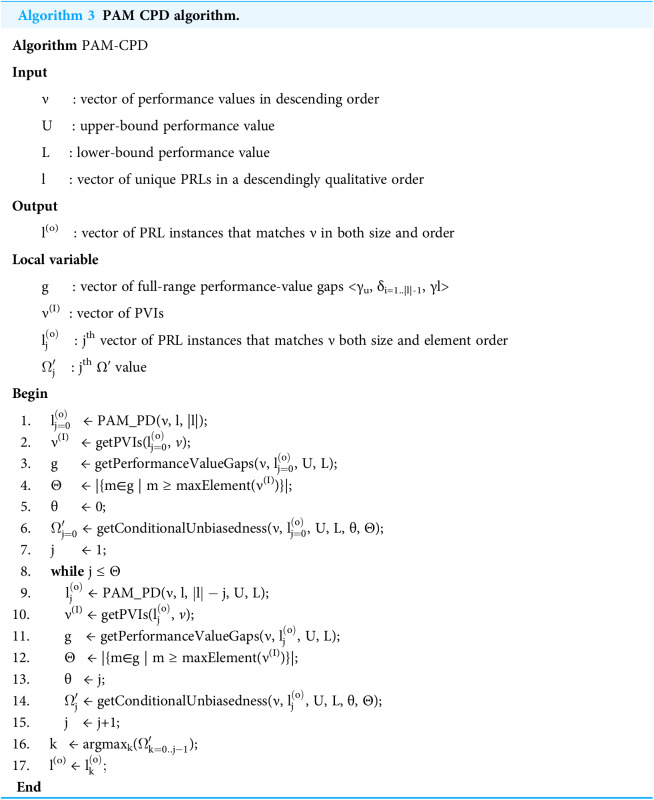 Figure 16
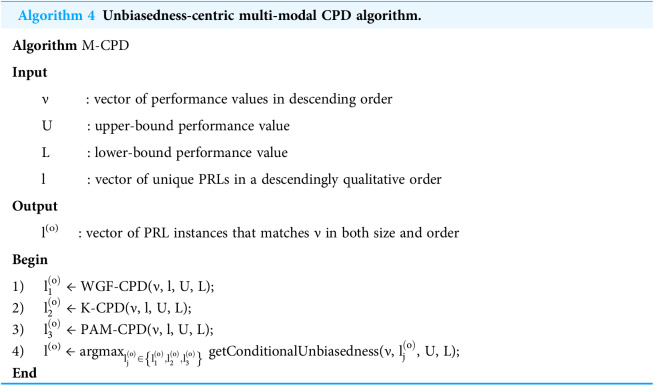 Figure 17
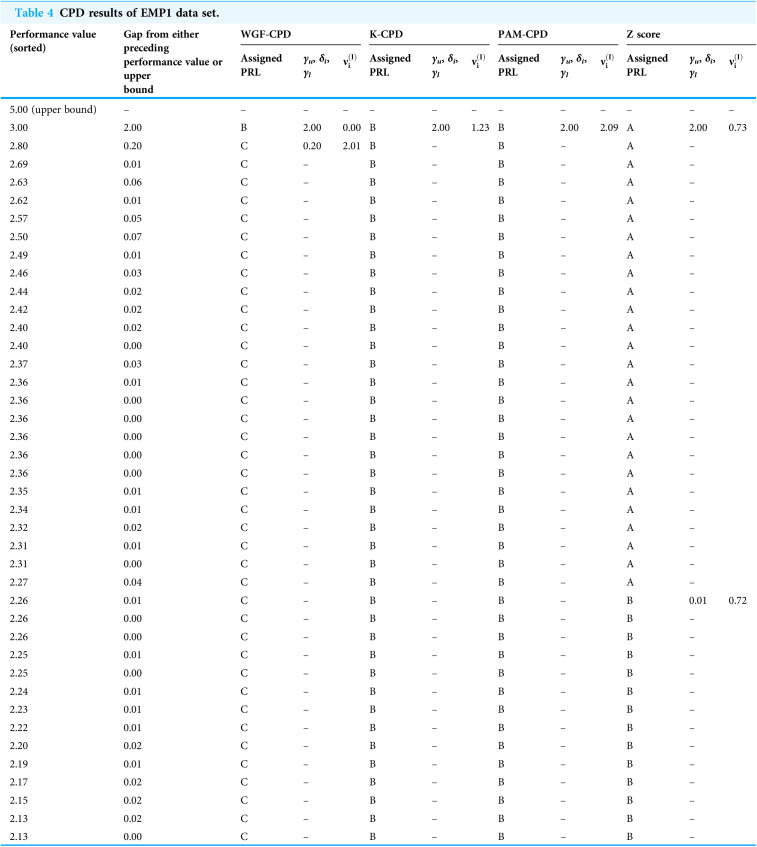 Figure 18
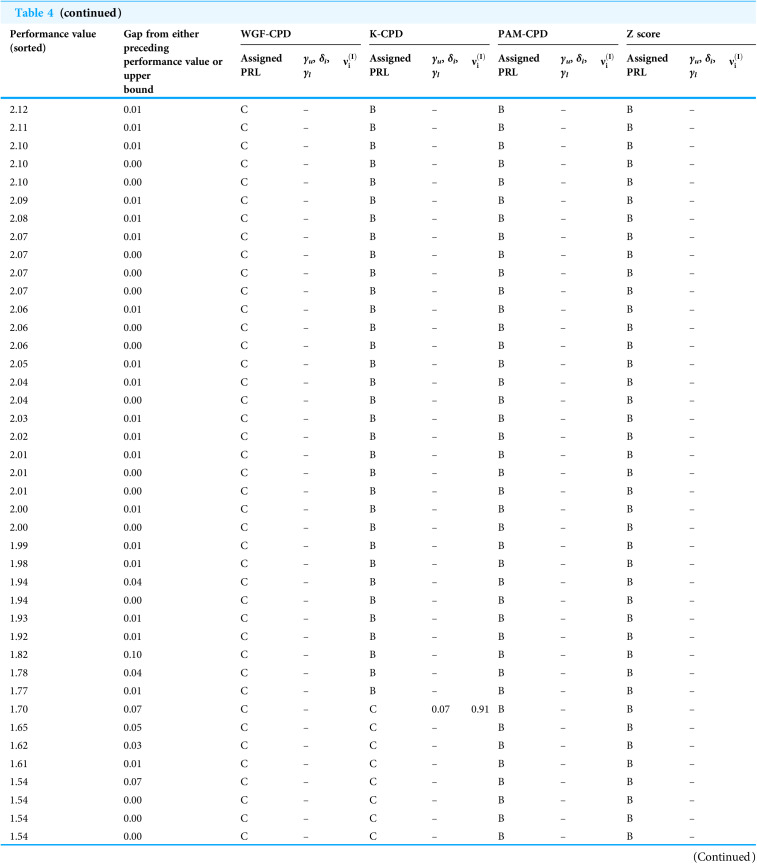 Figure 19
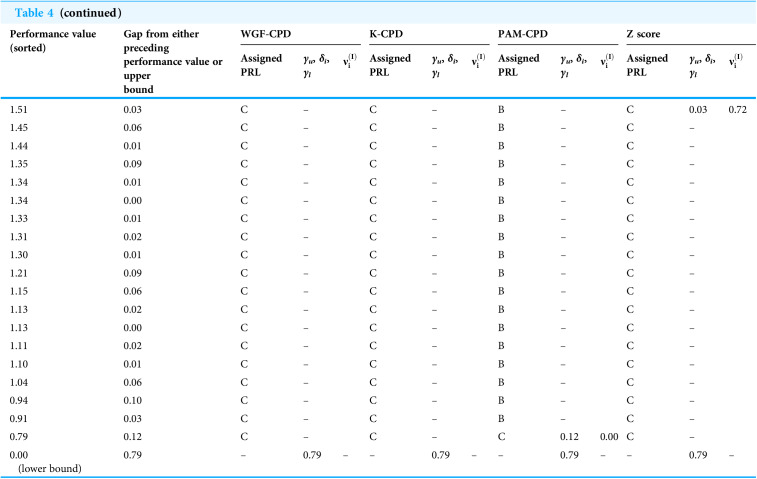 Figure 20
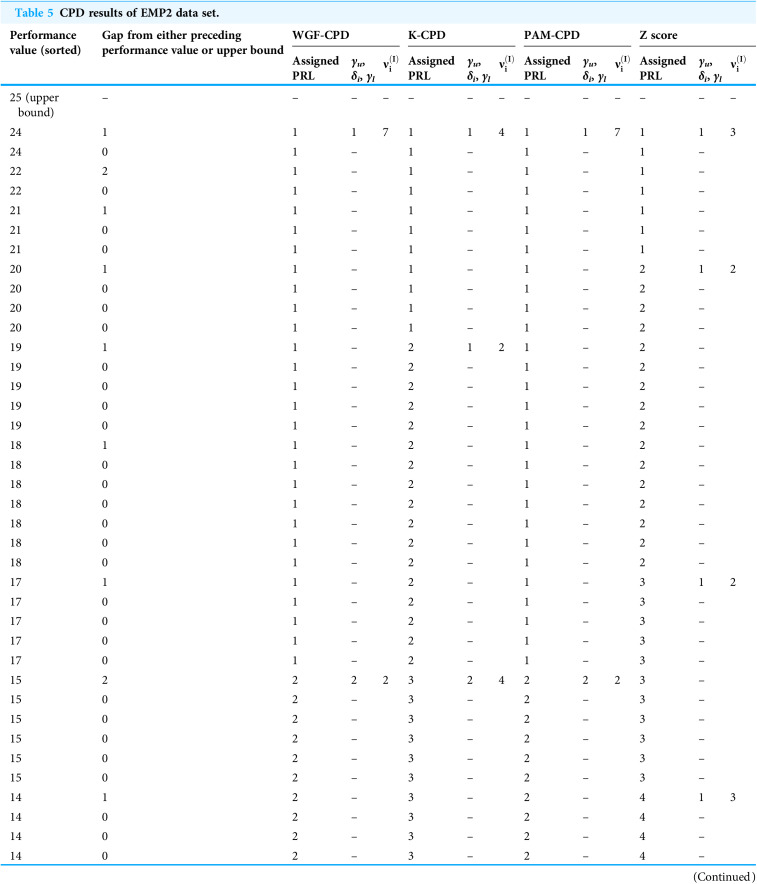 Figure 21
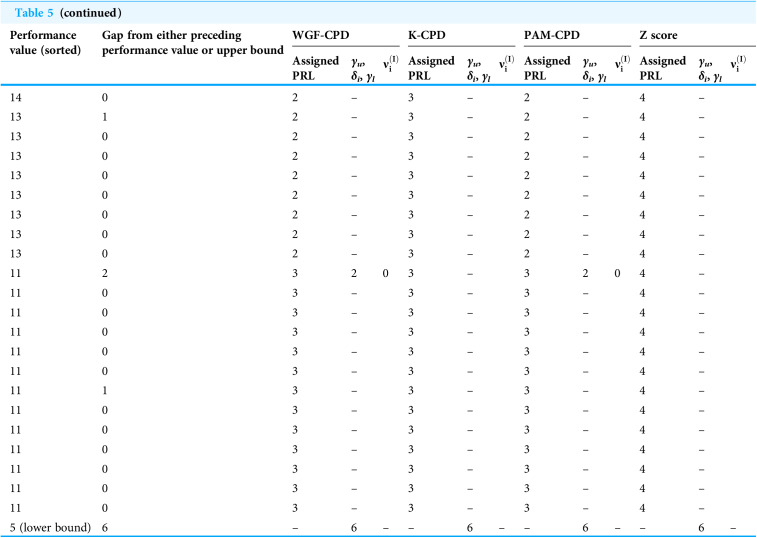 Figure 22
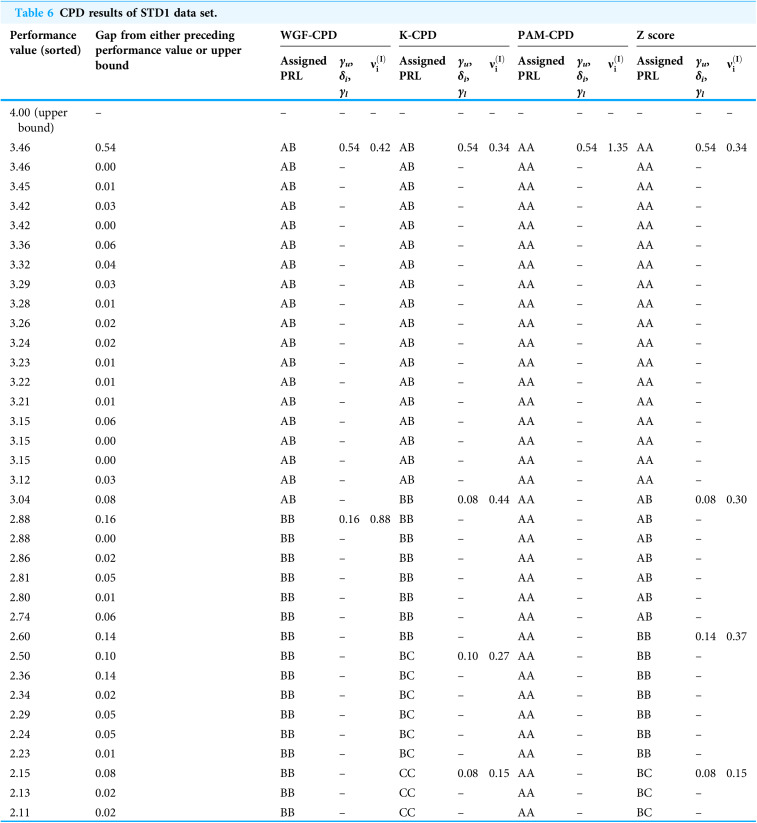 Figure 23
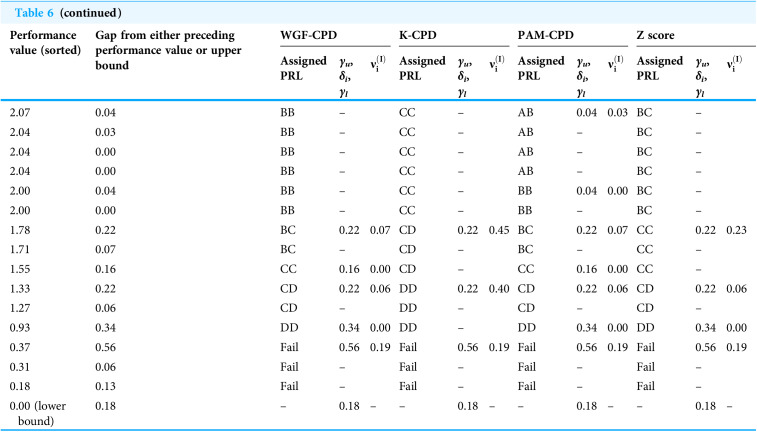 Figure 24
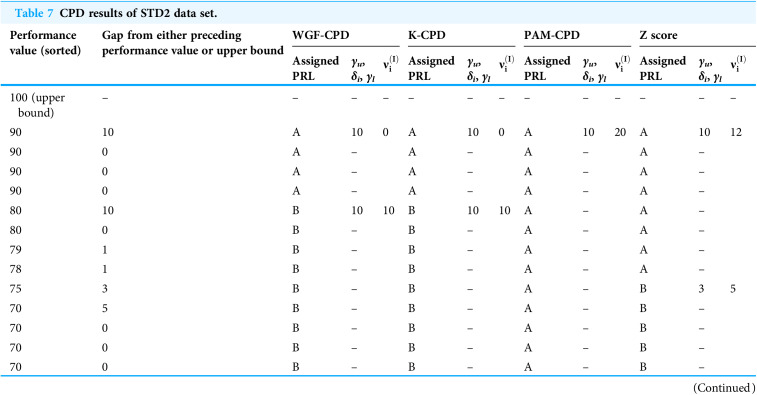 Figure 25
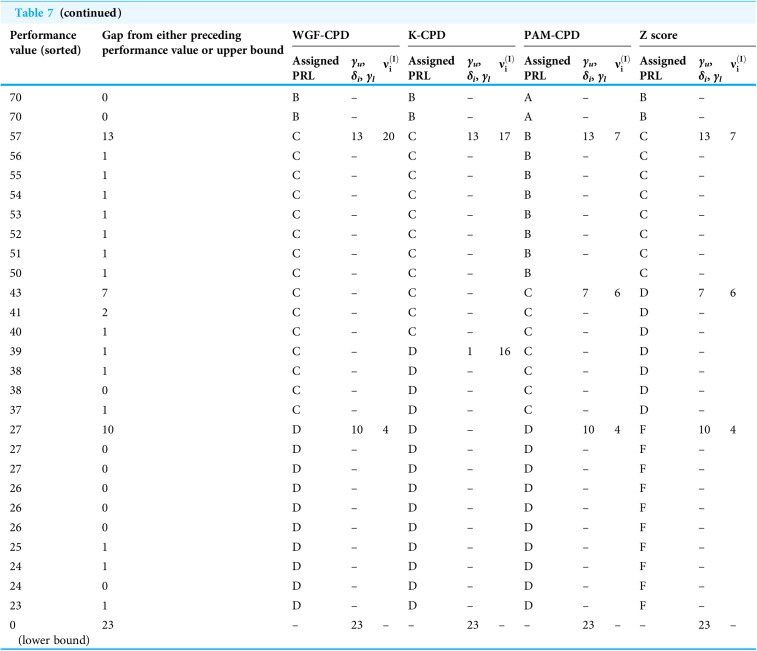 Figure 26
 Figure 27
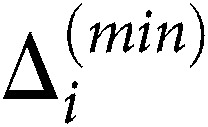 Figure 28
 Figure 29
 Figure 30
 Figure 31
 Figure 32
 Figure 33
 Figure 34
 Figure 35
 Figure 36
 Figure 37
 Figure 38
 Figure 39
 Figure 40
 Figure 41
 Figure 42
 Figure 43
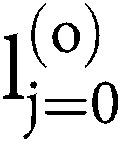 Figure 44
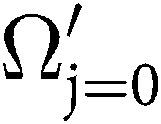 Figure 45
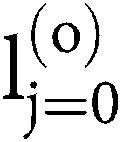 Figure 46
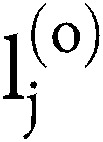 Figure 47
 Figure 48
 Figure 49
 Figure 50
Peer Reviews
No public reviews on file for this paper yet. If you reviewed it on a platform where reviews are public (OpenReview, ICLR, NeurIPS, ICML), you can paste yours below so the community can read it here.
Videos
No videos yet. Explain this paper in a talk, walkthrough, or lecture? Add one.
Taxonomy
TopicsMulti-Criteria Decision Making · Imbalanced Data Classification Techniques · Data Mining Algorithms and Applications