Application of Free and Encapsulated DNA Tracers in Surface Water Studies in Lithuanian Climatic Conditions
Dominyka Švedaitė, Anastasija Kriučkova, Augustas Morkvėnas, Vitalijus Karabanovas, Gintautas Stankūnavičius, Vigilija Klima, Jaunius Urbonavičius, Rūta Ivanec-Goranina

TL;DR
This study evaluates how free and encapsulated DNA tracers behave in Lithuanian surface waters, finding that encapsulated DNA lasts longer and is more effective.
Contribution
The first report on using free and encapsulated DNA tracers in surface water studies in Lithuania.
Findings
Encapsulated DNA tracers had 3–6 times higher concentration recovery than free DNA tracers.
Alginate/chitosan capsules protected DNA from environmental degradation in the Murlė stream.
Both tracer types are applicable for surface water studies, but encapsulated DNA is more reliable.
Abstract
The applicability of free and encapsulated DNA as tracers in surface water studies in Lithuanian climatic conditions was evaluated. Tracer DNA synthesis and analysis were performed using real-time polymerase chain reaction (RT-PCR). Alginate and chitosan were used to obtain the microcapsules with DNA, and their sizes were determined using an atomic force microscopy. The Murlė stream in the city of Vilnius was chosen for field experiments using the prepared tracers. It was found that both types of tracers may be applied to surface water studies, but the relative concentration recovery of encapsulated DNA tracers is 3–6 times higher than that of free DNA tracers. It was concluded that the alginate/chitosan capsules protect DNA from the sandy layer in Murlė stream, direct UV exposure and other environmental factors that could degrade DNA. To our knowledge, this is the first report about…
Genes, proteins, chemicals, diseases, species, mutations and cell lines named across the full text — each resolved to its canonical identifier and authoritative record.
Click any figure to enlarge with its caption.
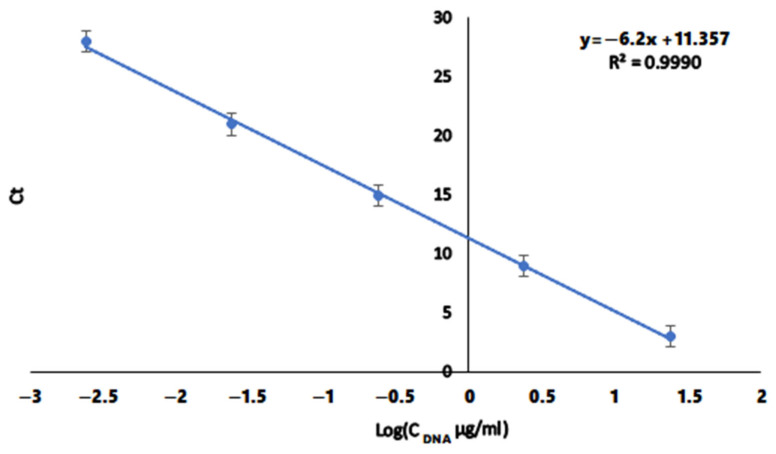 Figure 1
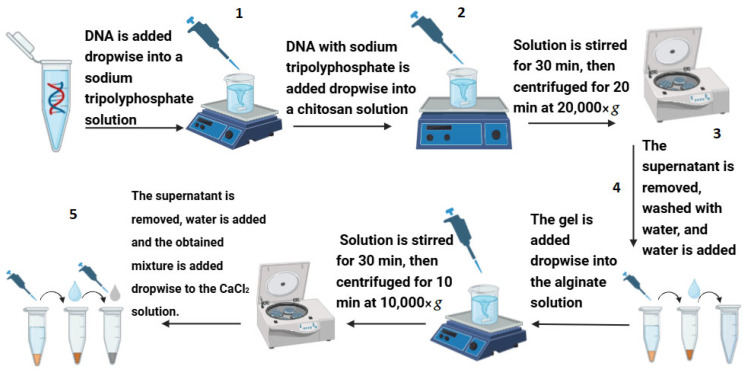 Figure 2
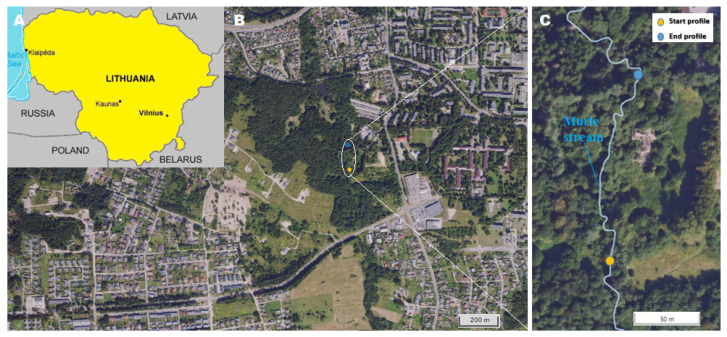 Figure 3
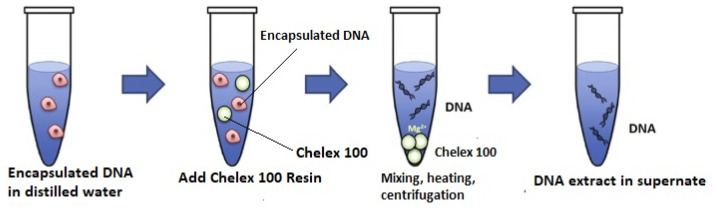 Figure 4
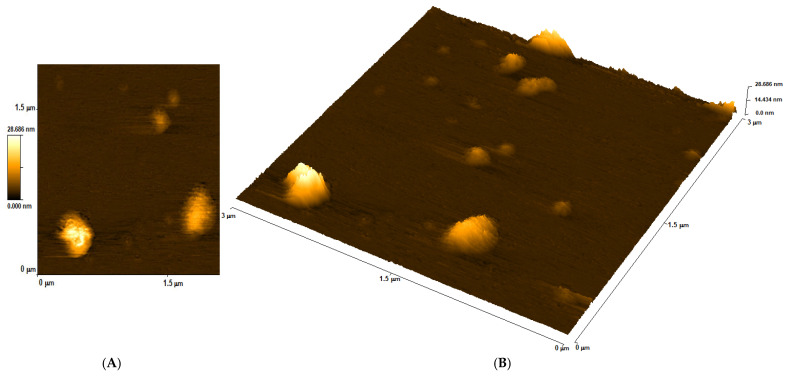 Figure 5
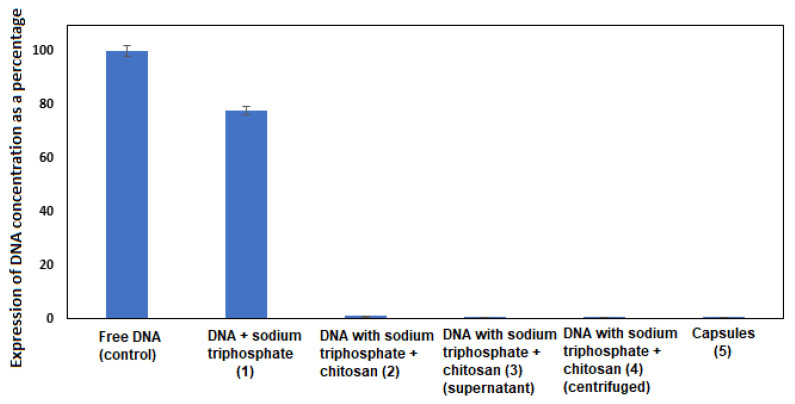 Figure 6
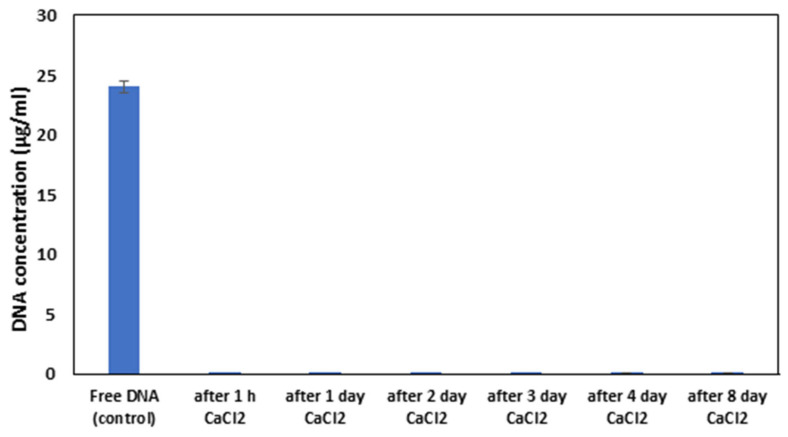 Figure 7
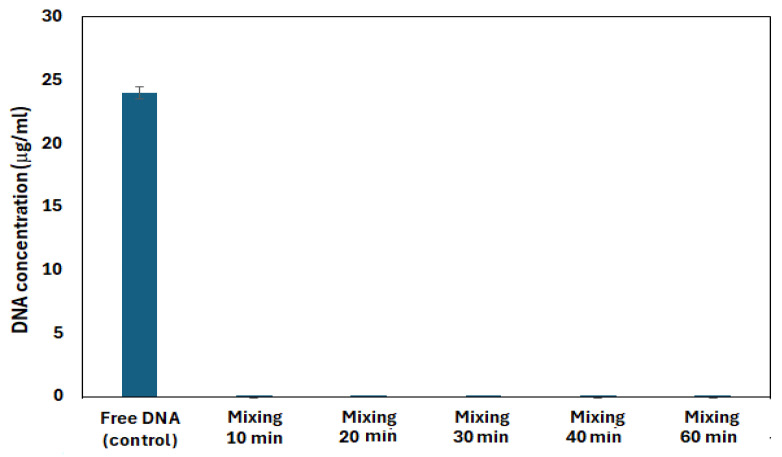 Figure 8
 Figure 9
 Figure 10
 Figure 11
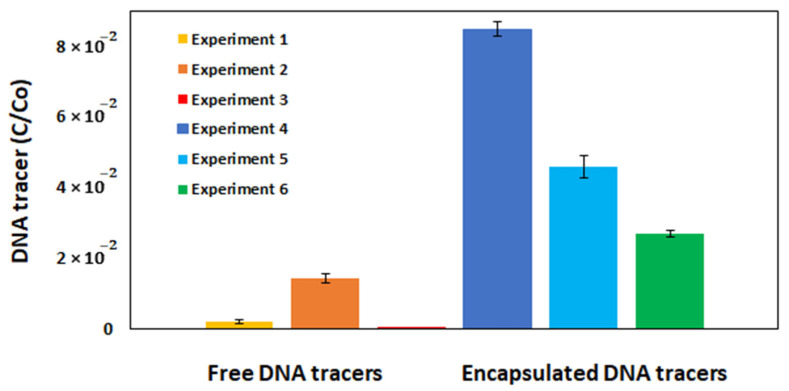 Figure 12
Peer Reviews
No public reviews on file for this paper yet. If you reviewed it on a platform where reviews are public (OpenReview, ICLR, NeurIPS, ICML), you can paste yours below so the community can read it here.
Videos
No videos yet. Explain this paper in a talk, walkthrough, or lecture? Add one.
Taxonomy
TopicsEnvironmental DNA in Biodiversity Studies