The Effect of Electron Spin-Dependent Polarizability on Protein Activity
Gilad Haran, Ron Naaman

TL;DR
This paper reviews how electron spin affects protein activity through spin-dependent polarizability and suggests future research directions.
Contribution
The paper provides a review of experimental methods and findings on spin-dependent protein polarizability and its impact on reactivity.
Findings
Spin-dependent polarizability in proteins influences their reactivity.
Experimental methods have been developed to measure spin dependence in protein polarizability.
Future studies could explore how polarizability affects reactive sites in proteins.
Abstract
In recent years, it has been established that electron transport through a chiral system depends on spin. In several studies, it has further been established that charge polarization in proteins may affect their activity and, specifically, that this polarization is electron spin-dependent. Here, we review experimental methods that enable the spin dependence of protein polarizability to be recorded and describe results from several studies that indicate the importance of spin in controlling the reactivity of proteins. We conclude by suggesting why this spin dependence may be of importance and discussing how future studies might explore pathways within proteins by which polarizability affects protein reactive sites.
Genes, proteins, chemicals, diseases, species, mutations and cell lines named across the full text — each resolved to its canonical identifier and authoritative record.
Click any figure to enlarge with its caption.
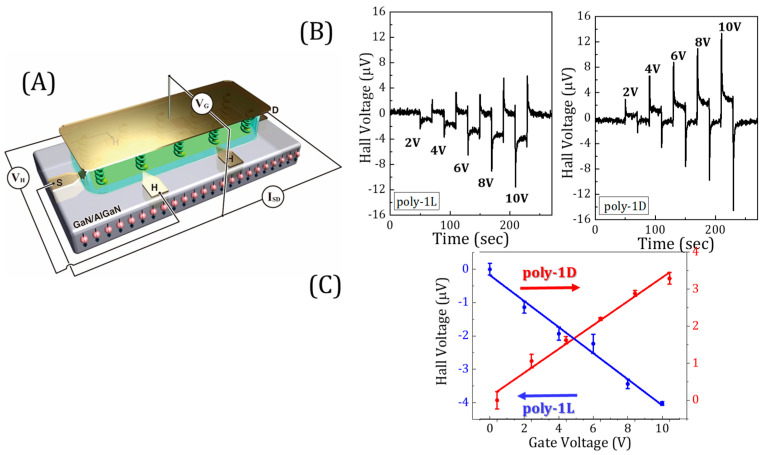 Figure 1
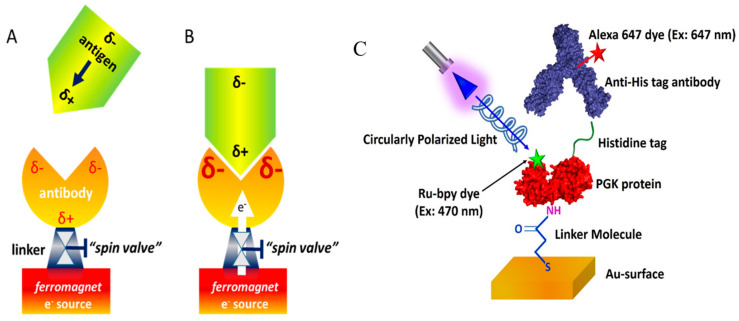 Figure 2
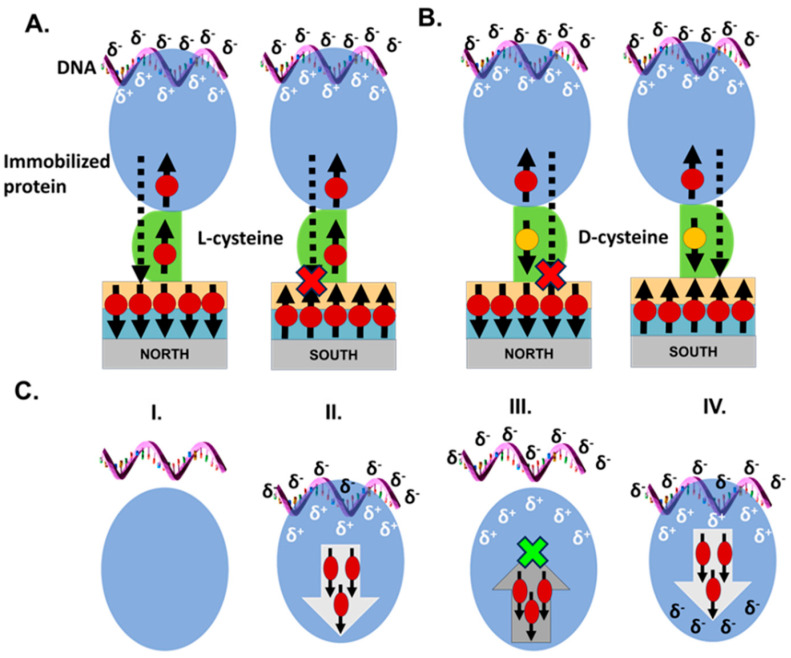 Figure 3
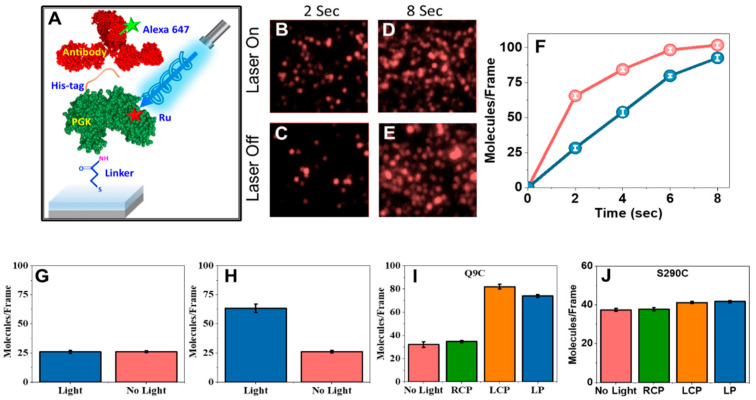 Figure 4
Peer Reviews
No public reviews on file for this paper yet. If you reviewed it on a platform where reviews are public (OpenReview, ICLR, NeurIPS, ICML), you can paste yours below so the community can read it here.
Videos
No videos yet. Explain this paper in a talk, walkthrough, or lecture? Add one.
Taxonomy
TopicsPhotoreceptor and optogenetics research · Photosynthetic Processes and Mechanisms · Protein Structure and Dynamics