TMAC: a Transformer-based partially observable multi-agent communication method
Xuesi Li, Shuai Xue, Ziming He, Haobin Shi

TL;DR
This paper introduces TMAC, a new communication method for multi-agent systems that improves collaboration in complex environments.
Contribution
The novel contribution is a Transformer-based algorithm with a self-message fusing module for better multi-agent communication.
Findings
TMAC improves performance by 6% in the surviving environment.
The method achieves a 10% improvement in the StarCraft Multi-Agent Challenge.
The proposed algorithm enhances feature extraction and message generation for agents.
Abstract
Effective communication plays a crucial role in coordinating the actions of multiple agents. Within the realm of multi-agent reinforcement learning, agents have the ability to share information with one another through communication channels, leading to enhanced learning outcomes and successful goal attainment. Agents are limited by their observations and communication ranges due to increasingly complex location arrangements, making multi-agent collaboration based on communication increasingly difficult. In this article, for multi-agent communication in some partially observable scenarios, we propose a Transformer-based Partially Observable Multi-Agent Communication algorithm (TMAC), which improves agents extracting features and generating output messages. Meanwhile, a self-message fusing module is proposed to obtain features from multiple sources. Therefore, agents can achieve better…
Genes, proteins, chemicals, diseases, species, mutations and cell lines named across the full text — each resolved to its canonical identifier and authoritative record.
Click any figure to enlarge with its caption.
 Figure 1
 Figure 2
 Figure 3
 Figure 4
 Figure 5
 Figure 6
 Figure 7
 Figure 8
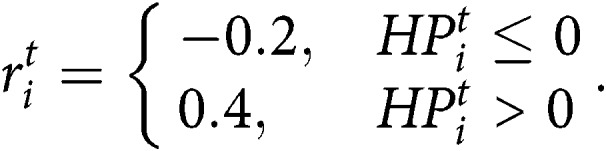 Figure 9
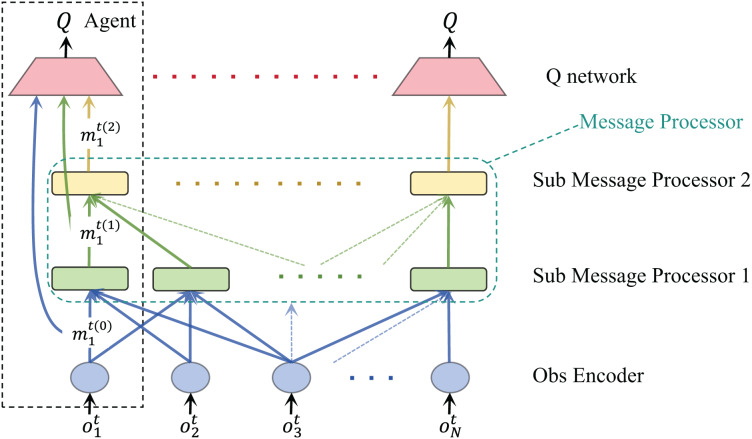 Figure 10
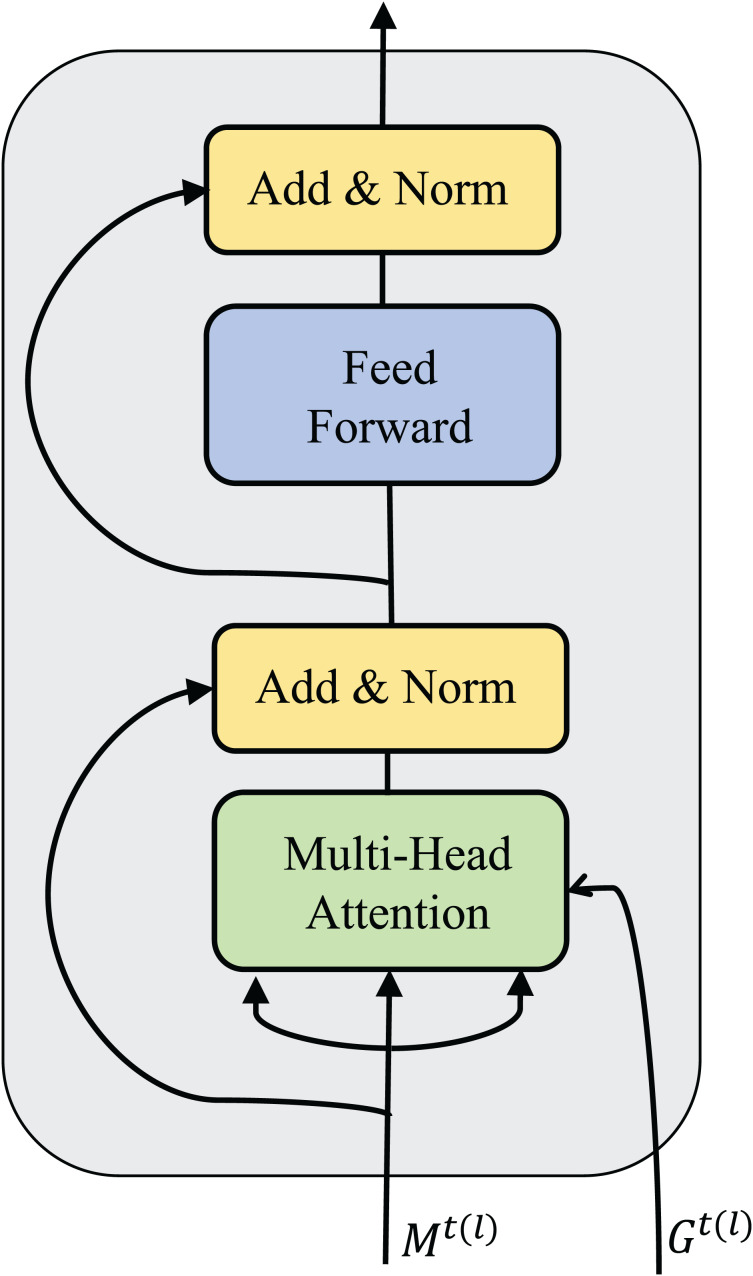 Figure 11
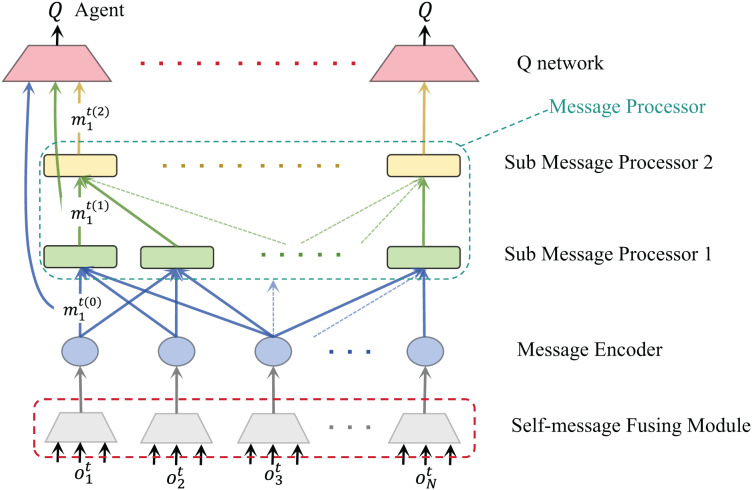 Figure 12
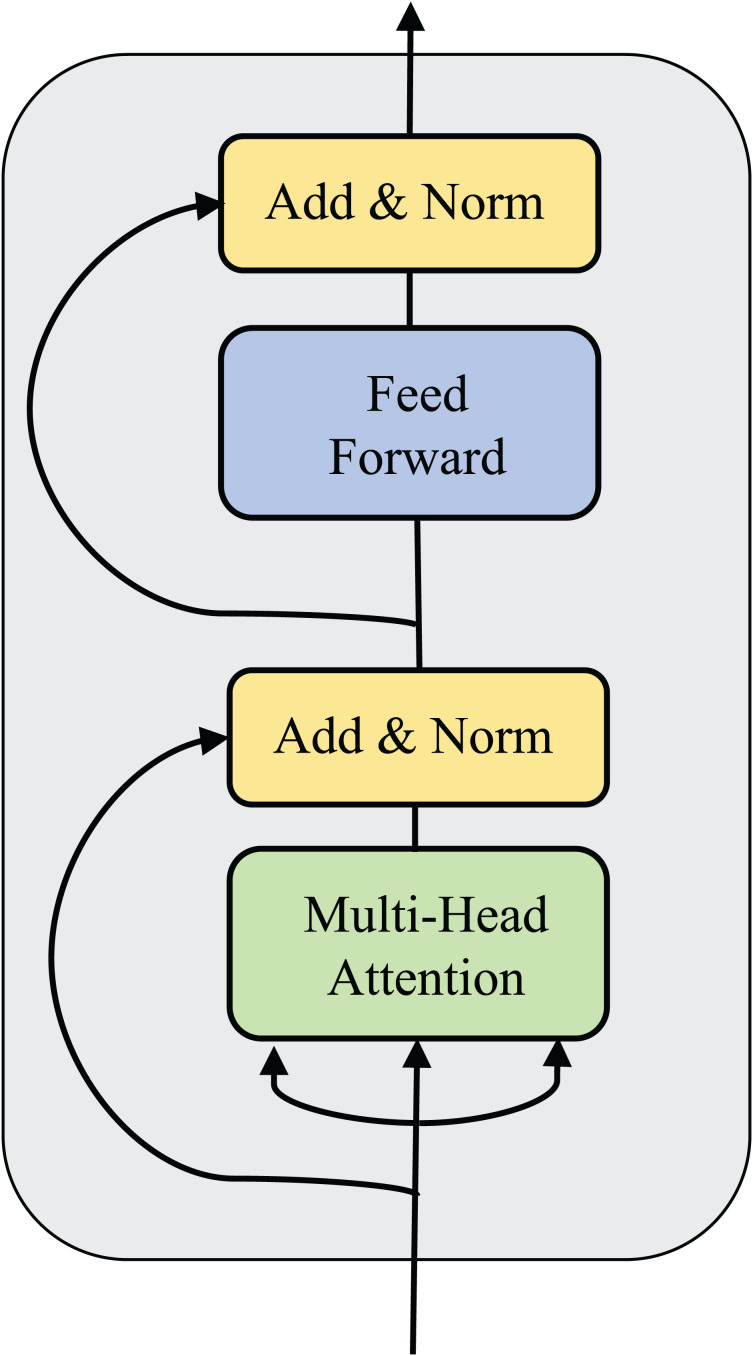 Figure 13
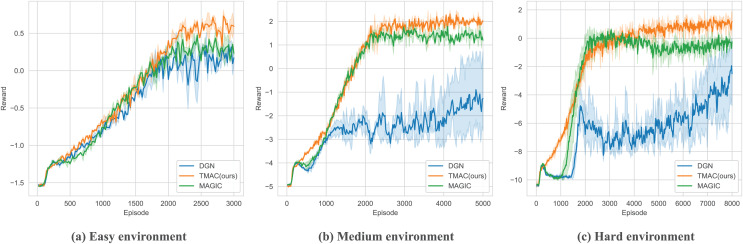 Figure 14
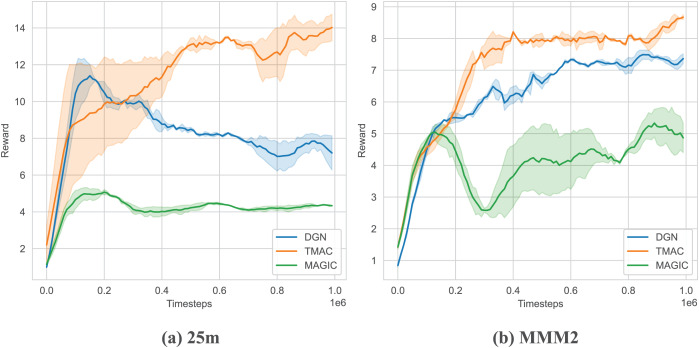 Figure 15
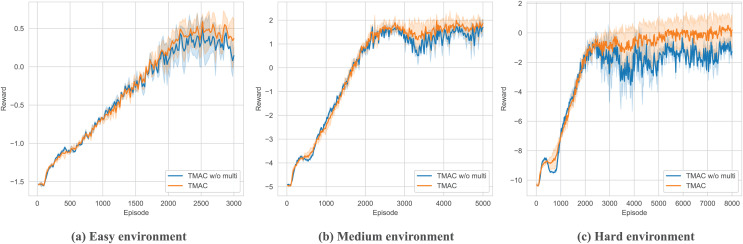 Figure 16
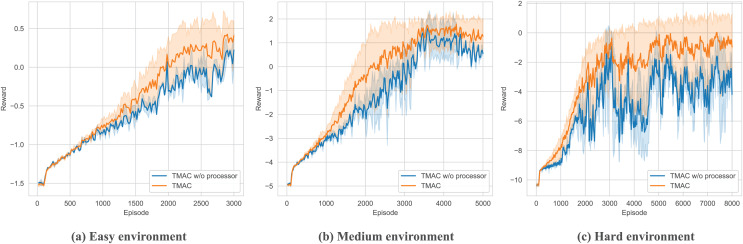 Figure 17
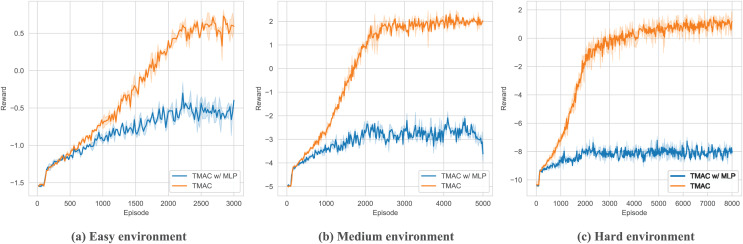 Figure 18
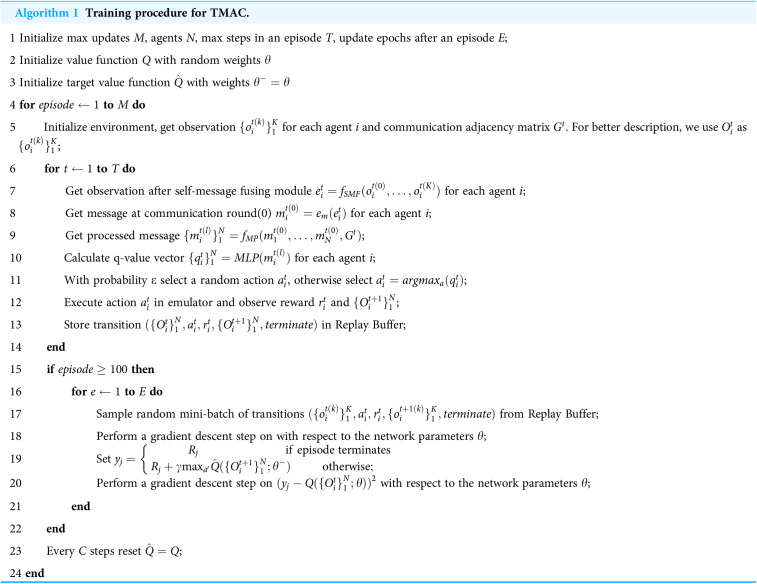 Figure 19
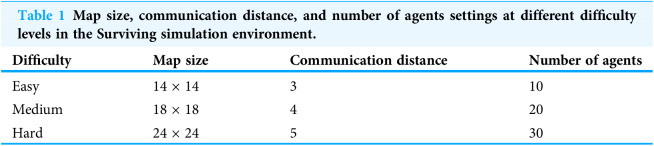 Figure 20
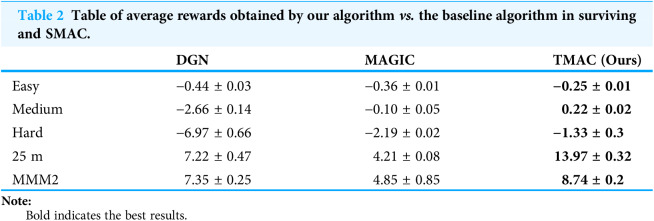 Figure 21
 Figure 22
 Figure 23
 Figure 24
 Figure 25
 Figure 26
 Figure 27
 Figure 28
 Figure 29
 Figure 30
 Figure 31
 Figure 32
 Figure 33
 Figure 34
 Figure 35
 Figure 36
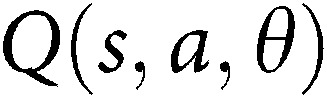 Figure 37
 Figure 38
 Figure 39
 Figure 40
 Figure 41
 Figure 42
 Figure 43
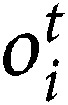 Figure 44
 Figure 45
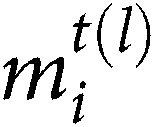 Figure 46
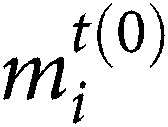 Figure 47
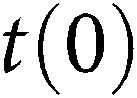 Figure 48
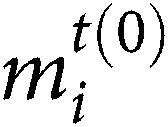 Figure 49
 Figure 50
Peer Reviews
No public reviews on file for this paper yet. If you reviewed it on a platform where reviews are public (OpenReview, ICLR, NeurIPS, ICML), you can paste yours below so the community can read it here.
Videos
No videos yet. Explain this paper in a talk, walkthrough, or lecture? Add one.
Taxonomy
TopicsReinforcement Learning in Robotics · Distributed Control Multi-Agent Systems · Multi-Agent Systems and Negotiation