Long-Term Treatment with Low-Level Arsenite Induces Aberrant Proliferation and Migration via Redox Rebalance in Human Urothelial Cells
Xiangli Yan, Qing Zhou, Shuhua Xi, Peiyu Jin

TL;DR
Chronic low-level arsenic exposure increases cell growth and movement in bladder cells by altering redox balance, potentially leading to cancer.
Contribution
This study reveals how arsenic-induced redox changes promote urothelial cell proliferation and migration through Nrf2 and NLRP3 pathways.
Findings
Chronic arsenite exposure increases ROS, GSH, Trx1, and Nrf2 system components in urothelial cells.
ROS and NLRP3 inhibitors reduce enhanced cell proliferation and migration caused by arsenite.
AKT and ERK inhibitors reverse overexpression of EGF, TGFα, and HSP90 in treated cells.
Abstract
Chronic exposure to arsenic via drinking water can induce bladder cancer in humans. Nevertheless, there is little knowledge about the precise mechanisms of this. Abnormal elevations in cell proliferation and migration have repeatedly been identified as the first cellular traits of carcinogenesis. The aims of this study are to uncover the molecular mechanisms underlying arsenic-induced aberrant proliferation and migration of uroepithelium cells by exploring the role of cellular redox modulation. Our results show significant elevations in the levels of ROS and GSH, Trx1, components of the Nrf2 system, and NLRP3 inflammasome activity in the cells chronically treated with arsenite, which also experienced markedly enhanced proliferation and migration capacities. Additionally, ROS inhibitors, NLRP3, and the above antioxidant system could suppress this enhancement of the proliferation and…
Genes, proteins, chemicals, diseases, species, mutations and cell lines named across the full text — each resolved to its canonical identifier and authoritative record.
Click any figure to enlarge with its caption.
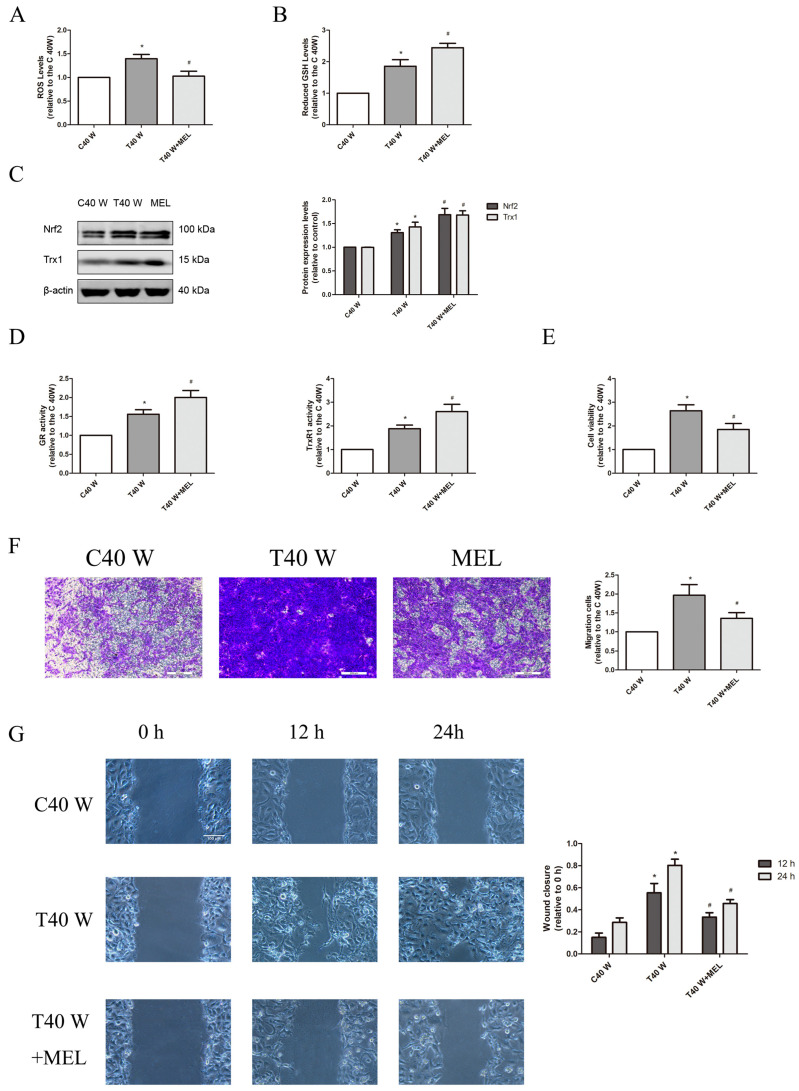 Figure 1
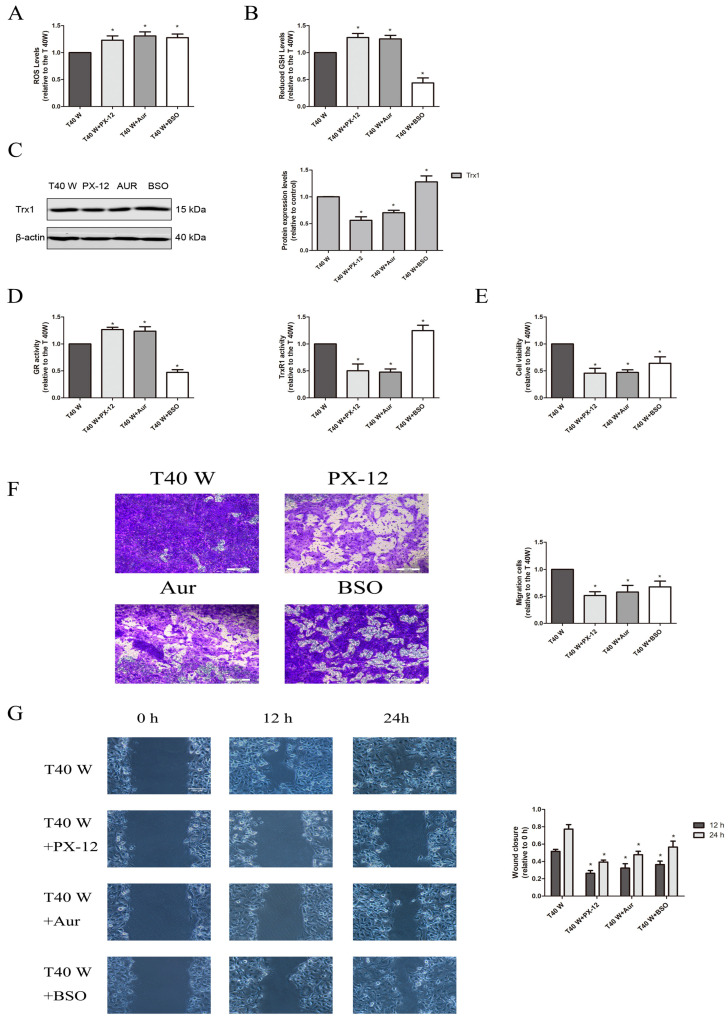 Figure 2
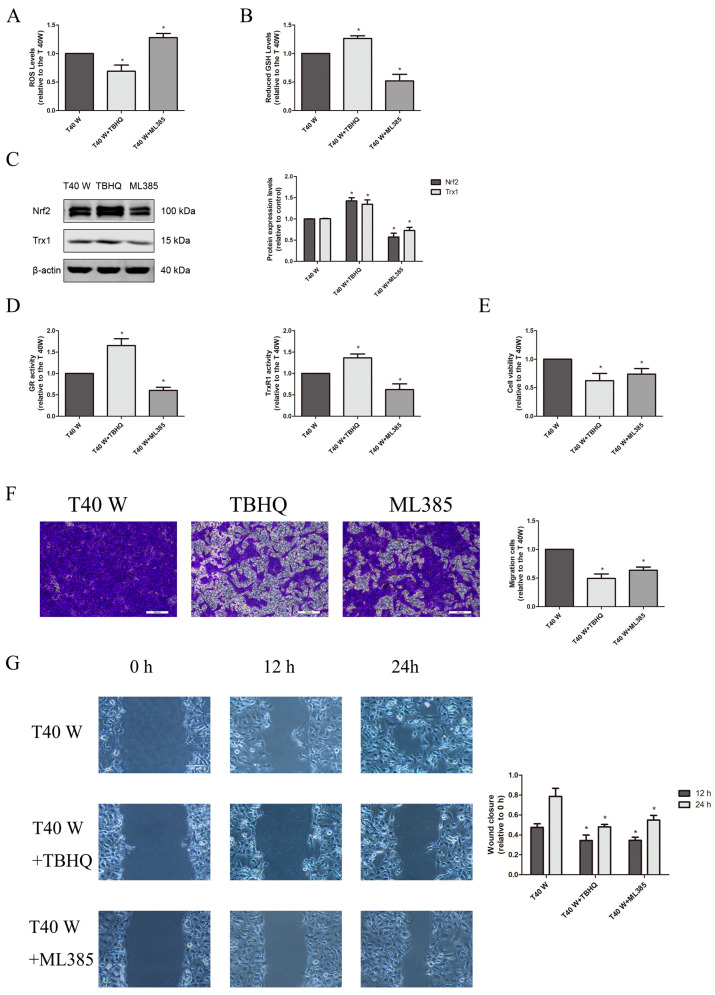 Figure 3
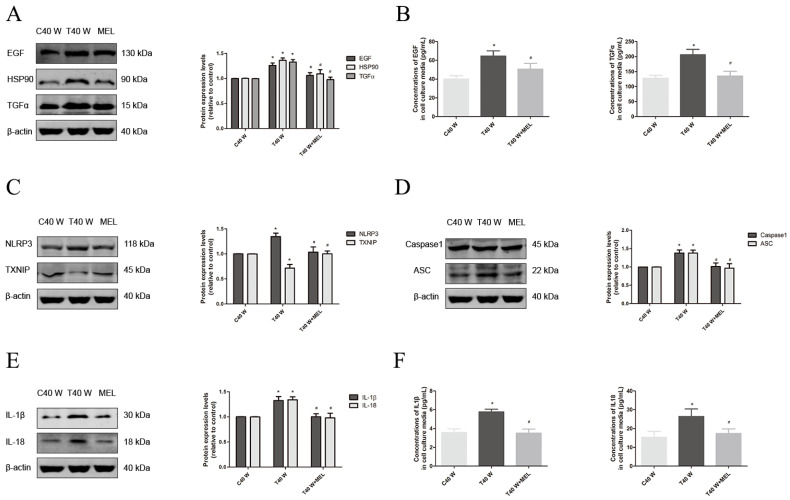 Figure 4
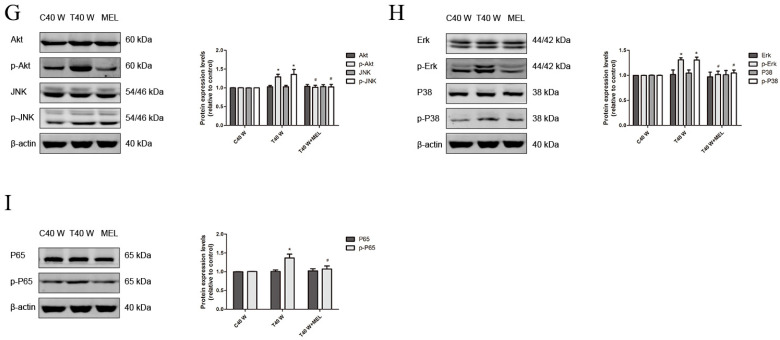 Figure 5
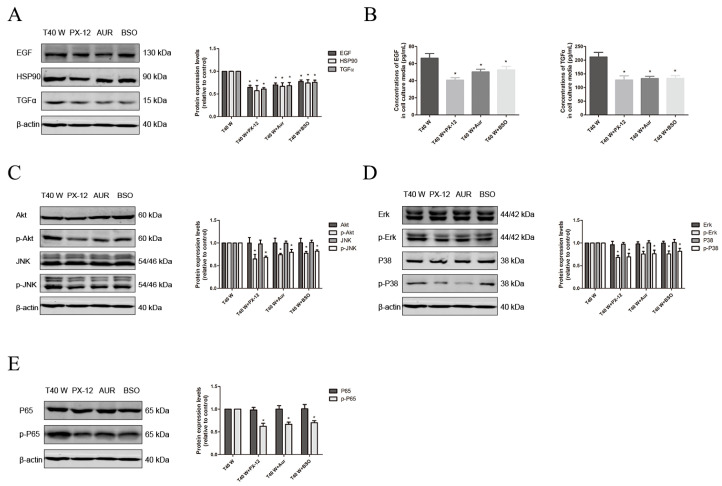 Figure 6
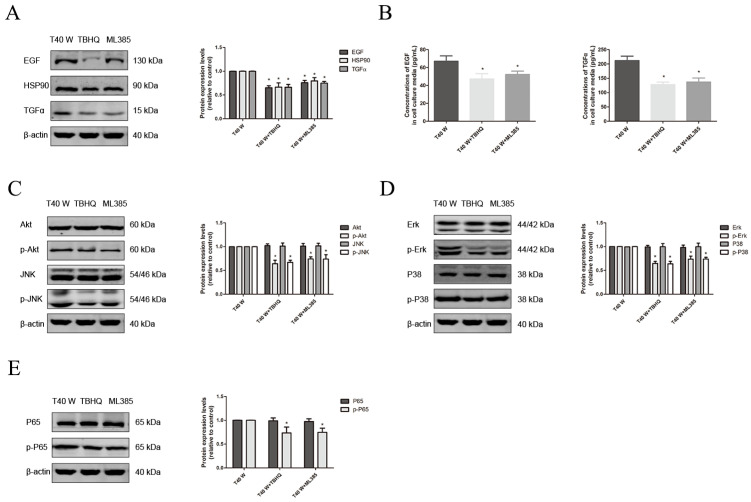 Figure 7
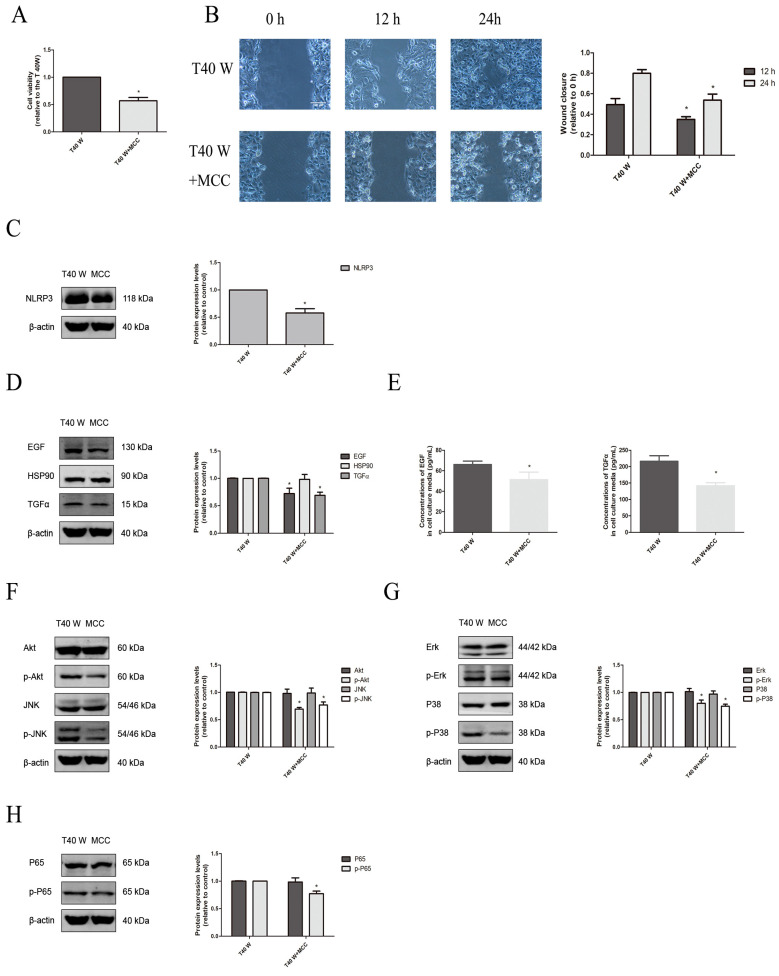 Figure 8
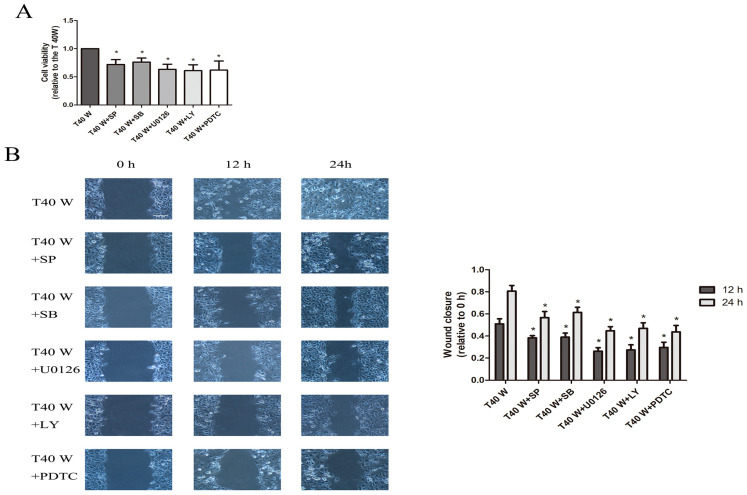 Figure 9
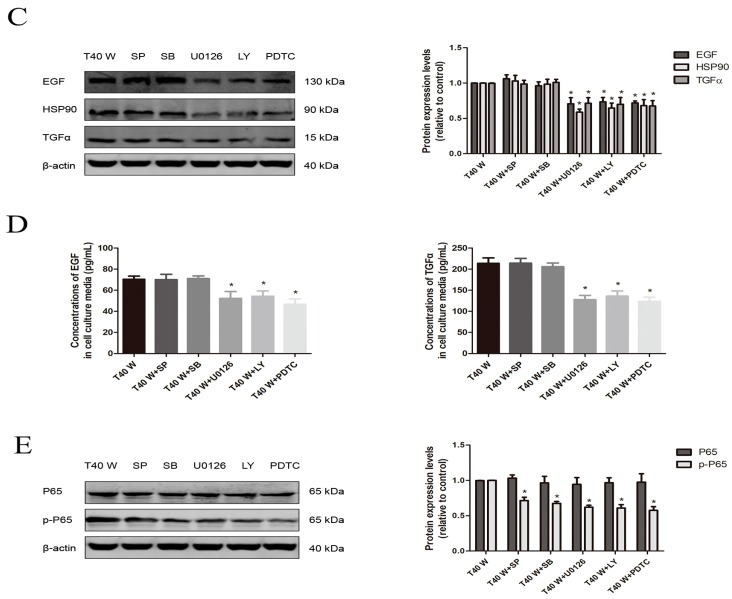 Figure 10
Peer Reviews
No public reviews on file for this paper yet. If you reviewed it on a platform where reviews are public (OpenReview, ICLR, NeurIPS, ICML), you can paste yours below so the community can read it here.
Videos
No videos yet. Explain this paper in a talk, walkthrough, or lecture? Add one.
Taxonomy
TopicsAir Quality and Health Impacts · Selenium in Biological Systems · Glutathione Transferases and Polymorphisms