A Comparative Analysis of Radiological Imaging and Surgical Treatments for Maxillary Artery Pseudoaneurysms, Based on a Literature Review and Our Clinical Experience
Kinga Samól, Adam Michcik, Barbara Wojciechowska, Adam Polcyn, Łukasz Garbacewicz, Barbara Drogoszewska

TL;DR
This paper reviews causes and treatments for maxillary artery pseudoaneurysms, finding trauma as the main cause and endovascular embolization as the most common treatment.
Contribution
The study provides a systematic analysis of diagnostic and treatment approaches for maxillary artery pseudoaneurysms based on recent literature and clinical experience.
Findings
Facial trauma is the leading cause of maxillary artery pseudoaneurysms (66% of cases).
Endovascular embolization is the most frequently used treatment method (88% of cases).
Multidisciplinary clinical centers are recommended for managing these complex cases.
Abstract
Background/Objectives: A pseudoaneurysm forms as a result of disruption of all artery wall layers. In the head and neck, they are most commonly found in the maxillary artery. Due to their location and associated symptoms, detailed radiological imaging is necessary to determine the nature and extent of lesions. Various treatment methods are available. Methods: To systematize symptoms, diagnostics, and treatment methods, a literature review from databases spanning 2014 to 2024 was conducted, with 30 articles included in the study. Results: The factors that caused MAPs included facial trauma (n = 33; 66%), iatrogenic surgical procedures (n = 14; 28%), head and neck radiotherapy (n = 1; 2%), infection (n = 1; 2%), and one case due to an idiopathic factor (n = 1; 2%). Diagnostic imaging included computed tomography with contrast, magnetic resonance imaging, and angiography. Treatment methods…
Genes, proteins, chemicals, diseases, species, mutations and cell lines named across the full text — each resolved to its canonical identifier and authoritative record.
Click any figure to enlarge with its caption.
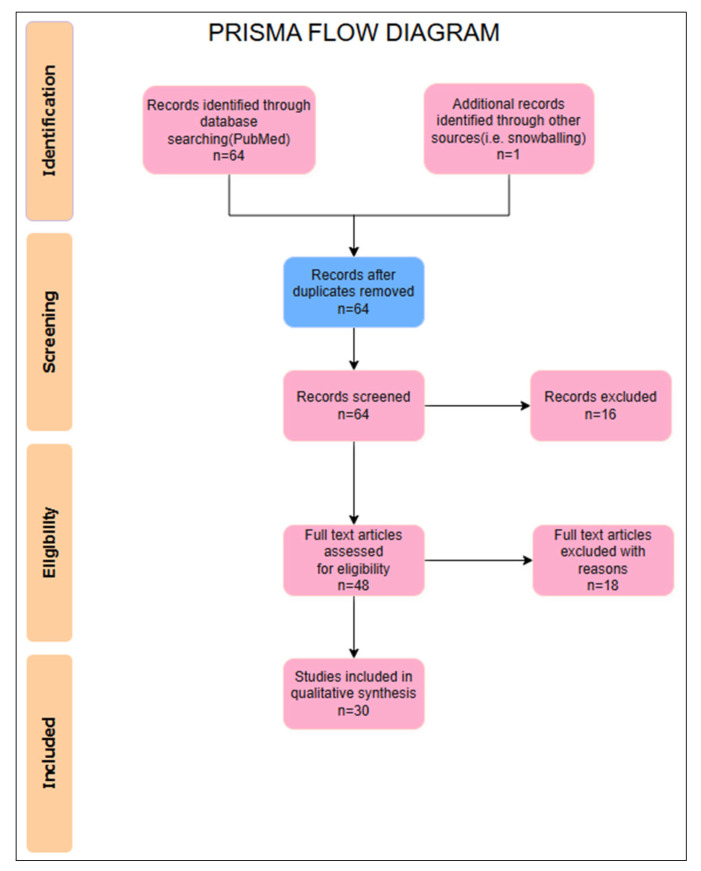 Figure 1
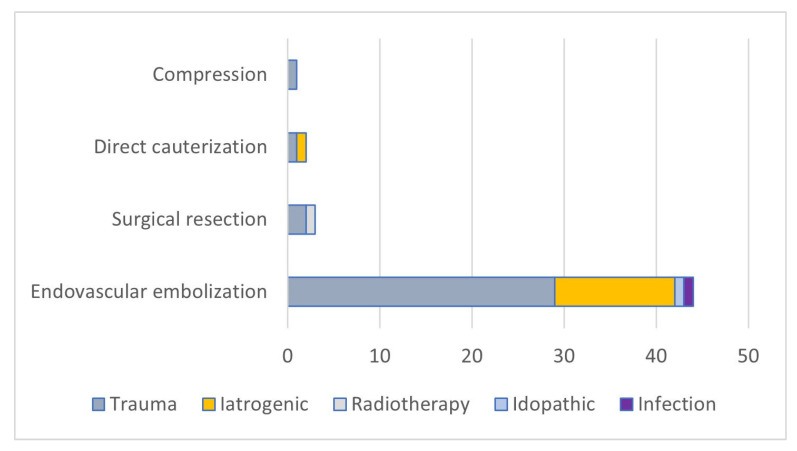 Figure 2
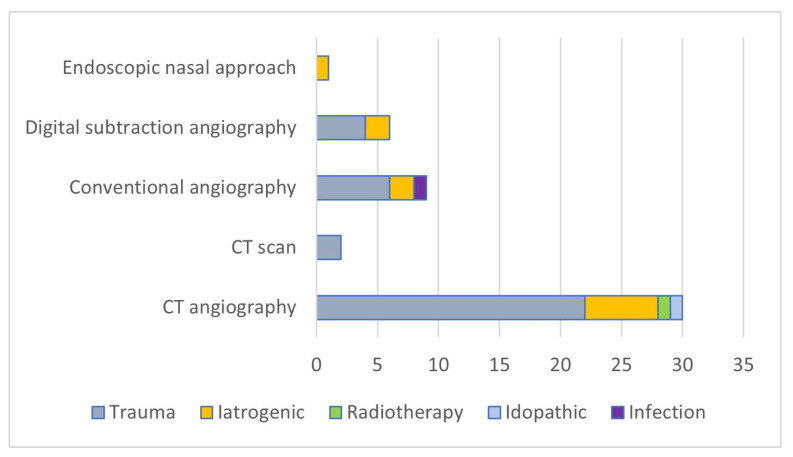 Figure 3
 Figure 4
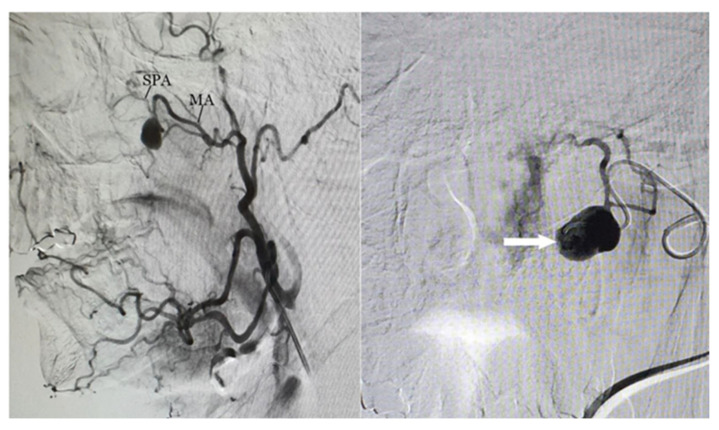 Figure 5
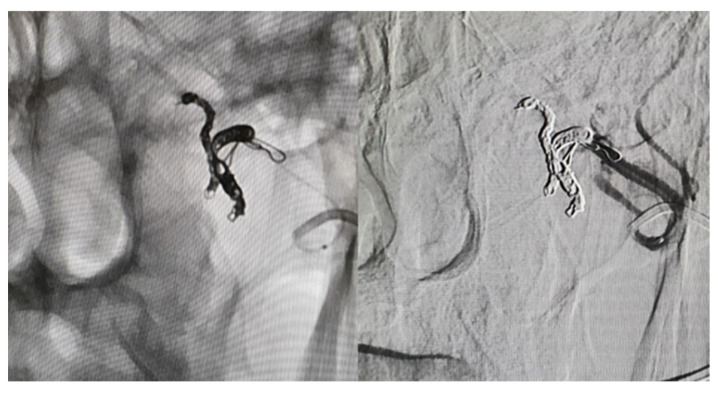 Figure 6
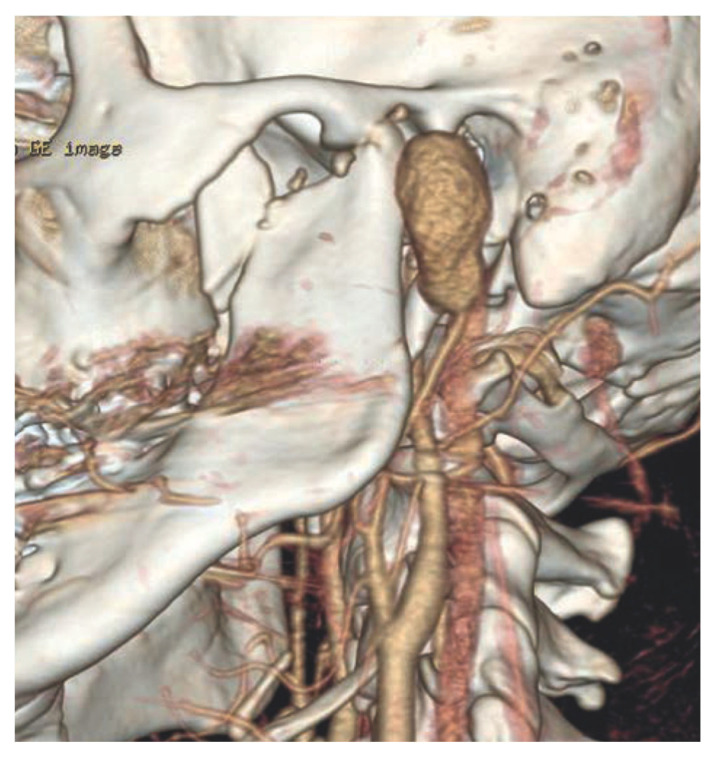 Figure 7
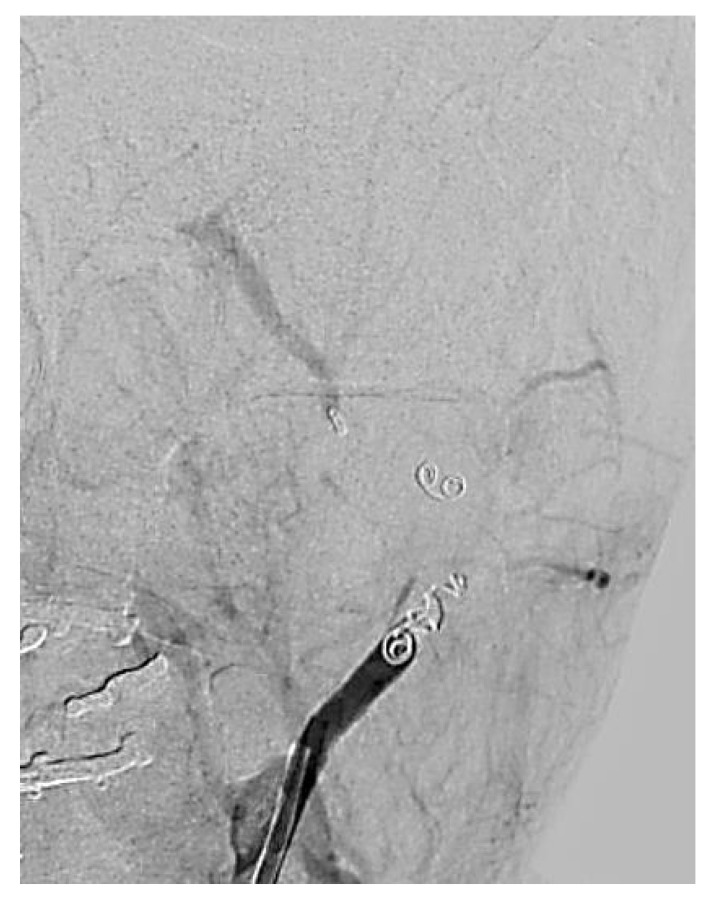 Figure 8
Peer Reviews
No public reviews on file for this paper yet. If you reviewed it on a platform where reviews are public (OpenReview, ICLR, NeurIPS, ICML), you can paste yours below so the community can read it here.
Videos
No videos yet. Explain this paper in a talk, walkthrough, or lecture? Add one.
Taxonomy
TopicsVascular Procedures and Complications · Vascular Anomalies and Treatments · Traumatic Ocular and Foreign Body Injuries