Brianolide from Briareum stechei Attenuates Atopic Dermatitis-like Skin Lesions by Regulating the NFκB and MAPK Pathways
Chia-Chen Wang, Kang-Ling Wang, Yu-Jou Hsu, Chao-Hsien Sung, Mei-Jung Chen, Meng-Fang Huang, Ping-Jyun Sung, Chi-Feng Hung

TL;DR
A compound from a soft coral reduces symptoms of atopic dermatitis by targeting key inflammatory pathways in both cells and animal models.
Contribution
Brianolide from Briareum stechei is shown to regulate NFκB and MAPK pathways to alleviate AD inflammation.
Findings
Brianolide inhibited cytokine and chemokine expression in HaCaT cells via MAPK and NFκB pathways.
In vivo, brianolide reduced TEWL, ear thickness, erythema, and epidermal blood flow in a DNCB-induced AD model.
The study highlights the pharmacological potential of natural coral products for treating atopic dermatitis.
Abstract
Atopic dermatitis (AD) is a common chronic skin disease affecting both children and adults. Currently lacking a clinical cure, AD presents significant physical and emotional challenges for patients and their families, substantially impacting their quality of life. This underscores significant unmet needs in AD management and highlights the necessity for developing effective therapeutic applications. Recently, several chlorine-containing active substances with promising pharmacological activity have been discovered in soft corals cultivated through coral farming. Among these, brianolide, isolated from the soft coral Briareum stechei, has shown promising potential. This study investigated brianolide’s regulatory effects on the inflammatory response in atopic dermatitis and its underlying mechanisms. Using an in vitro human keratinocyte cell line (HaCaT) stimulated with tumor necrosis…
Genes, proteins, chemicals, diseases, species, mutations and cell lines named across the full text — each resolved to its canonical identifier and authoritative record.
Click any figure to enlarge with its caption.
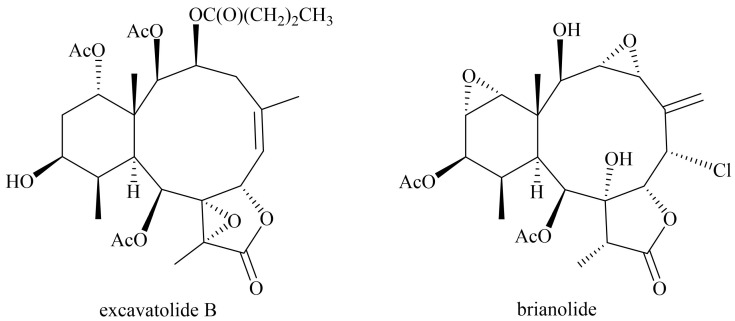 Figure 1
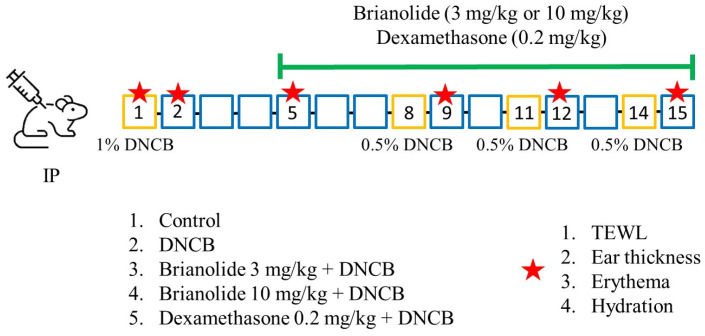 Figure 2
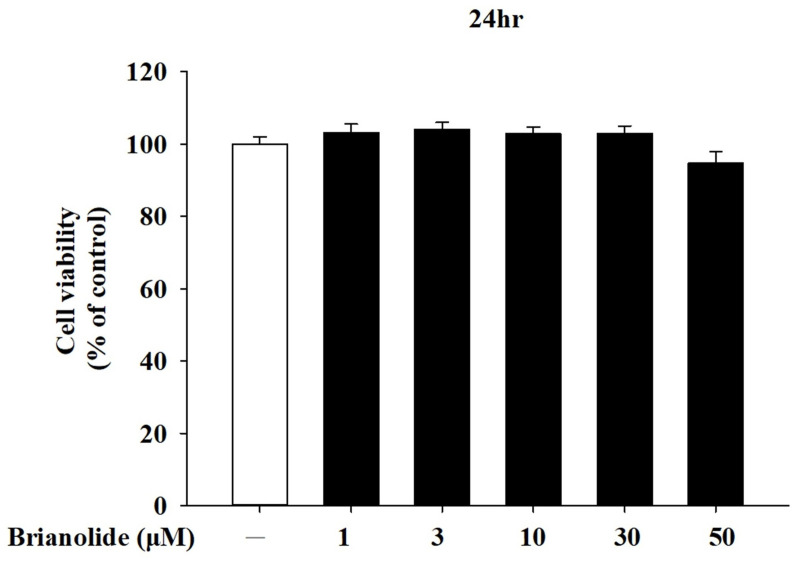 Figure 3
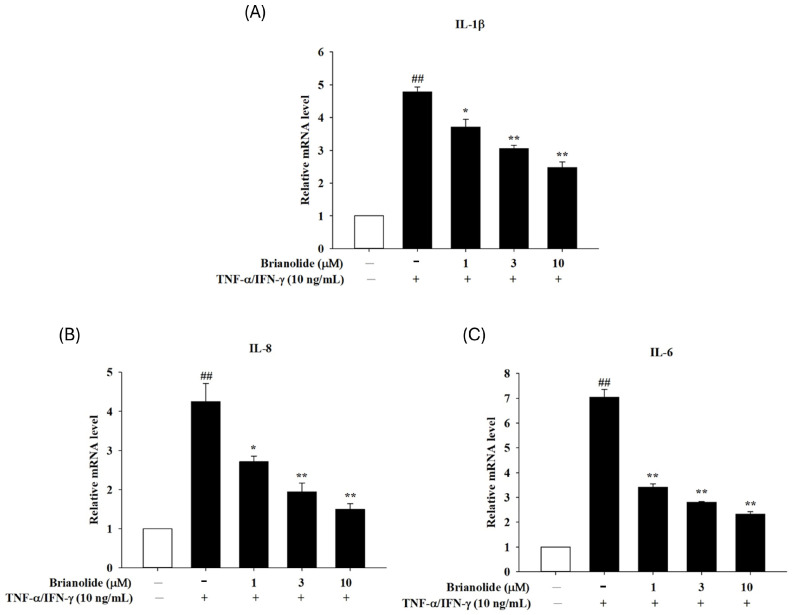 Figure 4
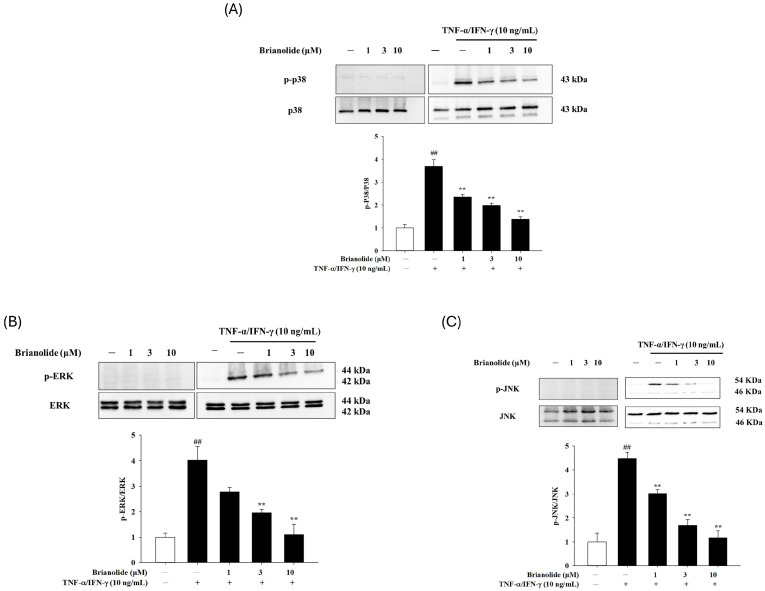 Figure 5
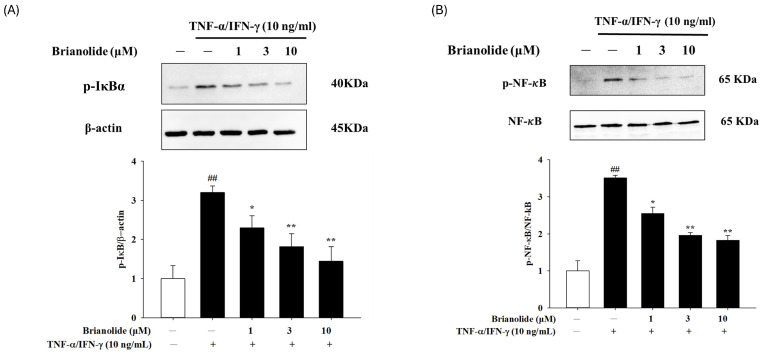 Figure 6
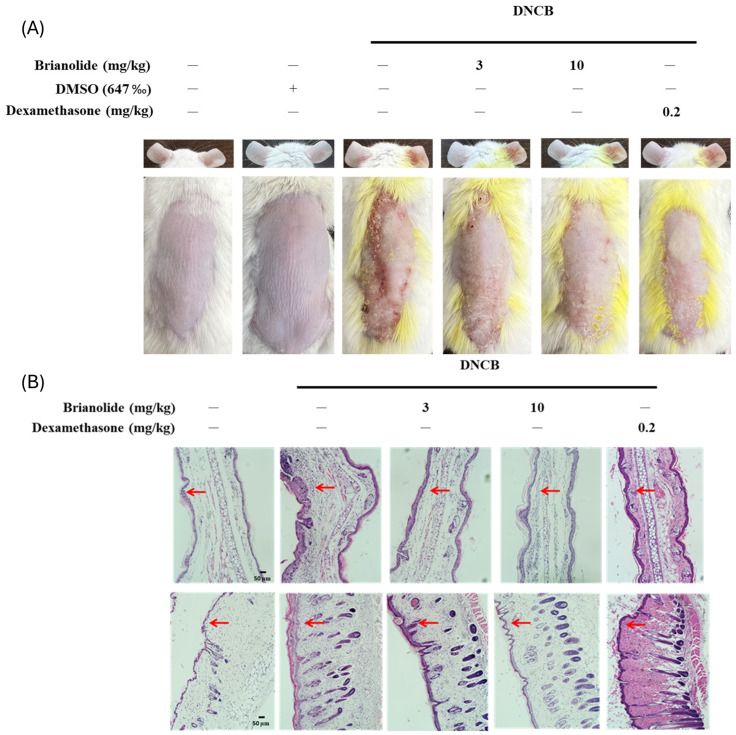 Figure 7
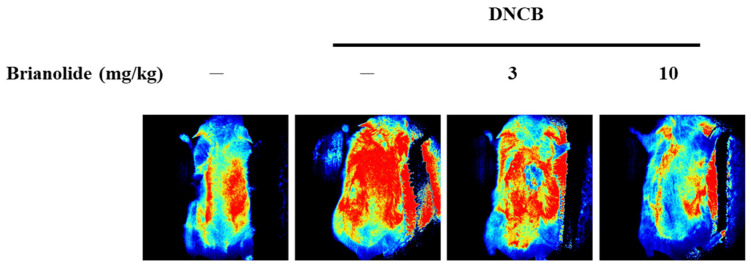 Figure 8
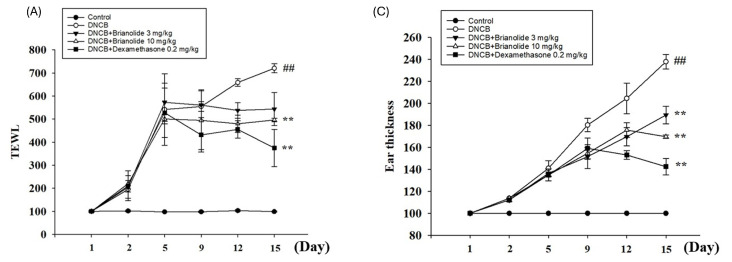 Figure 9
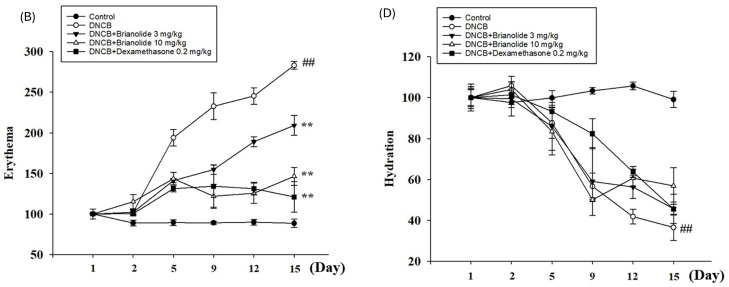 Figure 10
Peer Reviews
No public reviews on file for this paper yet. If you reviewed it on a platform where reviews are public (OpenReview, ICLR, NeurIPS, ICML), you can paste yours below so the community can read it here.
Videos
No videos yet. Explain this paper in a talk, walkthrough, or lecture? Add one.
Taxonomy
TopicsDermatology and Skin Diseases · Essential Oils and Antimicrobial Activity · Natural product bioactivities and synthesis