A method for explaining individual predictions in neural networks
Sejong Oh

TL;DR
This paper introduces a method to explain how neural networks make predictions by calculating the contribution of each input value.
Contribution
The novel contribution is a method to interpret neural network predictions by analyzing input weights and their influence on outputs.
Findings
The proposed method evaluates input contributions using weighted sums and network weights.
The method is applicable to both regression and classification models regardless of network depth.
A Python library was developed to implement the method, making it accessible for practical use.
Abstract
Recently, the explainability of the prediction results of machine learning models has attracted attention. Most high-performance prediction models are black boxes that cannot be explained. Artificial neural networks are also considered black box models. Although they can explain image classification results to some extent, they still struggle to explain the classification and regression results for tabular data. In this study, we explain the individual prediction results derived from a neural network-based prediction model. The output of a neural network is fundamentally determined by multiplying the input values by the network weights. In other words, the output is a weighted sum of the input values. The weights control how much each input value contributes to the output. The degree of influence of an input value xi on the output can be evaluated as (xi · weight value wi)/weighted…
Genes, proteins, chemicals, diseases, species, mutations and cell lines named across the full text — each resolved to its canonical identifier and authoritative record.
Click any figure to enlarge with its caption.
 Figure 1
 Figure 2
 Figure 3
 Figure 4
 Figure 5
 Figure 6
 Figure 7
 Figure 8
 Figure 9
 Figure 10
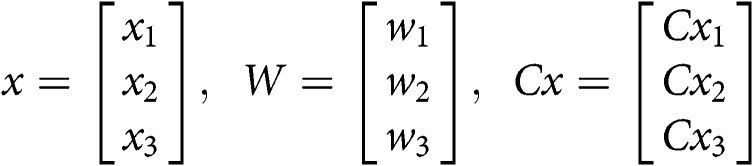 Figure 11
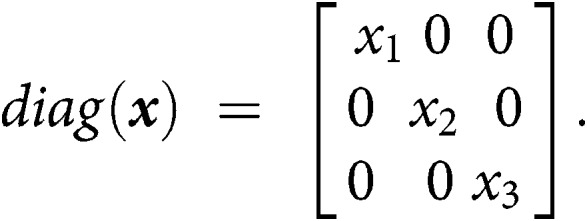 Figure 12
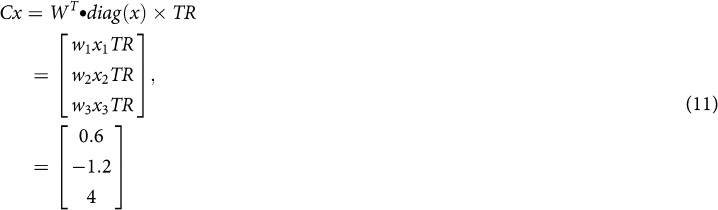 Figure 13
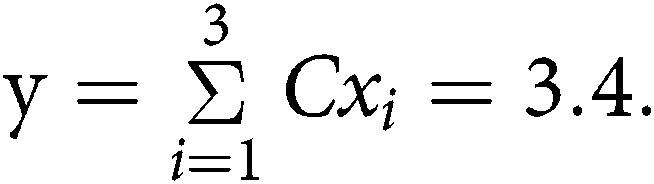 Figure 14
 Figure 15
 Figure 16
 Figure 17
 Figure 18
 Figure 19
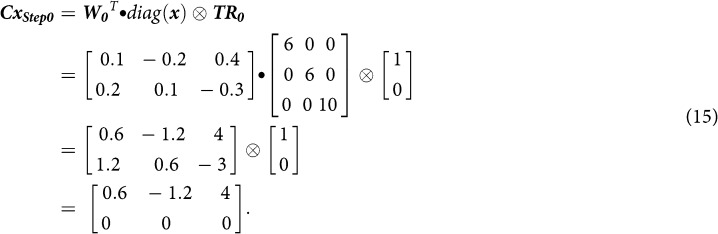 Figure 20
 Figure 21
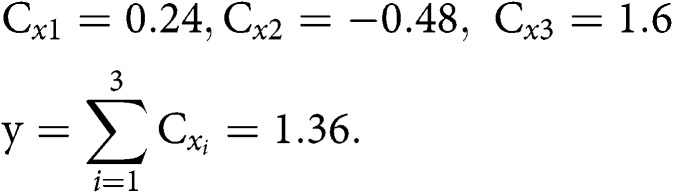 Figure 22
 Figure 23
 Figure 24
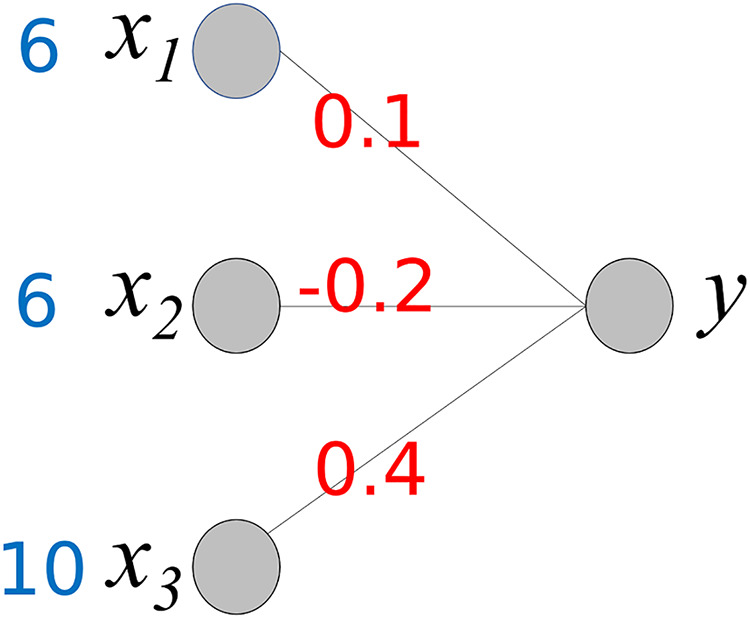 Figure 25
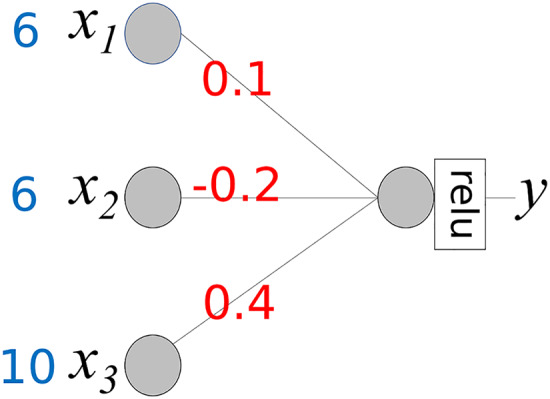 Figure 26
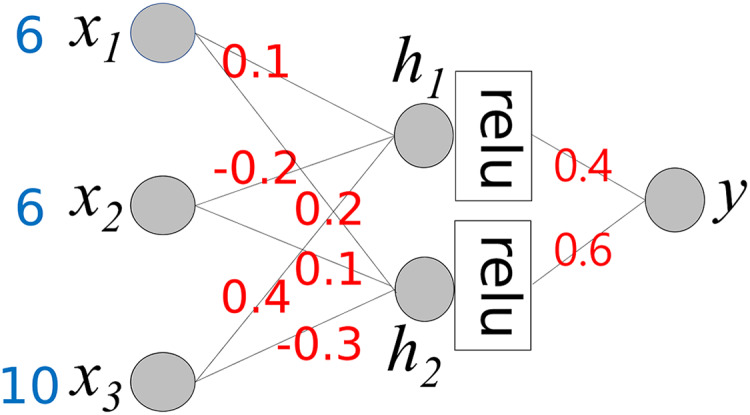 Figure 27
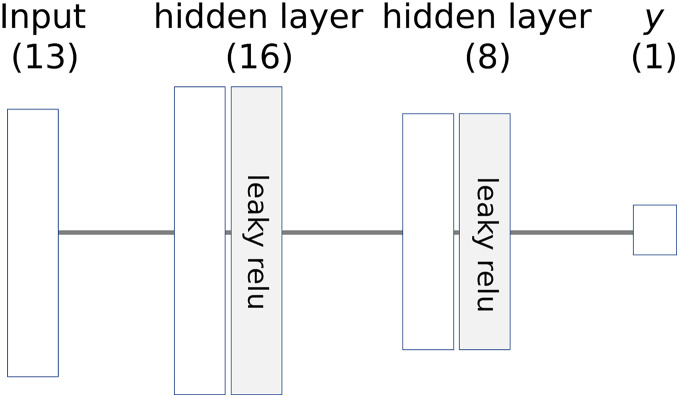 Figure 28
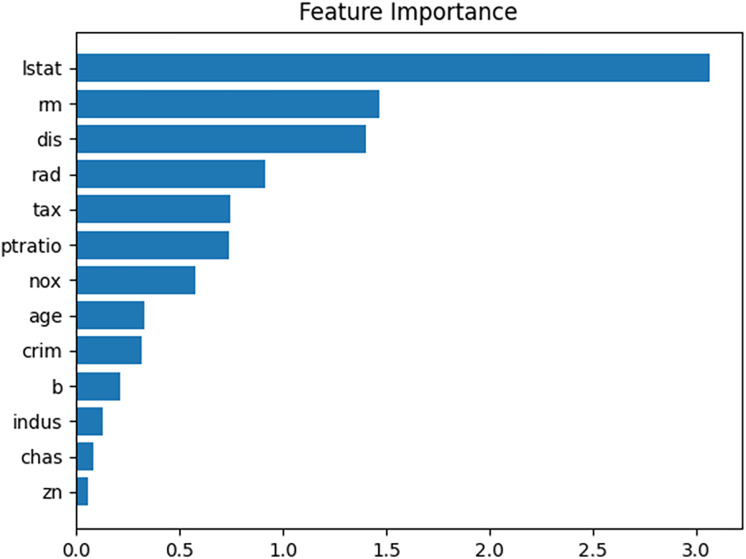 Figure 29
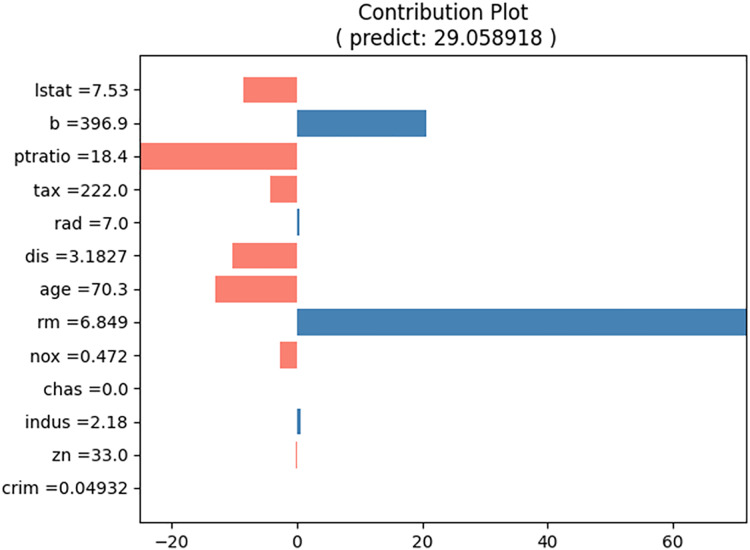 Figure 30
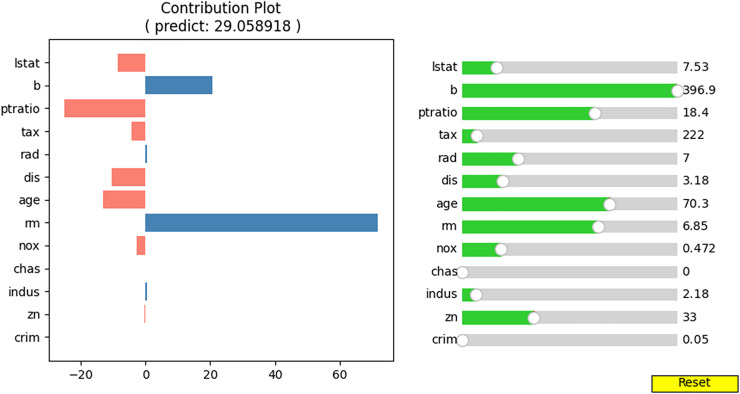 Figure 31
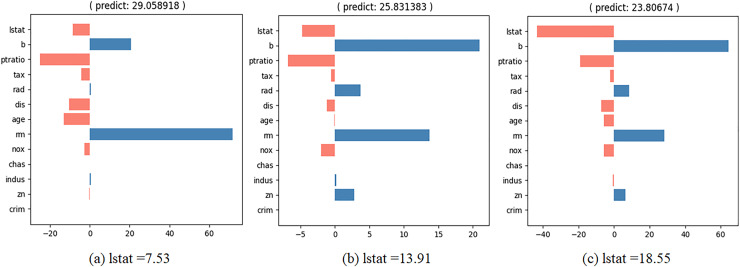 Figure 32
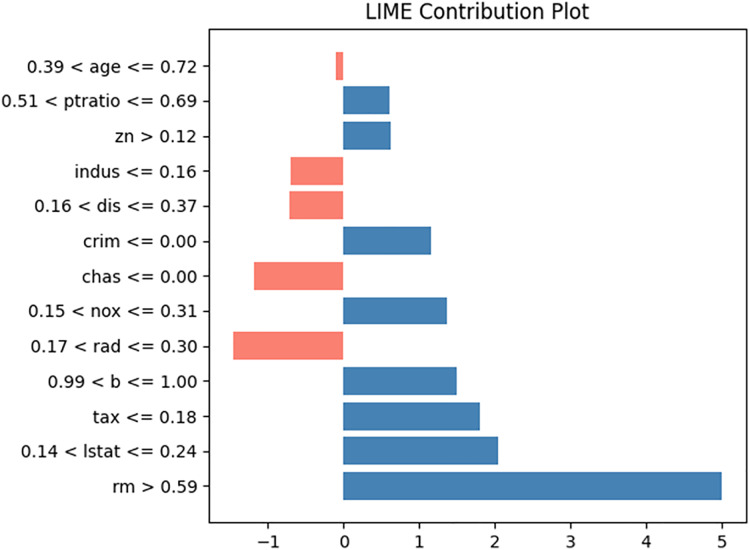 Figure 33
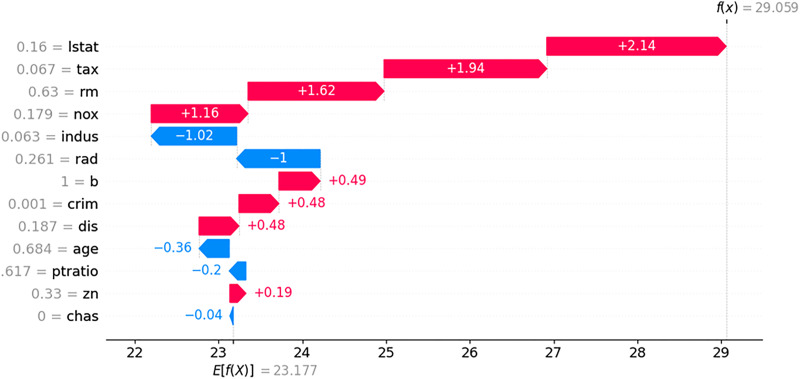 Figure 34
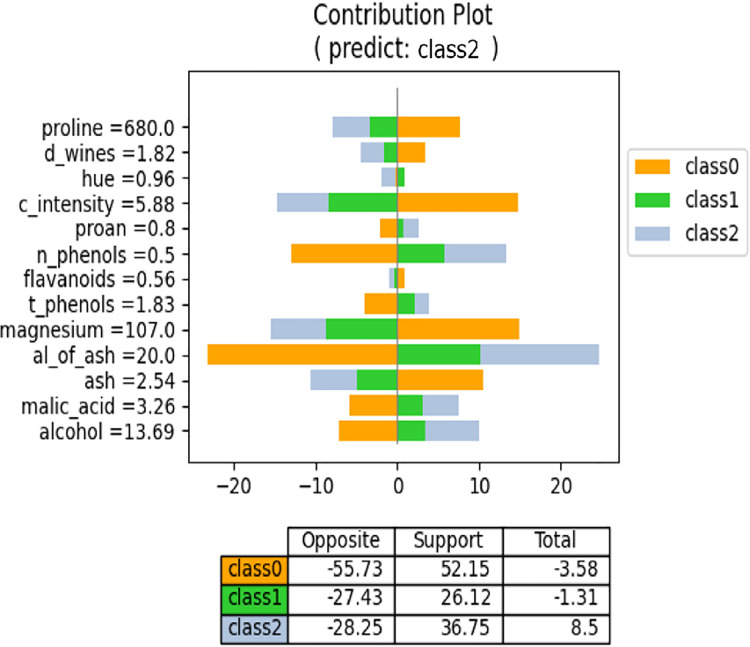 Figure 35
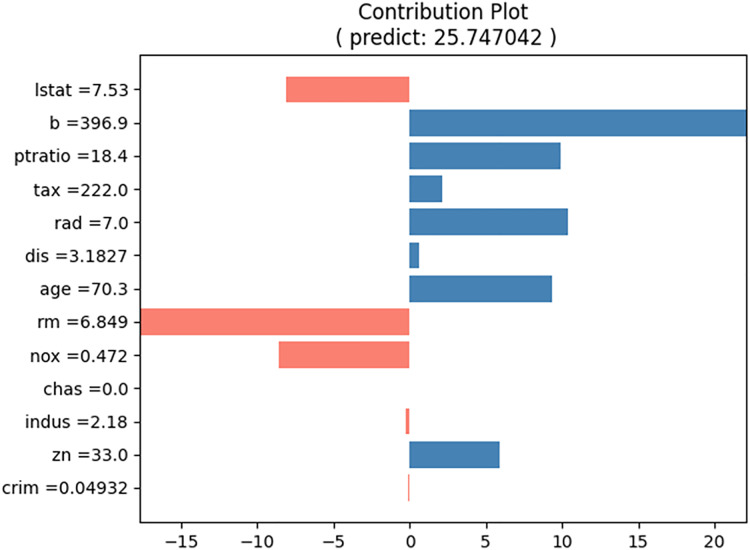 Figure 36
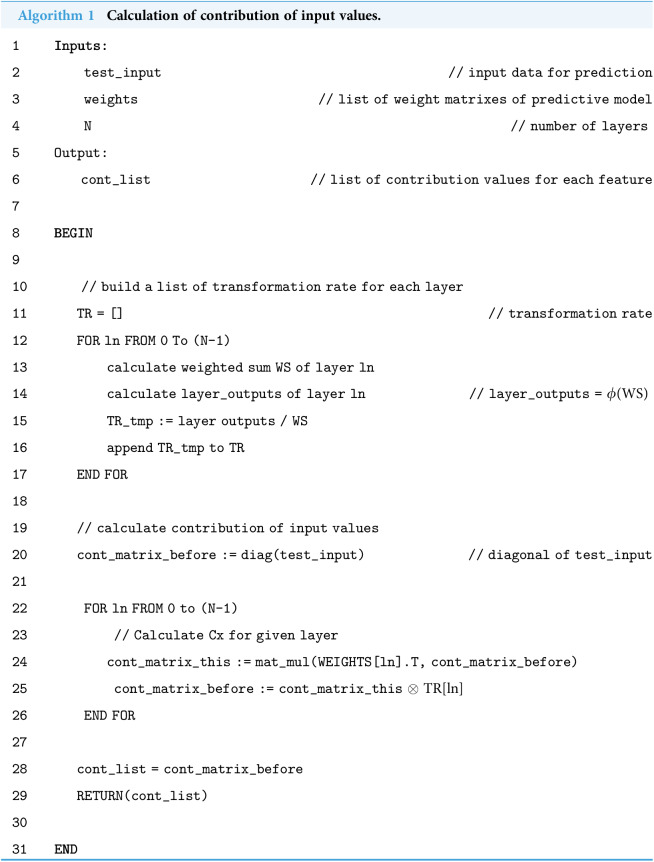 Figure 37
 Figure 38
 Figure 39
 Figure 40
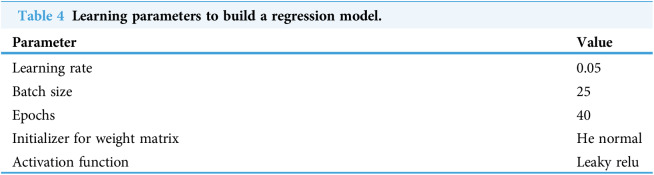 Figure 41
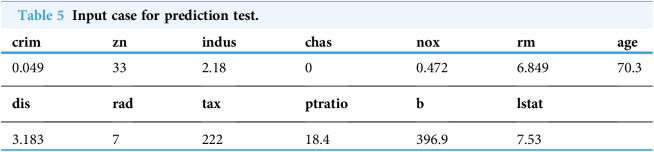 Figure 42
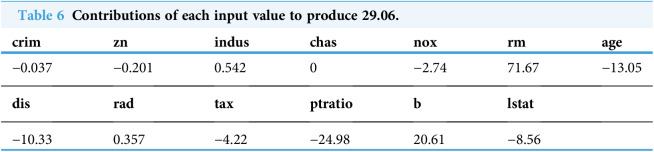 Figure 43
 Figure 44
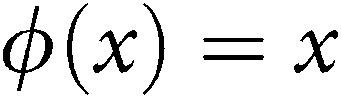 Figure 45
 Figure 46
 Figure 47
Peer Reviews
No public reviews on file for this paper yet. If you reviewed it on a platform where reviews are public (OpenReview, ICLR, NeurIPS, ICML), you can paste yours below so the community can read it here.
Videos
No videos yet. Explain this paper in a talk, walkthrough, or lecture? Add one.
Taxonomy
TopicsExplainable Artificial Intelligence (XAI) · Adversarial Robustness in Machine Learning · Statistical and Computational Modeling