Biochemical and Functional Characterization of E. coli Aminopeptidase N: A New Role as a 6-Monoacetylmorphine Hydrolase
Xiabin Chen, Yishuang Li, Jianzhuang Yao, Xiaoxuan Li, Hualing Li, Zelin Wu, Qi Hu, Nuo Xu, Tingjun Hou, Jiye Wang, Shurong Hou

TL;DR
This paper identifies E. coli aminopeptidase N as a potential enzyme for breaking down heroin metabolites, offering new insights for detoxification.
Contribution
The study reveals E. coli aminopeptidase N's novel ability to hydrolyze 6-monoacetylmorphine, a key heroin metabolite.
Findings
eAPN shows optimal activity at pH 7.5 and is thermostable.
eAPN preferentially cleaves peptides with small or basic amino acid residues.
eAPN can hydrolyze 6-MAM, suggesting potential for heroin detoxification.
Abstract
6-monoacetylmorphine (6-MAM), a primary active metabolite of heroin that reaches the human brain, plays a crucial role in producing heroin-associated physiological and lethal effects. Therefore, 6-MAM has emerged as a key target for alleviating the adverse consequences of heroin abuse. In this study, the proposed 6-MAM hydrolase E. coli aminopeptidase N (eAPN) was recombinantly produced, and its biochemical and functional profiles were investigated. eAPN’s biochemical properties, with respect to pH, metal ions, and temperature, and catalytic functions toward peptidase substrates and 6-MAM were thoroughly examined. Extensive experiments reveal that incorporation of an N-terminal His-tag notably affects eAPN’s aminopeptidase activity. This cost-effective recombinant eAPN exhibits favorable thermostability and optimal activity at pH 7.5. Kinetic analysis toward peptidase substrates reveals…
Genes, proteins, chemicals, diseases, species, mutations and cell lines named across the full text — each resolved to its canonical identifier and authoritative record.
Click any figure to enlarge with its caption.
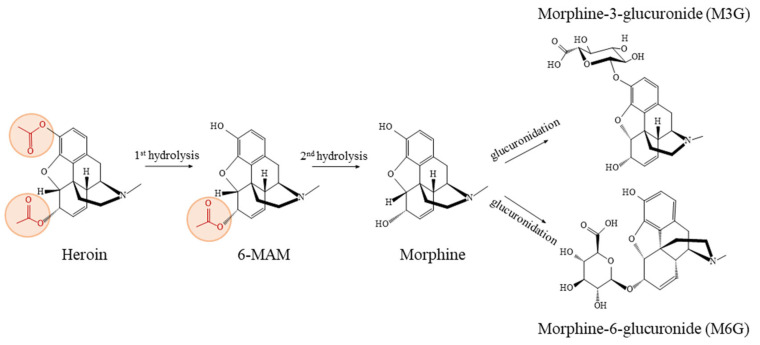 Figure 1
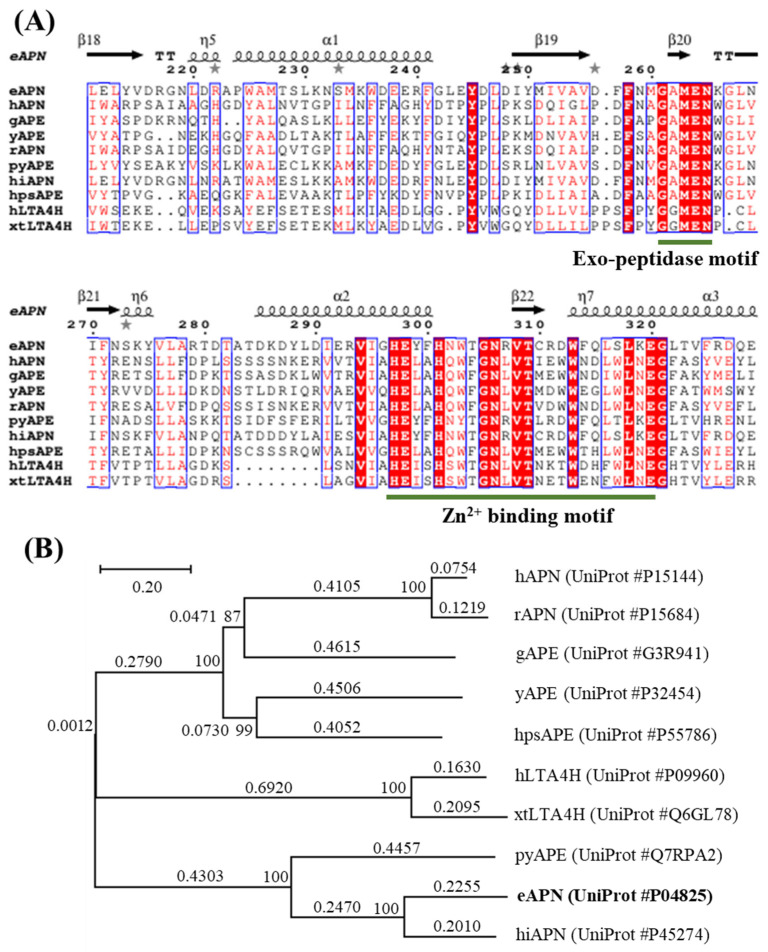 Figure 2
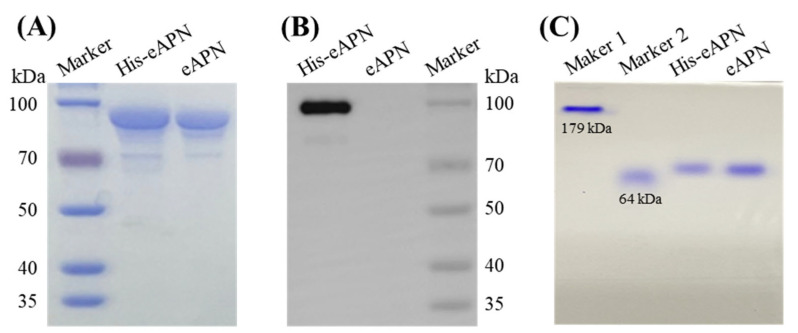 Figure 3
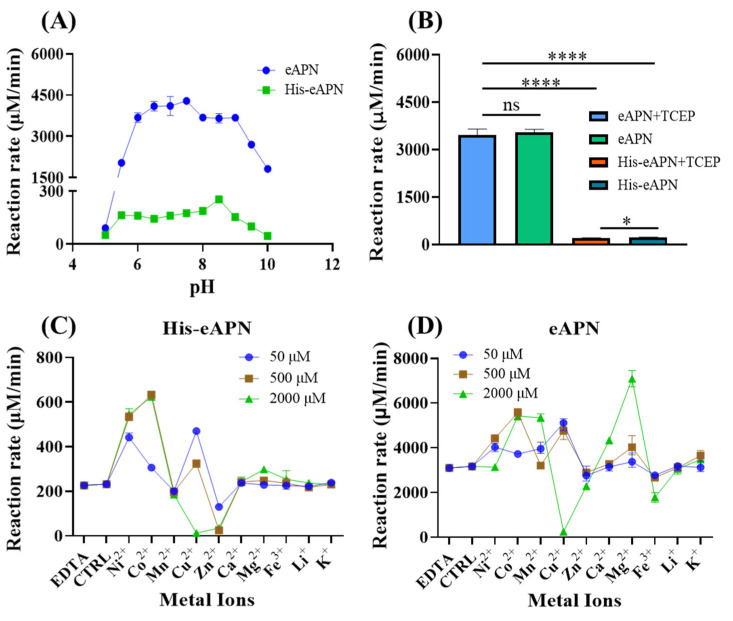 Figure 4
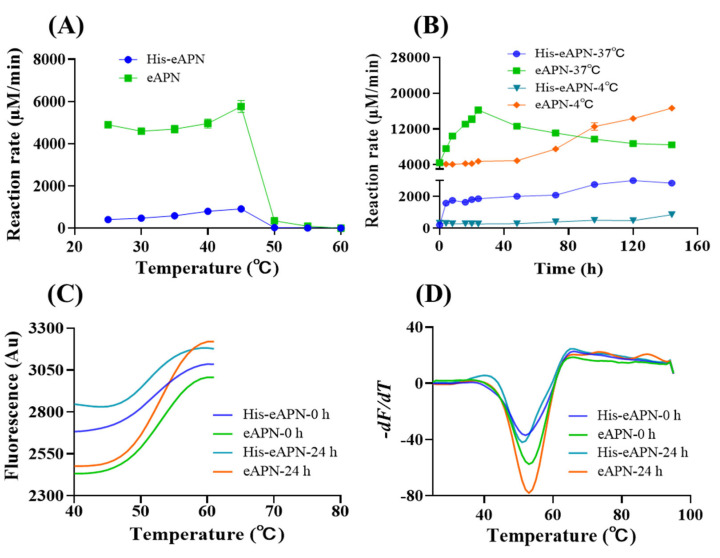 Figure 5
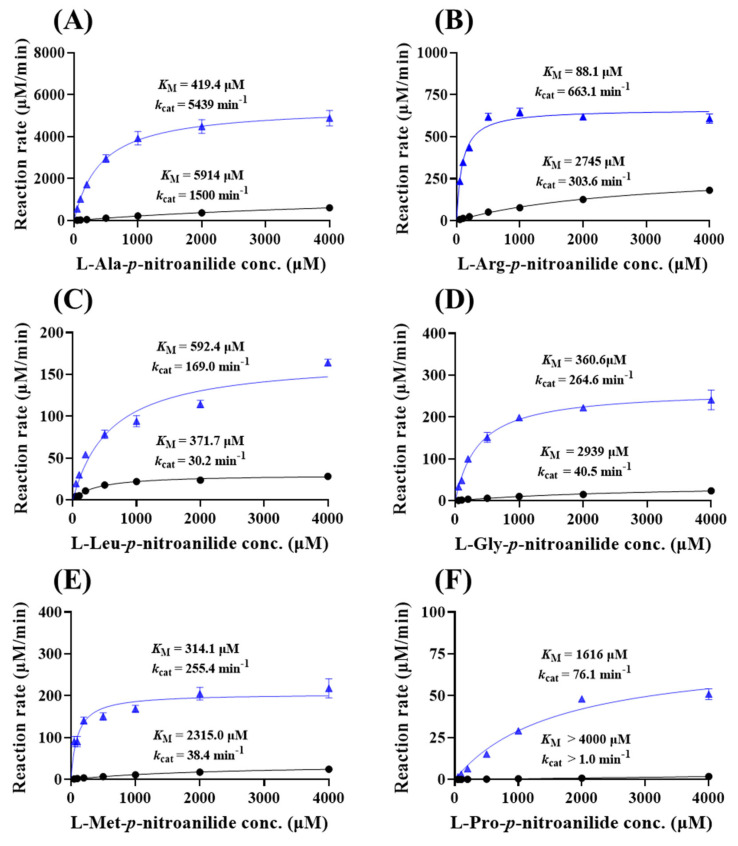 Figure 6
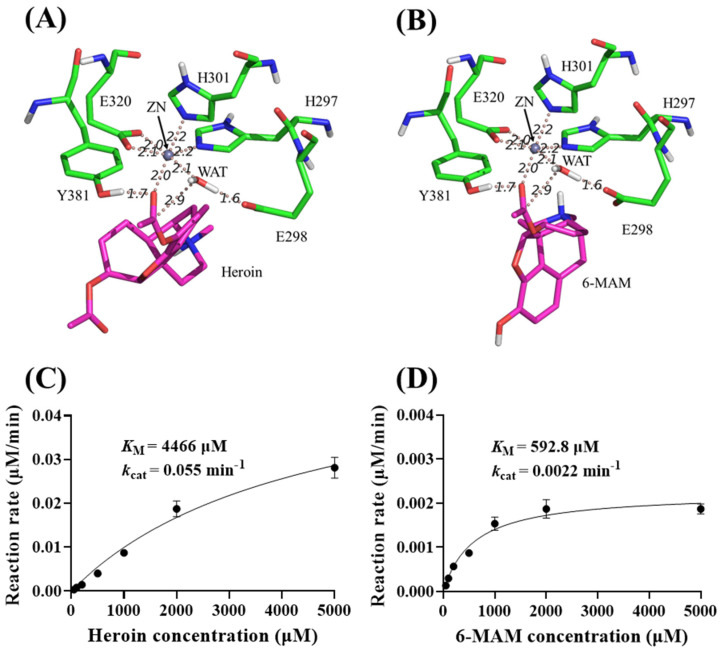 Figure 7
Peer Reviews
No public reviews on file for this paper yet. If you reviewed it on a platform where reviews are public (OpenReview, ICLR, NeurIPS, ICML), you can paste yours below so the community can read it here.
Videos
No videos yet. Explain this paper in a talk, walkthrough, or lecture? Add one.
Taxonomy
TopicsPeptidase Inhibition and Analysis · Neuropeptides and Animal Physiology · Signaling Pathways in Disease