A Single-Chain Variable Fragment Antibody Alleviates Inflammation and Apoptosis of Neurons by Inhibiting Tau Aggregation
Zongbao Wang, Jingye Lin, Peipei Chang, Mingzhu Sun, Sen Li

TL;DR
This study shows that a special antibody can reduce neuron damage and inflammation by preventing Tau protein clumps linked to Alzheimer's disease.
Contribution
The study introduces a single-chain antibody that inhibits Tau aggregation both inside and outside neurons, reducing neurotoxic effects.
Findings
Extracellular Tau aggregates cause intracellular Tau aggregation and increase ROS production.
ScFv T1 inhibits Tau aggregation and reduces ROS accumulation, inflammation, and apoptosis.
The findings support the development of new Alzheimer's therapies targeting Tau pathology.
Abstract
Tau pathology is one of the main pathological features of Alzheimer’s disease (AD). Intracellular Tau may be released to the extracellular space upon neuron degeneration, where it has the potential to be toxic to other neurons. The propagation of Tau pathology, mediated by extracellular Tau aggregates, may underlie the pathogenesis of AD. Antibody therapies targeting Tau proteins are, therefore, considered highly promising. In this study, the cytotoxicity of extracellular Tau aggregates on SH-SY5Y cells was examined. The effect of extracellular Tau aggregates on intracellular Tau aggregation was also studied using a FRET-based assay. The extracellular Tau aggregates were found to cause intracellular Tau aggregation after entering the cells; meanwhile, ROS (reactive oxygen species) induced by Tau aggregates facilitated this process. A single-chain variable fragment antibody (scFv T1)…
Genes, proteins, chemicals, diseases, species, mutations and cell lines named across the full text — each resolved to its canonical identifier and authoritative record.
Click any figure to enlarge with its caption.
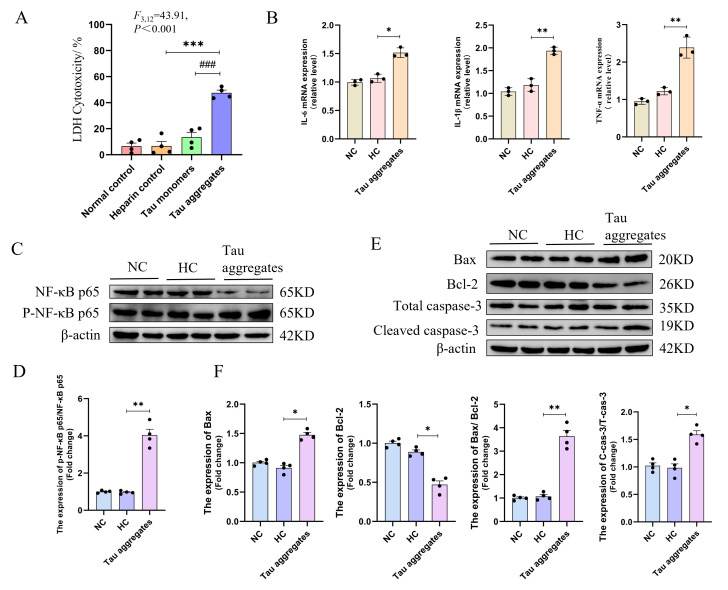 Figure 1
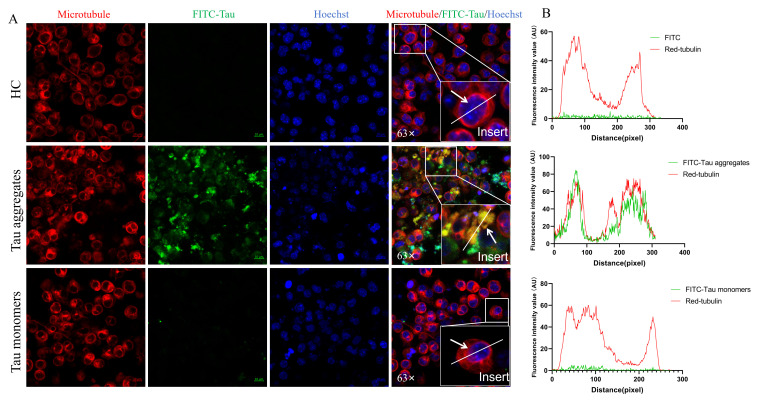 Figure 2
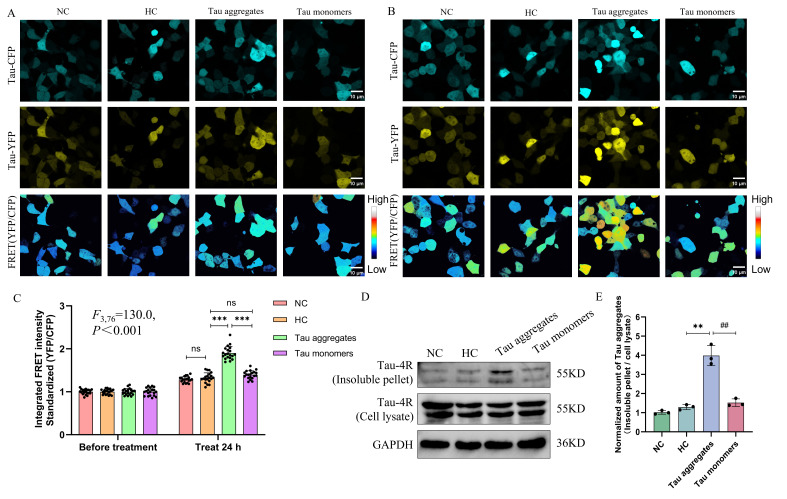 Figure 3
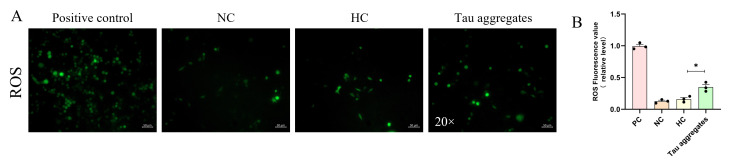 Figure 4
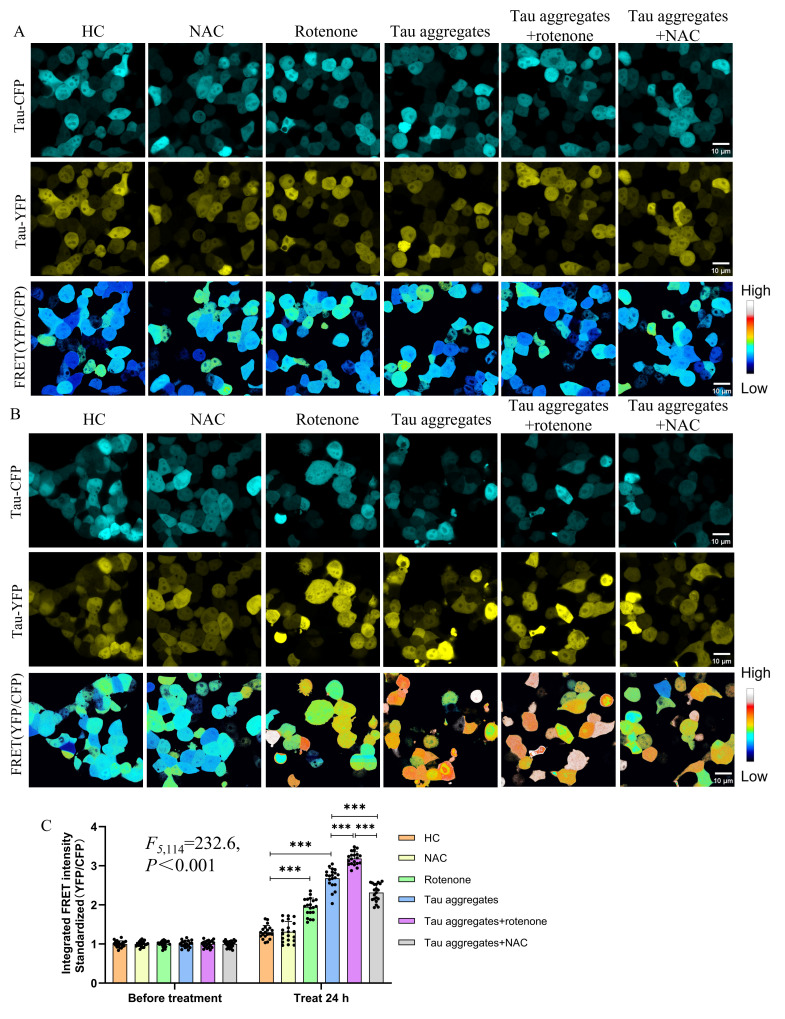 Figure 5
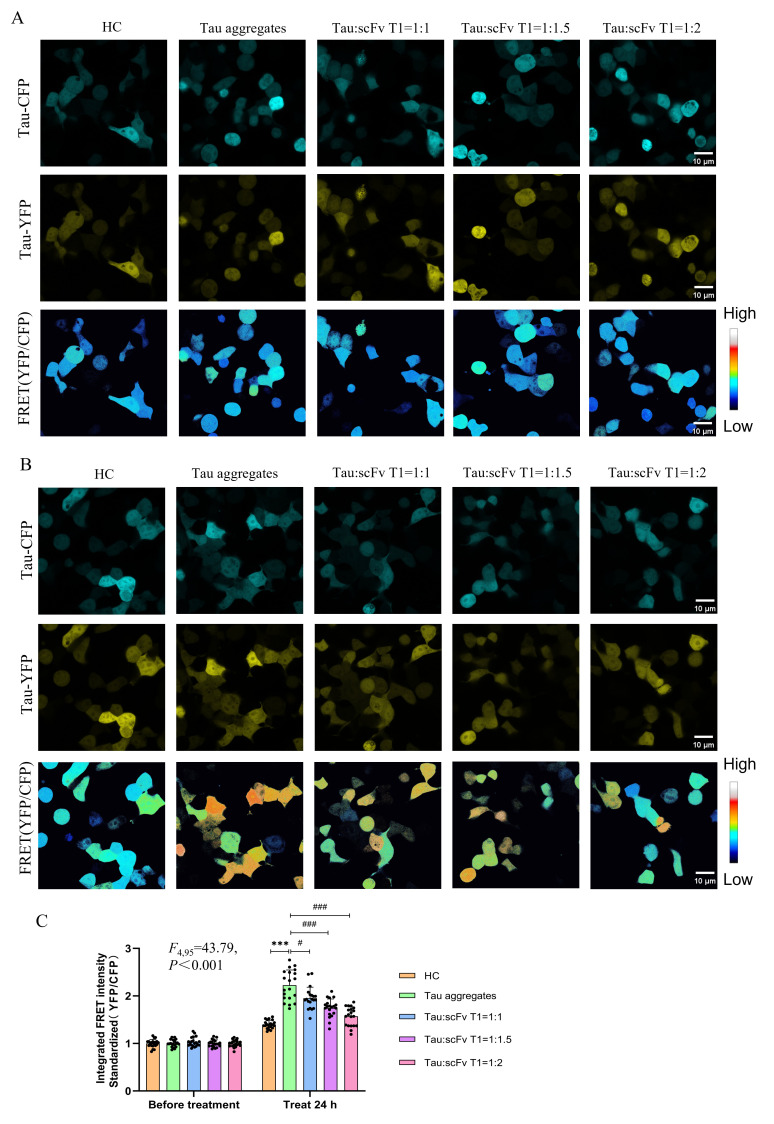 Figure 6
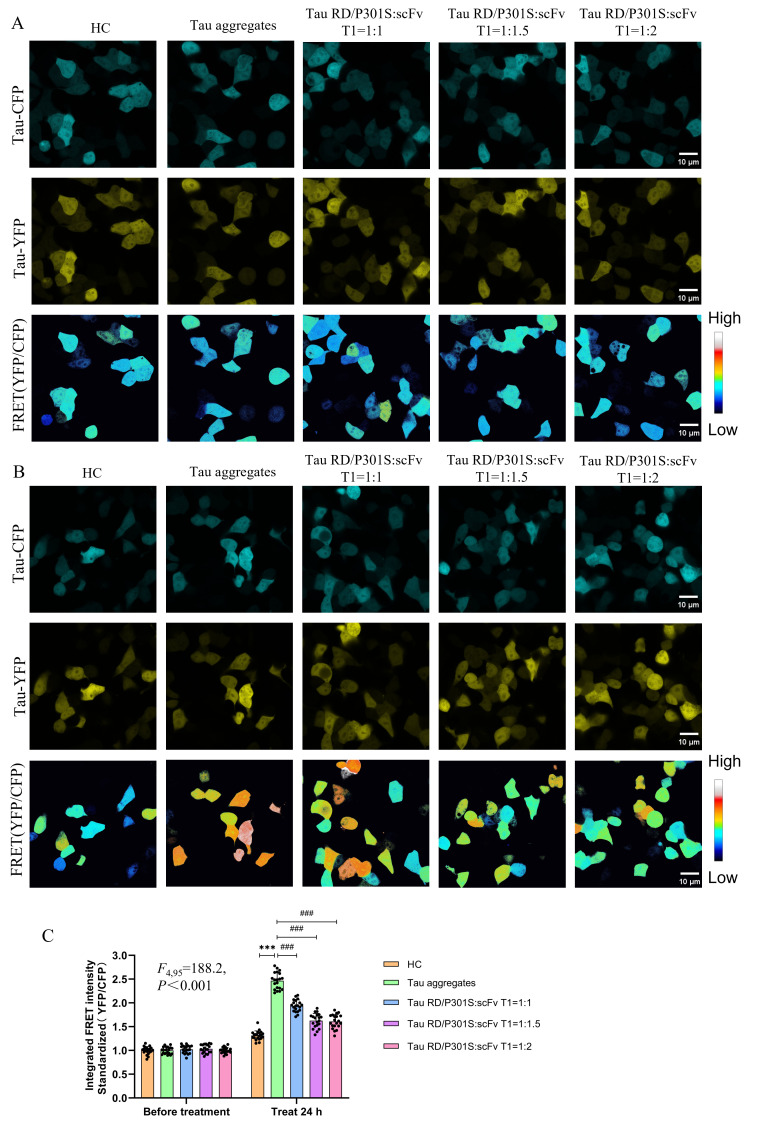 Figure 7
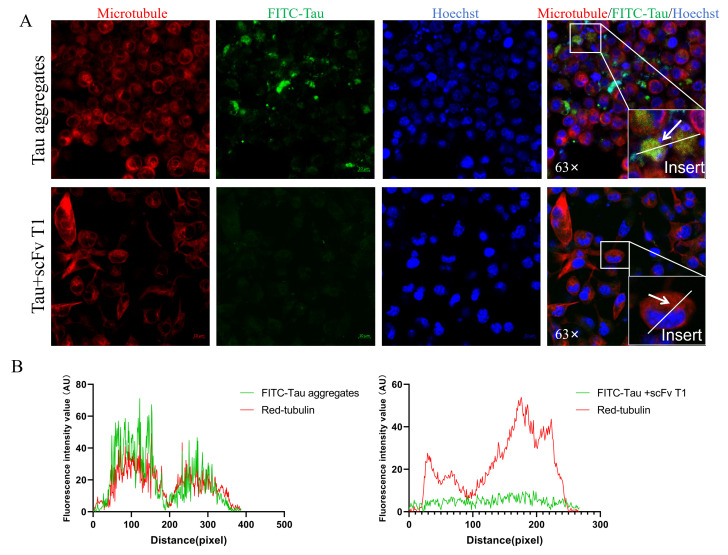 Figure 8
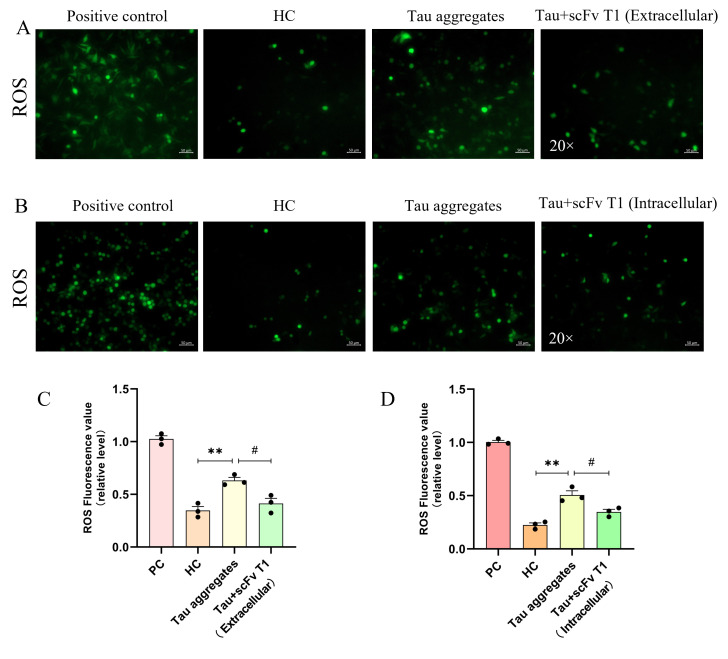 Figure 9
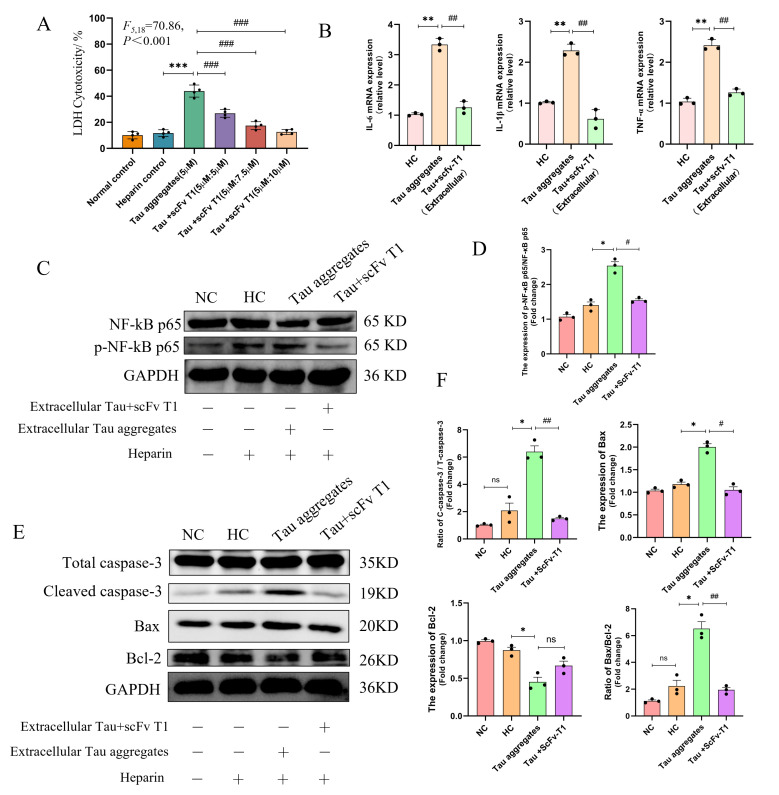 Figure 10
Peer Reviews
No public reviews on file for this paper yet. If you reviewed it on a platform where reviews are public (OpenReview, ICLR, NeurIPS, ICML), you can paste yours below so the community can read it here.
Videos
No videos yet. Explain this paper in a talk, walkthrough, or lecture? Add one.
Taxonomy
TopicsNeuroinflammation and Neurodegeneration Mechanisms · Alzheimer's disease research and treatments · Neuroscience and Neuropharmacology Research