Colony Binary Classification Based on Persistent Homology Feature Extraction and Improved EfficientNet
Zumin Wang, Ke Yang, Jie Tang, Jun Gao, Yuhao Zhang, Wei Xu, Chun-Ming Huang

TL;DR
This paper introduces a new method for classifying bacterial colonies using topological features and an improved neural network, achieving high accuracy.
Contribution
The novel contribution is combining persistent homology with an enhanced EfficientNet model for improved colony classification.
Findings
The proposed method achieves 98.64% accuracy in classifying Candida albicans and Staphylococcus epidermidis colonies.
The modified EfficientNet with SCoT mechanism improves performance by 10.29% over the original model.
Persistent homology effectively captures topological features of early-stage colonies for accurate classification.
Abstract
Classifying newly formed colonies is instrumental in uncovering sources of infection and enabling precision medicine, holding significant clinical value. However, due to the ambiguous features of early-stage colony images in culture dishes, conventional computer vision (CV) classification algorithms are often ineffective. To achieve accurate and efficient colony classification, this paper proposes a high-precision method based on Persistent Homology (PH) and an improved EfficientNet. Specifically, (1) a PH feature extraction algorithm is applied to Candida albicans (CA) and Staphylococcus epidermidis (SE) colonies cultured for 18 h in Petri dishes to capture their topological information. (2) The Mobile Inverted Bottleneck Convolution (MBConv) module in EfficientNet is modified, enhancing the attention mechanism to better handle local small targets. (3) A novel self-attention mechanism…
Genes, proteins, chemicals, diseases, species, mutations and cell lines named across the full text — each resolved to its canonical identifier and authoritative record.
Click any figure to enlarge with its caption.
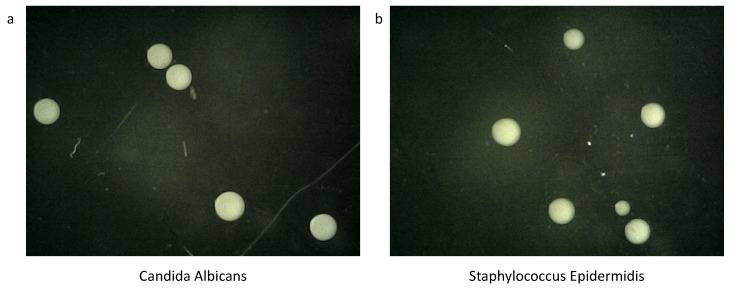 Figure 1
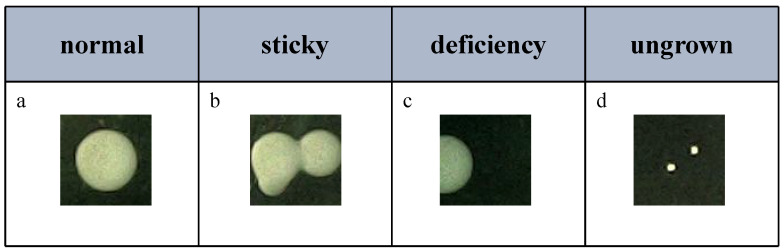 Figure 2
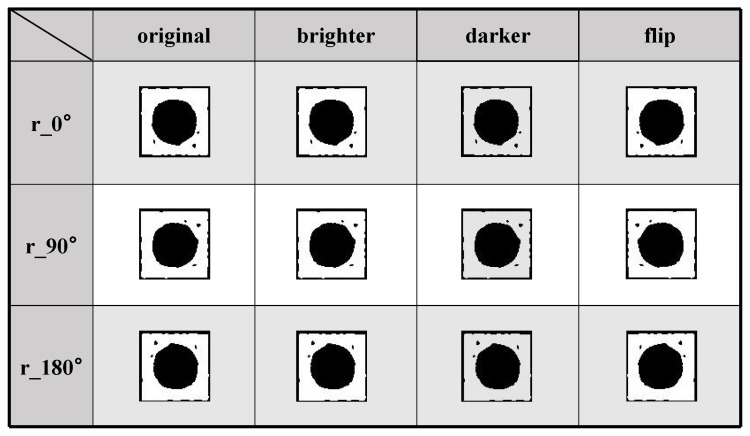 Figure 3
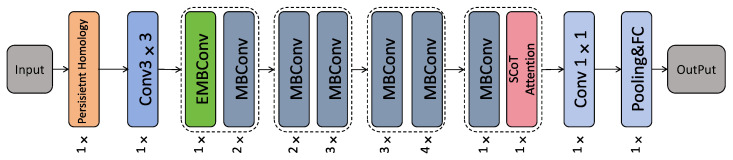 Figure 4
 Figure 5
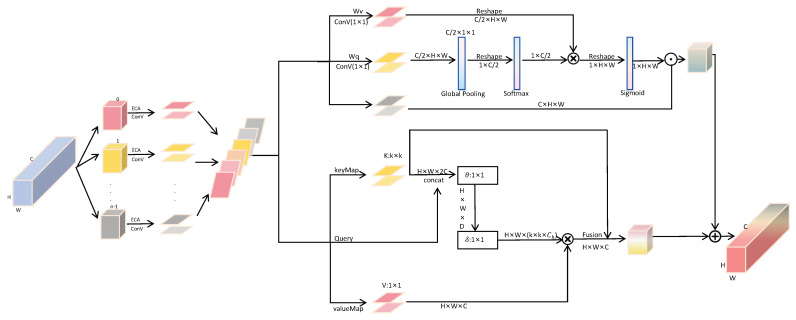 Figure 6
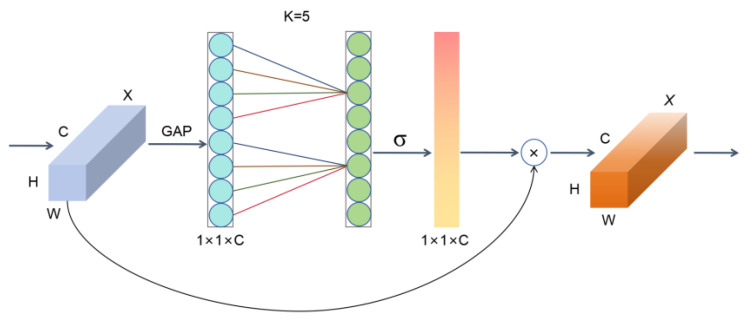 Figure 7
 Figure 8
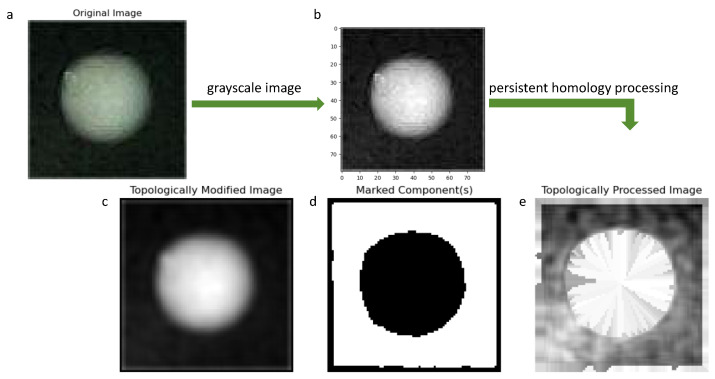 Figure 9
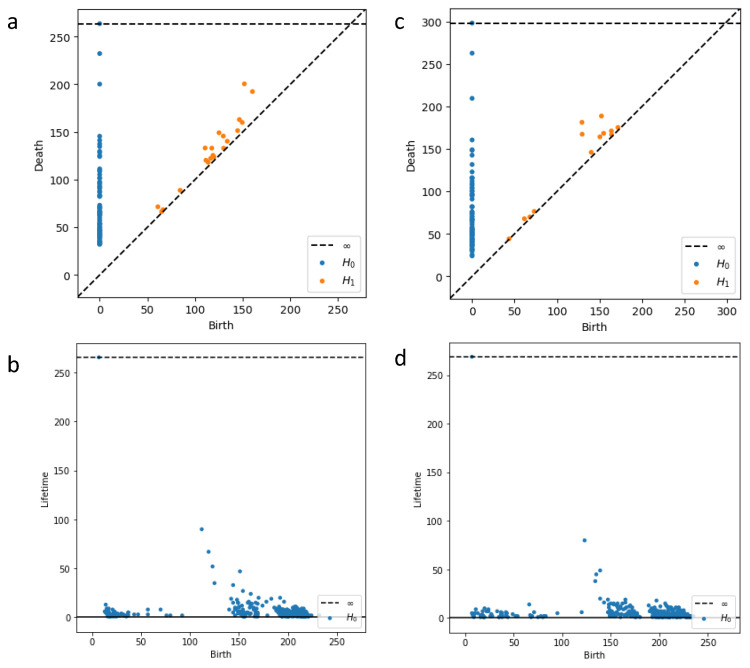 Figure 10
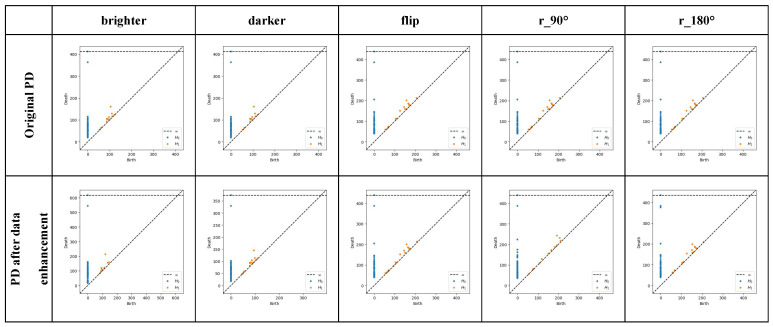 Figure 11
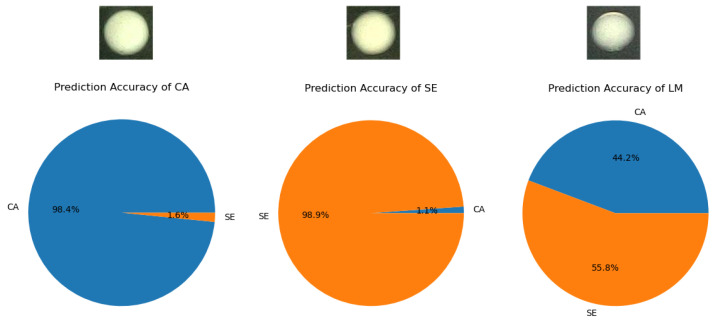 Figure 12
Peer Reviews
No public reviews on file for this paper yet. If you reviewed it on a platform where reviews are public (OpenReview, ICLR, NeurIPS, ICML), you can paste yours below so the community can read it here.
Videos
No videos yet. Explain this paper in a talk, walkthrough, or lecture? Add one.
Taxonomy
TopicsImage Processing Techniques and Applications · Cell Image Analysis Techniques · AI in cancer detection