Feeding and Growth in the Ephyra Stage of Aurelia coerulea: An In Situ Study
Seo Yeol Choi, Kyoung Yeon Kim, Seok Hyun Youn

TL;DR
This study examines how young jellyfish feed and grow in their natural environment, finding that food availability and environmental experience influence their growth and potential to form large blooms.
Contribution
The study provides empirical in situ data on feeding and growth rates of Aurelia coerulea ephyrae, revealing how environmental factors and prey availability modulate their development.
Findings
Field-collected ephyrae had higher clearance rates and grazing carbon than lab-reared ones.
Growth rates peaked at intermediate prey concentrations, not at extremes.
Environmental history and prey availability modulate ephyra feeding and growth.
Abstract
Jellyfish often form large groups, called blooms, which can affect the health of coastal waters and the animals living there. One stage in the jellyfish life cycle, called the ephyra, is very small and hard to study in the wild, but is important because it can shape how large a bloom will become. In this study, we collected young jellyfish from two coastal bays in Korea and measured how much food they ate and how fast they grew in their natural environment. We found that jellyfish which started life in the wild ate more and grew more than those raised in the lab, and that jellyfish grew best when food was available at just the right level: not too much or too little. These findings show that the success of jellyfish blooms depends on both natural food conditions and the jellyfish’s own experience in their environment. Understanding how young jellyfish feed and grow in nature will help…
Genes, proteins, chemicals, diseases, species, mutations and cell lines named across the full text — each resolved to its canonical identifier and authoritative record.
Click any figure to enlarge with its caption.
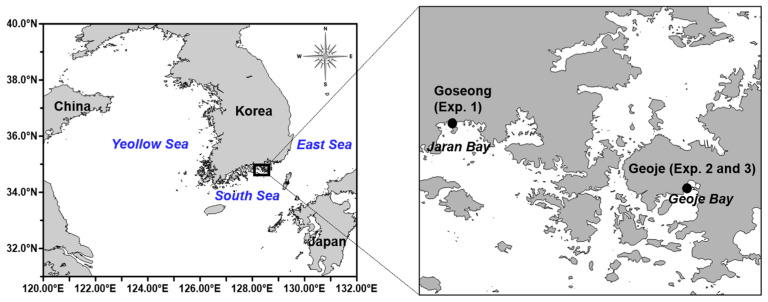 Figure 1
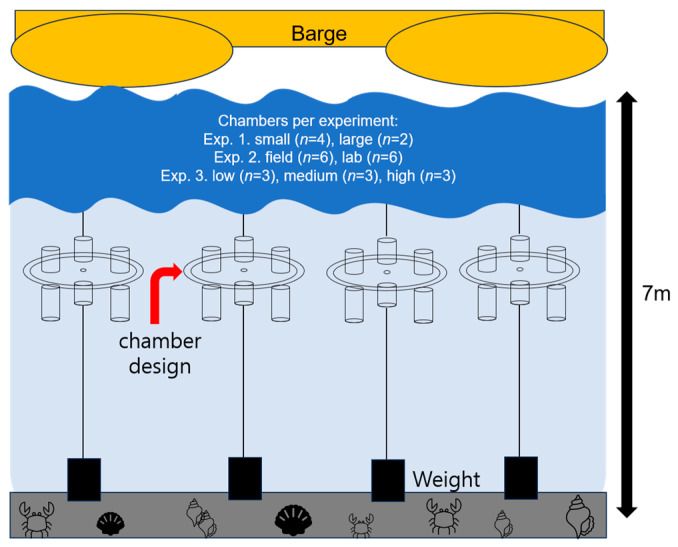 Figure 2
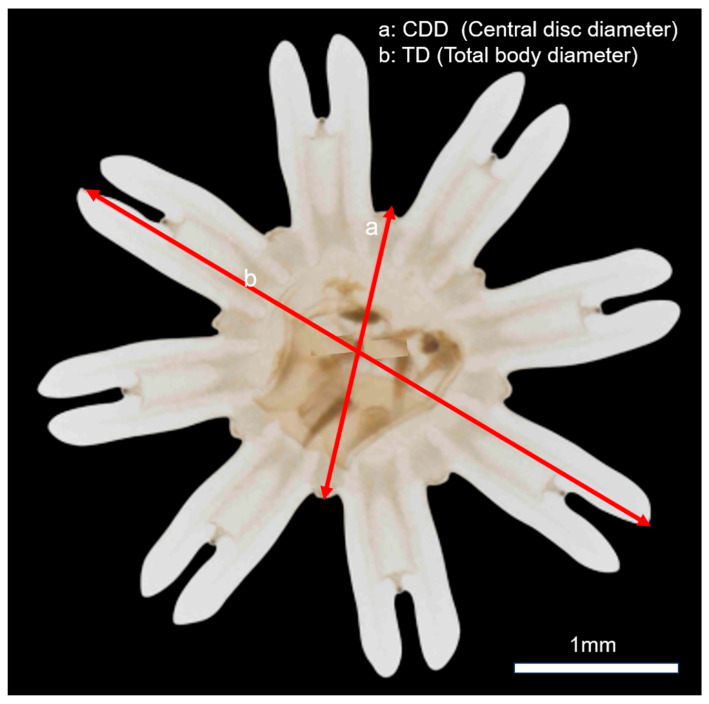 Figure 3
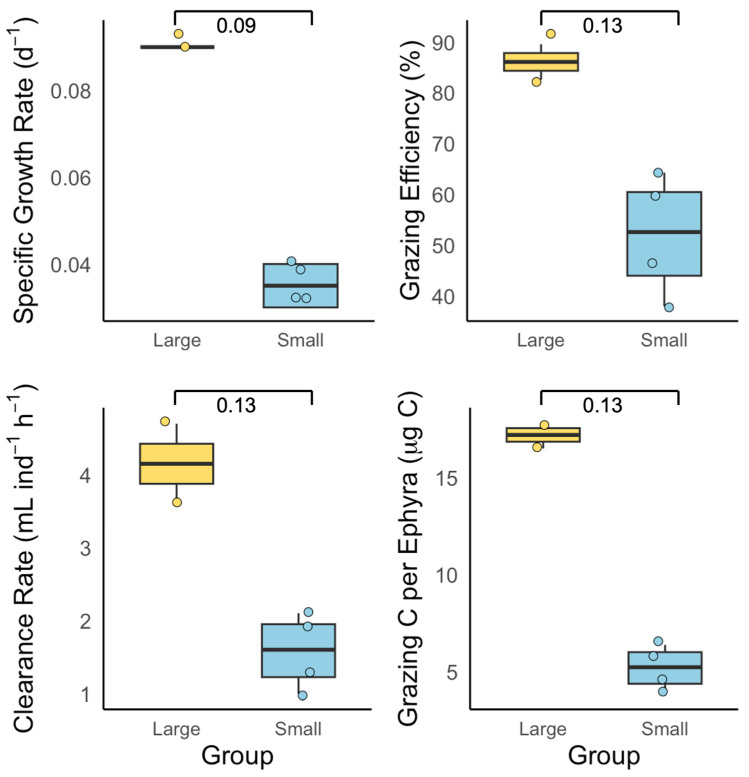 Figure 4
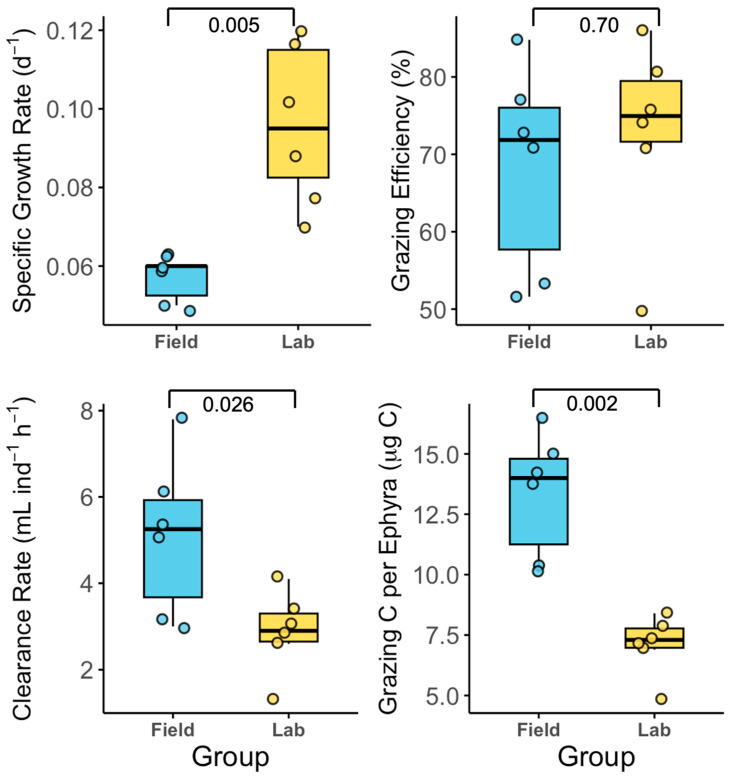 Figure 5
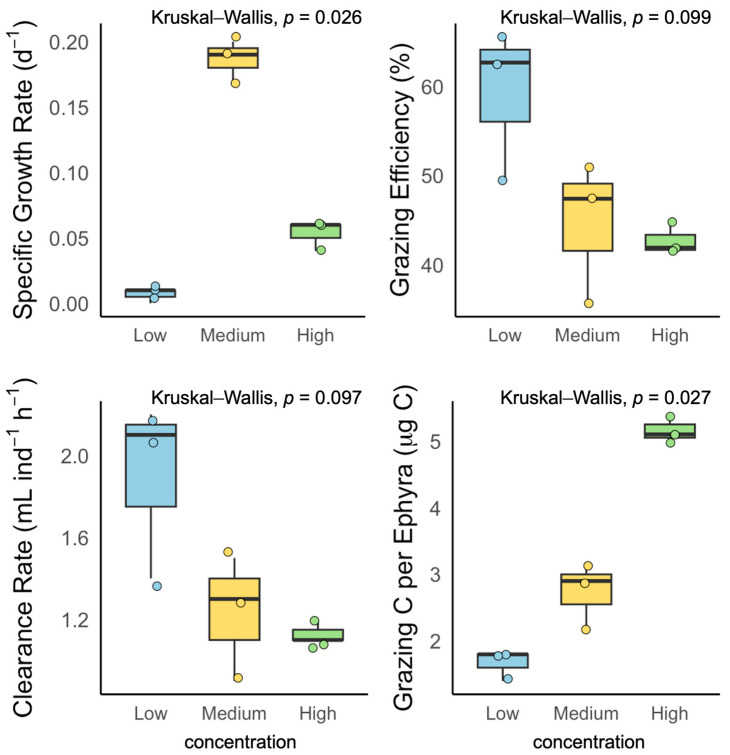 Figure 6
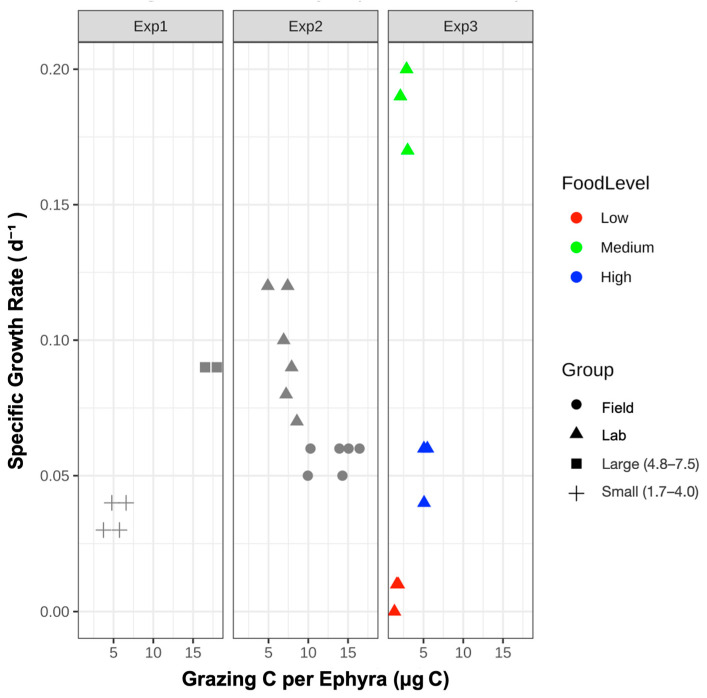 Figure 7
Peer Reviews
No public reviews on file for this paper yet. If you reviewed it on a platform where reviews are public (OpenReview, ICLR, NeurIPS, ICML), you can paste yours below so the community can read it here.
Videos
No videos yet. Explain this paper in a talk, walkthrough, or lecture? Add one.
Taxonomy
TopicsMarine Invertebrate Physiology and Ecology · Marine Toxins and Detection Methods · Cephalopods and Marine Biology