Liver Transcriptome Analysis Reveals a Potential Mechanism of Heat Stress Increasing Susceptibility to Salmonella Typhimurium in Chickens
Qi Zhang, Yvqing Zhu, Zixuan Wang, Qinghe Li, Guiping Zhao, Qiao Wang

TL;DR
Heat stress makes chickens more vulnerable to Salmonella infection by causing inflammation and weakening defenses, as shown by liver gene activity and key immune genes.
Contribution
Identified three key genes (PTGDS, SLC6A9, WISP2) linking heat stress to increased Salmonella susceptibility in chickens.
Findings
Heat stress reduced weight gain, increased inflammation, and raised mortality in Salmonella-infected chickens.
Transcriptome analysis showed heat stress caused excessive inflammation and antioxidant imbalance in the liver.
Three genes (PTGDS, SLC6A9, WISP2) were validated as critical in immune response under heat stress and Salmonella infection.
Abstract
Salmonella infection causes severe disease in chickens and major economic losses for the poultry industry. Heat stress, which is becoming more common with global warming, makes chickens more vulnerable to infections, but how it does so remains incompletely understood. This study investigated how heat stress affects the ability of chickens to resist Salmonella infection. We compared healthy chickens to those infected with Salmonella Typhimurium, and to chickens exposed to both heat stress and Salmonella Typhimurium. The results showed that heat stress caused infected chickens to gain less weight, develop stronger inflammation, and experience higher mortality. Transcriptome analysis of the liver revealed that heat stress triggered excessive inflammatory responses and impaired antioxidant defenses. By integrating differential expression analysis, weighted gene co-expression network…
Genes, proteins, chemicals, diseases, species, mutations and cell lines named across the full text — each resolved to its canonical identifier and authoritative record.
Click any figure to enlarge with its caption.
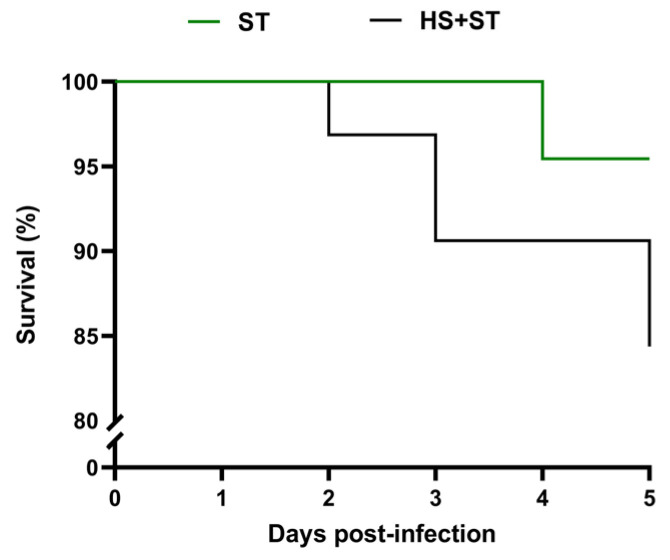 Figure 1
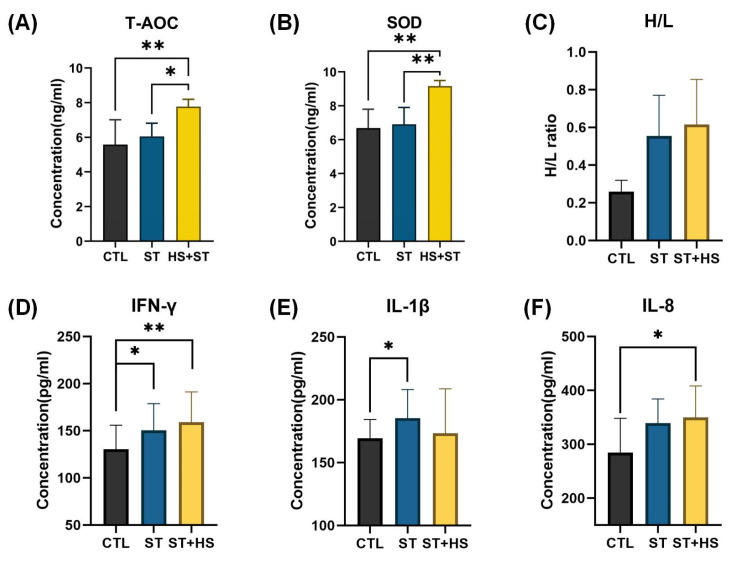 Figure 2
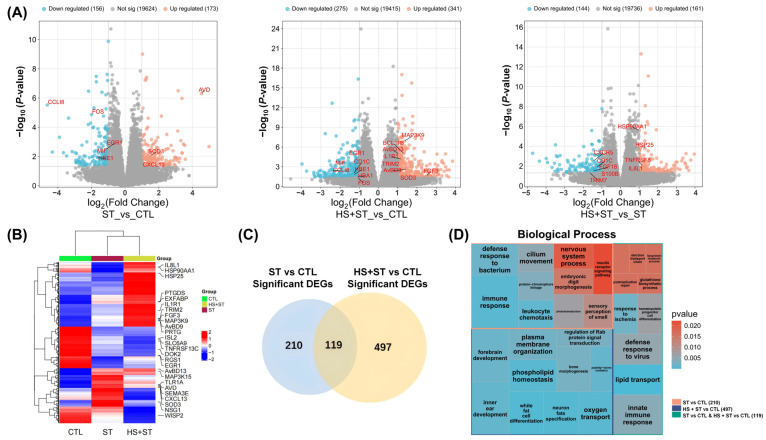 Figure 3
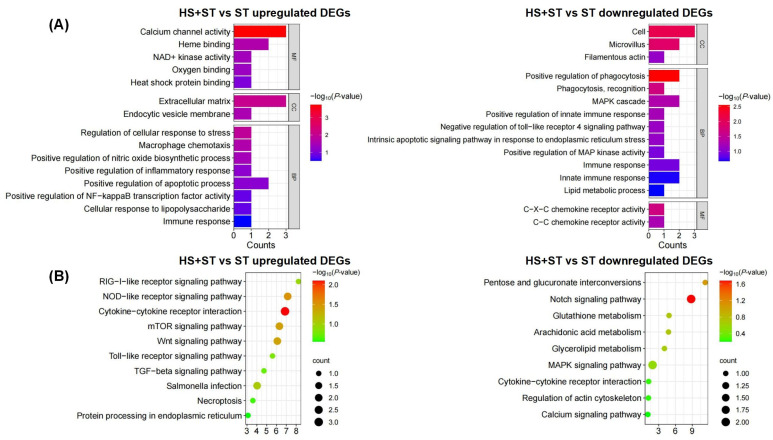 Figure 4
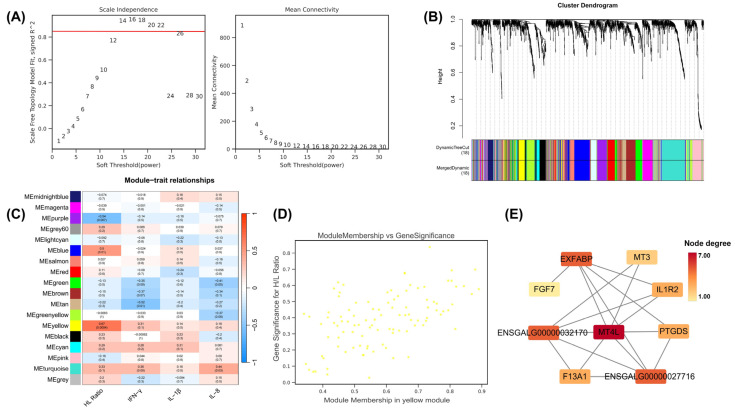 Figure 5
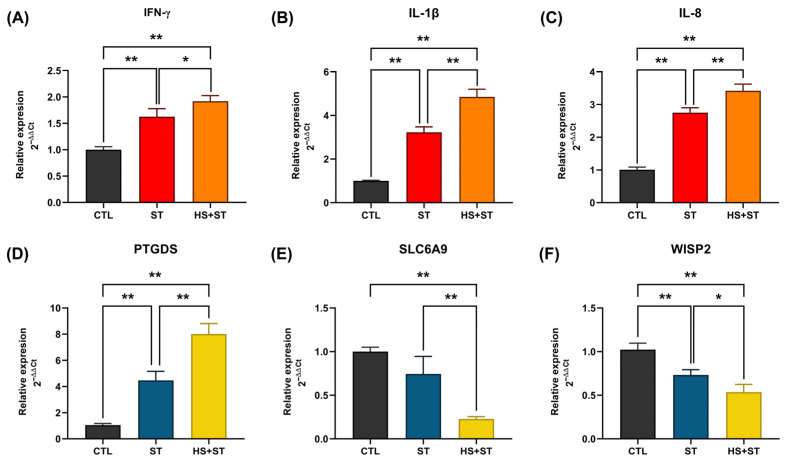 Figure 6
Peer Reviews
No public reviews on file for this paper yet. If you reviewed it on a platform where reviews are public (OpenReview, ICLR, NeurIPS, ICML), you can paste yours below so the community can read it here.
Videos
No videos yet. Explain this paper in a talk, walkthrough, or lecture? Add one.
Taxonomy
TopicsAnimal Nutrition and Physiology · Salmonella and Campylobacter epidemiology · Aquaculture disease management and microbiota