Improvement of Free T4 in Newly Diagnosed Graves Disease Patients Through a Multifaceted Quality Improvement Approach
Einas H. Alkhatib, Tejal Patel, Julie Harlam, Padmaja Pavuluri, Maria Naveed, Andrew Dauber, Priya Vaidyanathan

TL;DR
A quality improvement approach helped more children with newly diagnosed Graves disease achieve normal thyroid hormone levels within 3 months and maintain them for 6 months.
Contribution
A multifaceted quality improvement strategy improved treatment outcomes in newly diagnosed pediatric Graves disease patients.
Findings
78% of patients achieved normal free T4 levels by 3 months, up from 47% previously.
Improvements were sustained for 6 months but declined by 12 months.
Barriers included missed appointments, language, medication adherence, and lack of insurance.
Abstract
Graves disease (GD) is the most common cause of pediatric hyperthyroidism, and if untreated, may result in multisystem complications and decreased quality of life. Through a multifaceted quality improvement (QI) approach, we aimed to address treatment barriers after a new diagnosis of GD and increase the percentage of patients attaining an euthyroid state within 3 months from diagnosis and sustain for 12 months. Using standard QI methodologies from January to November 2023, our plan, do, study, act cycles focused on an educational handout and checklist at diagnosis, a standardized methimazole dose based on initial free thyroxine (T4) and age, and frequent provider check-ins with phone call at 2 weeks, telehealth visit at 4 weeks with laboratories, and continued QI follow-up for 3 months as process measures. Outcome measure was the percentage of patients achieving normalization of free…
Genes, proteins, chemicals, diseases, species, mutations and cell lines named across the full text — each resolved to its canonical identifier and authoritative record.
Click any figure to enlarge with its caption.
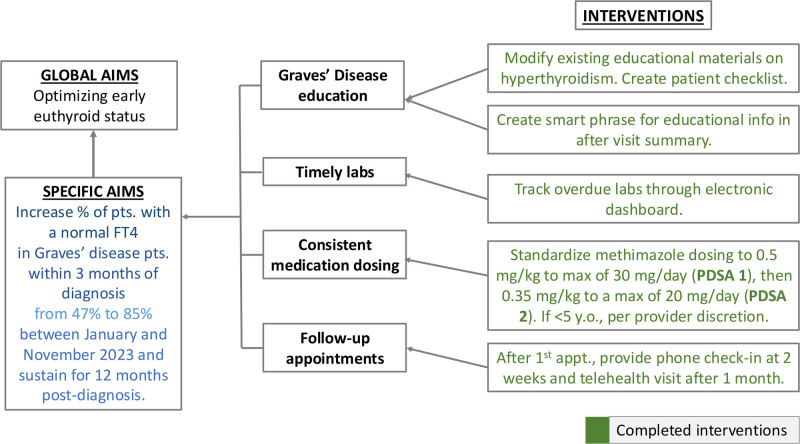 Figure 1
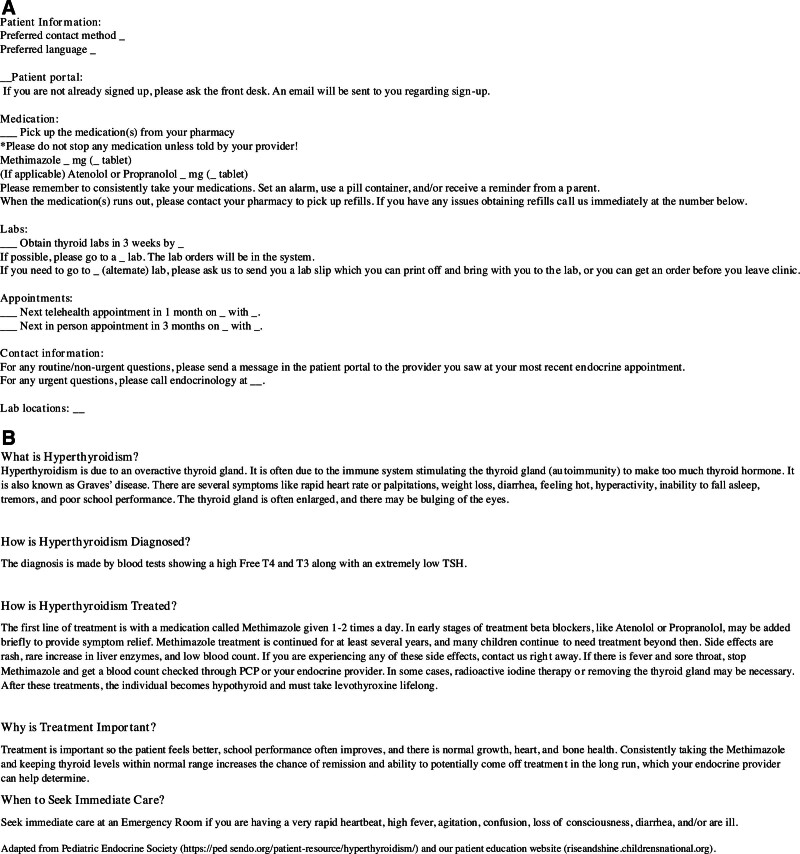 Figure 2
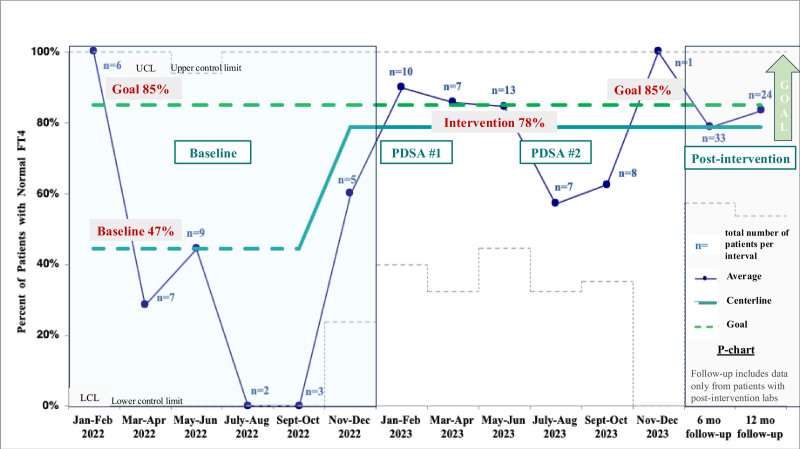 Figure 3
Peer Reviews
No public reviews on file for this paper yet. If you reviewed it on a platform where reviews are public (OpenReview, ICLR, NeurIPS, ICML), you can paste yours below so the community can read it here.
Videos
No videos yet. Explain this paper in a talk, walkthrough, or lecture? Add one.
Taxonomy
TopicsSalivary Gland Disorders and Functions · Myasthenia Gravis and Thymoma · Peripheral Neuropathies and Disorders