Functionally Isolated Sarcoplasmic Reticulum in Cardiomyocytes: Experimental and Mathematical Models
Diogo C. Soriano, Rosana A. Bassani, José W. M. Bassani

TL;DR
This paper introduces a new method to study calcium cycling in heart cells by isolating the sarcoplasmic reticulum's function.
Contribution
The paper introduces the functionally isolated SR model (FISRM), combining experiments and math to study SR Ca2+ transport in intact cardiomyocytes.
Findings
FISRM eliminates other Ca2+ pathways to focus on SR fluxes using caffeine pulses and Na+/Ca2+-free medium.
The mathematical model successfully simulated experimental results, confirming SR as the main Ca2+ flux site.
FISRM is proposed as a framework for studying SR function and testing therapies targeting SR proteins.
Abstract
The interaction among the various Ca2+ transporters complicates the assessment of isolated systems in an intact cell. This article proposes the functionally isolated SR model (FISRM), a hybrid (experimental and mathematical) approach to study Ca2+ cycling between the cytosol and the sarcoplasmic reticulum (SR), the main source of Ca2+ for contraction in mammalian cardiomyocytes. In FISRM, the main transmembrane Ca2+ transport pathways are eliminated by using a Na+, Ca2+-free extracellular medium, and SR Ca2+ release is elicited by a train of brief caffeine pulses. Two compounds that exert opposite effects on the SR Ca2+ uptake were characterized by this approach in isolated rat ventricular cardiomyocytes. The experimental FISRM was simulated with a simple mathematical model of Ca2+ fluxes across the SR membrane, based on a previous model adapted to the present conditions. To a fair…
Genes, proteins, chemicals, diseases, species, mutations and cell lines named across the full text — each resolved to its canonical identifier and authoritative record.
Click any figure to enlarge with its caption.
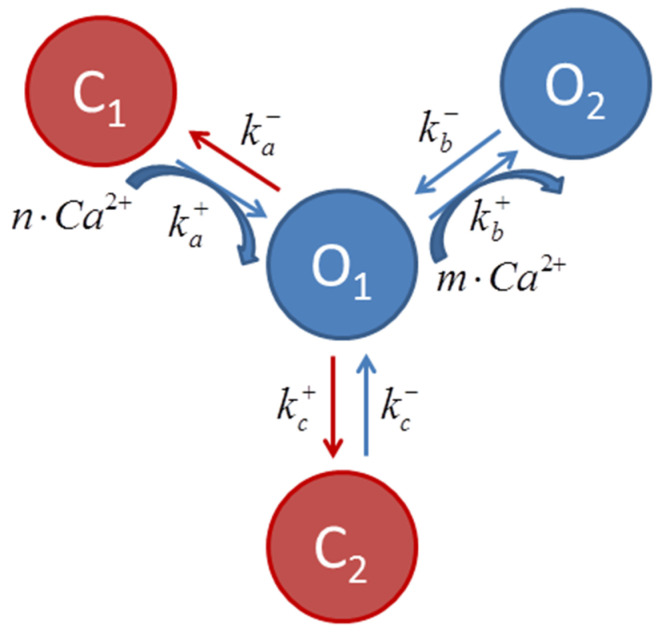 Figure 1
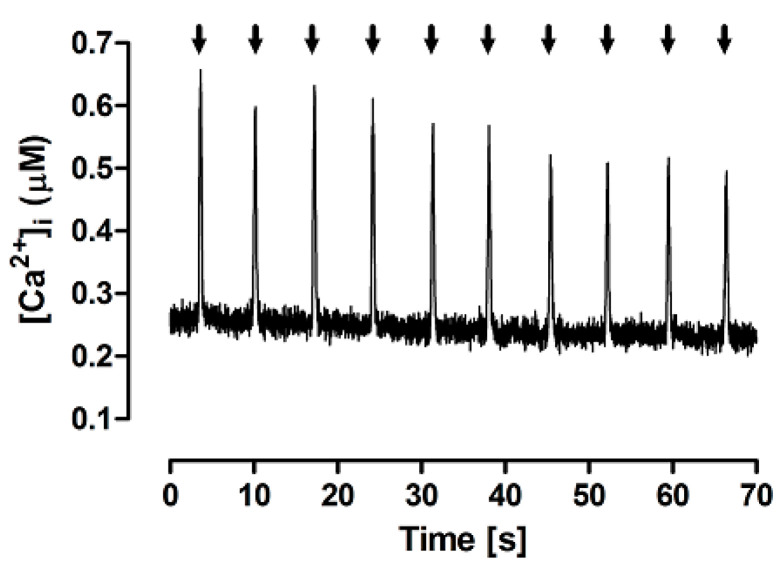 Figure 2
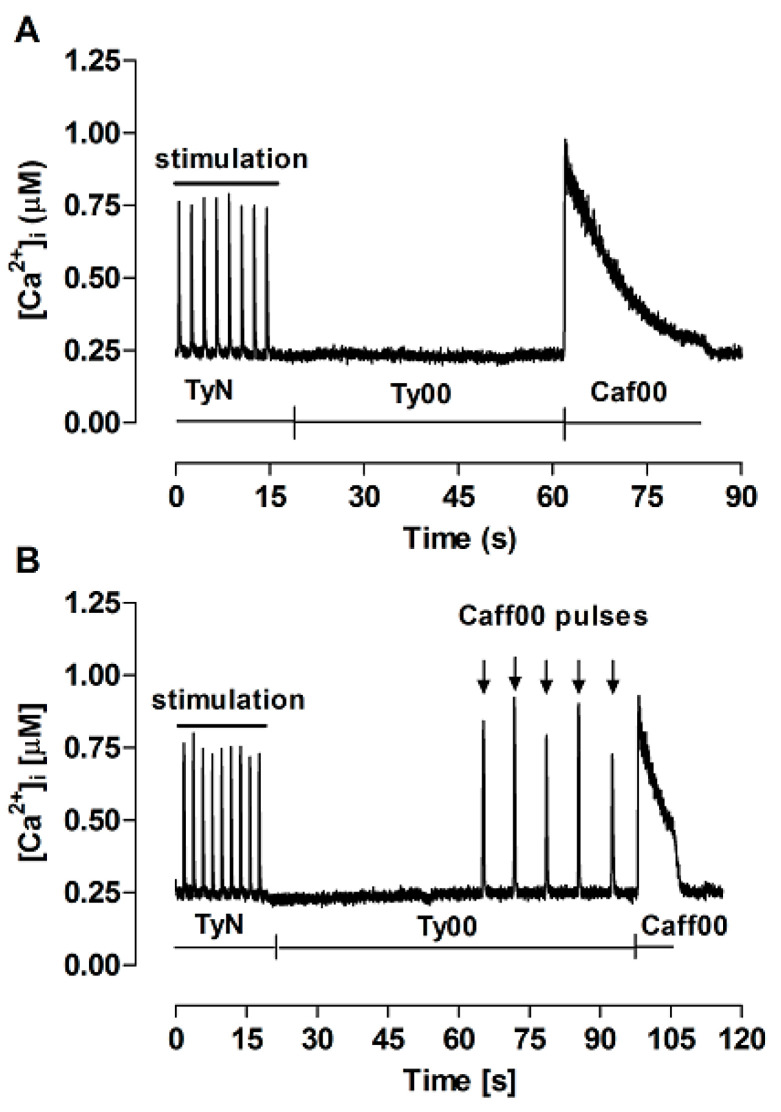 Figure 3
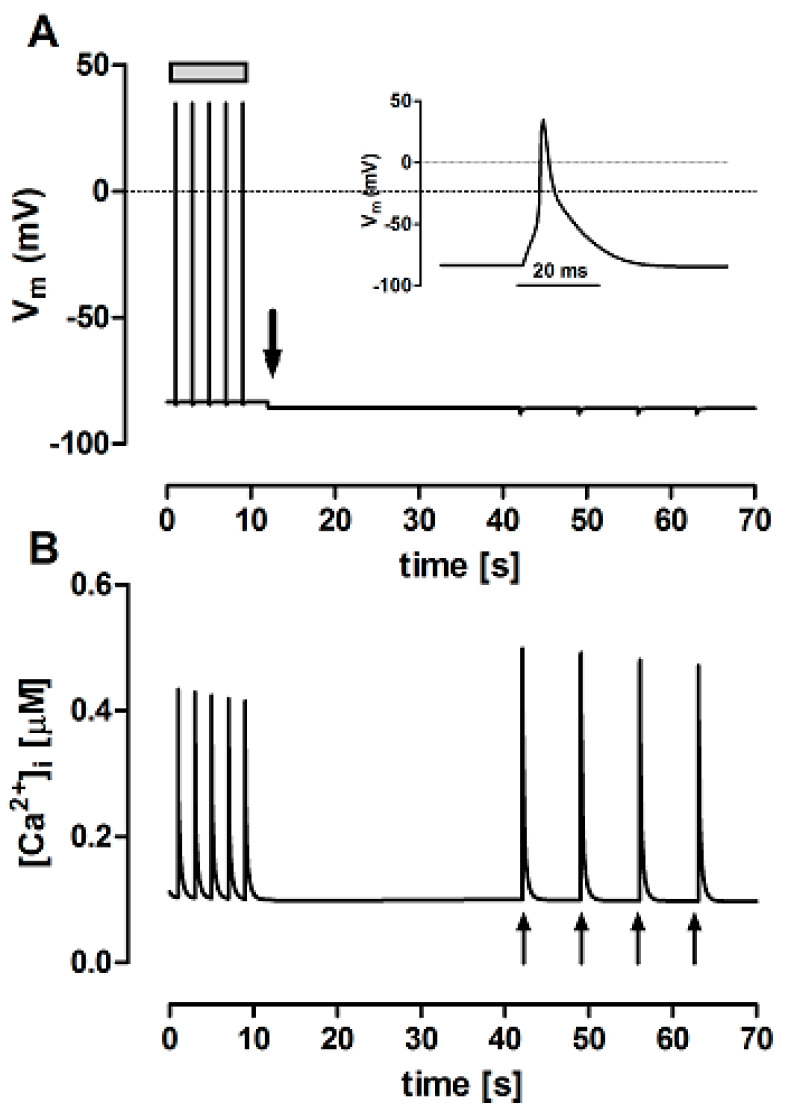 Figure 4
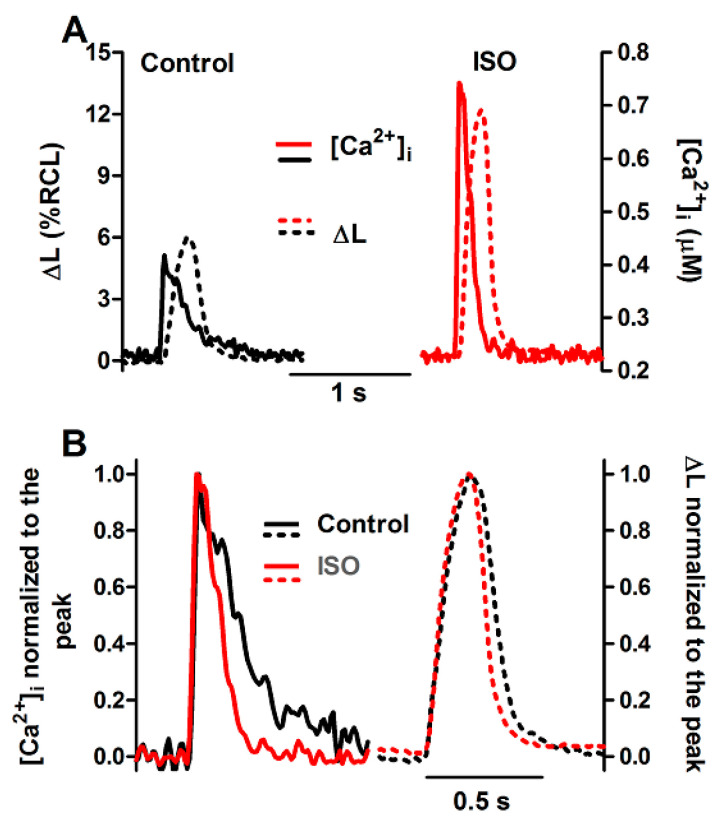 Figure 5
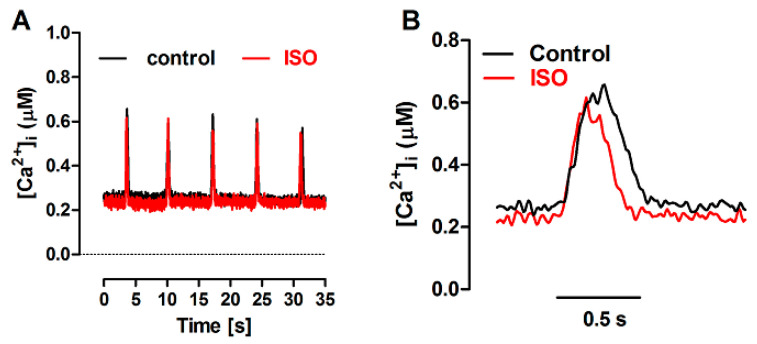 Figure 6
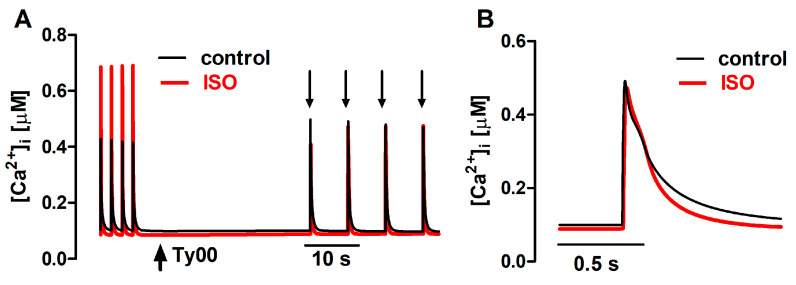 Figure 7
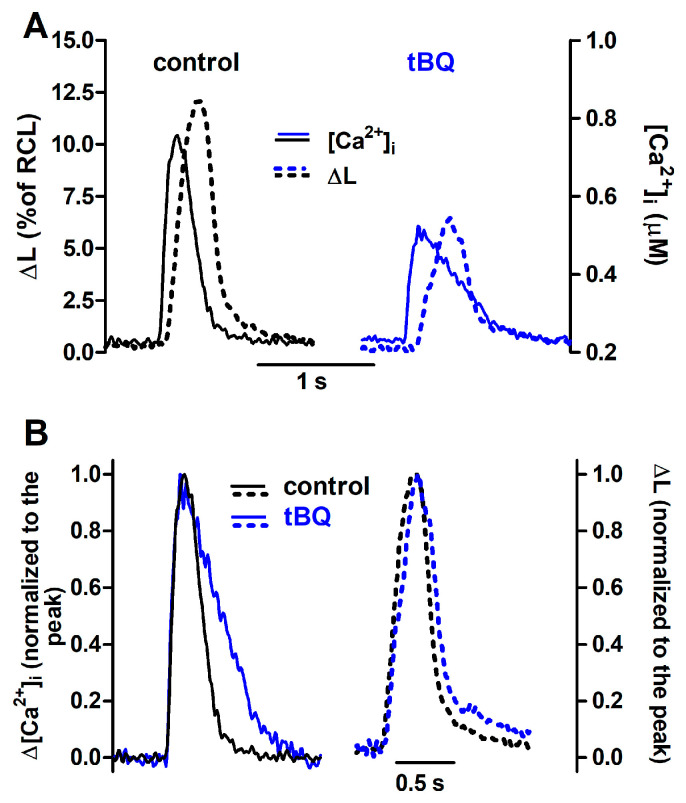 Figure 8
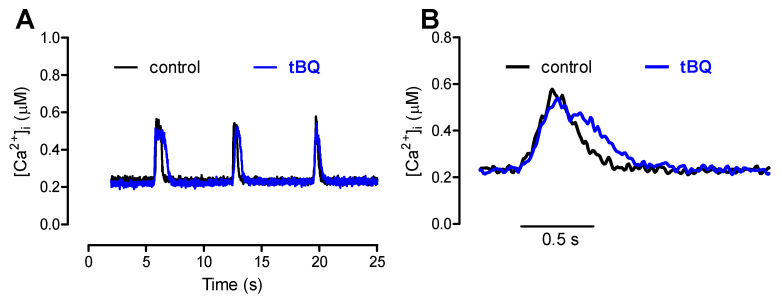 Figure 9
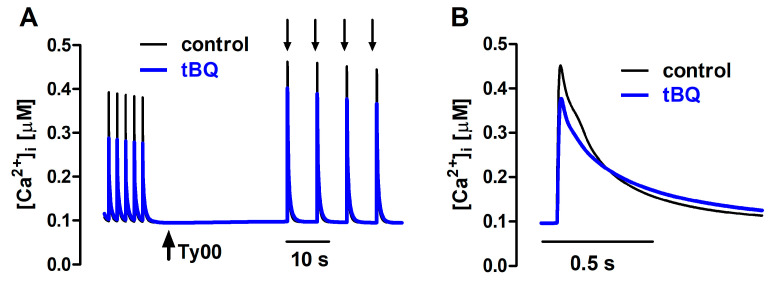 Figure 10
Peer Reviews
No public reviews on file for this paper yet. If you reviewed it on a platform where reviews are public (OpenReview, ICLR, NeurIPS, ICML), you can paste yours below so the community can read it here.
Videos
No videos yet. Explain this paper in a talk, walkthrough, or lecture? Add one.
Taxonomy
TopicsCardiac electrophysiology and arrhythmias · Ion channel regulation and function · Neuroscience and Neuropharmacology Research