Testing a Liquid Crystal Visual Thermometer Device in Newborns and Young Infants
Bolanle Aishat Kasali, Jennifer Udeogu, Anna Strauss, Jack M Wolf, Ann M Brearley, Iretiola B Fajolu, Rashedat Oshodi, Abigail Obi, Morgan McBride, Sanjana Molleti, Tina M Slusher, Chinyere Ezeaka, Ifelayo Ojo

TL;DR
A modified liquid crystal thermometer device was tested for its accuracy in measuring infant temperatures but showed poor correlation with standard digital thermometers.
Contribution
The study evaluates a modified liquid crystal thermometer device for usability and accuracy in temperature monitoring by caregivers and healthcare providers in newborns.
Findings
The average agreement between LCTD readings and standard of care temperatures was 64%.
Caregivers had a 65% accuracy rate in interpreting LCTD readings compared to digital thermometer measurements.
A slight bias for higher temperature readings was observed in LCTD interpretations at or above 37°C.
Abstract
Objective Severe neonatal jaundice is a major cause of death and disability among newborns in low- and middle-income countries (LMICs). Filtered sunlight phototherapy (FSPT) is safe and effective but requires hourly temperature monitoring to detect hyperthermia/hypothermia. This need for close temperature monitoring by family members and community health extension workers is impeding FSPT scale-up in LMICs, where healthcare providers are scarce and nurseries are understaffed. The ability of a caregiver to accurately measure temperature can affect infant health outcomes in many other illnesses as well. This study aims to evaluate the accuracy and usability of a modified Liquid Crystal Thermometer Device (LCTD) strip, modified from the original ThermoSpot™ (Maternova, Providence, RI), for caregivers and healthcare providers in measuring infant temperatures. The modification was attempted…
Genes, proteins, chemicals, diseases, species, mutations and cell lines named across the full text — each resolved to its canonical identifier and authoritative record.
Click any figure to enlarge with its caption.
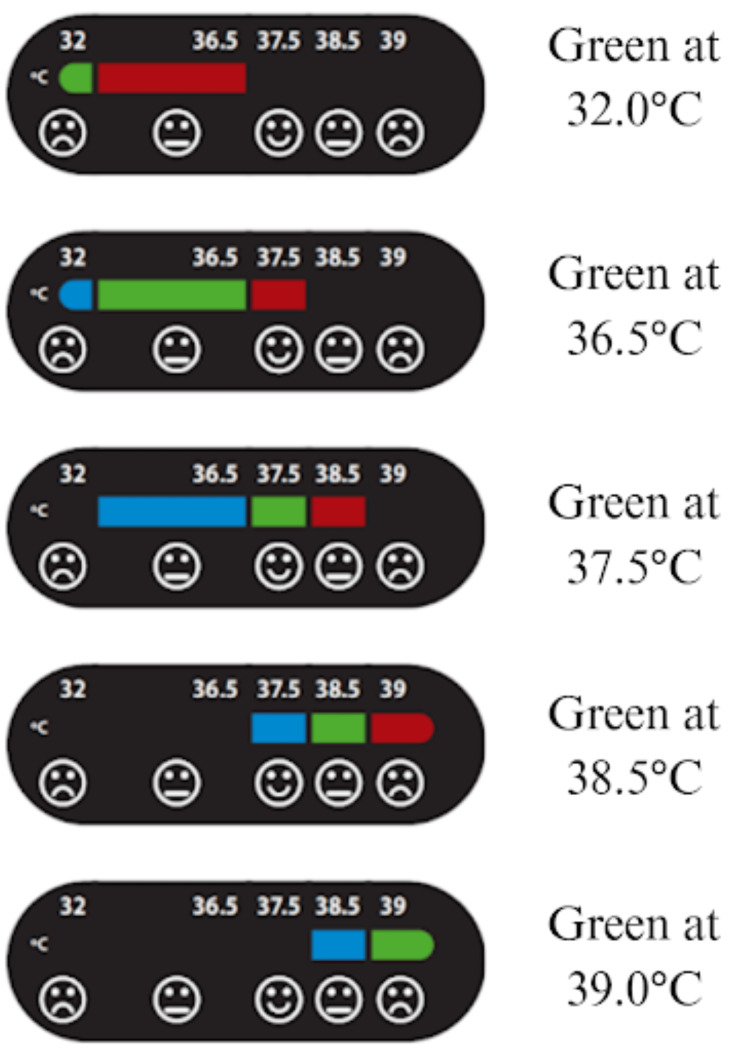 Figure 1
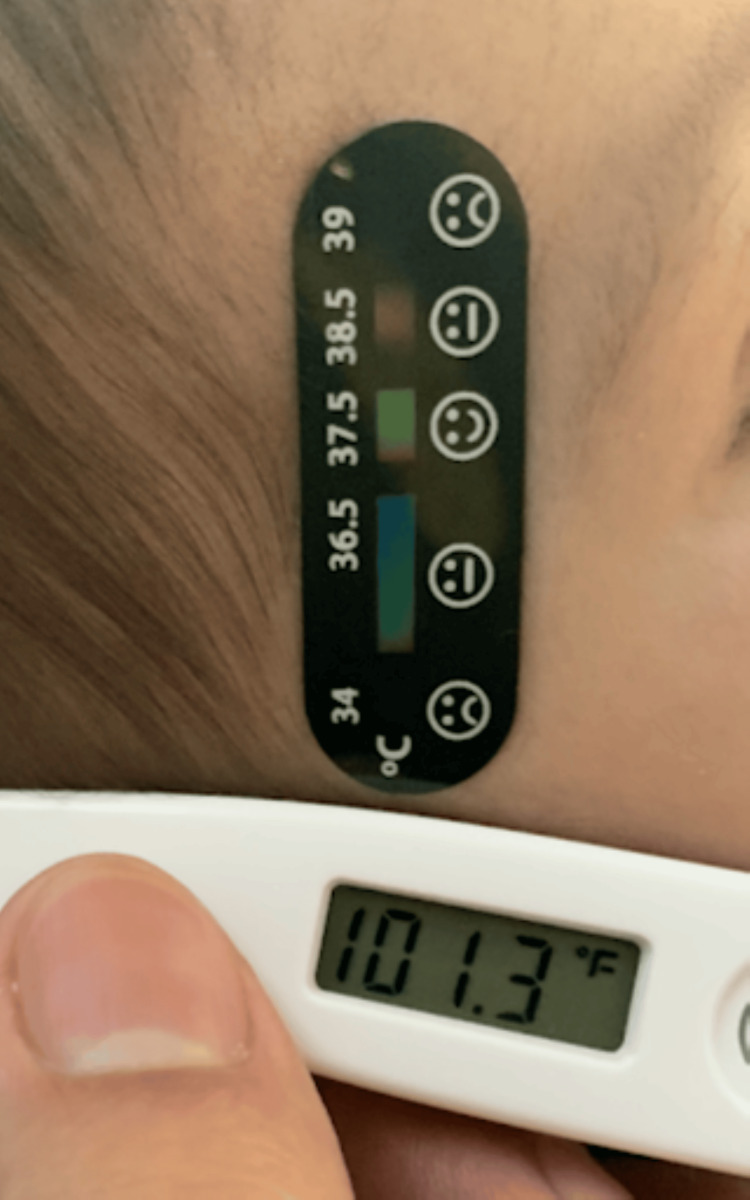 Figure 2
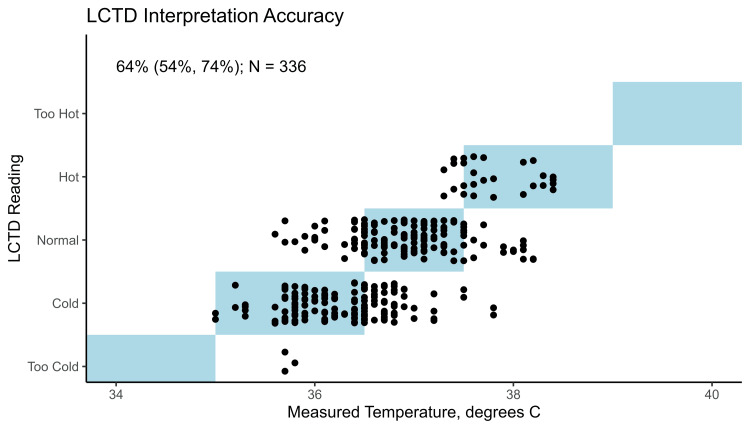 Figure 3
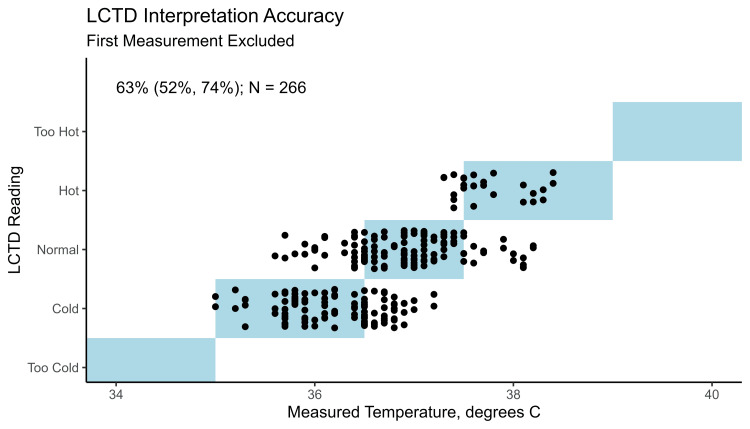 Figure 4
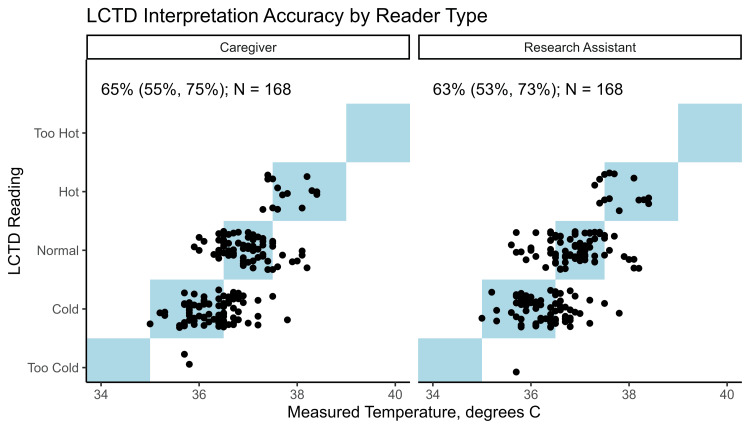 Figure 5
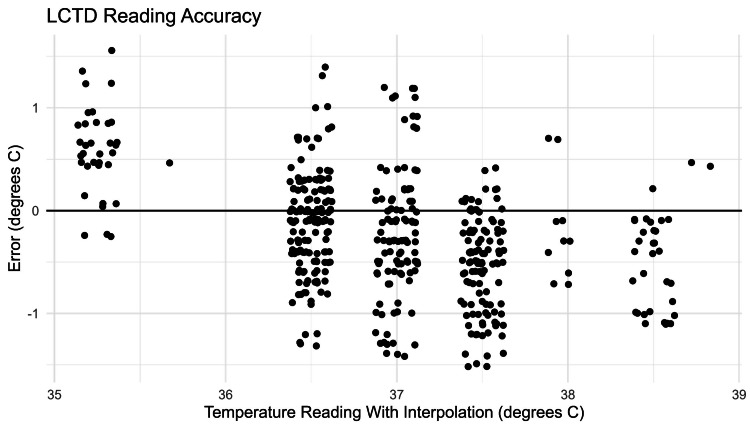 Figure 6
Peer Reviews
No public reviews on file for this paper yet. If you reviewed it on a platform where reviews are public (OpenReview, ICLR, NeurIPS, ICML), you can paste yours below so the community can read it here.
Videos
No videos yet. Explain this paper in a talk, walkthrough, or lecture? Add one.
Taxonomy
TopicsNeonatal Health and Biochemistry · Circadian rhythm and melatonin