Immunogenicity Evaluation of Epitope-Based Vaccine on Target of RNAIII-Activating Protein (TRAP) of Staphylococcus Aureus
Simiao Yu, Di Yao, Xintong Wang, Wei Yu, Yuhua Wei, Wei Liu, Liquan Yu, Jinzhu Ma, Chunyu Tong, Jing Chen, Yongzhong Yu, Baifen Song, Yudong Cui

TL;DR
Researchers developed a new vaccine targeting a key protein in Staphylococcus aureus that shows better immune activation and protection in mice compared to traditional vaccines.
Contribution
A novel epitope-based vaccine using TRAP fragments of Staphylococcus aureus that elicits strong immune responses and outperforms whole-protein vaccines.
Findings
Peptides TRAP20–39 and TRAP94–113 activated T-cell proliferation and Th1/Th17 immune responses in mice.
The PT vaccine induced stronger protection and lower bacterial levels than whole TRAP in infection models.
Epitope-based vaccines like PT offer safer and more effective alternatives to traditional vaccines.
Abstract
Staphylococcus aureus causes severe infections that are increasingly difficult to treat due to antibiotic resistance, and current vaccines often fail to fully engage the immune system. In light of these challenges, we devised a novel vaccine strategy based on the utilization of specific fragments derived from TRAP, a crucial bacterial protein. Using computational models and laboratory experiments, we identified two protein fragments that strongly activated immune cells and protective molecules in mice. We combined these fragments into two vaccines, PT and PTR. The PT vaccine outperformed traditional whole-protein vaccines with improved survival rates and reduced bacterial levels in infected mice. This approach minimizes side effects and enhances both antibody and cellular immune responses, which are critical for combating infections. Our findings suggest that this targeted strategy…
Genes, proteins, chemicals, diseases, species, mutations and cell lines named across the full text — each resolved to its canonical identifier and authoritative record.
Click any figure to enlarge with its caption.
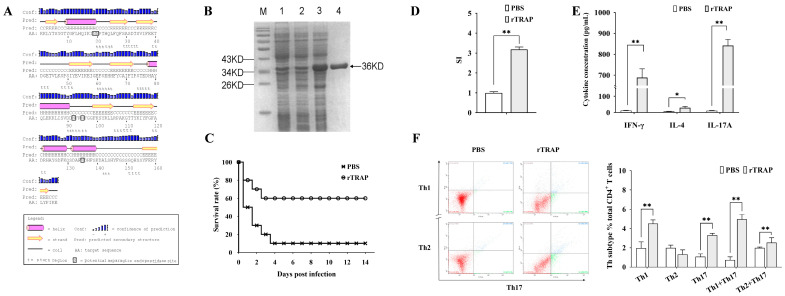 Figure 1
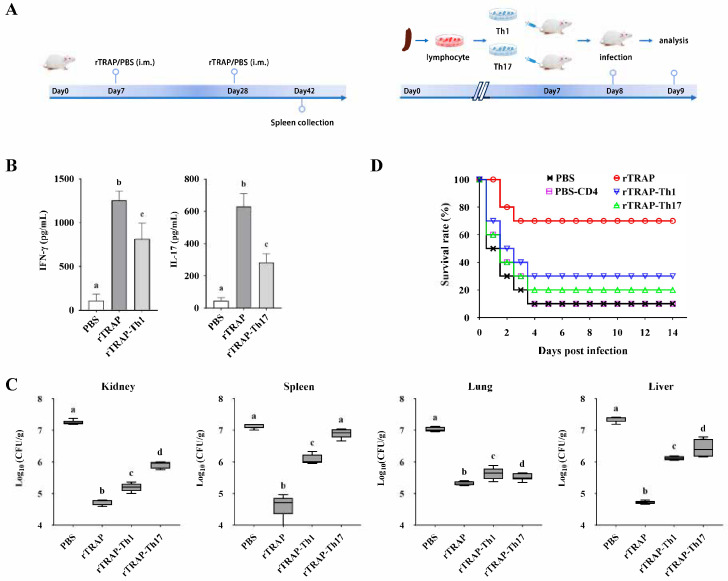 Figure 2
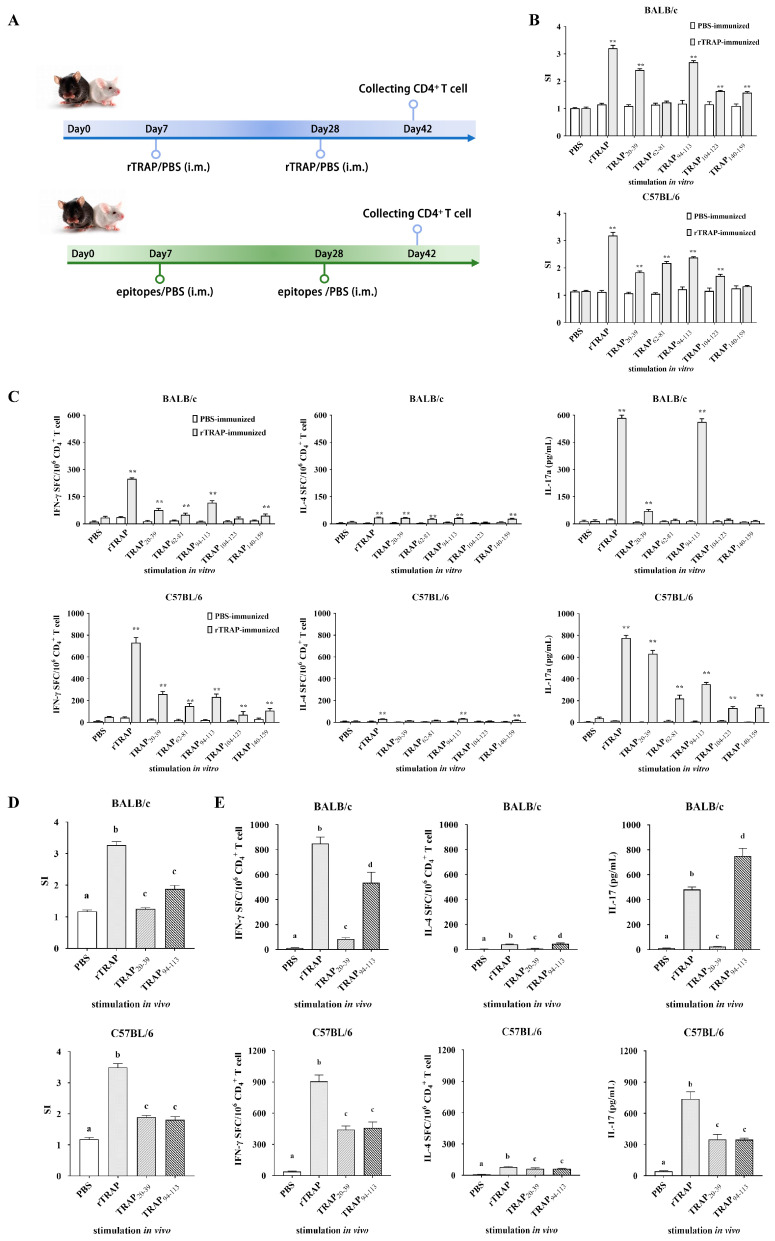 Figure 3
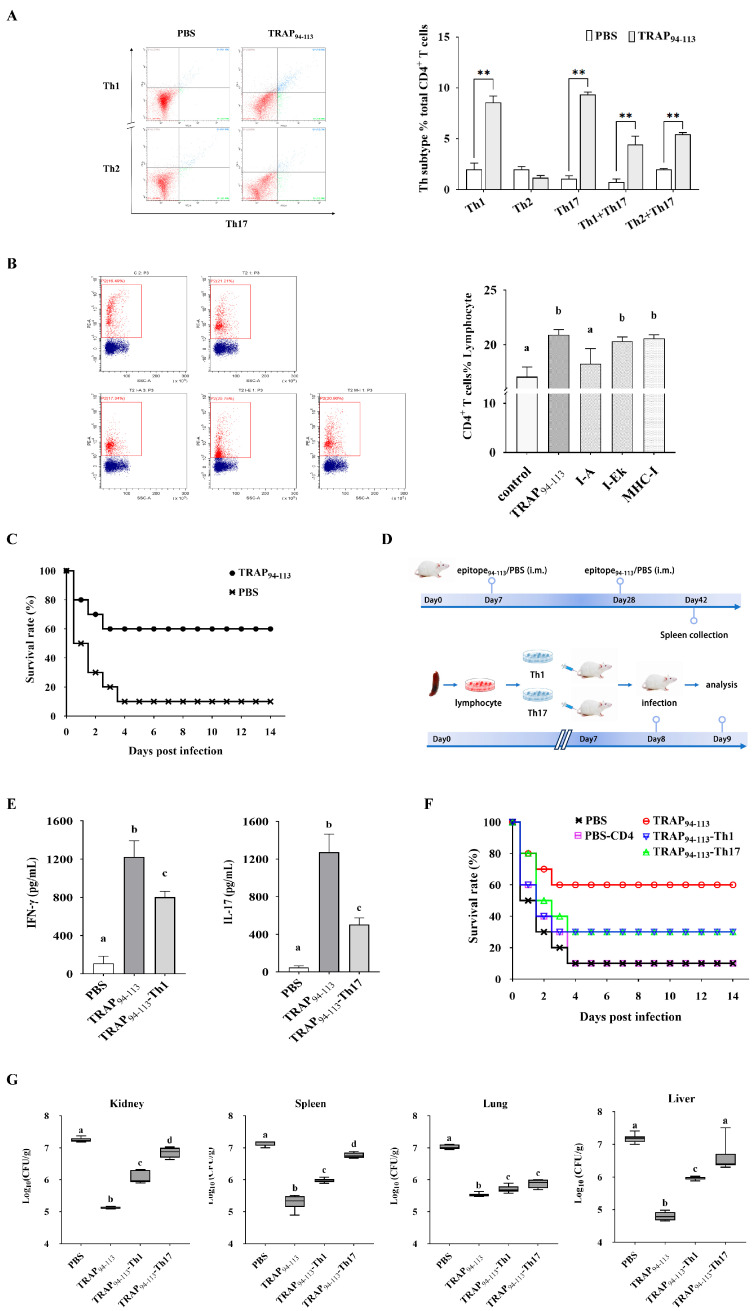 Figure 4
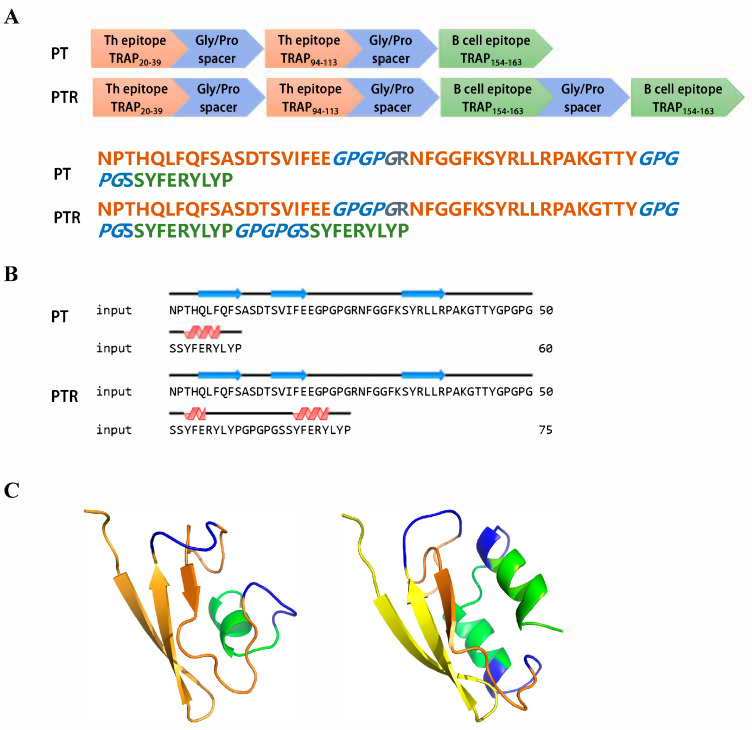 Figure 5
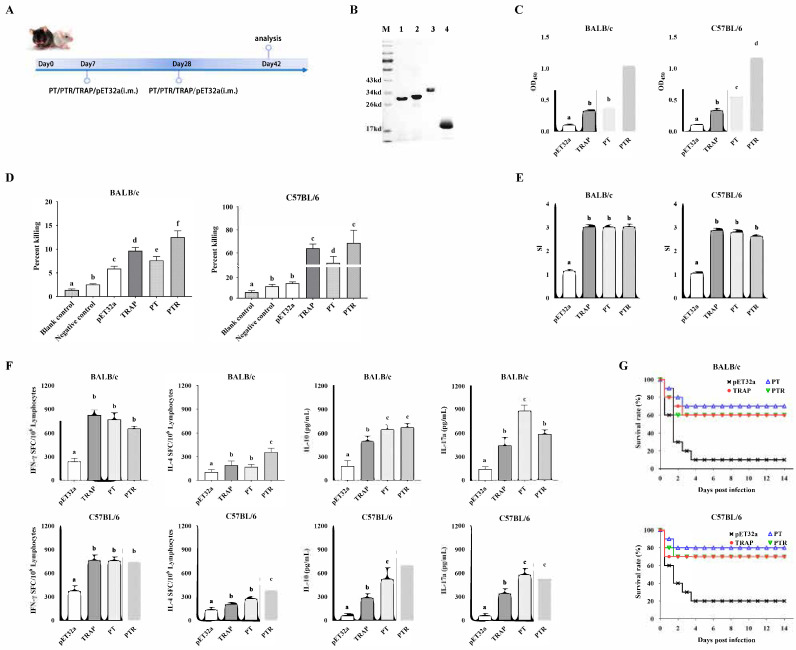 Figure 6
Peer Reviews
No public reviews on file for this paper yet. If you reviewed it on a platform where reviews are public (OpenReview, ICLR, NeurIPS, ICML), you can paste yours below so the community can read it here.
Videos
No videos yet. Explain this paper in a talk, walkthrough, or lecture? Add one.
Taxonomy
TopicsBacteriophages and microbial interactions · Antimicrobial Peptides and Activities · vaccines and immunoinformatics approaches