Adjunct Therapy with Ipragliflozin Exerts Limited Effects on Kidney Protection in Type 1 Diabetes: A Retrospective Study Conducted at 25 Centers in Japan (IPRA-CKD)
Yuta Nakamura, Ichiro Horie, Hiroshi Yano, Hiroshi Nomoto, Tomoyasu Fukui, Yoshihiko Yuyama, Tomoyuki Kawamura, Mariko Ueda, Akane Yamamoto, Yushi Hirota, Yoshiki Kusunoki, Kenro Nishida, Dan Sekiguchi, Yasutaka Maeda, Masae Minami, Ayako Nagayama, Shimpei Iwata, Hitomi Minagawa

TL;DR
This study found limited kidney protection from ipragliflozin in type 1 diabetes patients, though some benefits were seen in those with chronic kidney disease.
Contribution
The study provides real-world evidence on the effects of ipragliflozin in type 1 diabetes, focusing on kidney outcomes.
Findings
Ipragliflozin showed a non-significant milder decline in eGFR in T1D patients.
In CKD patients, ipragliflozin significantly reduced urinary protein levels.
No significant increase in adverse events was observed with ipragliflozin use.
Abstract
Background/Objectives: While sodium–glucose cotransporter 2 (SGLT2) inhibitors have demonstrated additional non-glycemic benefits for renal protection in individuals with type 2 diabetes, less evidence is available for those with type 1 diabetes (T1D). To determine whether the adjunctive use of the SGLT2 inhibitor ipragliflozin confers kidney protection in individuals with T1D, we retrospectively analyzed data from a real-world cohort examined at 25 centers in Japan. Methods: We enrolled 359 subjects aged 20–74 years with T1D (IPRA group: 159 ipragliflozin users; control [CTRL] group: 200 non-users). The primary outcome was changes in the estimated glomerular filtration rate (eGFR) from baseline to 24 months after the initiation of ipragliflozin. The secondary outcomes were all other changes, including the urinary albumin–creatinine ratio (UACR) and urinary protein–creatinine ratio…
Genes, proteins, chemicals, diseases, species, mutations and cell lines named across the full text — each resolved to its canonical identifier and authoritative record.
Click any figure to enlarge with its caption.
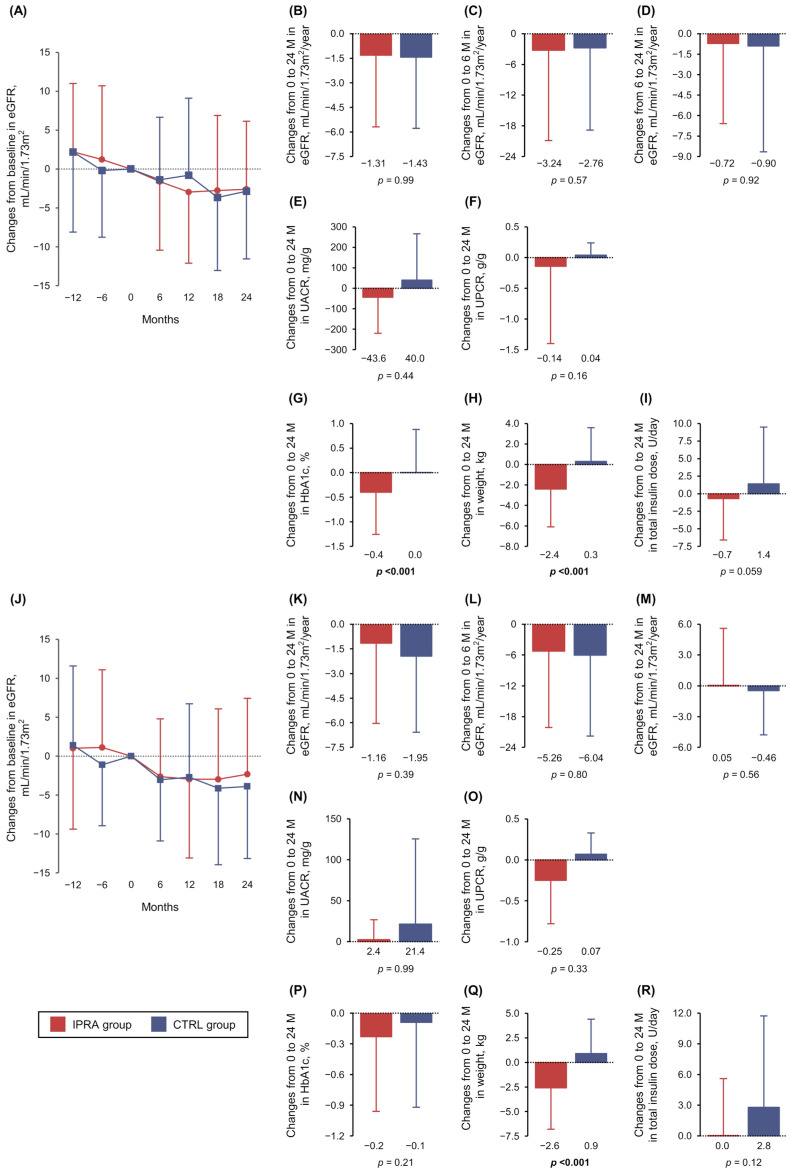 Figure 1
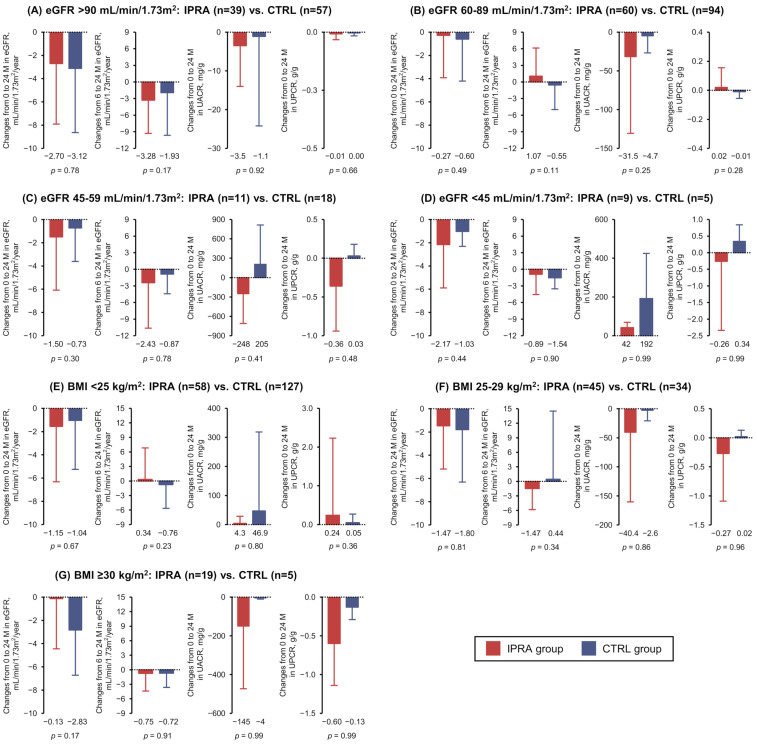 Figure 2
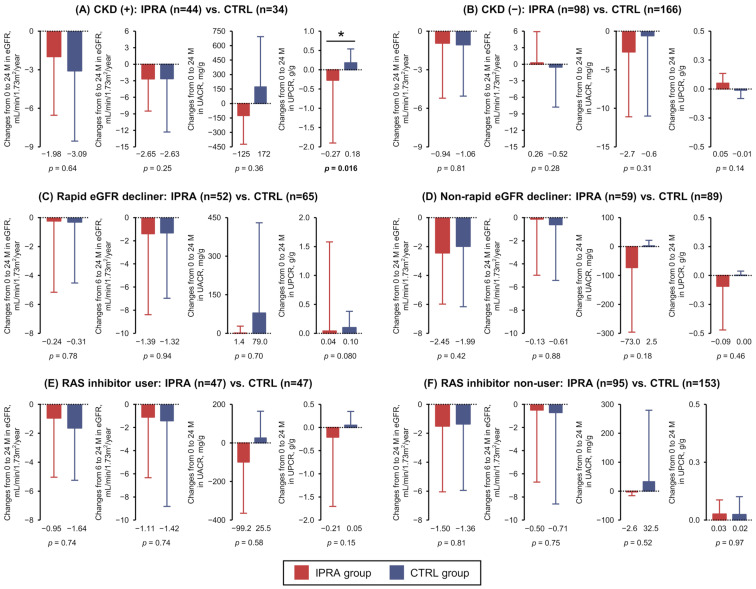 Figure 3
Peer Reviews
No public reviews on file for this paper yet. If you reviewed it on a platform where reviews are public (OpenReview, ICLR, NeurIPS, ICML), you can paste yours below so the community can read it here.
Videos
No videos yet. Explain this paper in a talk, walkthrough, or lecture? Add one.
Taxonomy
TopicsDiabetes Treatment and Management · Diabetes Management and Research · Pharmacology and Obesity Treatment