Long-Term Study of Physical, Haematological, and Biochemical Parameters in Cattle with Different Embryo Origins
María Serrano-Albal, Jon Romero-Aguirregomezcorta, Sebastián Cánovas, Sonia Heras, Joaquín Gadea, Pilar Coy, Raquel Romar

TL;DR
This study found that cattle born through lab methods or traditional breeding grow and stay healthy similarly over time, with age being the main factor affecting health indicators.
Contribution
The study provides the first long-term haematological and biochemical reference values for cattle from different reproductive methods.
Findings
Most health indicators remained within normal ranges for both lab-produced and traditionally conceived cows.
Age was the main factor influencing changes in physical, haematological, and biochemical parameters.
IVP cattle showed slightly lower cholesterol and creatinine levels compared to AI cattle.
Abstract
This study looked at whether cows born through different assisted reproductive methods grow and stay healthy over time. Some cows were born using artificial insemination, while others were produced in the lab and implanted into mother cows. The researchers followed these animals from one and a half to five years of age, measuring their weight, temperature, heart, and breathing rates, and analysing their blood and chemical levels. While some small differences were found depending on how the animals were conceived, such as slightly lower cholesterol or white blood cells, most health indicators stayed within the normal range for all animals. The biggest changes were linked to age, not to the way the cows were born. For example, as the cows got older, their weight increased, their body temperature and breathing slowed down, and some blood and biochemical levels changed naturally. The study…
Genes, proteins, chemicals, diseases, species, mutations and cell lines named across the full text — each resolved to its canonical identifier and authoritative record.
Click any figure to enlarge with its caption.
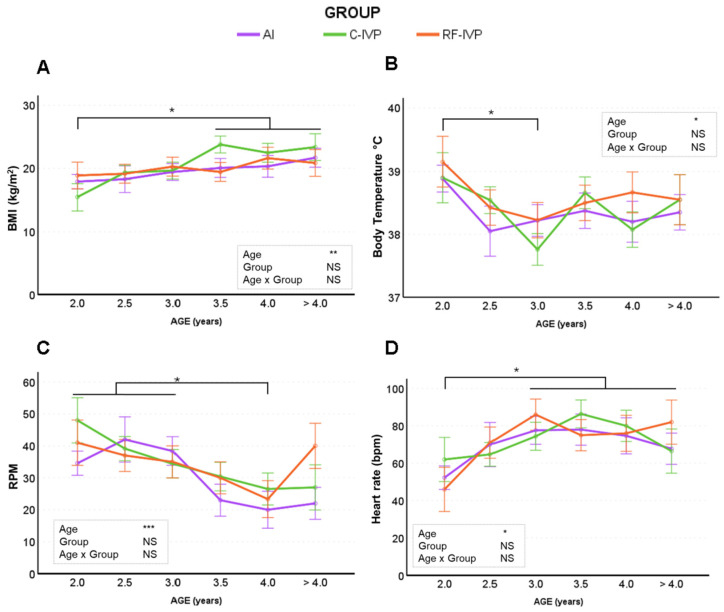 Figure 1
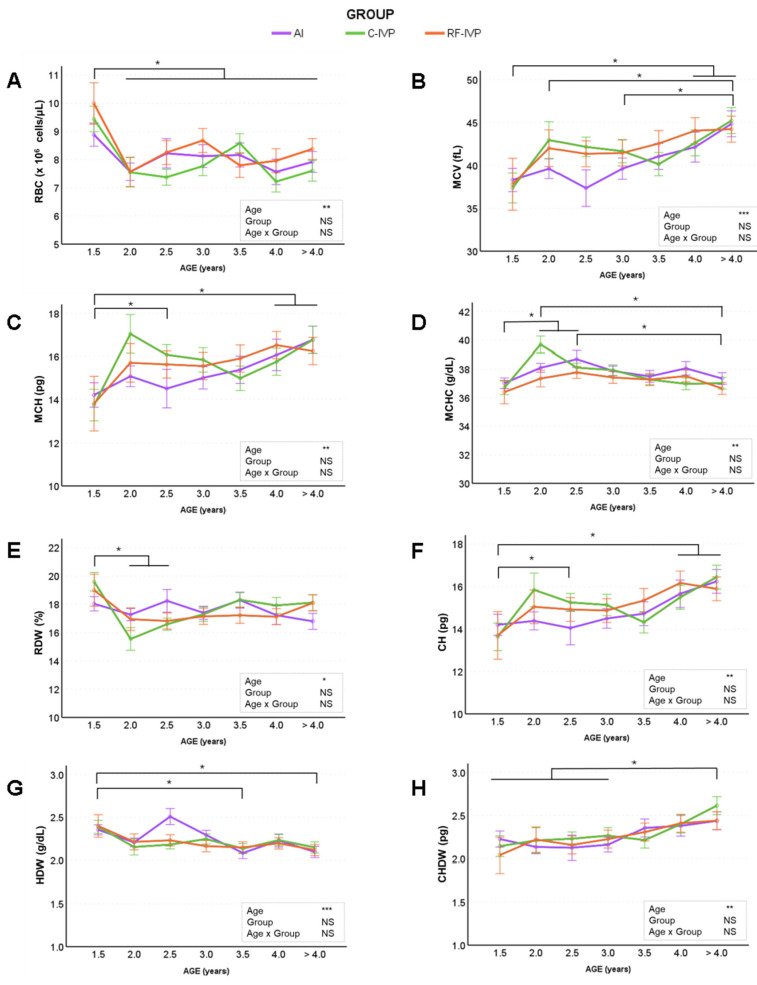 Figure 2
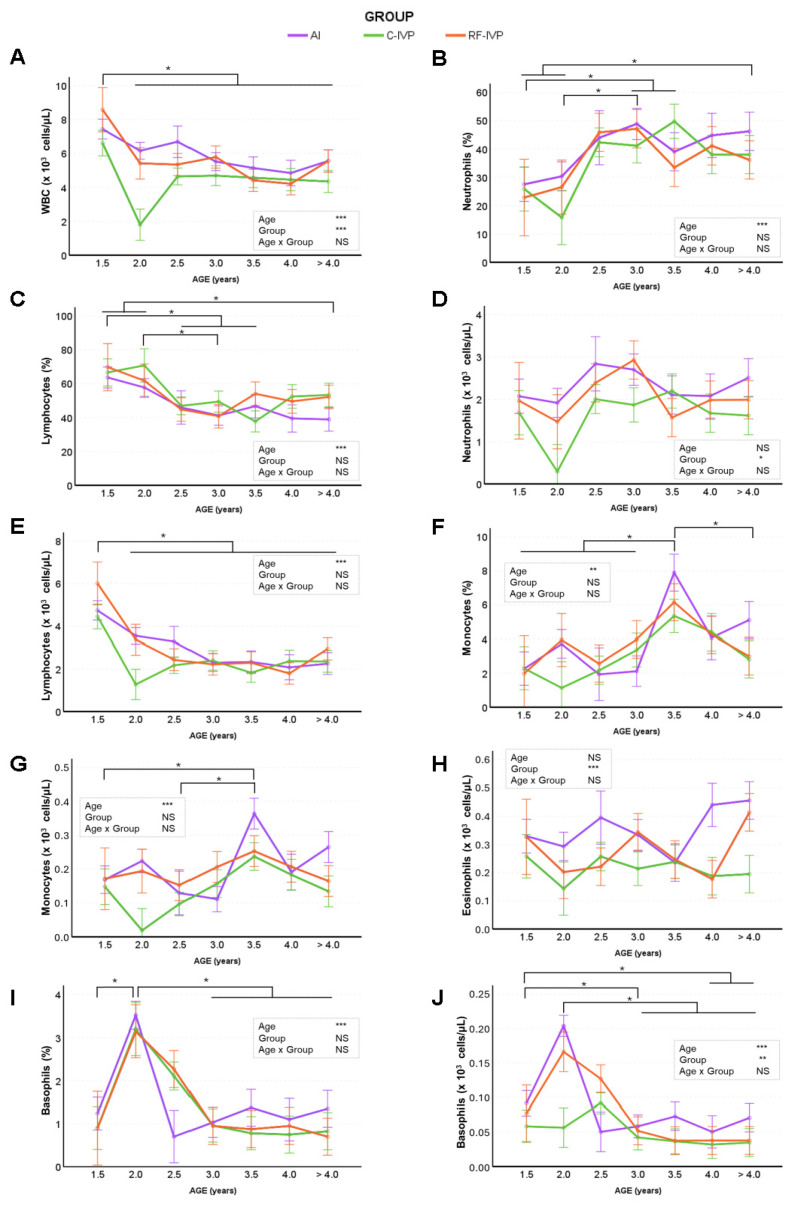 Figure 3
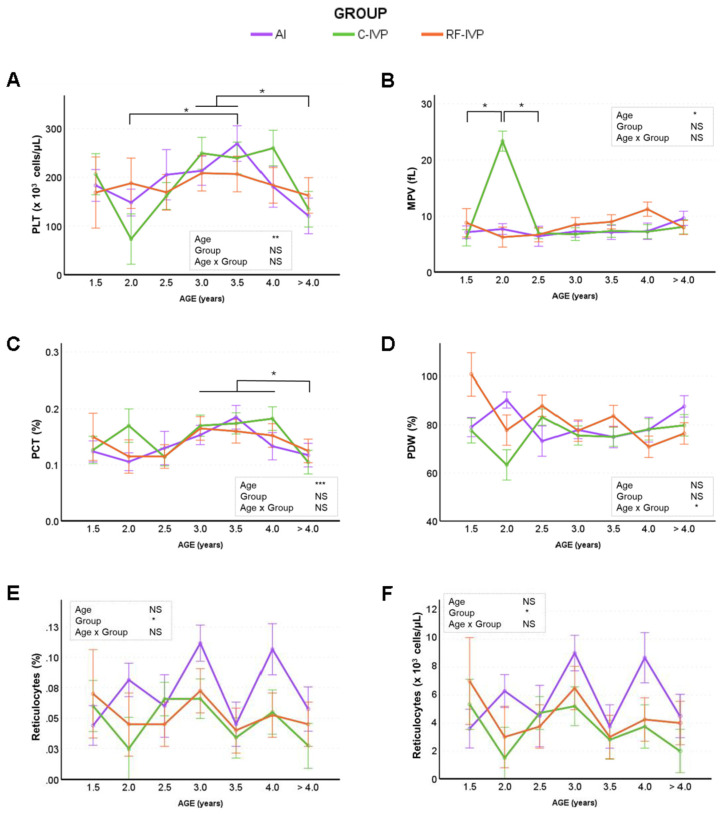 Figure 4
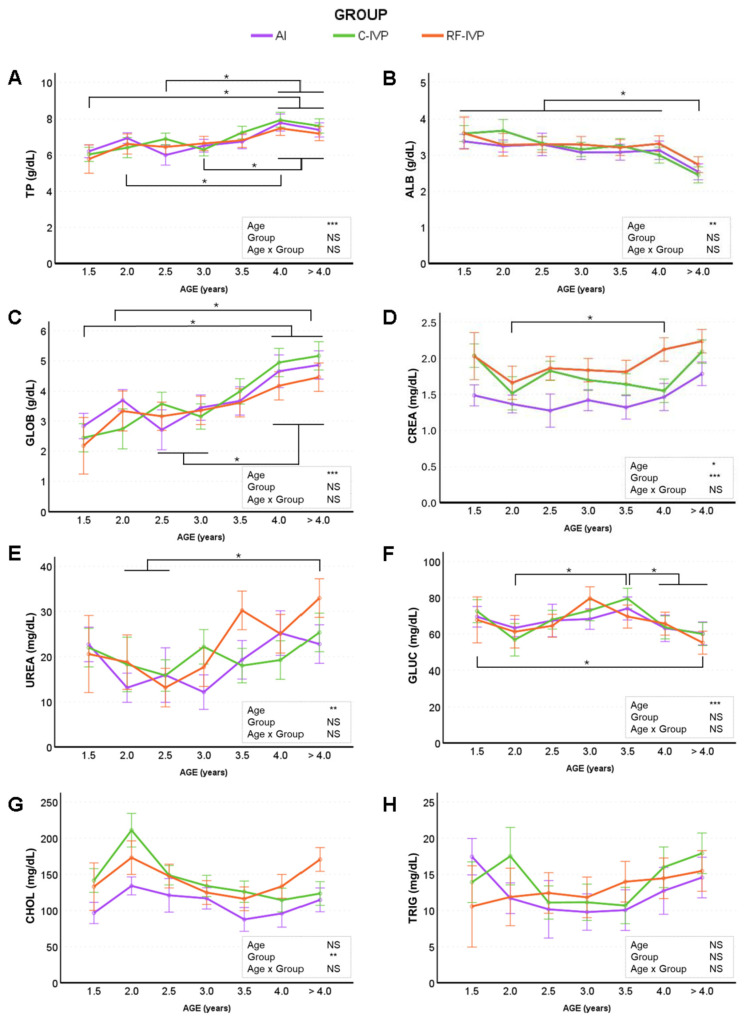 Figure 5
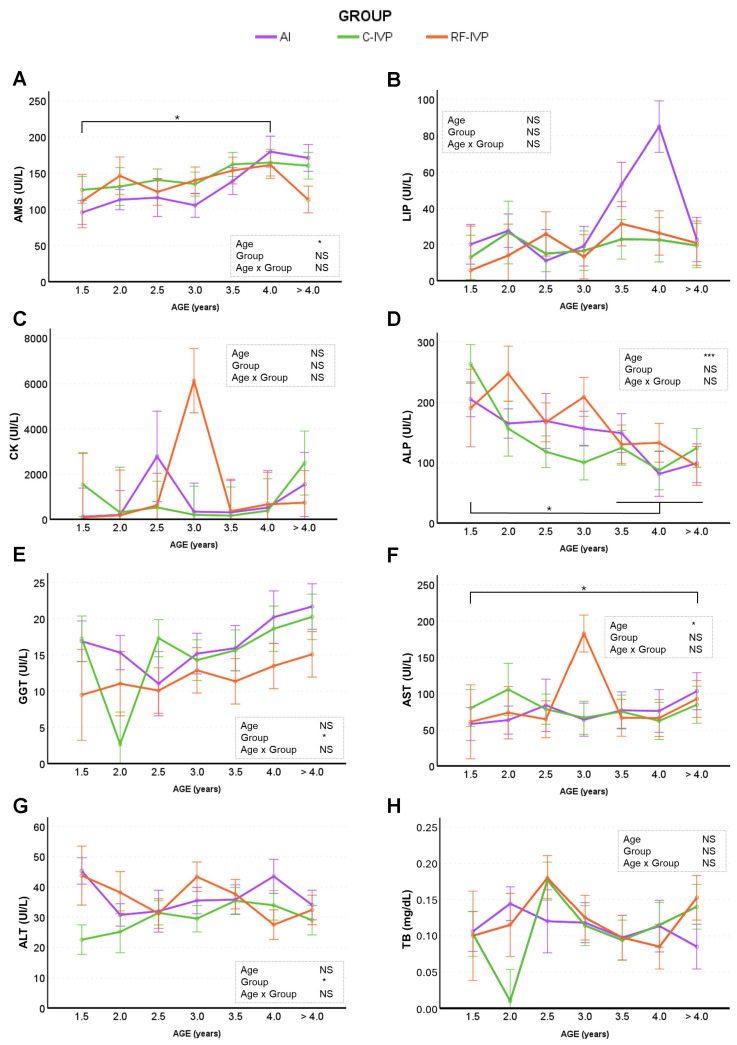 Figure 6
Peer Reviews
No public reviews on file for this paper yet. If you reviewed it on a platform where reviews are public (OpenReview, ICLR, NeurIPS, ICML), you can paste yours below so the community can read it here.
Videos
No videos yet. Explain this paper in a talk, walkthrough, or lecture? Add one.
Taxonomy
TopicsReproductive Physiology in Livestock · Reproductive Biology and Fertility · Genetic and phenotypic traits in livestock