Substitution of Proline Residues by 4-Fluoro-l-Proline Affects the Mechanism of the Proline-Rich Antimicrobial Peptide Api137
Maren Reepmeyer, Andor Krizsan, Alexandra Brakel, Lisa Kolano, Jakob Gasse, Benjamin W. Husselbee, Andrea J. Robinson, Ralf Hoffmann

TL;DR
This study shows how replacing proline in the antimicrobial peptide Api137 with fluoroproline changes its mechanism of action against bacterial ribosomes.
Contribution
The study reveals how fluoroproline substitutions alter ribosome-targeting mechanisms of Api137, offering a new antibiotic development strategy.
Findings
4R-Fpr16 substitution strongly inhibits 50S ribosome assembly and reduces 70S ribosome content.
4S-Fpr11 shows reduced competition for the ribosome binding site and increased antibacterial activity.
Fluoroproline substitutions allow tuning of Api137's antibacterial and ribosome-targeting effects.
Abstract
Background: The well-studied 18-residue-long proline-rich antimicrobial designer peptide Api137 utilizes at least two lethal intracellular mechanisms that target the bacterial 70S ribosome. First, Api137 stalls the ribosome by binding to the peptidyl-transferase center, trapping the release factor, and inhibiting protein expression. Second, Api137 disrupts the assembly of the large 50S subunit of the ribosome, resulting in partially assembled pre-50S dead-end particles that are unable to form the functional 70S ribosome. Methods: All six proline residues in Api137 were substituted with 4S- and 4R-fluoro-l-proline (Fpr), which promote the cis- and trans-conformer ratio of the preceding Xaa-Pro-bond, respectively. The effect on the antibacterial activity was studied using Escherichia coli. The underlying mechanisms were investigated by studying 70S ribosome binding, inhibition of in vitro…
Genes, proteins, chemicals, diseases, species, mutations and cell lines named across the full text — each resolved to its canonical identifier and authoritative record.
Click any figure to enlarge with its caption.
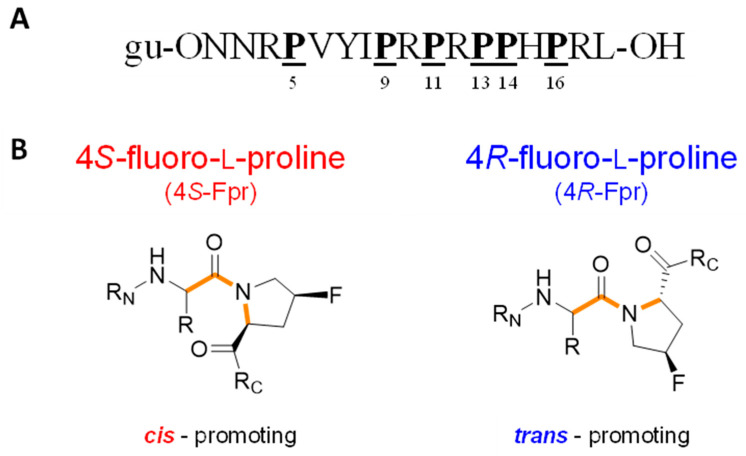 Figure 1
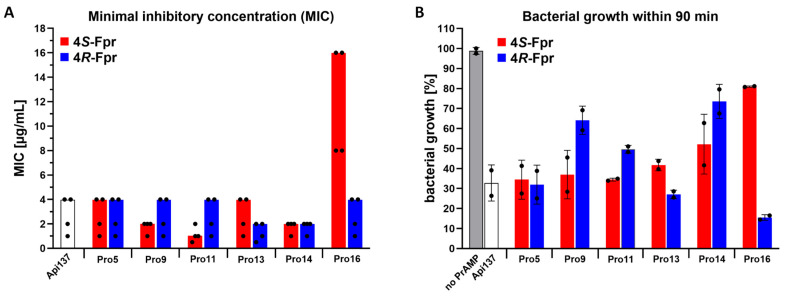 Figure 2
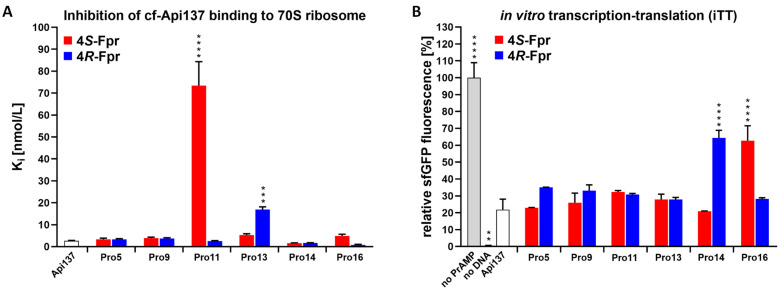 Figure 3
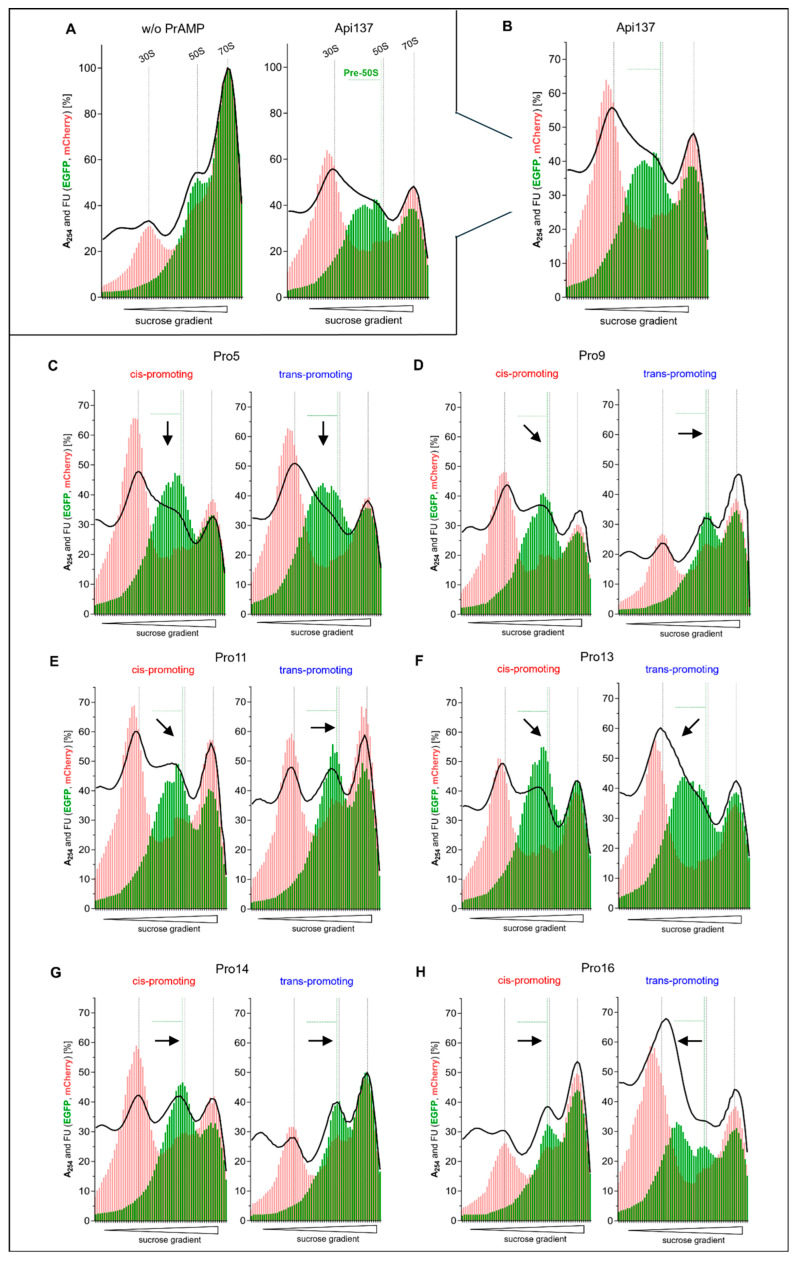 Figure 4
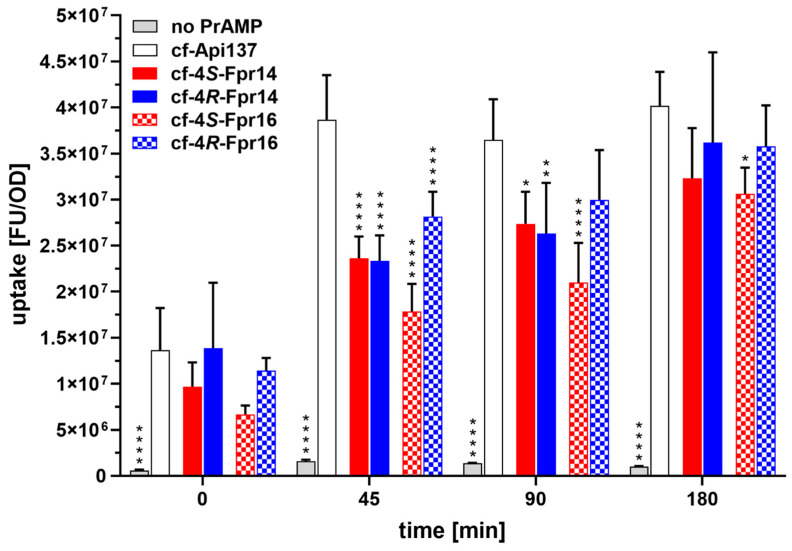 Figure 5
Peer Reviews
No public reviews on file for this paper yet. If you reviewed it on a platform where reviews are public (OpenReview, ICLR, NeurIPS, ICML), you can paste yours below so the community can read it here.
Videos
No videos yet. Explain this paper in a talk, walkthrough, or lecture? Add one.
Taxonomy
TopicsRNA and protein synthesis mechanisms · Antimicrobial Peptides and Activities · Peptidase Inhibition and Analysis