ELONGATED HYPOCOTYL5 Regulates Resistance to Root-Knot Nematode by Modulating Antioxidant System and Jasmonic Acid in Cucumis sativus
Fusheng Ma, Juanqi Li, Mengwei Huang, Mengyan E, Dandan Cui, Guoxiu Wu, Shengli Li, Yang Li

TL;DR
This study shows that the HY5 gene in cucumbers helps protect against root-knot nematodes by boosting antioxidant and hormone defenses.
Contribution
The study reveals a novel role of CsHY5 in cucumber resistance to root-knot nematodes through antioxidant and jasmonic acid pathways.
Findings
The hy5 mutant had more nematodes and galls, showing increased susceptibility to RKNs.
CsHY5 influences jasmonic acid and antioxidant enzyme activity in response to RKN infection.
Key genes like CsAOC, CsAOS, and CsPOD were induced in wild-type but not in the hy5 mutant.
Abstract
Root-knot nematodes (RKNs), specifically Meloidogyne incognita, are notoriously difficult to eliminate as endophytic nematodes, and cause severe damage to various plants. Cucumber (Cucumis sativus), which is a cash crop widely grown across the world, is often infected by RKNs. ELONGATED HYPOCOTYL5 (HY5), a member of the bZIP transcription factor family, plays a vital role in hormone, nutrient, abiotic stress, biotic stress, and oxygen species (ROS) signaling pathways. However, the involvement of HY5 in the defense against RKNs has rarely been reported. The present study initially explored the response of CsHY5 to RKNs. The results indicated that the hy5 mutant had a higher number of nematodes and galls in the root system and exhibited a higher susceptibility to RKNs compared with the wild type (WT). Particularly, the root-knot nematodes in hy5 plants completed their life cycle more…
Genes, proteins, chemicals, diseases, species, mutations and cell lines named across the full text — each resolved to its canonical identifier and authoritative record.
Click any figure to enlarge with its caption.
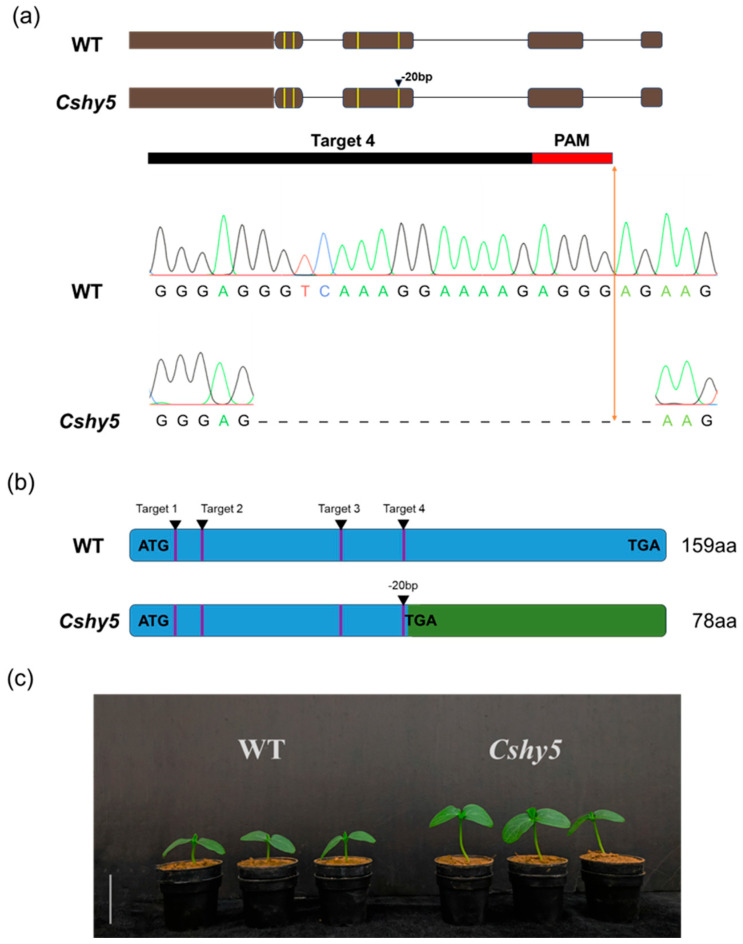 Figure 1
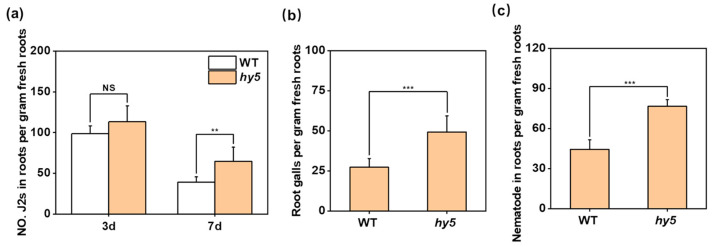 Figure 2
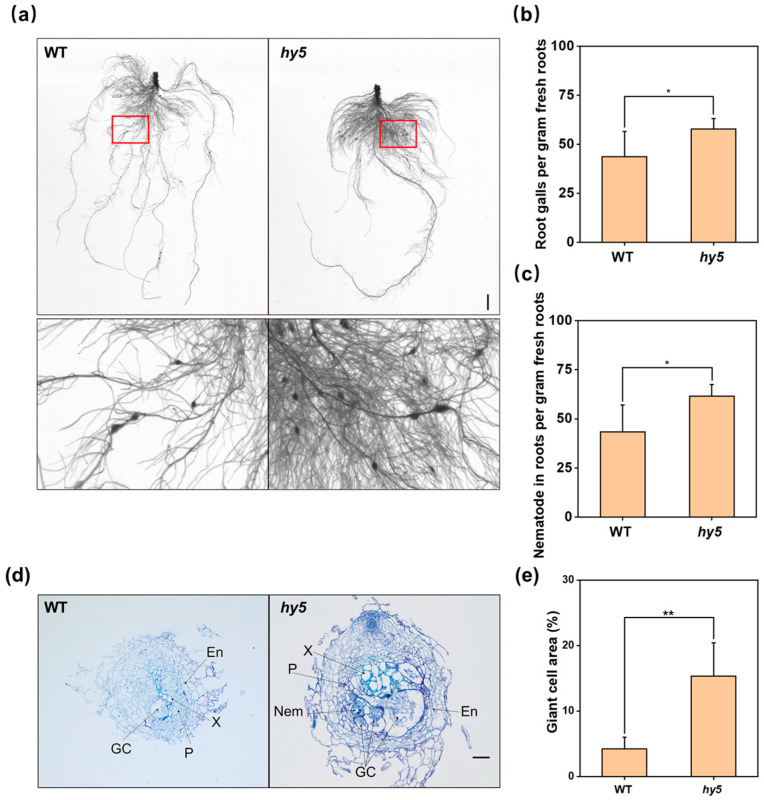 Figure 3
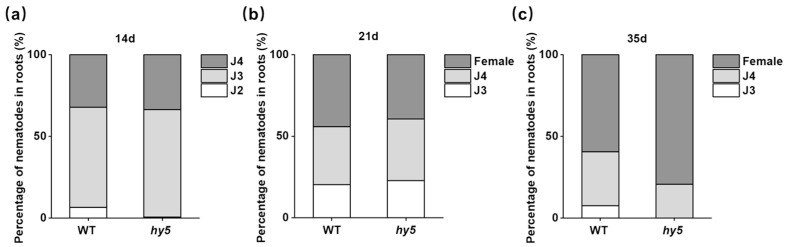 Figure 4
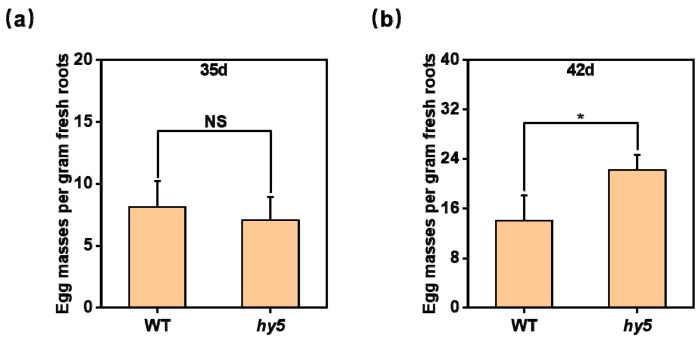 Figure 5
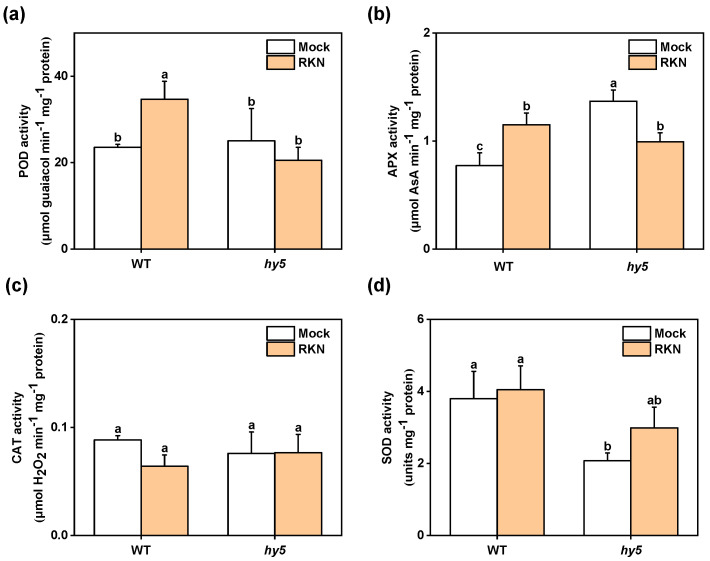 Figure 6
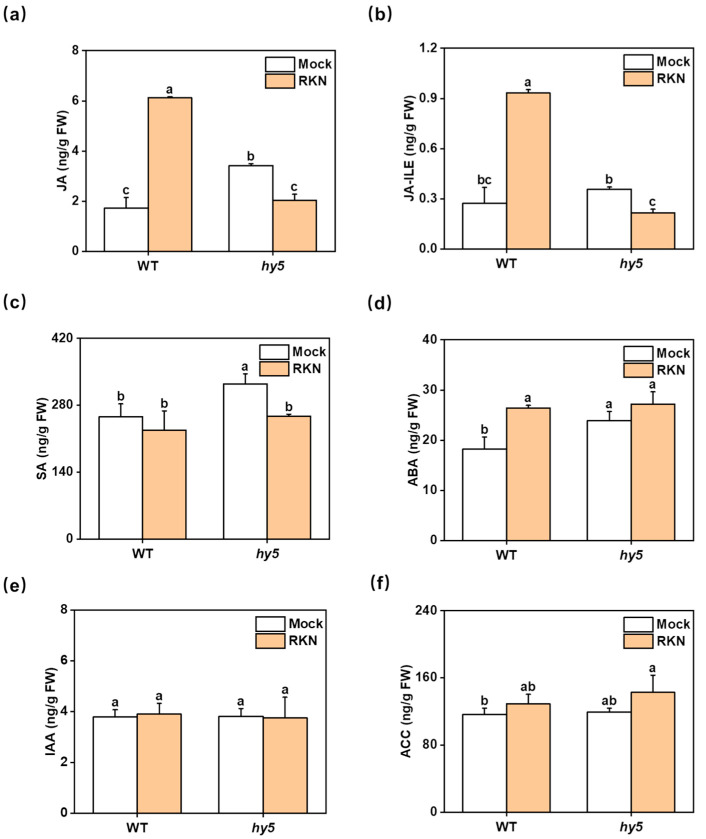 Figure 7
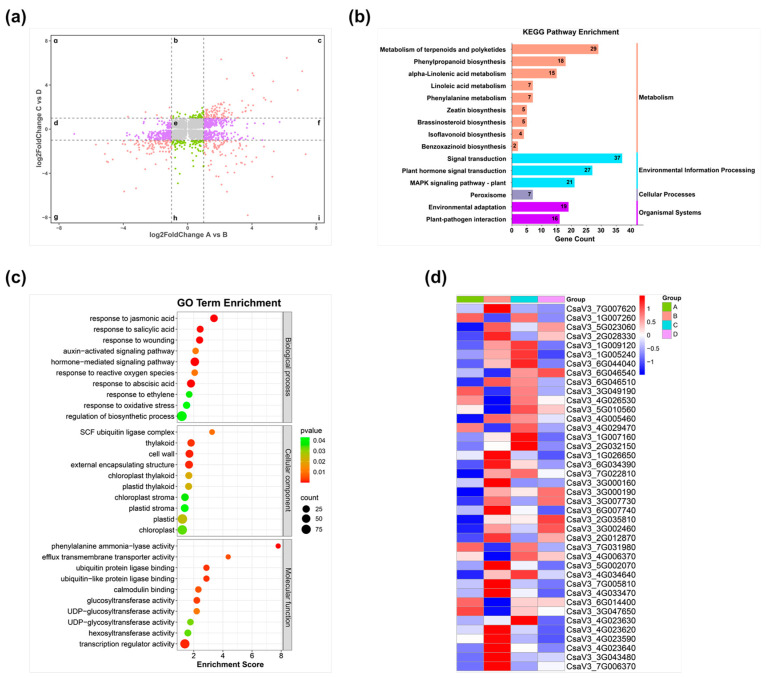 Figure 8
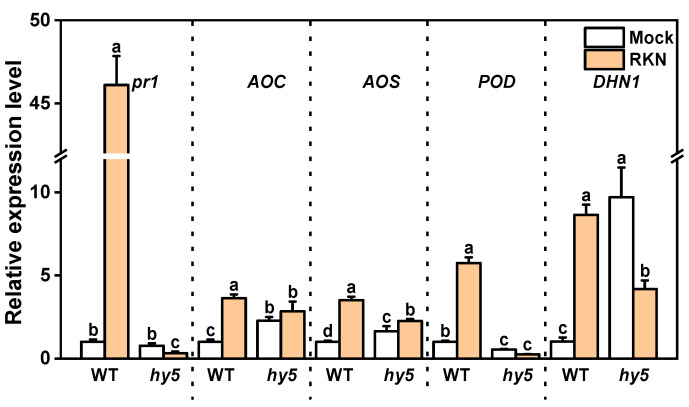 Figure 9
Peer Reviews
No public reviews on file for this paper yet. If you reviewed it on a platform where reviews are public (OpenReview, ICLR, NeurIPS, ICML), you can paste yours below so the community can read it here.
Videos
No videos yet. Explain this paper in a talk, walkthrough, or lecture? Add one.
Taxonomy
TopicsNematode management and characterization studies · Legume Nitrogen Fixing Symbiosis · Agronomic Practices and Intercropping Systems