Assessment of the structure–activity relationship of analogs of the Naegleria fowleri enolase inhibitor HEX
Samuel Kwain, James W. D. Morris, Jillian E. M. McKeon, Colm P. Roster, Monireh Noori, Aysiah R. Gibbs, Robert L. Stevenson III, Colin D. McMillen, Brian N. Dominy, James C. Morris, Daniel C. Whitehead

TL;DR
This study examines how changes to the structure of a compound that inhibits a key enzyme in a deadly amoeba affect its effectiveness.
Contribution
The study reveals the sensitivity of the HEX scaffold's activity to structural changes and identifies essential functional groups for potency.
Findings
HEX's activity against N. fowleri enolase is highly sensitive to structural modifications.
Both hydroxamate and phosphonate groups are necessary to maintain potency.
Bicyclic analogs of HEX lose biological activity due to steric hindrance.
Abstract
The pathogenic free-living amoeba Naegleria fowleri causes primary amoebic meningoencephalitis (PAM), a highly fatal disease with limited treatment options, underscoring the urgent need for new therapeutics. Our previous studies identified (1-hydroxy-2-oxopiperidin-3-yl)phosphonic acid (HEX), an inhibitor of human enolase 2 (ENO2) involved in glucose metabolism, as a potent inhibitor of N. fowleri enolase (NfENO) with potent amoebicidal activity. In this study, we explored the structure–activity relationship (SAR) of HEX by modifying its hydroxamate and phosphonate functional groups, as well as introducing steric alterations to generate new analogs. Functional assays and computational-assisted SAR analysis provided insights into the impact of HEX modifications on N. fowleri agonism. Ultimately, the results of this study demonstrated that the activity of the HEX scaffold toward NfENO is…
Genes, proteins, chemicals, diseases, species, mutations and cell lines named across the full text — each resolved to its canonical identifier and authoritative record.
Click any figure to enlarge with its caption.
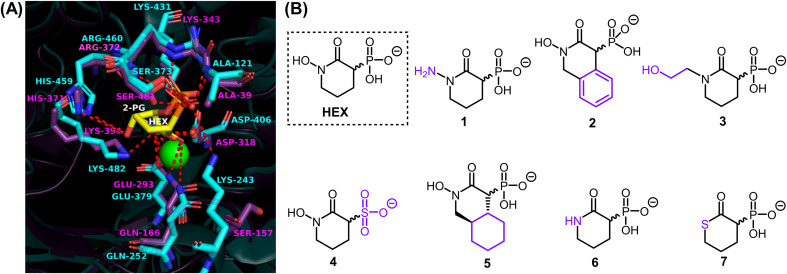 Figure 1
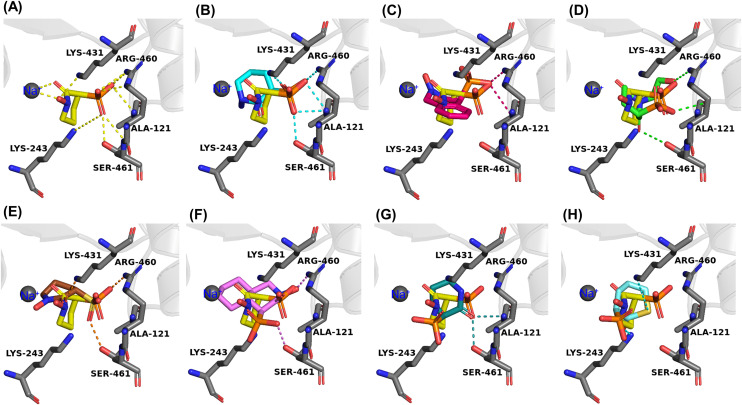 Figure 2
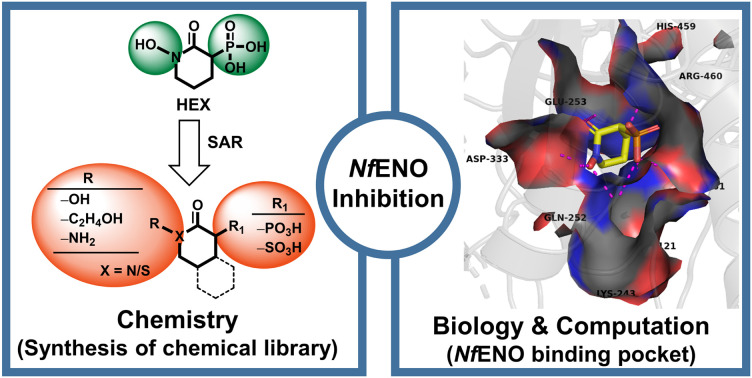 Figure 3
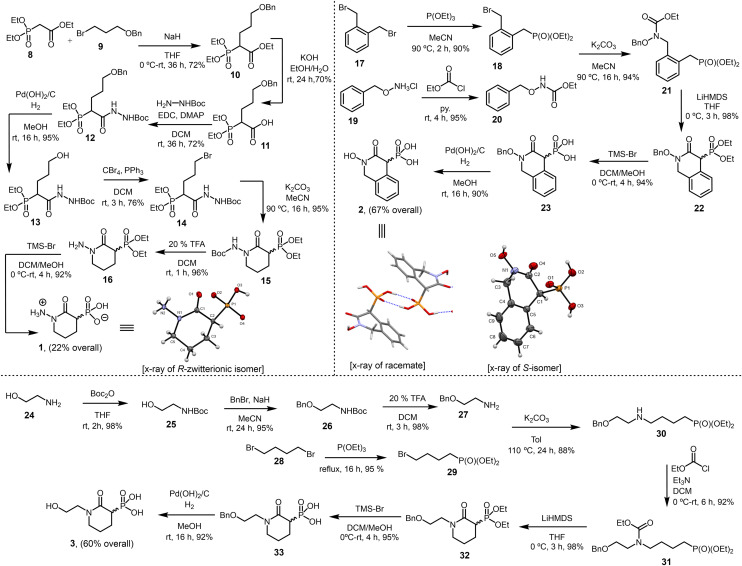 Figure 4
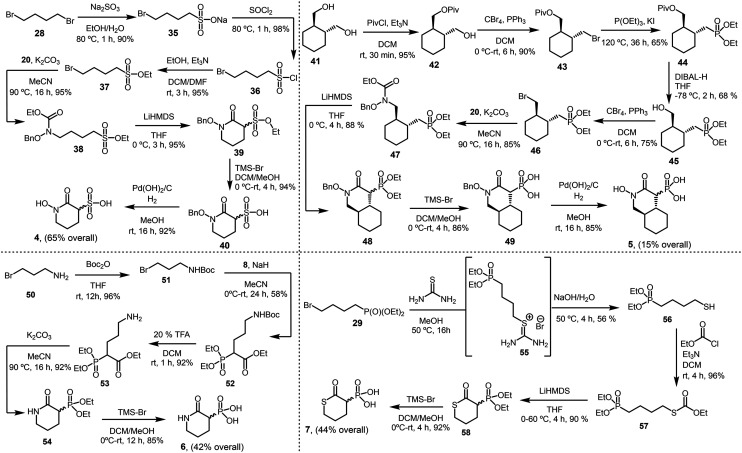 Figure 5
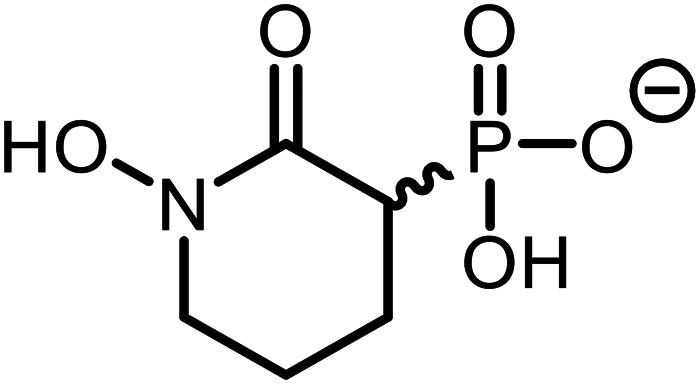 Figure 6
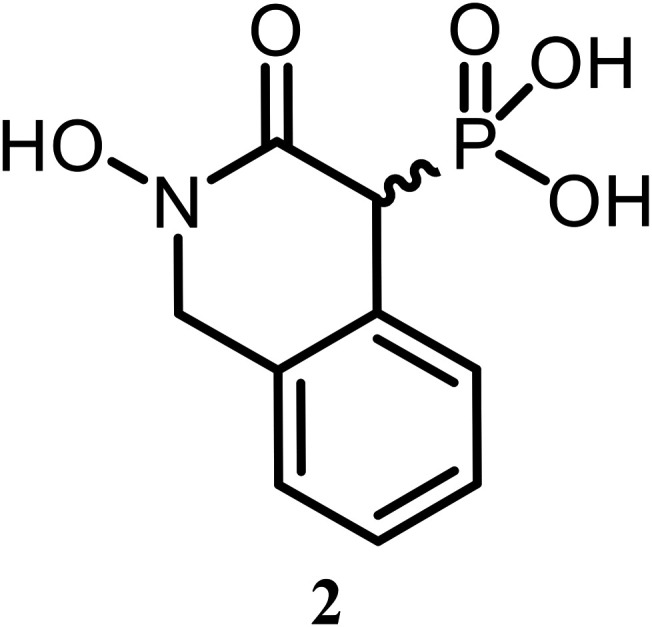 Figure 7
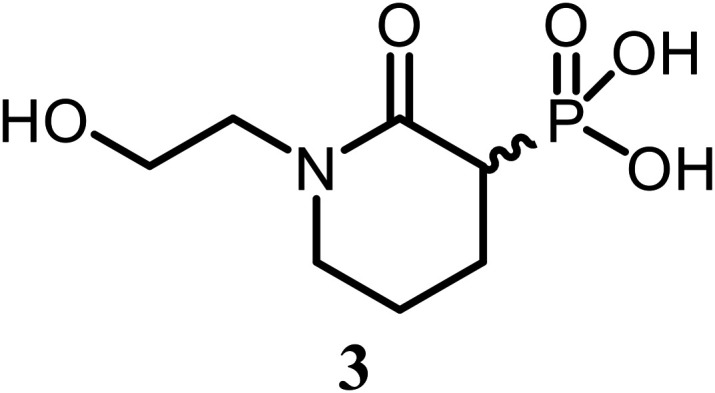 Figure 8
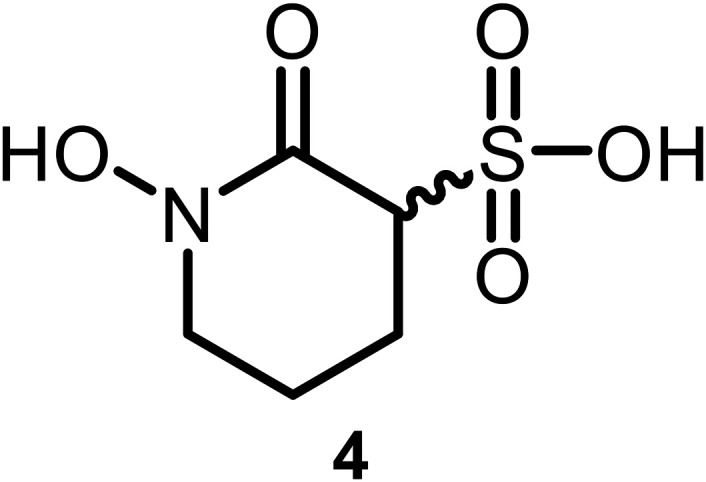 Figure 9
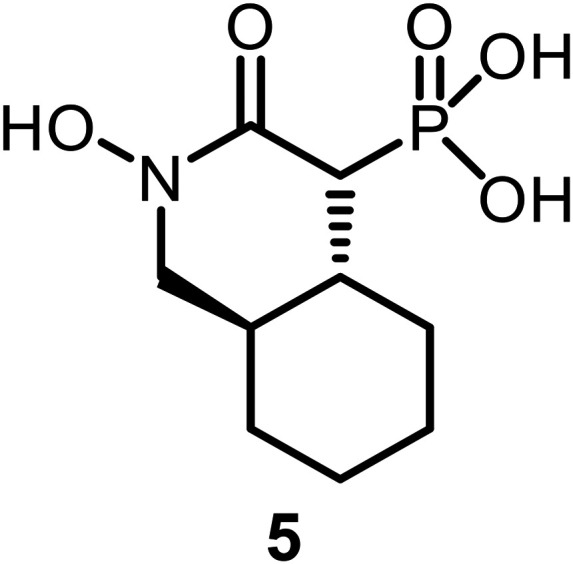 Figure 10
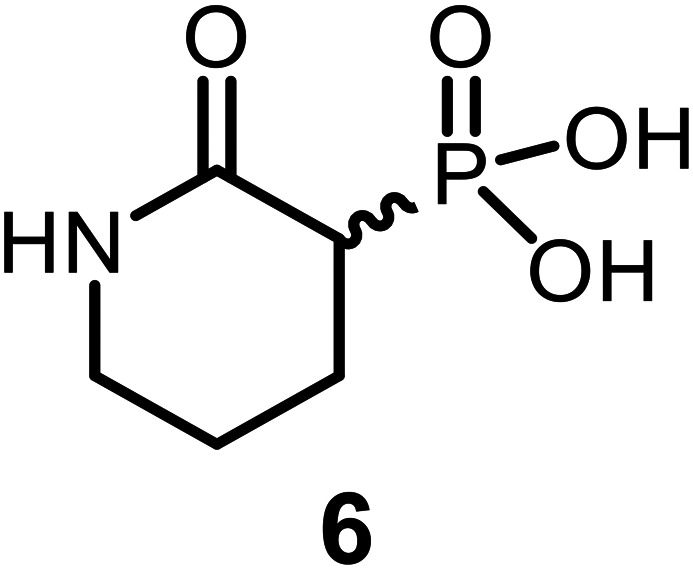 Figure 11
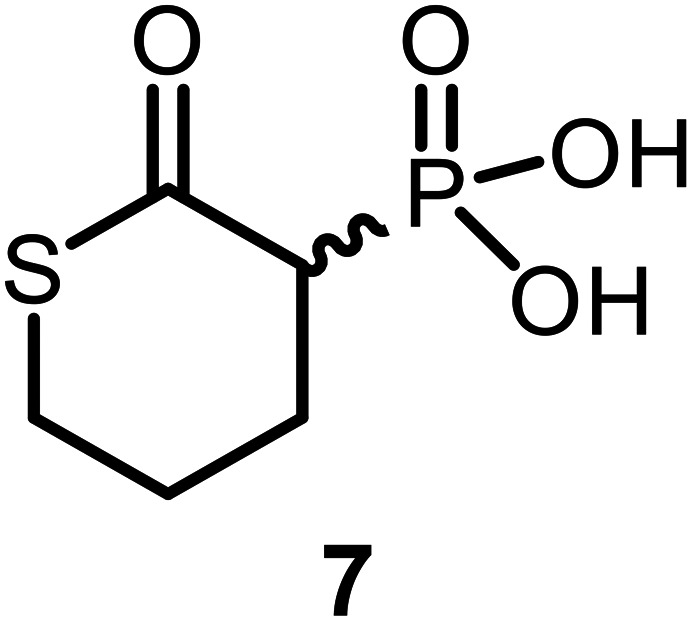 Figure 12
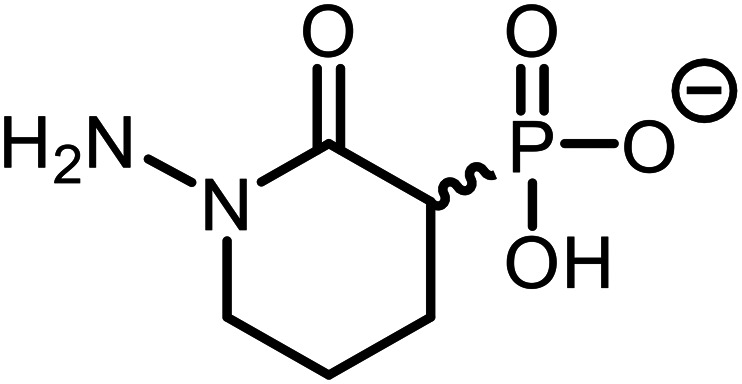 Figure 13
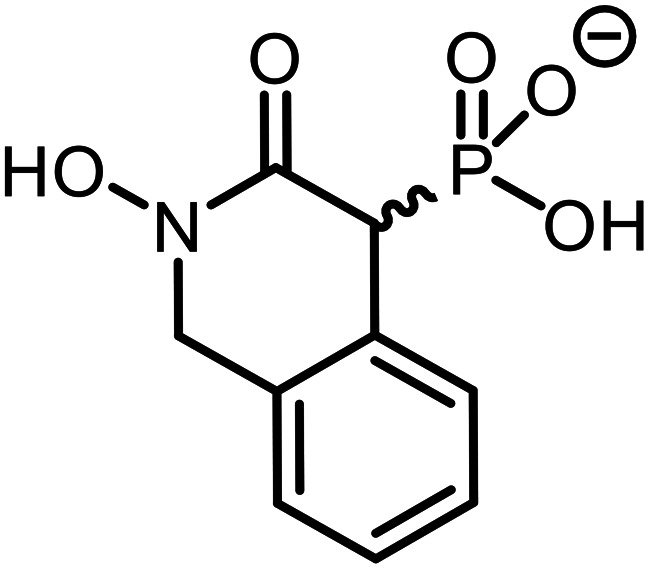 Figure 14
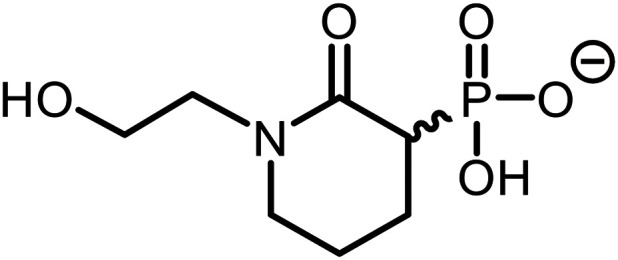 Figure 15
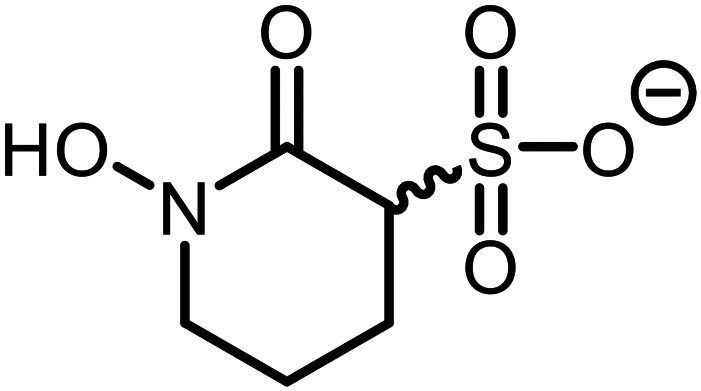 Figure 16
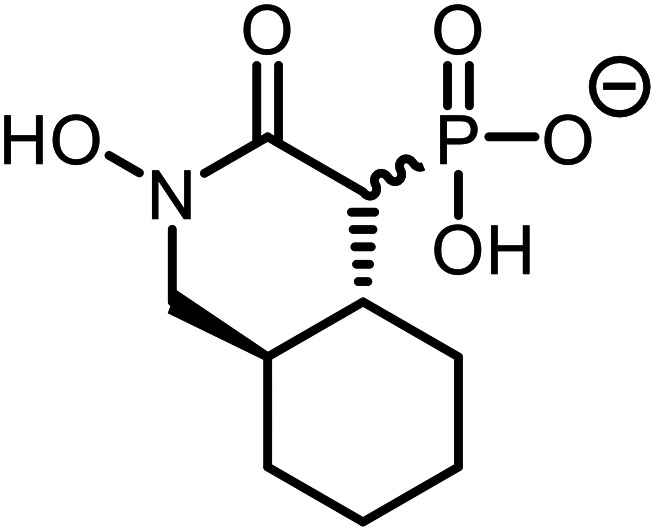 Figure 17
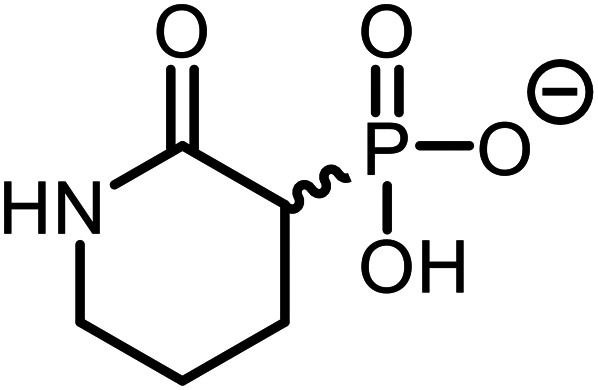 Figure 18
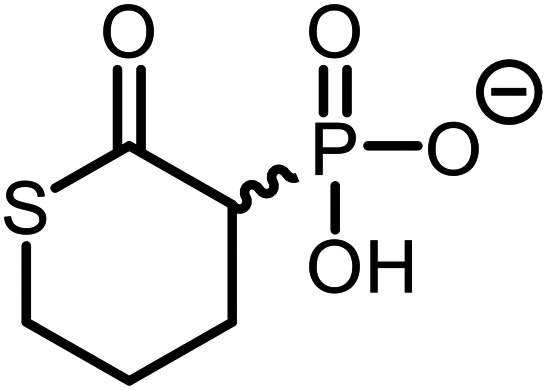 Figure 19
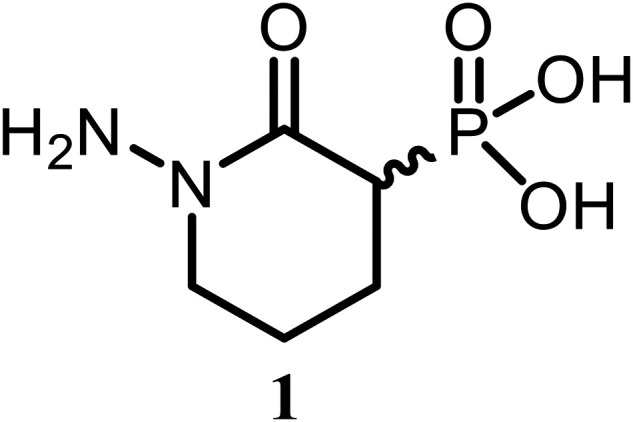 Figure 20
Peer Reviews
No public reviews on file for this paper yet. If you reviewed it on a platform where reviews are public (OpenReview, ICLR, NeurIPS, ICML), you can paste yours below so the community can read it here.
Videos
No videos yet. Explain this paper in a talk, walkthrough, or lecture? Add one.
Taxonomy
TopicsLegionella and Acanthamoeba research · Photodynamic Therapy Research Studies · Heme Oxygenase-1 and Carbon Monoxide