Consumptive hypothyroidism complicating infantile hepatic hemangioma successfully treated with propranolol: a case report and literature review
Irene Bettini, Giulia Poletti, Alessandro Rocca, Valeria Di Natale, Monia Gennari, Marcello Lanari, Andrea Pession, Alessandra Cassio

TL;DR
A rare case of consumptive hypothyroidism in an infant with liver hemangioma was successfully treated with propranolol, avoiding hormone therapy.
Contribution
This case report highlights propranolol as an effective treatment for consumptive hypothyroidism in infantile hepatic hemangioma.
Findings
Propranolol treatment led to rapid tumor reduction and restored thyroid function in a 2-month-old infant.
59.37% of CH cases secondary to IHH were treated with propranolol, often reducing the need for high-dose thyroid hormone.
Early detection and treatment of IHH and CH can avoid the need for hormone replacement therapy in some patients.
Abstract
Consumptive hypothyroidism (CH) is a rare paraneoplastic syndrome, caused by the overexpression in vascular tumors of type 3 deiodinase (D3), converting thyroid hormones into inactive metabolites. We report the case of a 2-months-old male infant with diffuse infantile hepatic hemangioma (IHH). Thyroid function screening detected a CH. The patient was promptly treated with propranolol: after 2 weeks, a marked reduction in tumour size was observed and thyroid function was restored. No hormone replacement therapy was required. We then performed a literature review on PubMed/Medline: based on the title and abstract, we extracted 64 cases of CH secondary to IHH published between 2000 and 2023. 59.37% patients received propranolol, either alone (52.63%) or in combination with other treatments. 18.75% patients required surgical treatment or liver transplant. LT4 was administered in 92.85% of…
Genes, proteins, chemicals, diseases, species, mutations and cell lines named across the full text — each resolved to its canonical identifier and authoritative record.
Click any figure to enlarge with its caption.
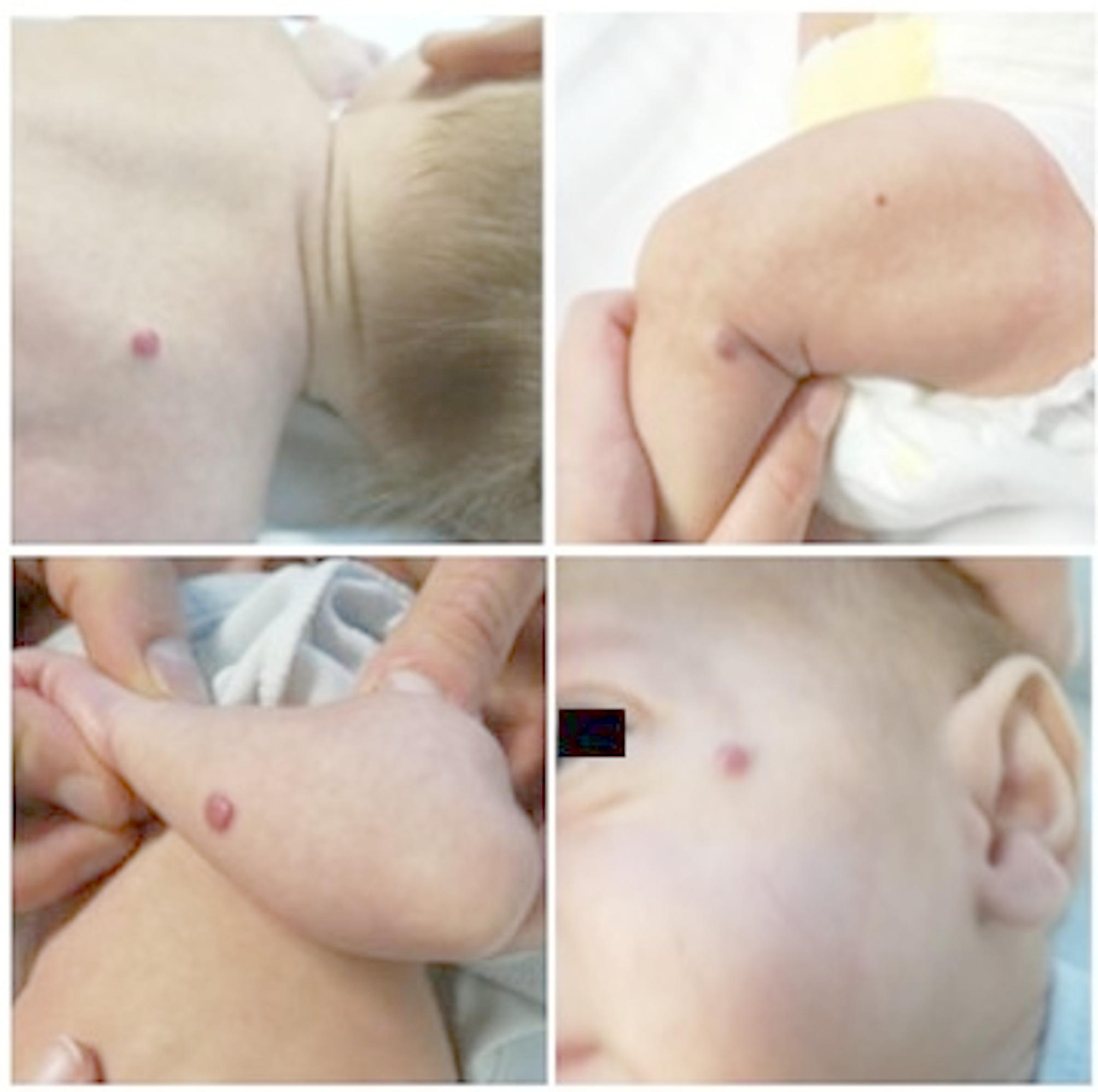 Figure 1
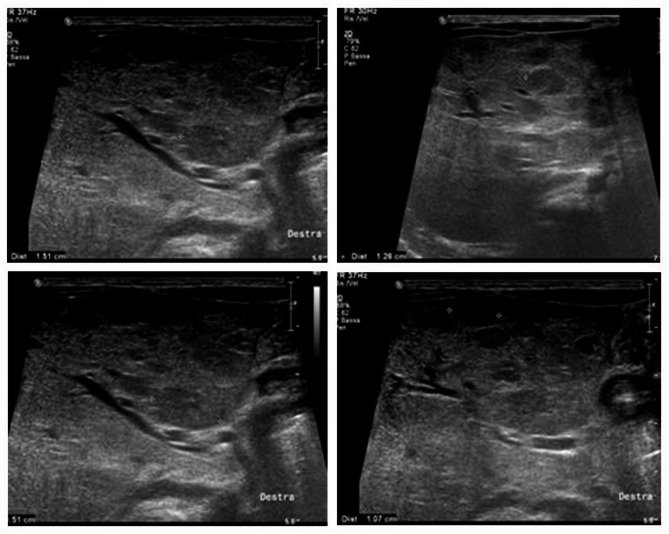 Figure 2
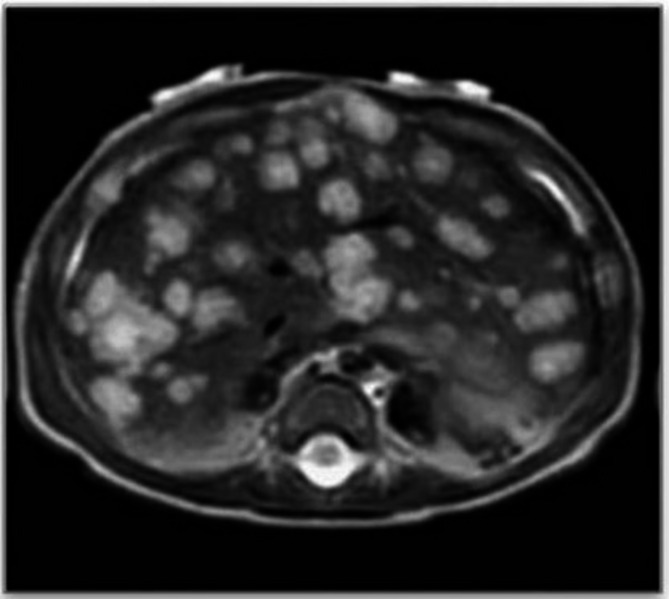 Figure 3
Peer Reviews
No public reviews on file for this paper yet. If you reviewed it on a platform where reviews are public (OpenReview, ICLR, NeurIPS, ICML), you can paste yours below so the community can read it here.
Videos
No videos yet. Explain this paper in a talk, walkthrough, or lecture? Add one.
Taxonomy
TopicsVascular Malformations and Hemangiomas · Genetic and Kidney Cyst Diseases · Vascular anomalies and interventions