Reversal of Diabesity Through Modulating Sympathetic Inputs to Adipose Tissue Following Carotid Body Resection
Bernardete F. Melo, Joana F. Sacramento, Julien Lavergne, Fátima O. Martins, Daniela Rosendo‐Silva, Clara Panzolini, Cláudia S. Prego, Aidan Falvey, Elena Olea, Paulo Matafome, Asuncion Rocher, Jesus Prieto‐Lloret, Miguel C. Correia, Phillipe Blancou, Silvia V. Conde

TL;DR
Removing the carotid body nerve in rats and mice improves obesity and diabetes by boosting fat tissue metabolism through a new neural pathway.
Contribution
A novel neural circuit involving the carotid body, hypothalamus, and adipose tissue is identified for managing diabesity.
Findings
Carotid sinus nerve resection promotes weight loss and restores metabolic function in obese animals.
The procedure increases tyrosine hydroxylase expression in hypothalamic neurons and sympathetic activity in adipose tissue.
Sympathetic integration and catecholaminergic action in adipose tissue are enhanced, improving metabolism.
Abstract
The development of innovative strategies to treat diabesity and its comorbidities is of major societal importance. The carotid bodies (CB), classically defined as O2 sensors, are also metabolic sensors whose dysfunction contributes to the genesis and progression of metabolic disturbances. Here, we tested the hypothesis that the CBs are key players in the neural hypothalamic‐sympathetic circuit controlling glucose and energy homeostasis. Moreover, we investigated if abolishment of CB activity has an anti‐diabesity effect in Wistar rats and C75BL/6J mice, associated with increased visceral white and brown adipose tissue (AT) metabolism and the restoration of sympathetic activity within these tissues. We demonstrate that resection of the carotid sinus nerve, the CB‐sensitive nerve, promotes weight loss and restores metabolic function in obese rats and mice by enhancing tyrosine…
Genes, proteins, chemicals, diseases, species, mutations and cell lines named across the full text — each resolved to its canonical identifier and authoritative record.
Click any figure to enlarge with its caption.
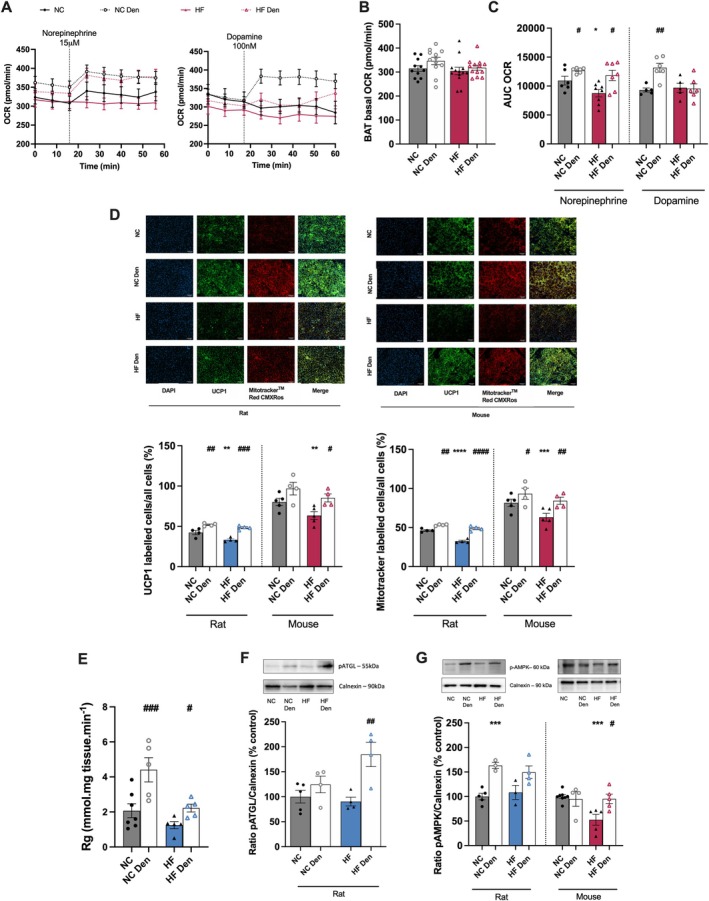 Figure 1
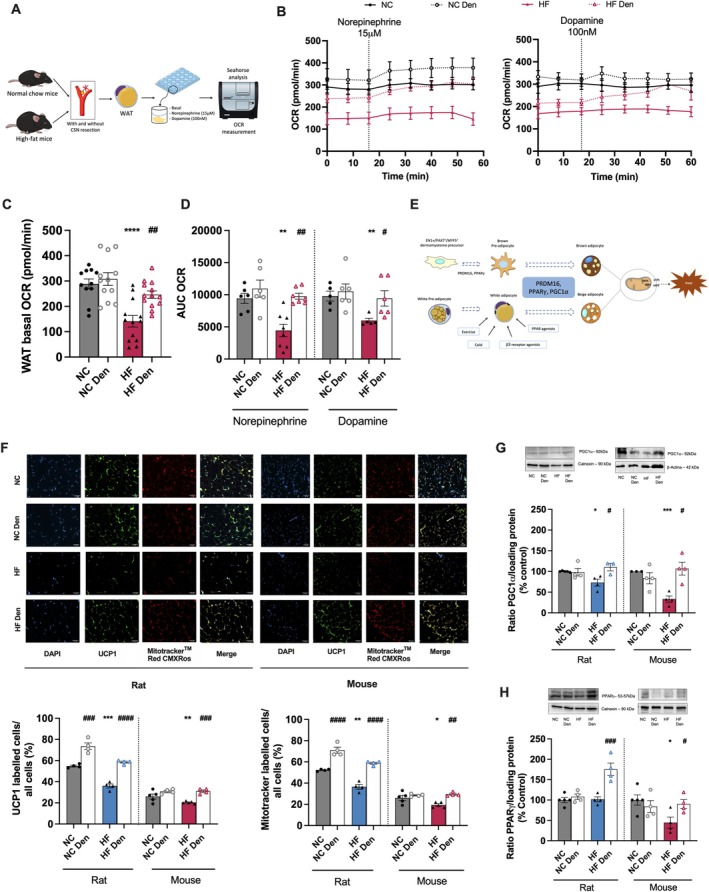 Figure 2
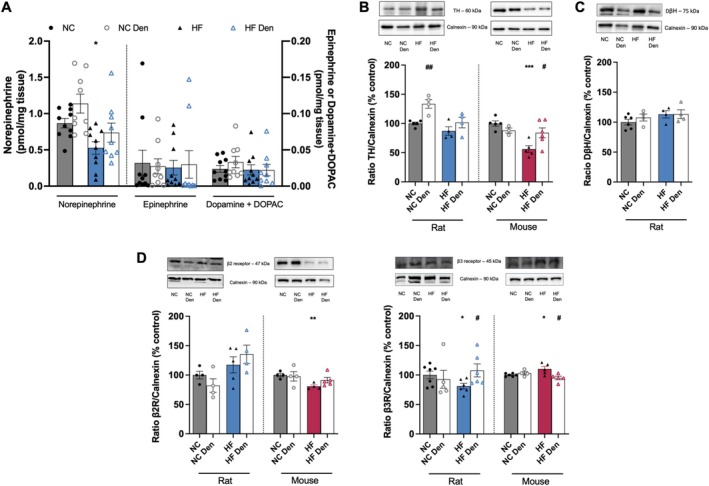 Figure 3
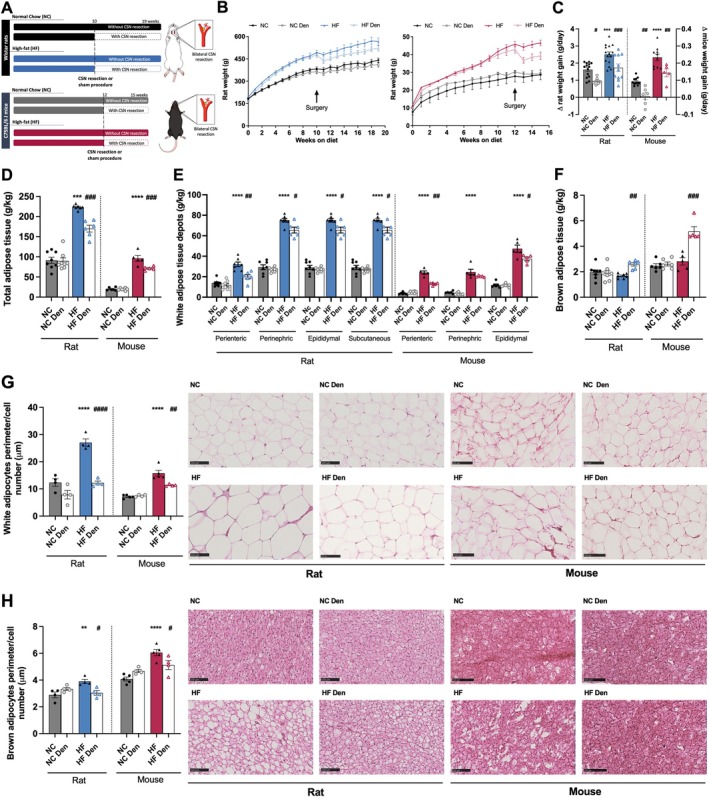 Figure 4
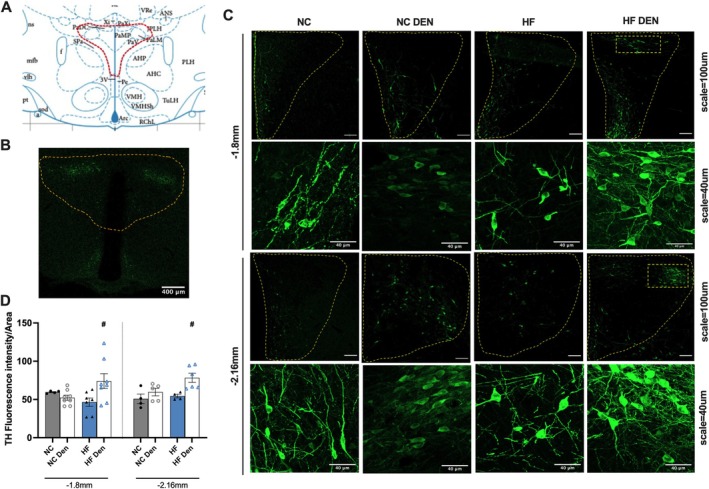 Figure 5
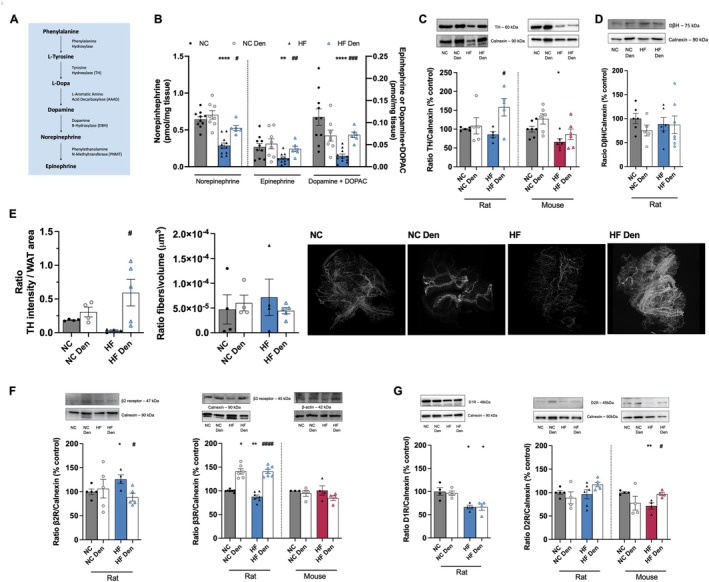 Figure 6
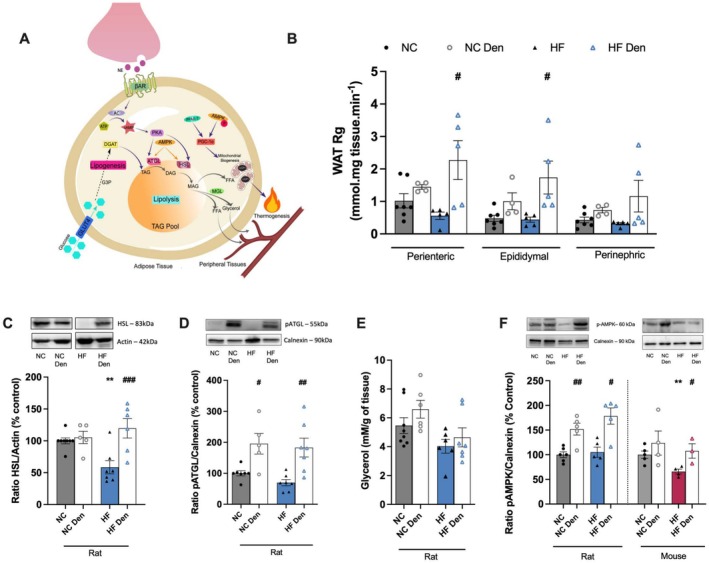 Figure 7
Peer Reviews
No public reviews on file for this paper yet. If you reviewed it on a platform where reviews are public (OpenReview, ICLR, NeurIPS, ICML), you can paste yours below so the community can read it here.
Videos
No videos yet. Explain this paper in a talk, walkthrough, or lecture? Add one.
Taxonomy
TopicsHeart Rate Variability and Autonomic Control · Adipose Tissue and Metabolism · Thermoregulation and physiological responses