Development and evaluation of new nanoformulated thiolactone derivatives for enhanced disruption of pseudomonal biofilms
Mohamed K. Gaballah, Shaimaa A. Khalid, Mohamed A. Seleem, Amr K. A. Bass, Ibrahim M. El-Sherbiny, Abdelrahman S. Mayhoub

TL;DR
This paper introduces a new nanoformulation of thiolactone compounds that disrupt biofilms formed by Pseudomonas aeruginosa, a drug-resistant bacteria.
Contribution
The novel contribution is the development of a biocompatible nanoformulation that enhances the efficacy of thiolactone derivatives against P. aeruginosa biofilms.
Findings
The nanoformulated thiolactone derivatives inhibited the LasR receptor, a key component of quorum sensing in P. aeruginosa.
The nanoformulation significantly suppressed virulence factors like pyocyanin and rhamnolipid production.
The nanoformulated compounds reduced exopolysaccharide production, weakening biofilm integrity.
Abstract
Pseudomonas aeruginosa (P. aeruginosa) is a formidable, antibiotic-resistant pathogen responsible for severe infections, particularly due to its ability to form protective biofilms mediated by the quorum sensing (QS) system, a cell-to-cell communication mechanism essential for biofilm formation and virulence. Herein, we developed a novel nanoformulation of thiolactone derivatives designed to target the QS system of P. aeruginosa. Specifically, chlorothiolactone (CTL) compounds (mCTL, 4a and pCTL, 4b) were encapsulated within biocompatible pluronic nanoparticles to enhance their delivery and efficacy. Our nanoformulation demonstrated efficient delivery of the designated molecules, leading to inhibition of the LasR receptor, a key regulator of QS, and subsequent disruption of biofilm formation. Our results revealed that the nanoparticle-formulated CTL derivatives exhibited superior…
Genes, proteins, chemicals, diseases, species, mutations and cell lines named across the full text — each resolved to its canonical identifier and authoritative record.
Click any figure to enlarge with its caption.
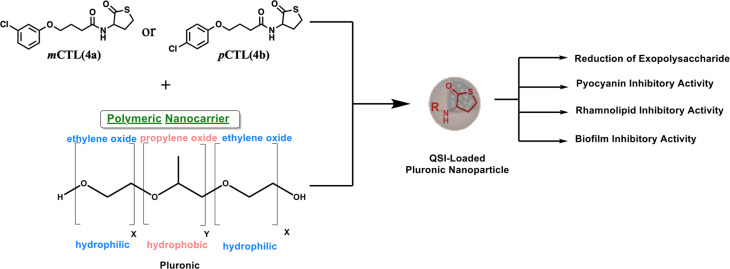 Figure 1
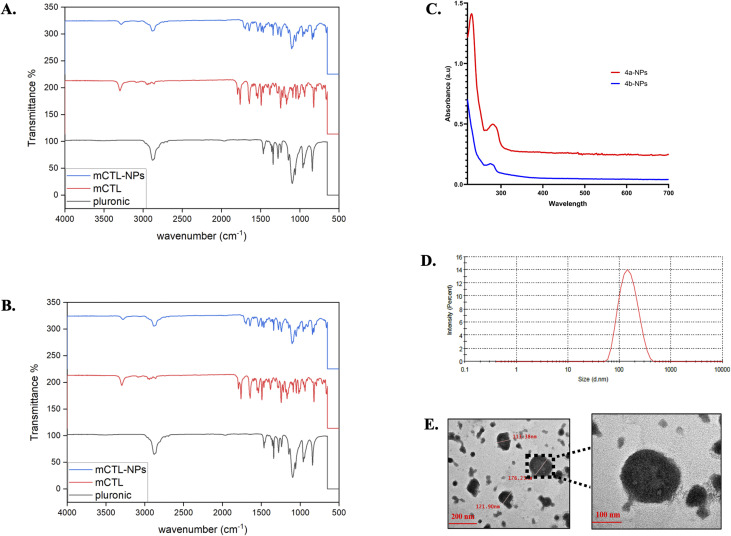 Figure 2
 Figure 3
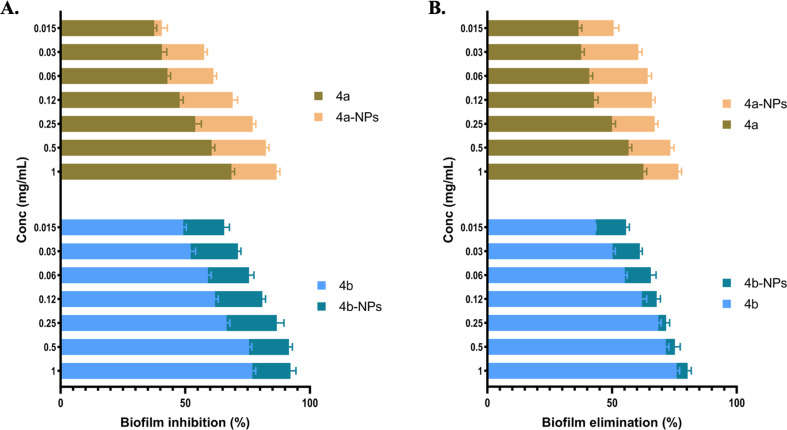 Figure 4
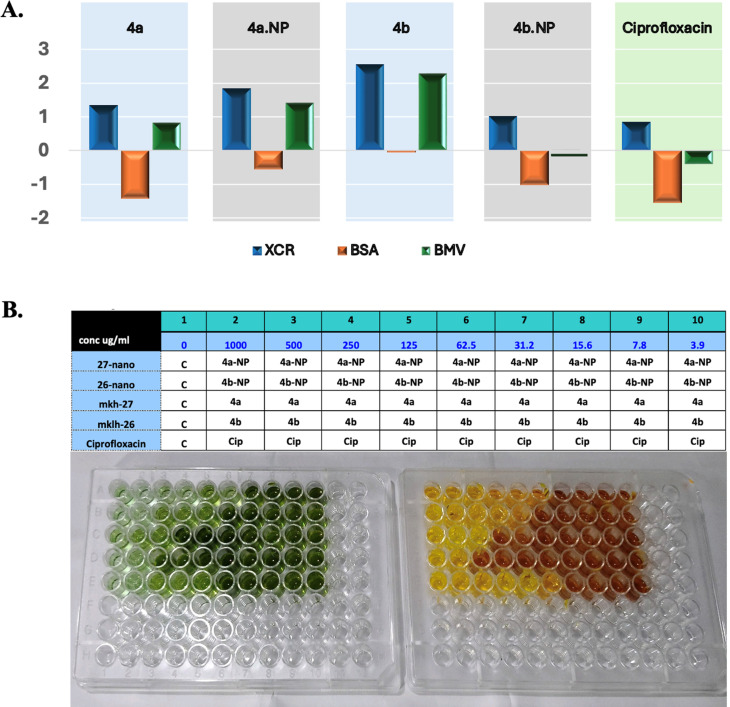 Figure 5
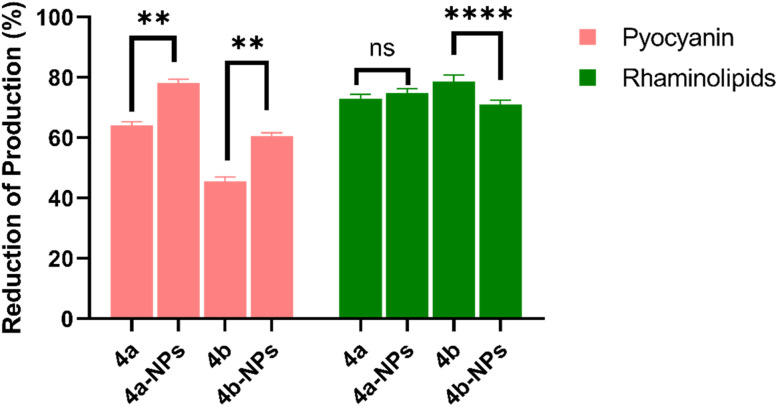 Figure 6
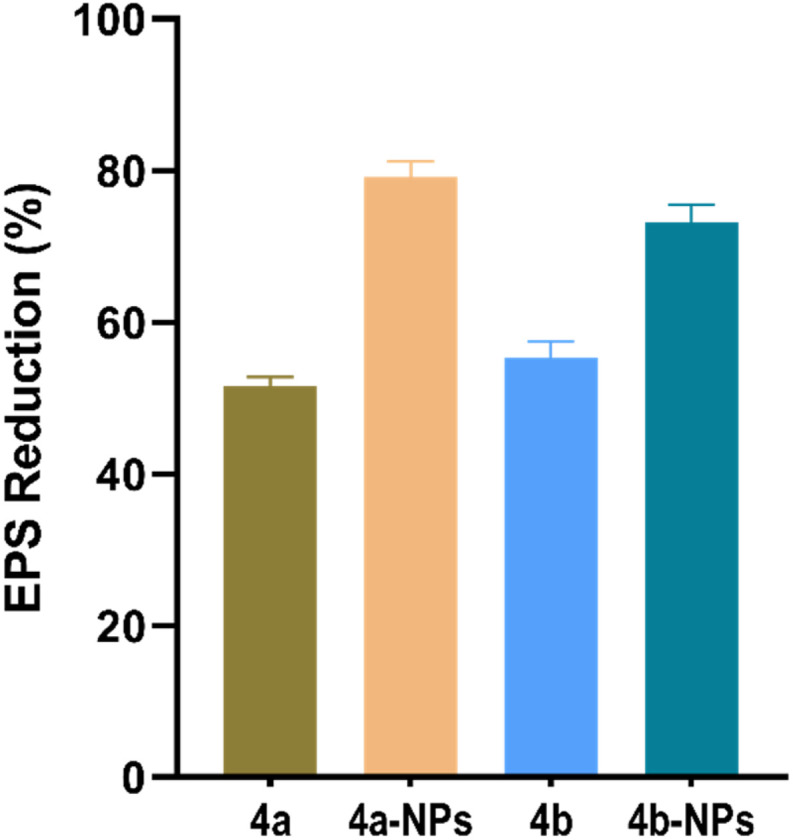 Figure 7
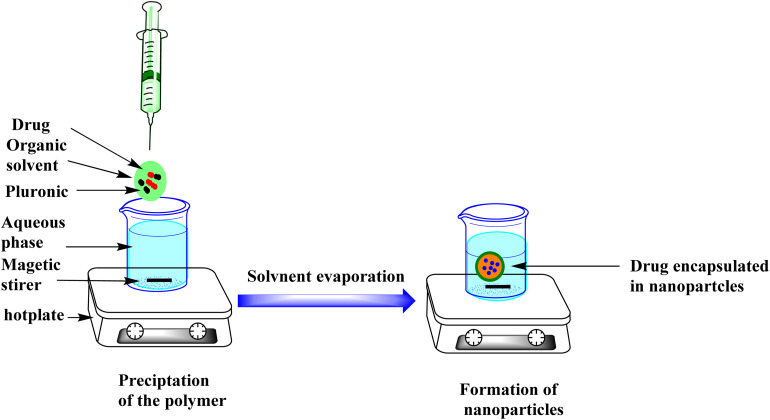 Figure 8
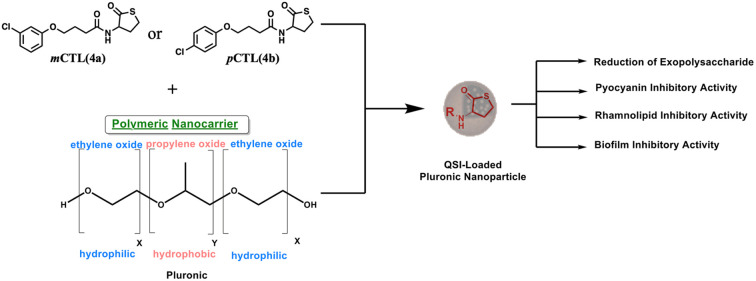 Figure 9
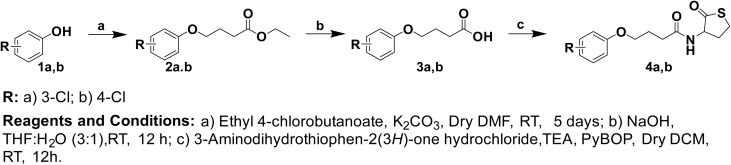 Figure 10
 Figure 11
 Figure 12
 Figure 13
 Figure 14
Peer Reviews
No public reviews on file for this paper yet. If you reviewed it on a platform where reviews are public (OpenReview, ICLR, NeurIPS, ICML), you can paste yours below so the community can read it here.
Videos
No videos yet. Explain this paper in a talk, walkthrough, or lecture? Add one.
Taxonomy
TopicsBacterial biofilms and quorum sensing · Antimicrobial agents and applications · Oral microbiology and periodontitis research