Evaluation of Beauvericin’s activity and mode of action against all life stages of L. tropica for cutaneous Leishmaniasis therapy
Lynn Al Samra, Mohamad El Nahas, Ilham Mneimneh, Aia Sinno, Sima Tokajian, Kelven Rahy, Sergio Thoumi, Lazo Ali, Wael Yammine, Charbel Al Khoury

TL;DR
This study explores Beauvericin, a natural compound, as a potential new treatment for leishmaniasis that works against all stages of the parasite and is less likely to cause drug resistance.
Contribution
The study demonstrates Beauvericin's broad efficacy and unique mechanism of action against Leishmania tropica, with a lower resistance development rate compared to existing drugs.
Findings
Beauvericin showed potent activity against both promastigote and amastigote stages of L. tropica with low IC50 values.
Beauvericin acts as a calcium ionophore, causing calcium dysregulation and triggering multiple cellular stress responses.
In a Galleria mellonella model, Beauvericin reduced parasite burden and improved survival rates with slower resistance development.
Abstract
Leishmaniasis, particularly its cutaneous form caused by Leishmania tropica, remains a significant global health concern due to the limitations of current treatments, including drug resistance, toxicity, and inconsistent efficacy. This study investigates the potential of Beauvericin (BEA), a fungal secondary metabolite, as an alternative antileishmanial agent. This study investigates the potential of Beauvericin (BEA), a fungal secondary metabolite, as an alternative antileishmanial agent. We assessed the efficacy of BEA against different developmental stages of L. tropica using in vitro assays and an in vivo Galleria mellonella infection model. The ability of L. tropica to develop resistance to BEA and its effects on the parasite’s gene expression profile were also examined. BEA exhibited potent antileishmanial activity with equipotency across both promastigote and amastigote stages…
Genes, proteins, chemicals, diseases, species, mutations and cell lines named across the full text — each resolved to its canonical identifier and authoritative record.
Click any figure to enlarge with its caption.
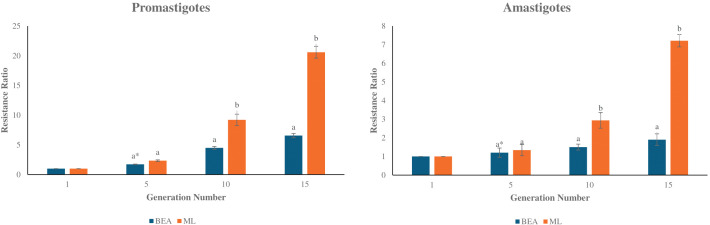 Figure 1
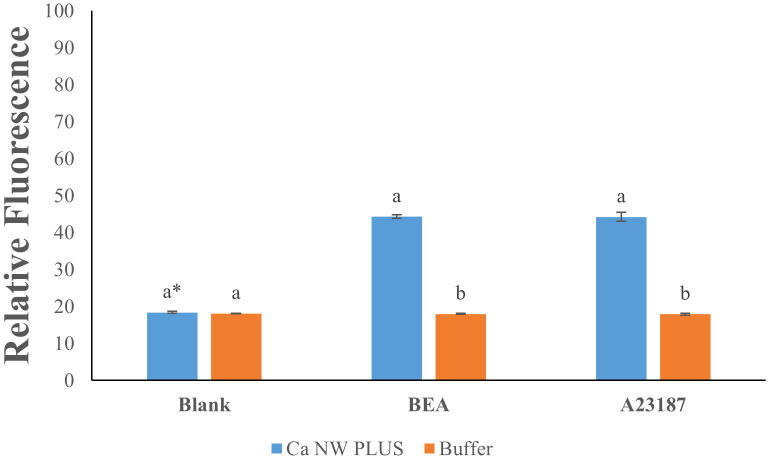 Figure 2
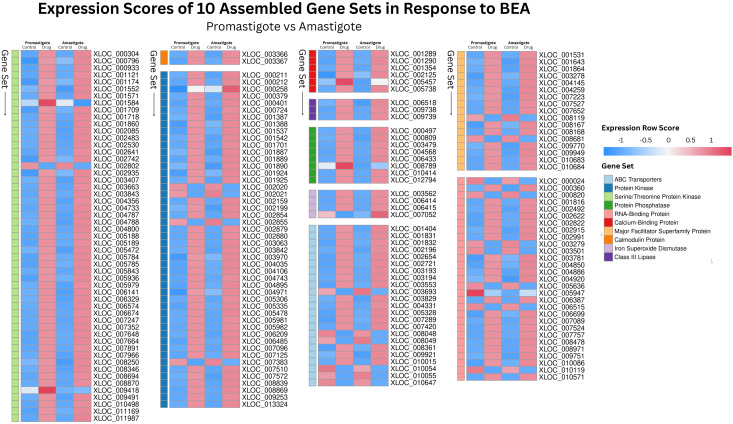 Figure 3
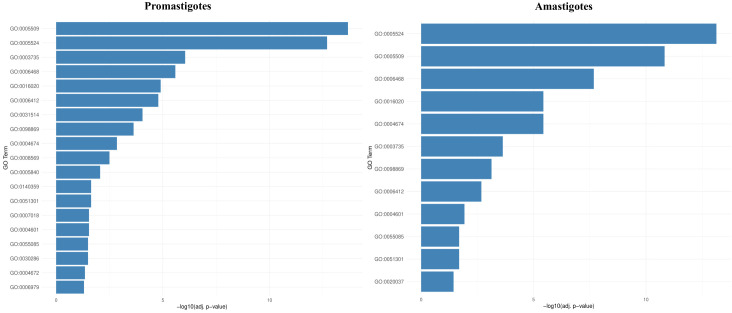 Figure 4
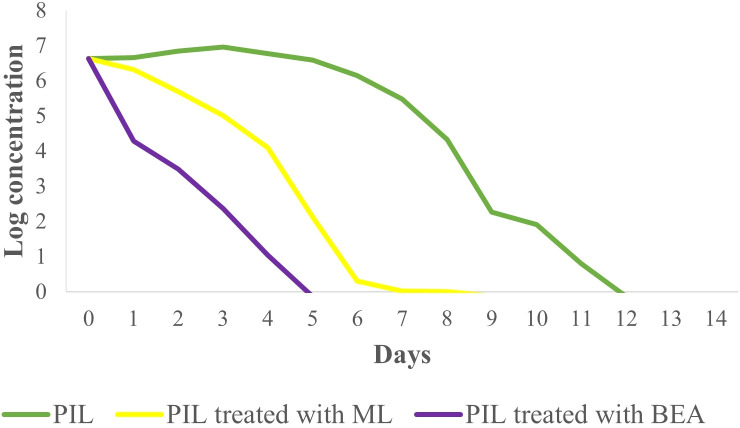 Figure 5
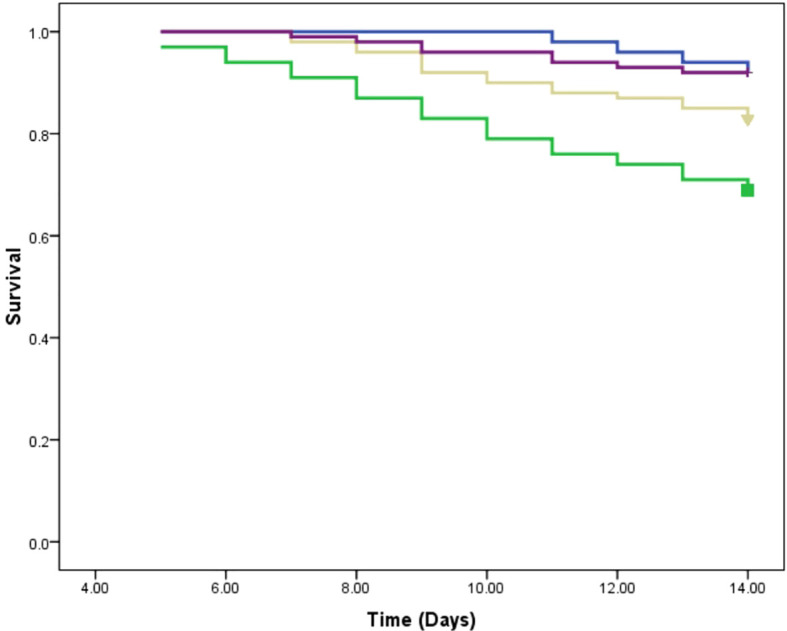 Figure 6
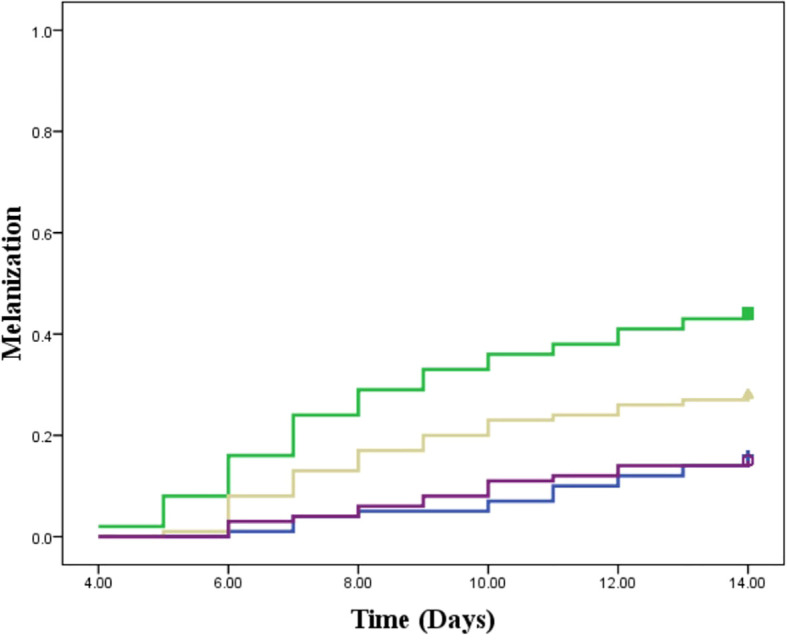 Figure 7
Peer Reviews
No public reviews on file for this paper yet. If you reviewed it on a platform where reviews are public (OpenReview, ICLR, NeurIPS, ICML), you can paste yours below so the community can read it here.
Videos
No videos yet. Explain this paper in a talk, walkthrough, or lecture? Add one.
Taxonomy
TopicsResearch on Leishmaniasis Studies · Insect Pest Control Strategies · Toxin Mechanisms and Immunotoxins