Creating a sustainable and inexpensive dry animal training model for liver surgery in low- and middle-income countries
Jeanine Justiniano, Ally H Mwanga, Daniel W Kitua, Nashivai E Kivuyo, Seif Wibonela, Cameron E Gaskill

TL;DR
A low-cost bovine liver model is developed to train surgeons in liver surgery, aiming to improve access to hepatobiliary surgical training in low- and middle-income countries.
Contribution
The novel contribution is a sustainable, inexpensive bovine liver training model for hepatobiliary surgery in resource-limited settings.
Findings
A bovine liver model with simulated blood flow was successfully used to perform a partial hepatectomy.
The model allowed for practicing bleeding control techniques like the Pringle maneuver and suture ligation.
The procedure was completed in one hour with 700 mL of estimated blood loss, demonstrating practicality for training.
Abstract
The growing global demand for surgical simulation training is particularly challenging in low- and middle-income countries (LMICs), where access to advanced technology is limited. Despite increasing demand for these services, hepatobiliary surgical training in LMICs is constrained by a need for more training facilities and experts. We, therefore, designed a feasible, cost-effective liver surgery training model using bovine liver. We hypothesise that this sustainable model can significantly enhance surgical training in LMICs. A bovine liver was procured from a local slaughterhouse, with careful preservation of its vascular structures. The specimen was transported to the Muhimbili University of Health and Allied Sciences’ Laboratory and prepared using a back-table technique. Major vessels were connected to a water flow system, simulating near-physiological central venous and arterial…
Genes, proteins, chemicals, diseases, species, mutations and cell lines named across the full text — each resolved to its canonical identifier and authoritative record.
Click any figure to enlarge with its caption.
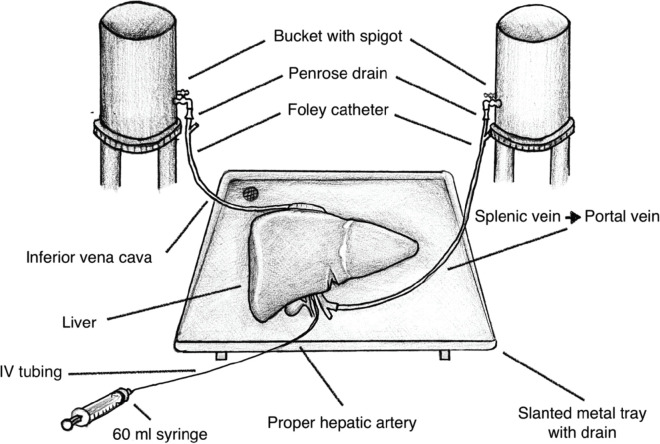 Figure 1
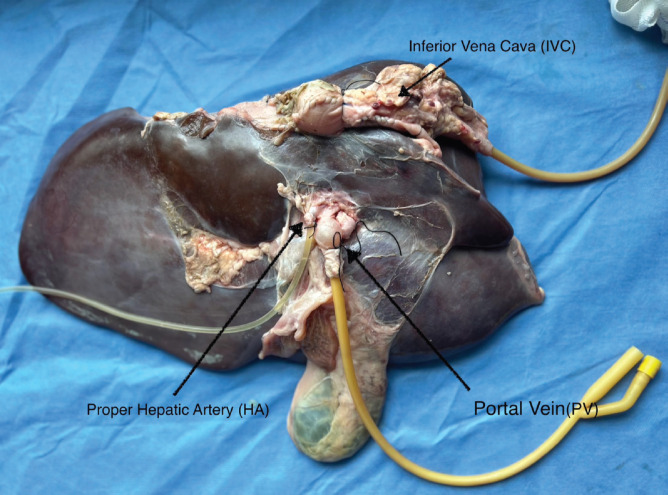 Figure 2
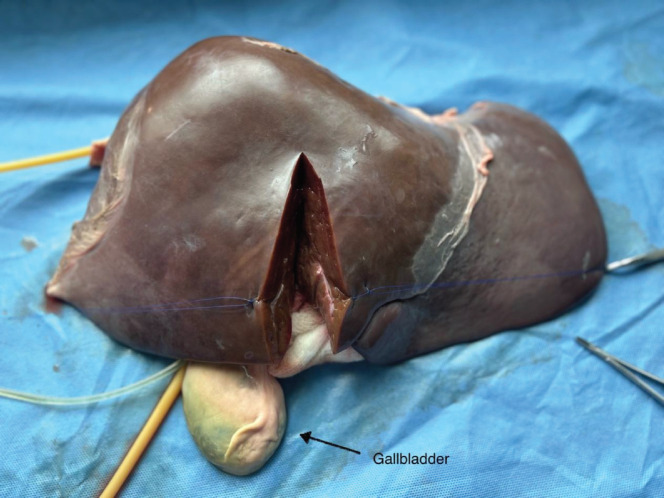 Figure 3
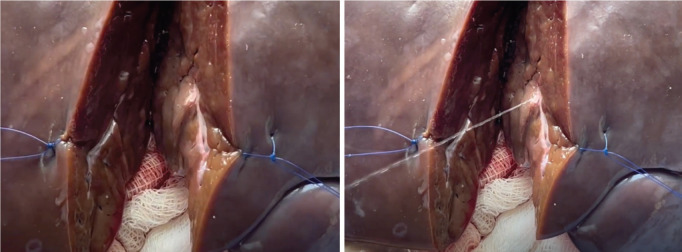 Figure 4
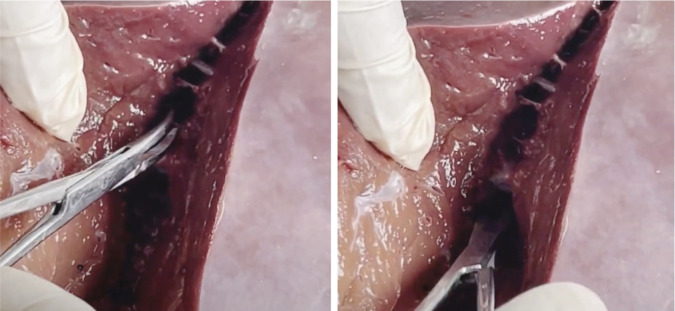 Figure 5
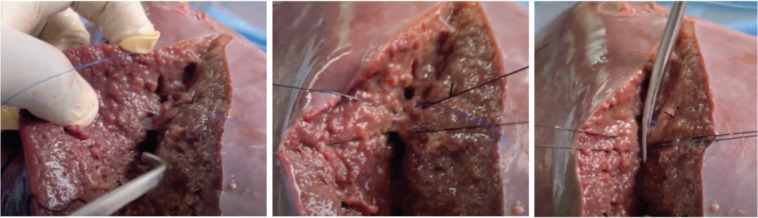 Figure 6
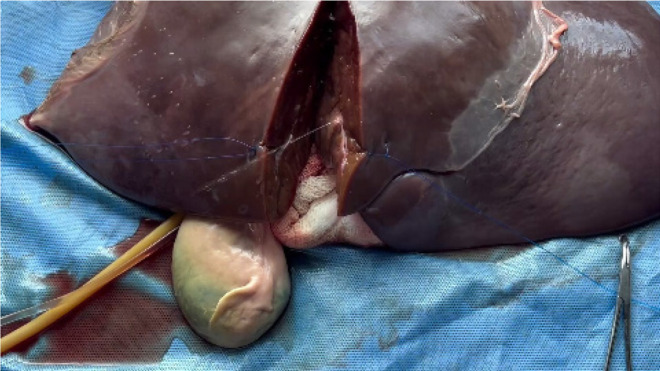 Figure 7
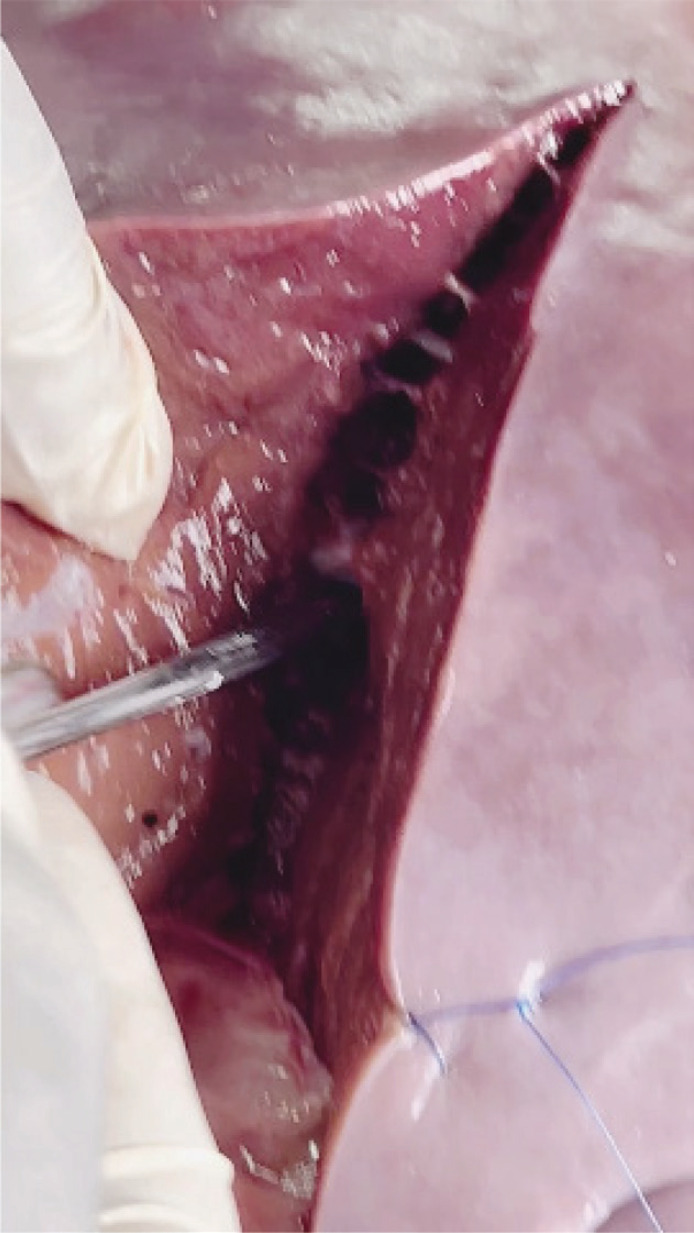 Figure 8
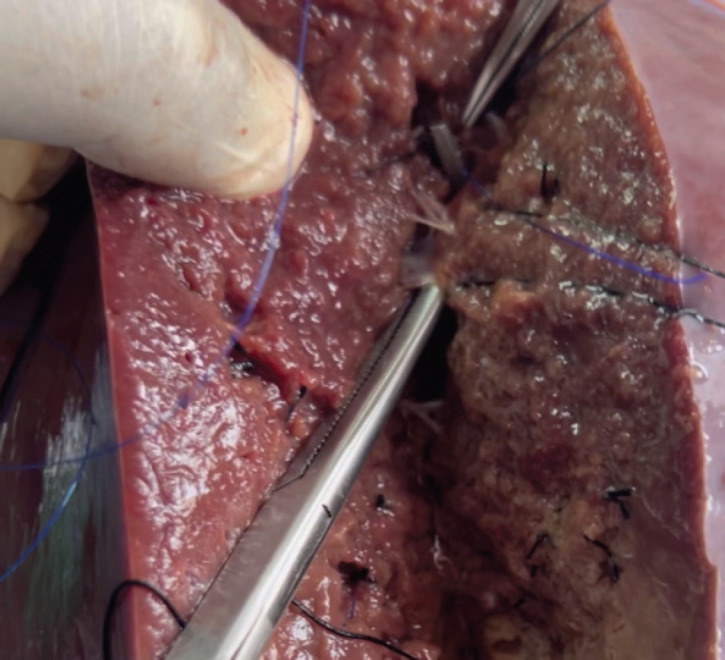 Figure 9
Peer Reviews
No public reviews on file for this paper yet. If you reviewed it on a platform where reviews are public (OpenReview, ICLR, NeurIPS, ICML), you can paste yours below so the community can read it here.
Videos
No videos yet. Explain this paper in a talk, walkthrough, or lecture? Add one.
Taxonomy
TopicsClinical Nutrition and Gastroenterology