Feeding regime synchronizes circadian clock in choroid plexus - insight into a complex mechanism
Tereza Dočkal, Pavel Houdek, Kateryna Semenovykh, Revan Rangotis, Martin Sládek, Alena Sumová

TL;DR
This study shows that feeding schedules can reset the circadian clock in the choroid plexus, aligning it with meal times rather than the day-night cycle.
Contribution
The study identifies feeding-induced signals like insulin, glucose, and temperature as key factors in resetting the choroid plexus clock.
Findings
Reverse restricted feeding shifts the circadian clock in the choroid plexus of both the fourth and lateral ventricles.
Glucose's effect on the clock is partially mediated by O-GlcNAcylation, as shown by partial inhibition with OSMI-1.
The fourth ventricle choroid plexus responds more strongly to feeding cues than the lateral ventricle.
Abstract
The circadian clock in choroid plexus (ChP) controls processes involved in its physiological functions, but the signals that synchronize the clock have been sparsely studied. We found that the ChP clock in the fourthventricle (4V) is more robust than that in the lateral ventricle (LV) and investigated whether both clocks use information about mealtime as a signal to synchronize with the current activity state. Exposure of mPer2Luc mice to a 10-day reverse restricted feeding (rRF) protocol, in which food was provided for 6 h during daytime, advanced the phase of the ChP clock in 4V and LV, as evidenced by shifted (1) PER2-driven bioluminescence rhythms of ChP explants ex vivo and (2) daily profiles in clock gene expression in both ChP tissues in vivo. In contrast, clocks in other brain regions (DMH, ARC, LHb) of the same mice did not shift. The 4V ChP responded more strongly than the LV…
Genes, proteins, chemicals, diseases, species, mutations and cell lines named across the full text — each resolved to its canonical identifier and authoritative record.
Click any figure to enlarge with its caption.
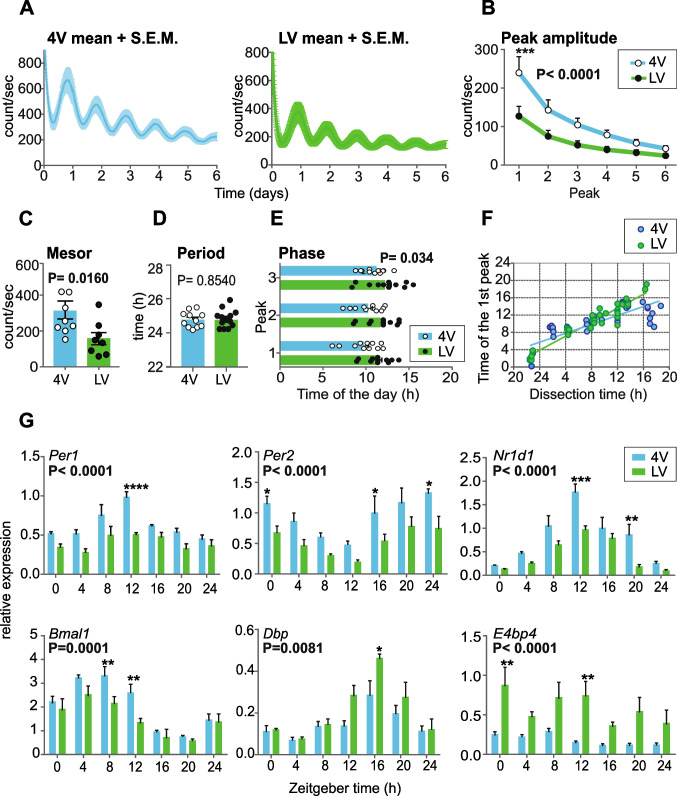 Figure 1
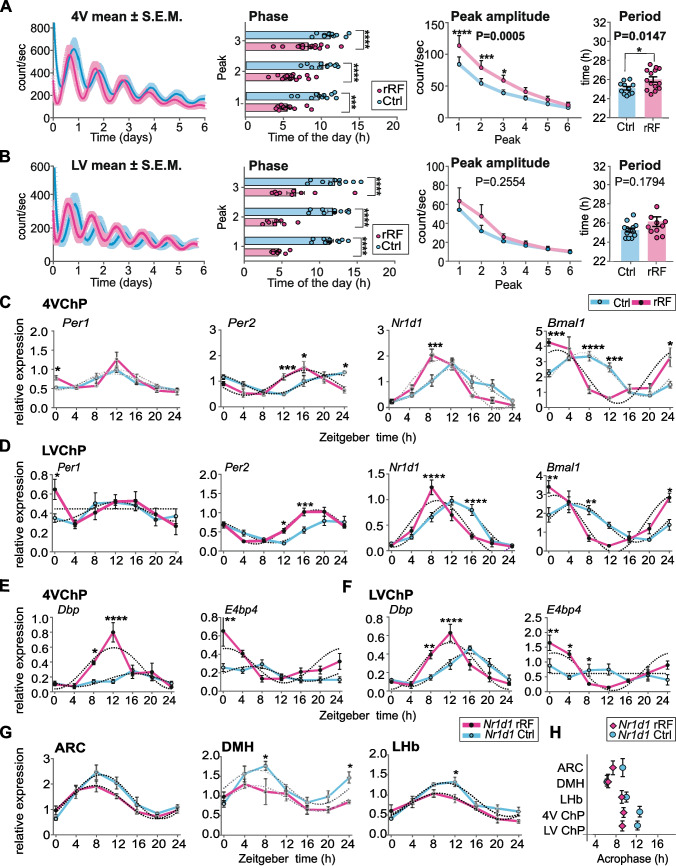 Figure 2
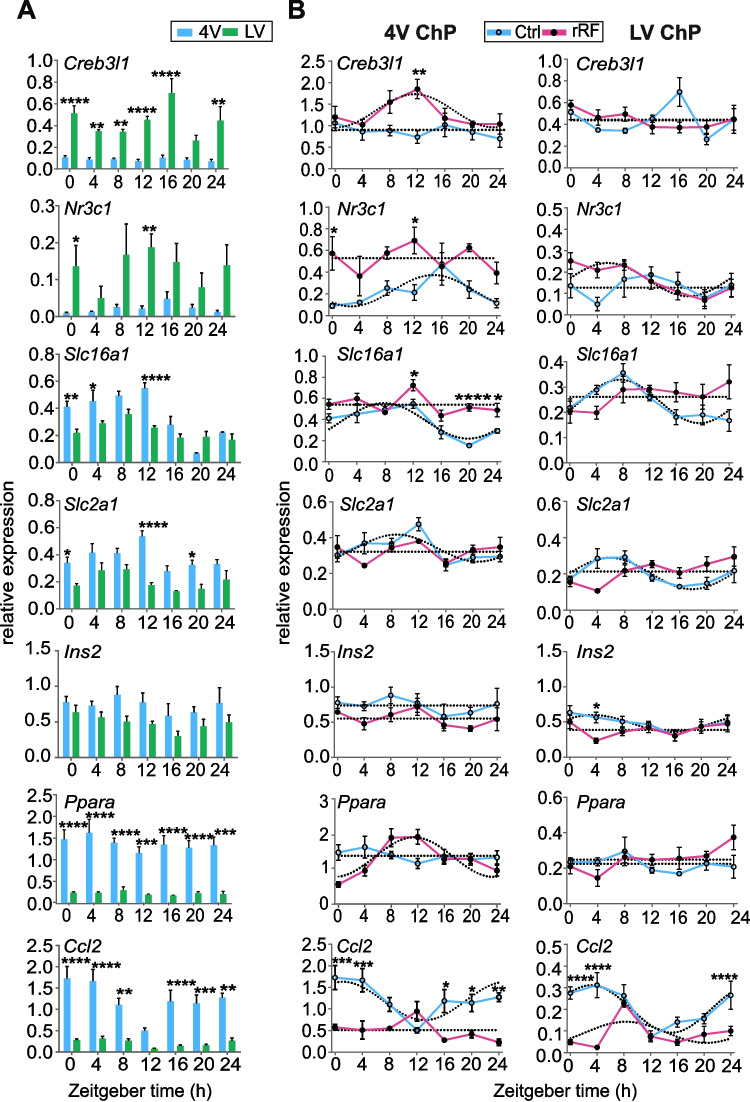 Figure 3
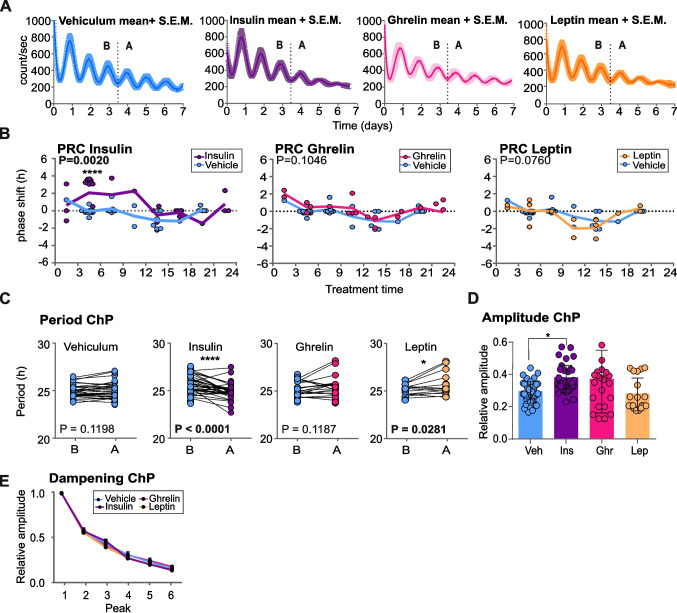 Figure 4
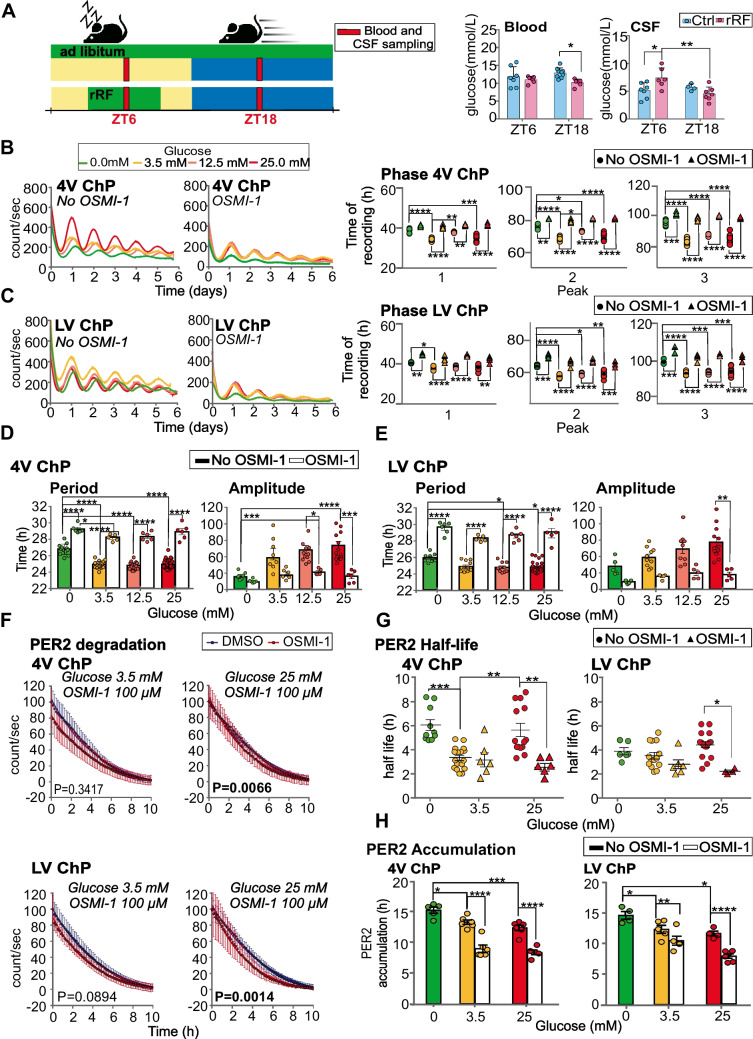 Figure 5
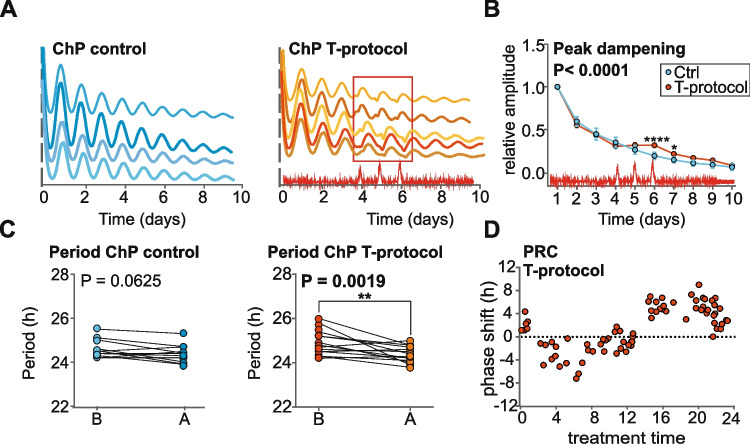 Figure 6
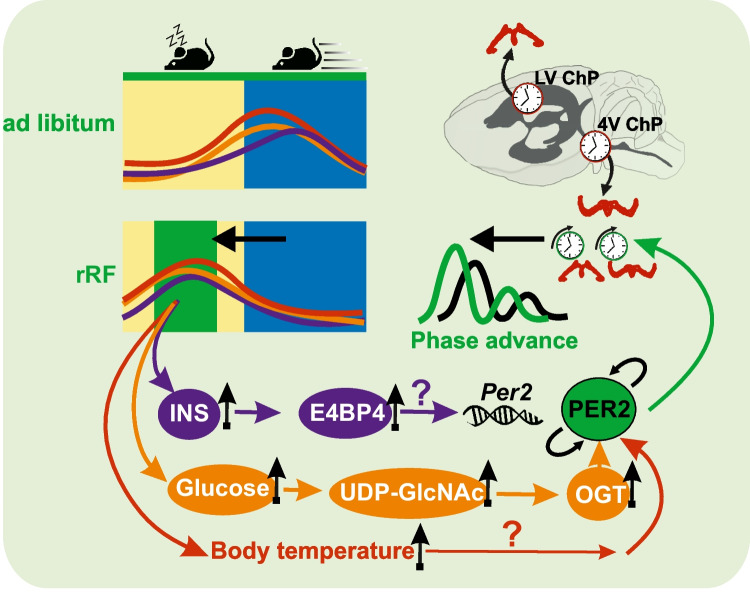 Figure 7
Peer Reviews
No public reviews on file for this paper yet. If you reviewed it on a platform where reviews are public (OpenReview, ICLR, NeurIPS, ICML), you can paste yours below so the community can read it here.
Videos
No videos yet. Explain this paper in a talk, walkthrough, or lecture? Add one.
Taxonomy
TopicsCircadian rhythm and melatonin · Photoreceptor and optogenetics research · Sleep and Wakefulness Research