Apical size reduction by macropinocytosis alleviates tissue crowding
Enzo Bresteau, Eve E. Suva, Christopher Revell, Osama A. Hassan, Aline Grata, Jennifer Sheridan, Jennifer Mitchell, Constadina Arvanitis, Farida Korobova, Sarah Woolner, Oliver E. Jensen, Brian Mitchell

TL;DR
Epithelial cells use macropinocytosis to shrink their top surface and reduce crowding, avoiding cell loss and offering a new way tissues adapt under stress.
Contribution
Apical size reduction via macropinocytosis is a novel, reversible mechanism for epithelial tissue remodeling under crowding stress.
Findings
Macropinocytosis reduces apical surface area to alleviate tissue crowding.
Inhibiting macropinocytosis increases cell extrusion, showing cooperation between the two processes.
Macropinocytosis responds to both developmental and external compression.
Abstract
Tissue crowding represents a critical challenge to epithelial tissues, which often respond via the irreversible process of live cell extrusion. We report that apical size reduction via macropinocytosis serves as a malleable and less destructive form of tissue remodeling that can alleviate the need for cell loss. We find that macropinocytosis is triggered by tissue crowding via mechanosensory signaling, leading to substantial internalization of apical membrane. This drives a reduction in apical surface which alleviates crowding. We report that this mechanism regulates the long-term organization of the developing epithelium and controls the timing of proliferation-induced cell extrusion. Additionally, we observe a wave of macropinocytosis in response to acute external compression. In both scenarios, inhibiting macropinocytosis induces a dramatic increase in cell extrusion suggesting…
Genes, proteins, chemicals, diseases, species, mutations and cell lines named across the full text — each resolved to its canonical identifier and authoritative record.
Click any figure to enlarge with its caption.
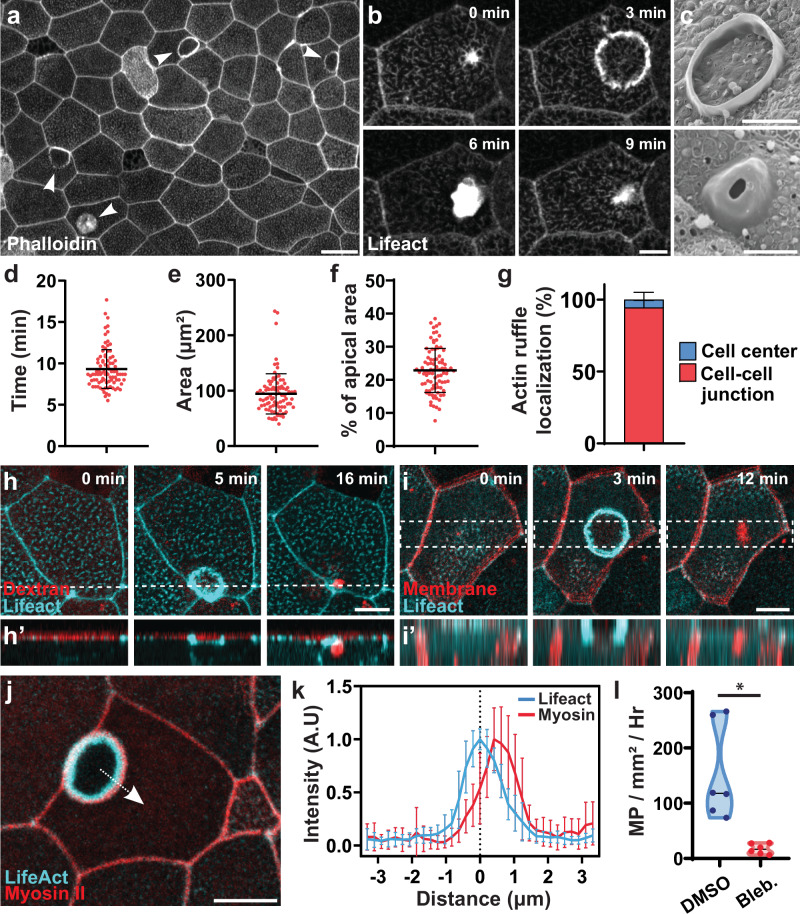 Figure 1
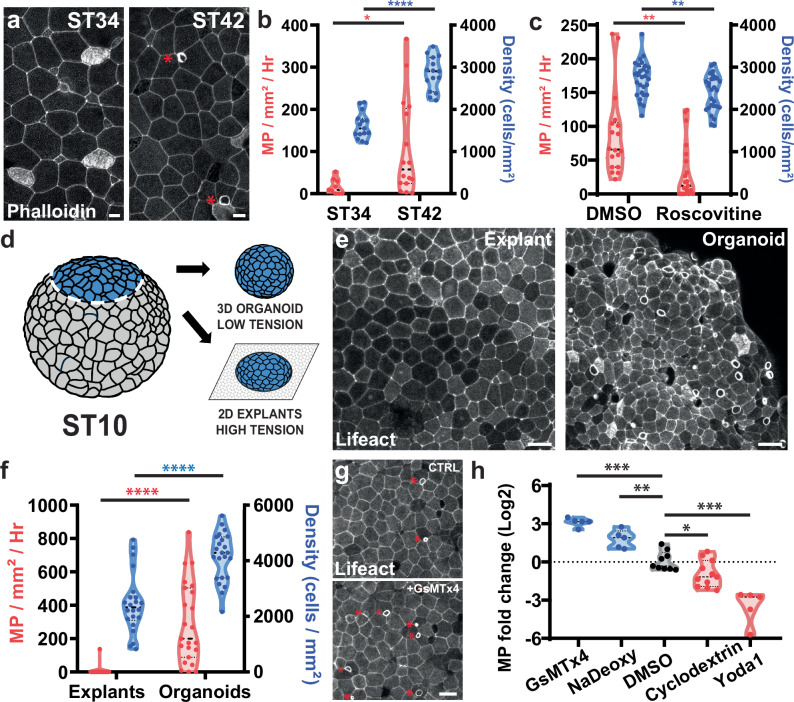 Figure 2
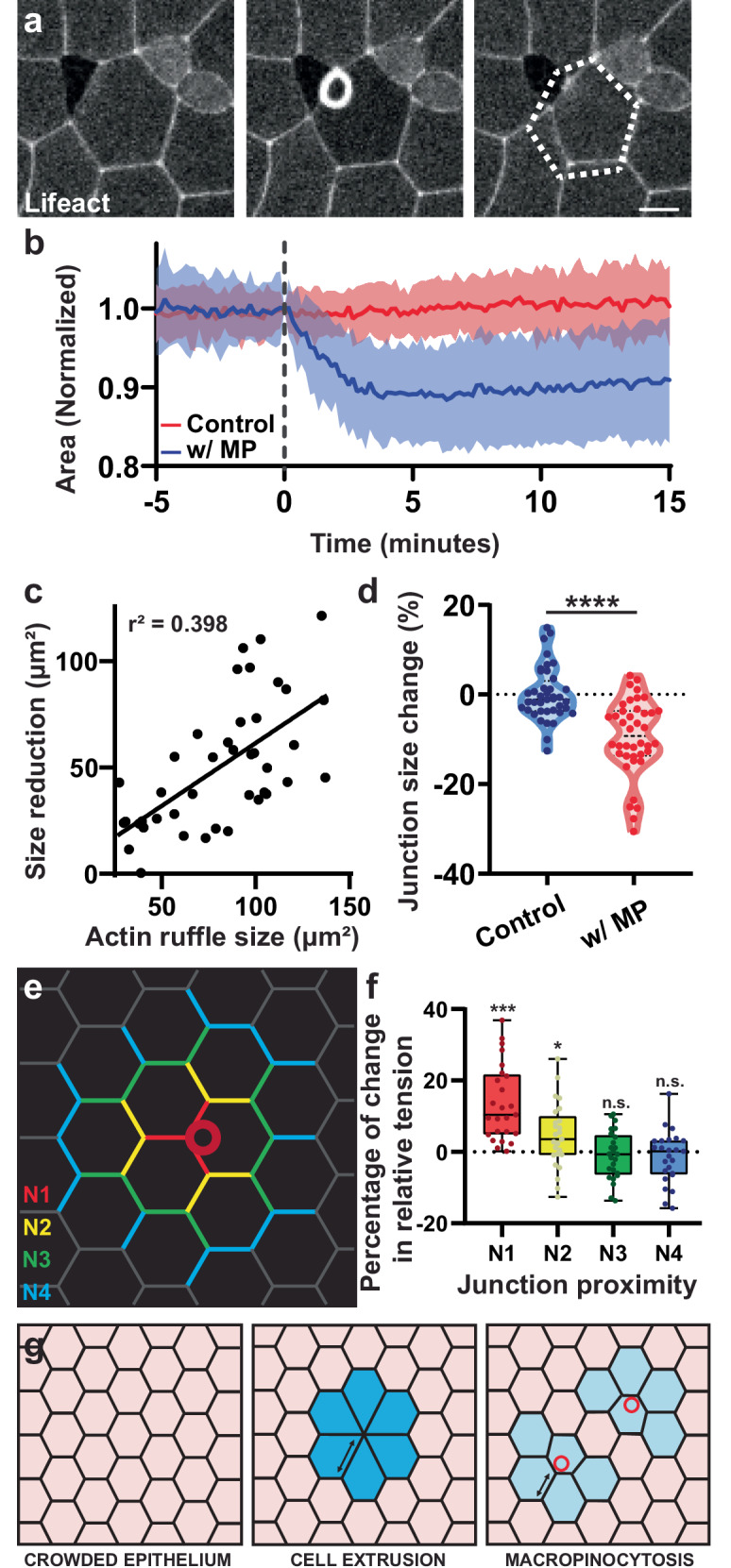 Figure 3
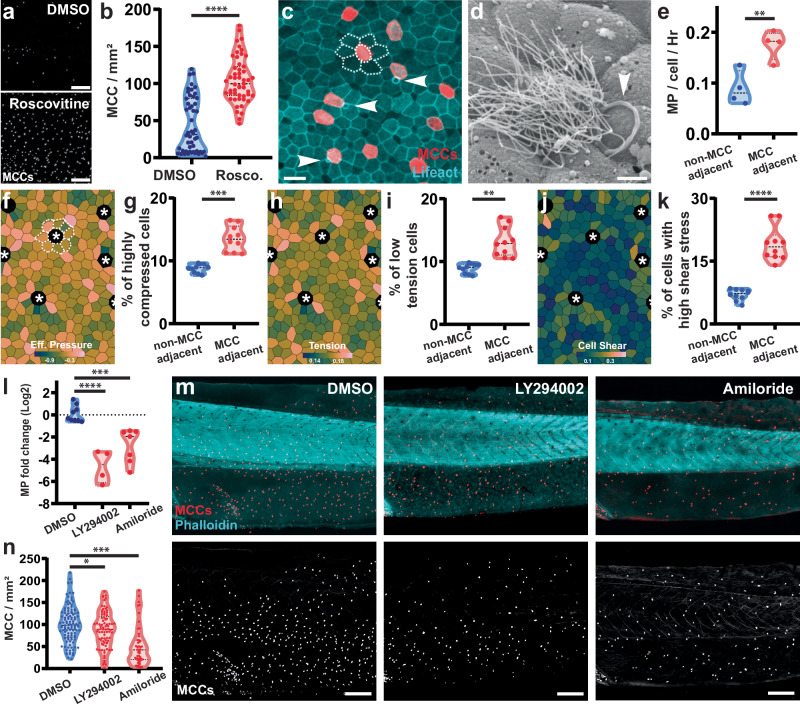 Figure 4
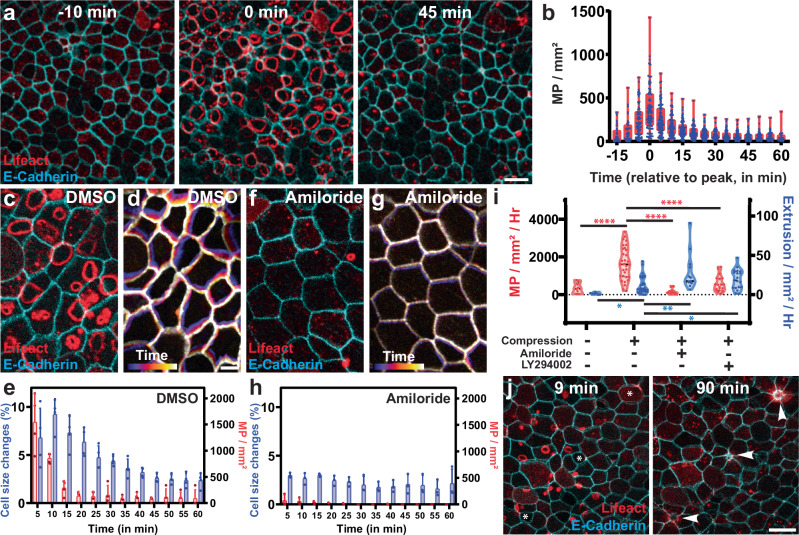 Figure 5
Peer Reviews
No public reviews on file for this paper yet. If you reviewed it on a platform where reviews are public (OpenReview, ICLR, NeurIPS, ICML), you can paste yours below so the community can read it here.
Videos
No videos yet. Explain this paper in a talk, walkthrough, or lecture? Add one.
Taxonomy
TopicsErythrocyte Function and Pathophysiology · Blood properties and coagulation · Cellular Mechanics and Interactions