B cell-extrinsic and intrinsic factors linked to early immune repletion after anti-CD20 therapy in patients with multiple sclerosis of African ancestry
Gregg J. Silverman, Abhimanyu N. Amarnani, Arnaldo A. Arbini, Angie Kim, Hannah Kopinsky, David Fenyo, Ilya Kister

TL;DR
This study explores why some patients of African ancestry with MS recover B cells faster after anti-CD20 therapy, linking it to drug antibodies and genetic factors.
Contribution
The study identifies both extrinsic and intrinsic factors linked to early B cell repletion in African ancestry MS patients after anti-CD20 therapy.
Findings
Early B cell repletion in some AA MS patients is associated with anti-drug antibodies and undetectable drug levels.
Another subset of AA patients with early B cell repletion has genetic polymorphisms linked to B cell survival and immune pathways.
These findings suggest variability in treatment response that may affect therapeutic outcomes in AA MS patients.
Abstract
Recent investigations have identified patients of African ancestry (AA) with Multiple Sclerosis (MS), who display more rapid B-cell repopulation after standard semi-annual infusions with an anti-CD20 monoclonal antibody for B cell depletion. In this study, we explored the immunologic and genetic factors, with serum drug monitoring, that may contribute to a faster rate of B-cell repletion that follows during recovery from treatment with anti-CD20 antibody. In AA MS patients treated with an anti-CD20 antibody that had early repopulation of peripheral blood B cells, we assessed for extrinsic factors, including the presence of anti-drug antibodies against ocrelizumab, which may contribute to early repletion. We also documented the associated serum drug levels. In addition, we examined for inheritance of intrinsic gene polymorphisms associated with B cell survival and immune function. Our…
Genes, proteins, chemicals, diseases, species, mutations and cell lines named across the full text — each resolved to its canonical identifier and authoritative record.
Click any figure to enlarge with its caption.
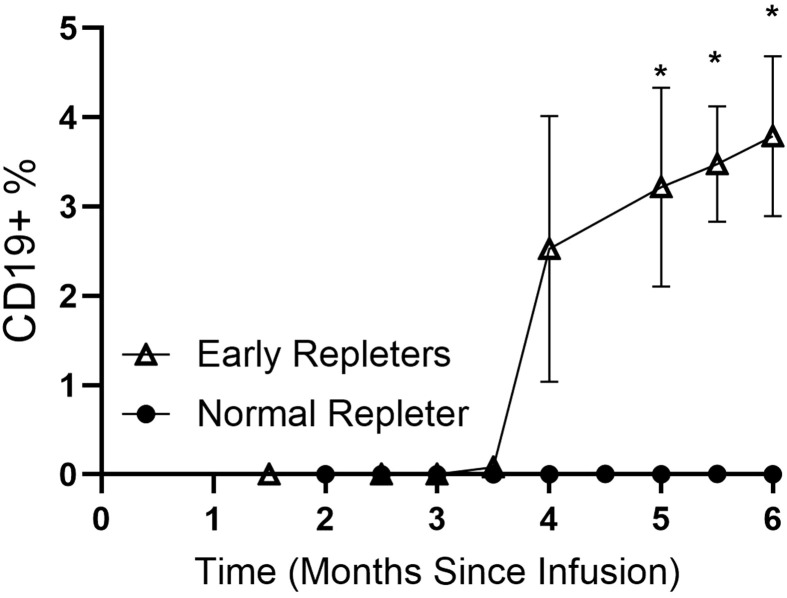 Figure 1
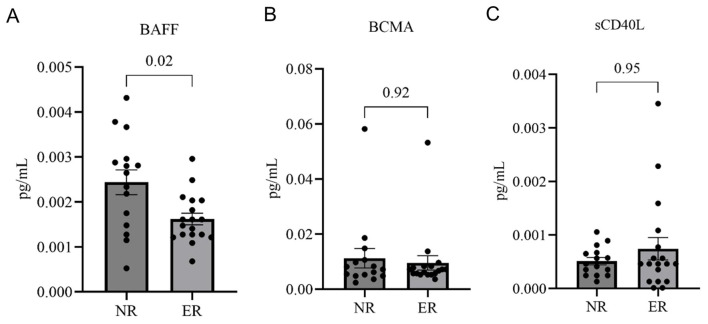 Figure 2
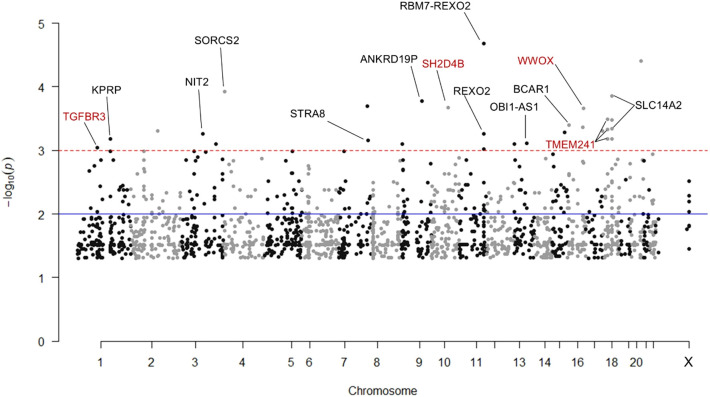 Figure 3
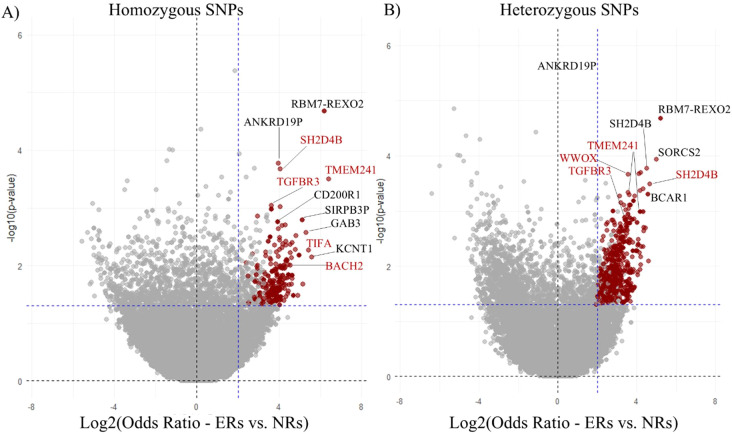 Figure 4
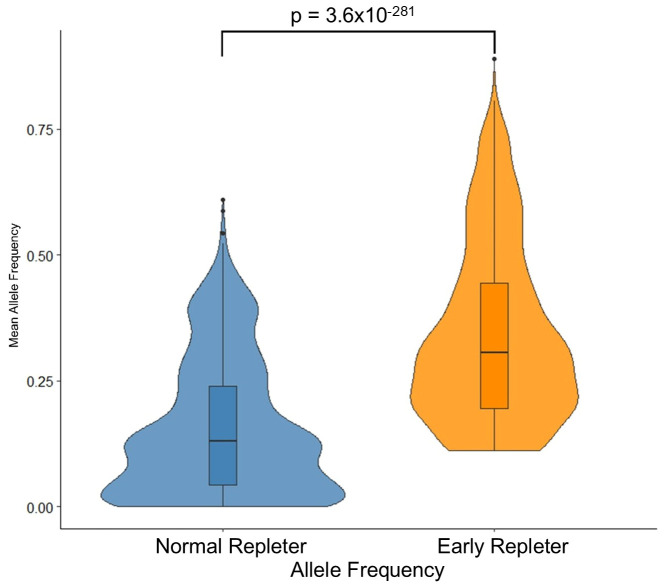 Figure 5
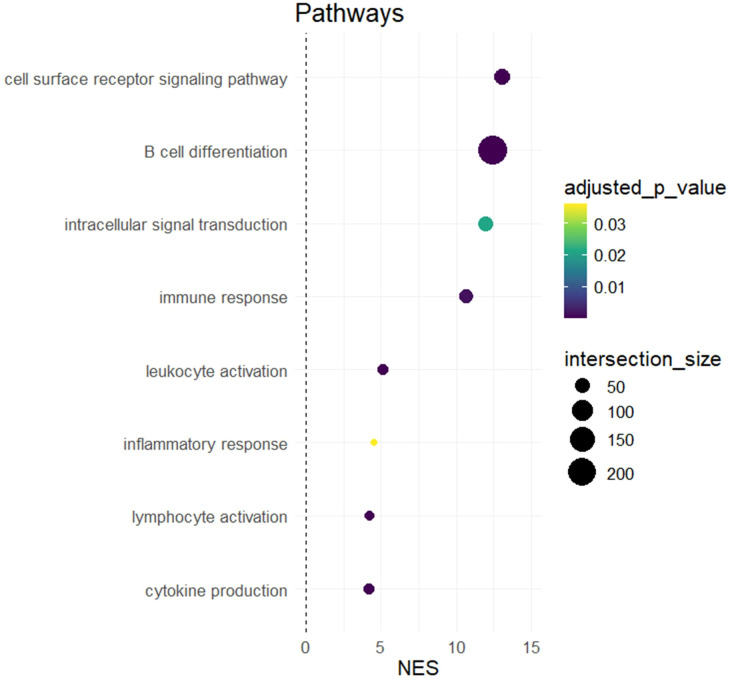 Figure 6
Peer Reviews
No public reviews on file for this paper yet. If you reviewed it on a platform where reviews are public (OpenReview, ICLR, NeurIPS, ICML), you can paste yours below so the community can read it here.
Videos
No videos yet. Explain this paper in a talk, walkthrough, or lecture? Add one.
Taxonomy
TopicsMultiple Sclerosis Research Studies · Systemic Lupus Erythematosus Research · Polyomavirus and related diseases