Identification and evaluation of a pinocembrin analog as a TRPV1 inhibitor with analgesic properties in murine pain models
Hanbin Chen, Guanghong Li, Lin Deng, Nan Xu, Simon Ming-Yuen Lee, Xiaowei Nie, Jin-Song Bian

TL;DR
A new TRPV1 inhibitor called PINO was found to reduce pain in multiple mouse models, offering a potential alternative to opioids and NSAIDs.
Contribution
A novel TRPV1 antagonist derived from natural sources was identified and shown to have analgesic effects in various pain models.
Findings
PINO reduced pain responses in acetic acid-induced, inflammatory, and bone cancer pain models in mice.
PINO suppressed pro-inflammatory cytokine production and inhibited NF-κB and MAPK signaling pathways.
PINO showed superior stability in TRPV1 interactions through virtual screening and molecular dynamics simulations.
Abstract
Pain is a complex phenomenon involving physiological and psychological responses to noxious stimuli. Long-term opioid or NSAID use leads to reduced efficacy and tolerance. Initially a thermosensitive receptor, TRPV1 is increasingly recognized as a target for analgesic intervention. Our investigation is focused on the exploration of novel TRPV1 antagonists derived from natural sources through computational screening methodologies, aiming to assess their efficacy as analgesic agents. Among the compounds screened, a promising TRPV1 antagonist named pinocembrin-7-o-3-o-galloyl-4-6-hexahydroxydiphenoyl-beta-d-glucoside (PINO) has exhibited superior stability in its interaction with TRPV1 through virtual screening and molecular dynamics simulation. A dosage of 20 mg/kg of PINO had been shown to reduce the writhing response in acetic acid-induced mice, elevate the thermal pain threshold in…
Genes, proteins, chemicals, diseases, species, mutations and cell lines named across the full text — each resolved to its canonical identifier and authoritative record.
Click any figure to enlarge with its caption.
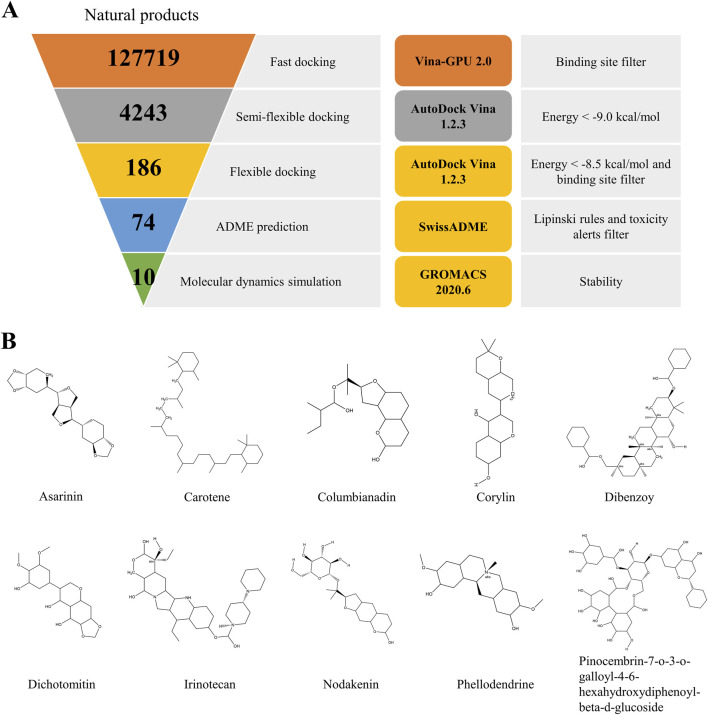 Figure 1
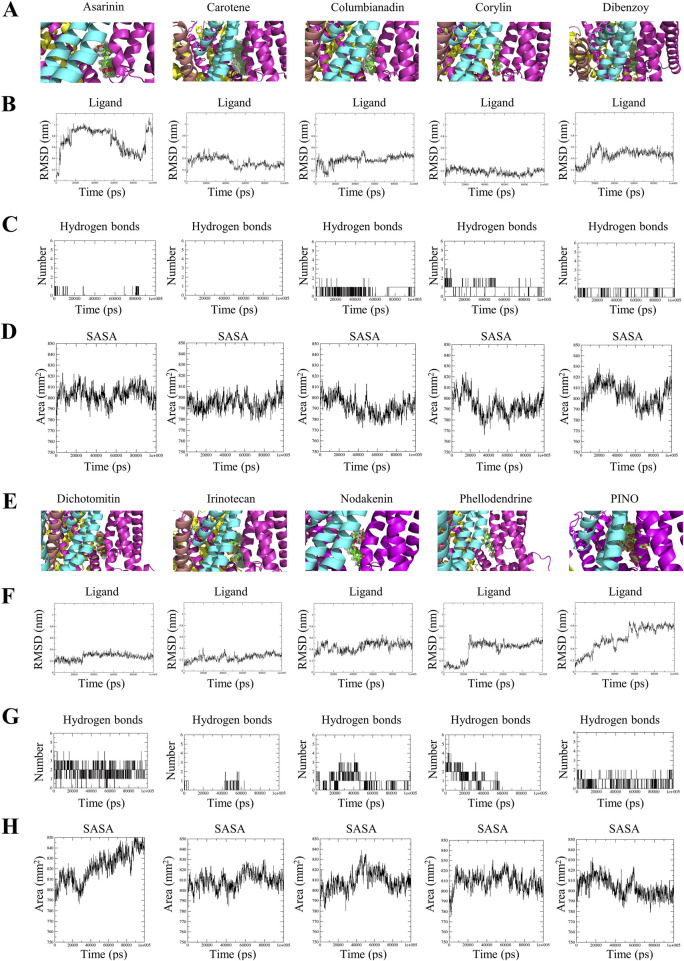 Figure 2
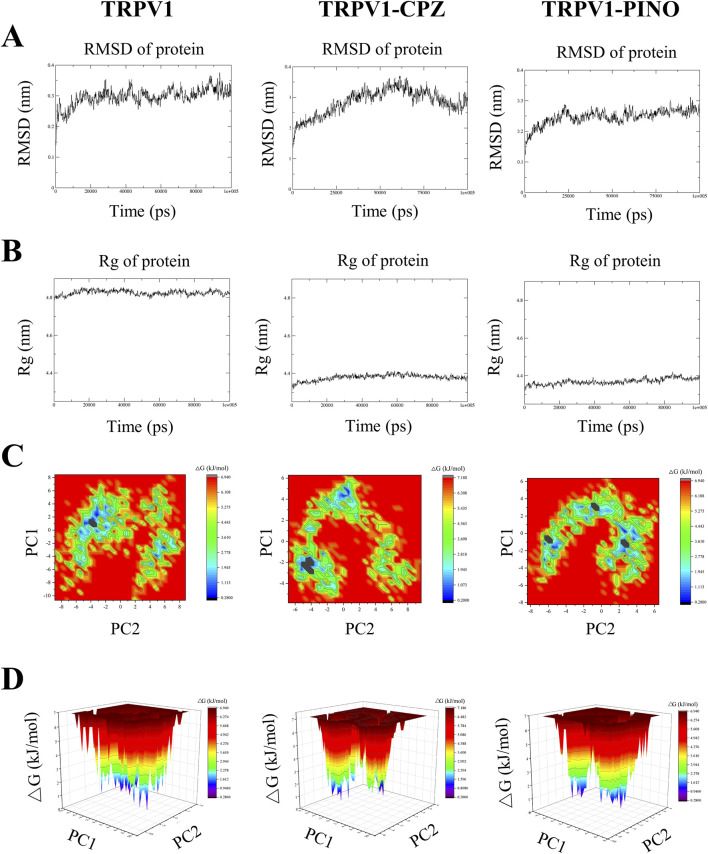 Figure 3
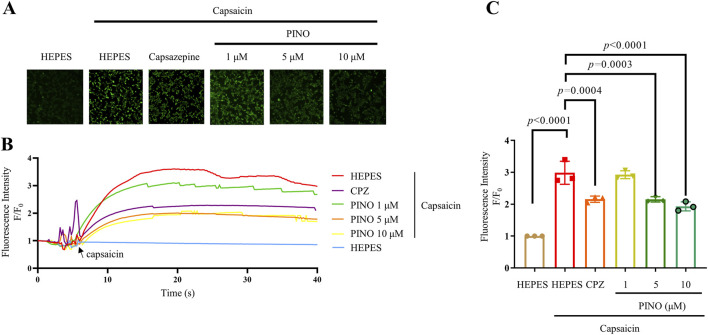 Figure 4
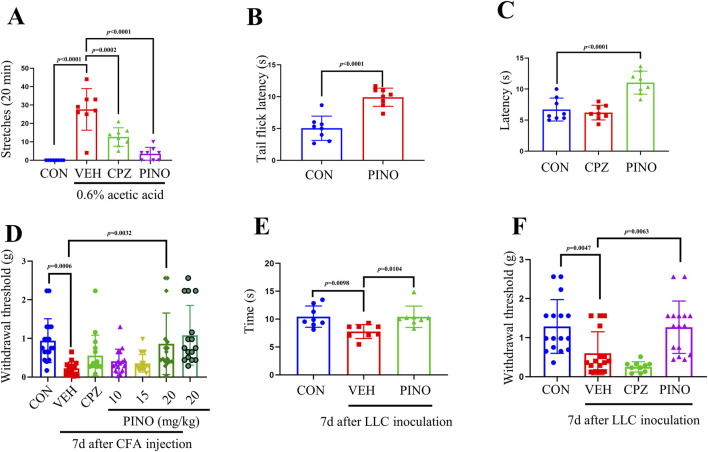 Figure 5
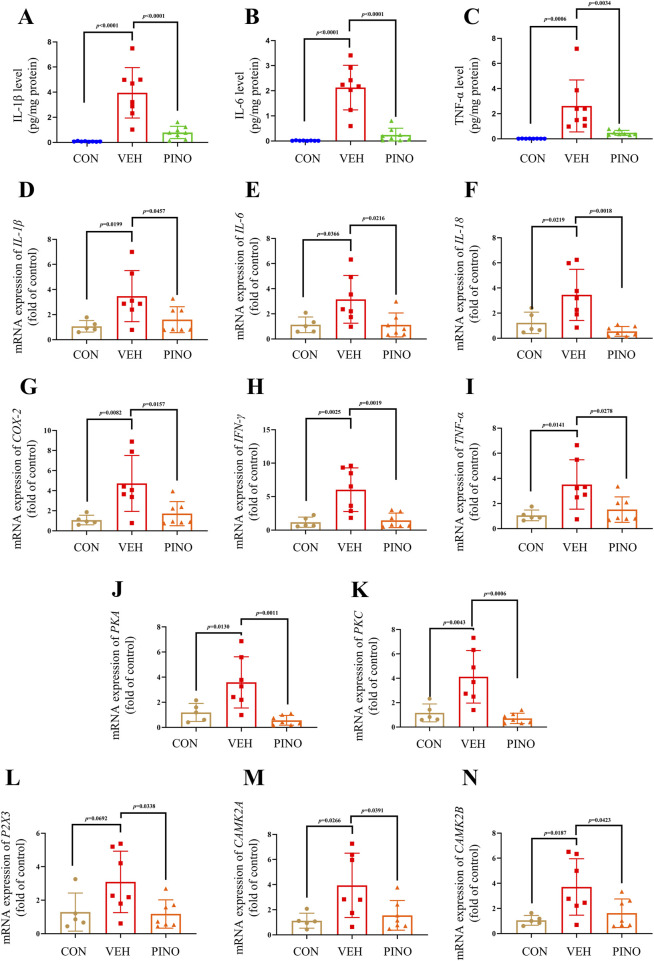 Figure 6
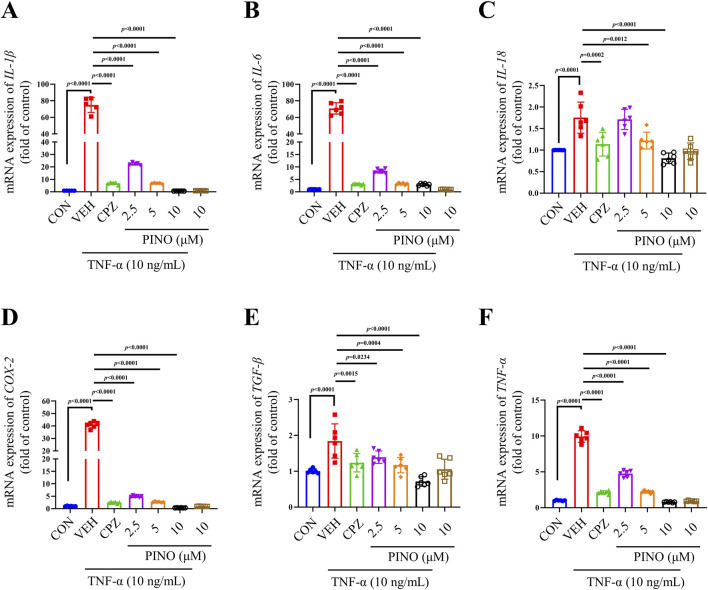 Figure 7
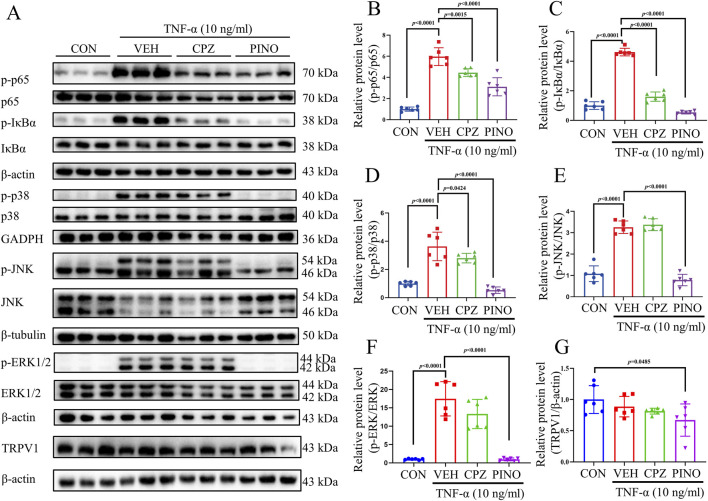 Figure 8
Peer Reviews
No public reviews on file for this paper yet. If you reviewed it on a platform where reviews are public (OpenReview, ICLR, NeurIPS, ICML), you can paste yours below so the community can read it here.
Videos
No videos yet. Explain this paper in a talk, walkthrough, or lecture? Add one.
Taxonomy
TopicsIon Channels and Receptors · Bioactive Compounds and Antitumor Agents · Biochemical Analysis and Sensing Techniques